

 English
 中文简体
中文简体 русский
 Español
 Deutsch


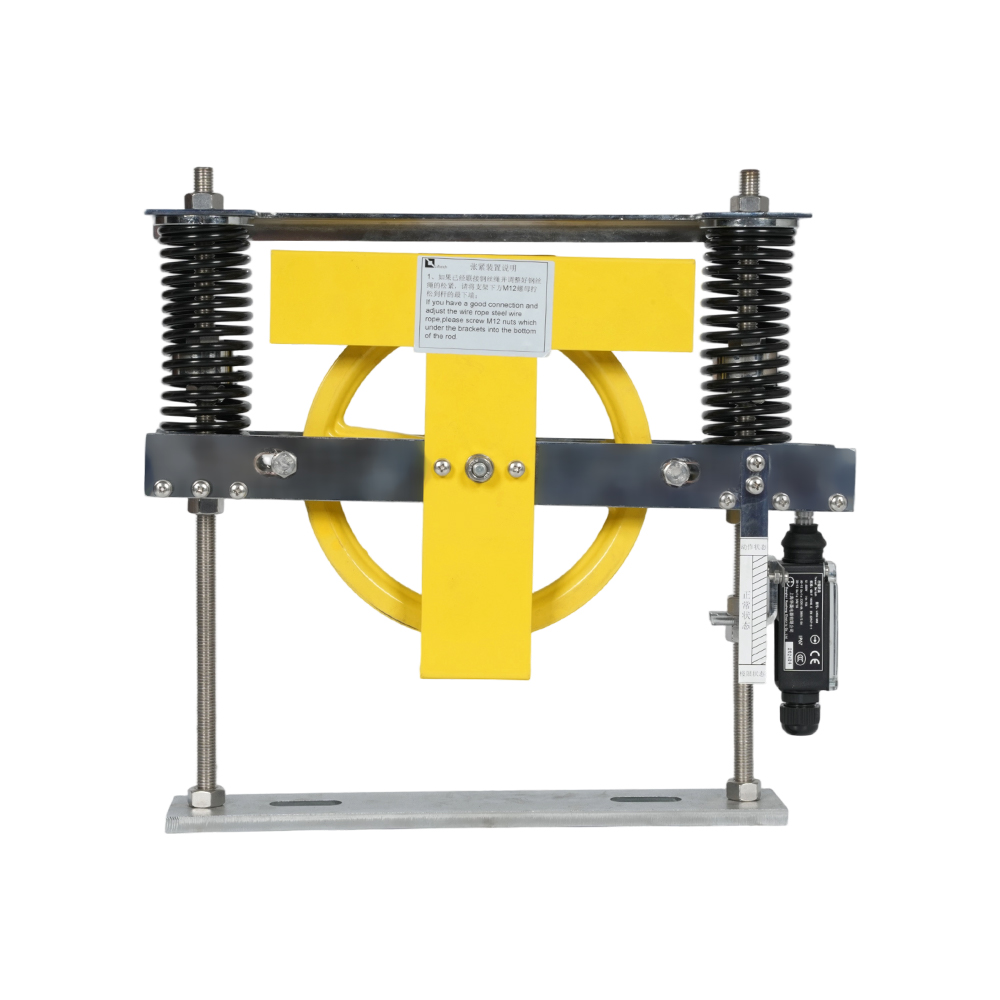
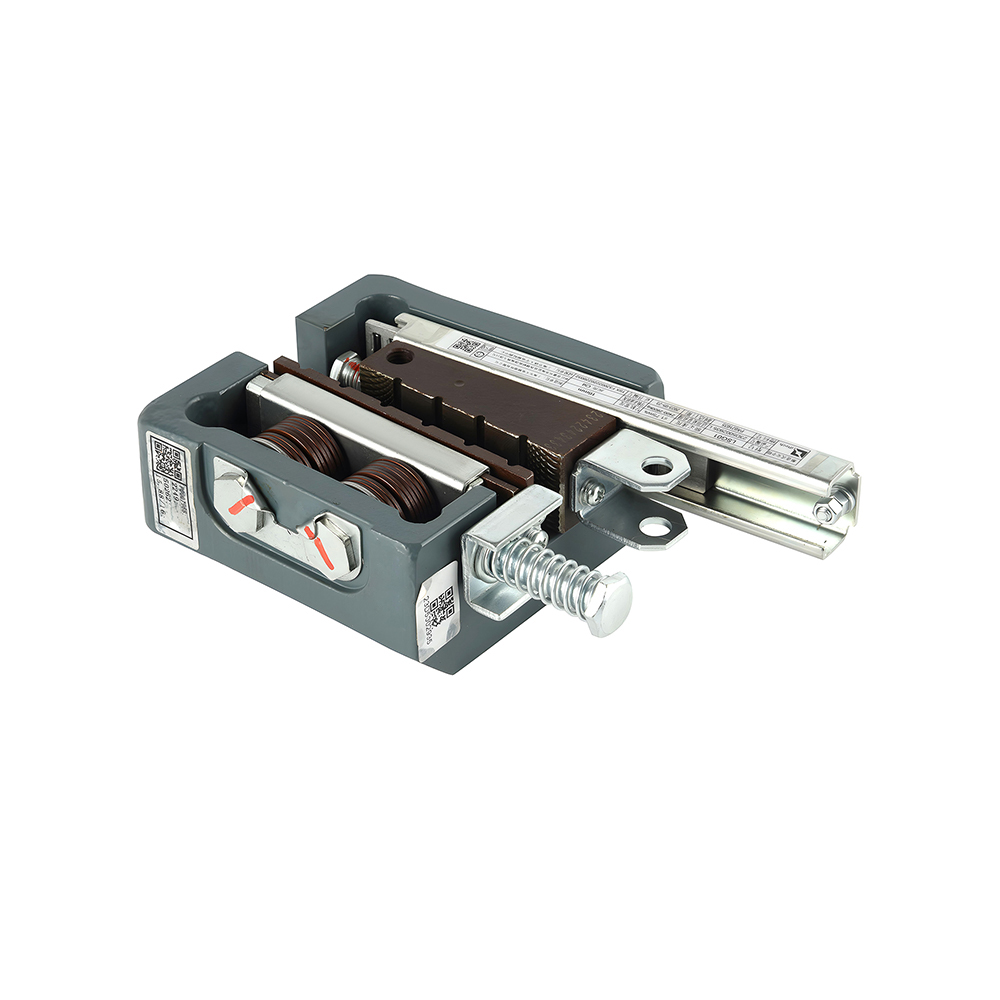
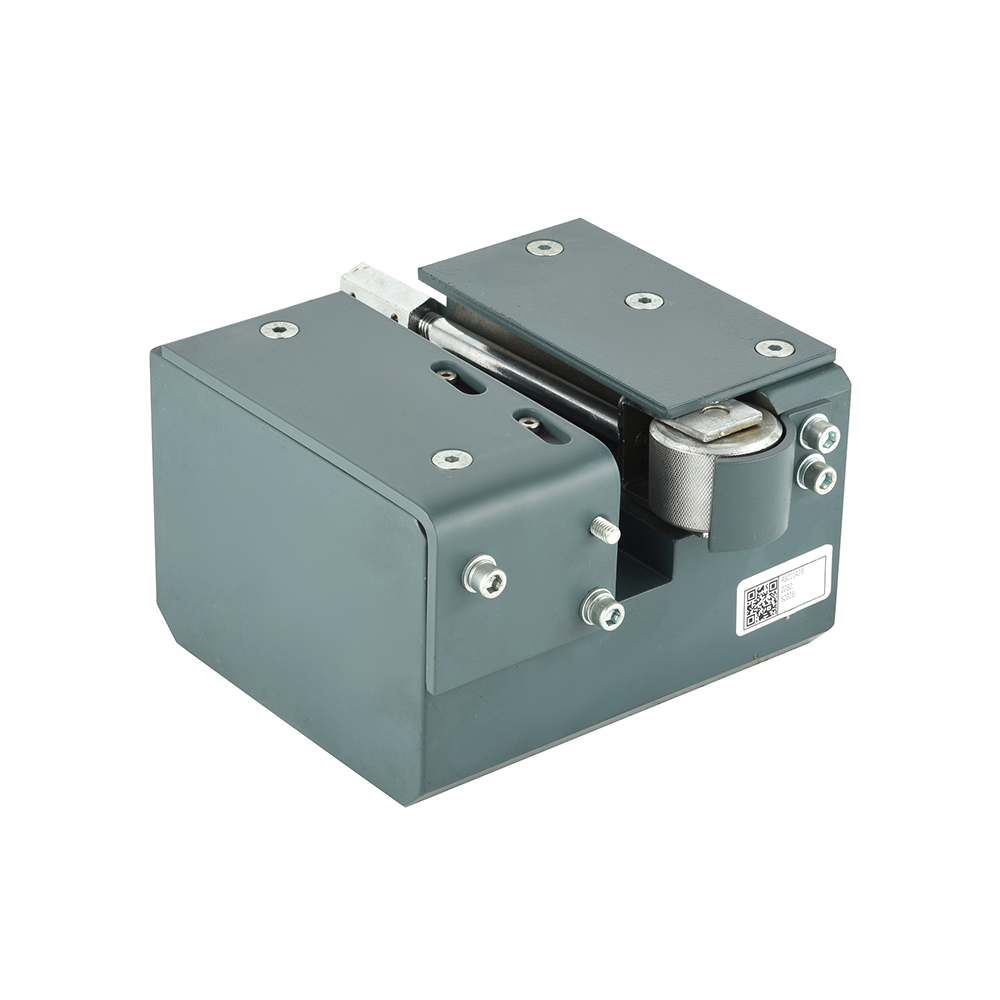
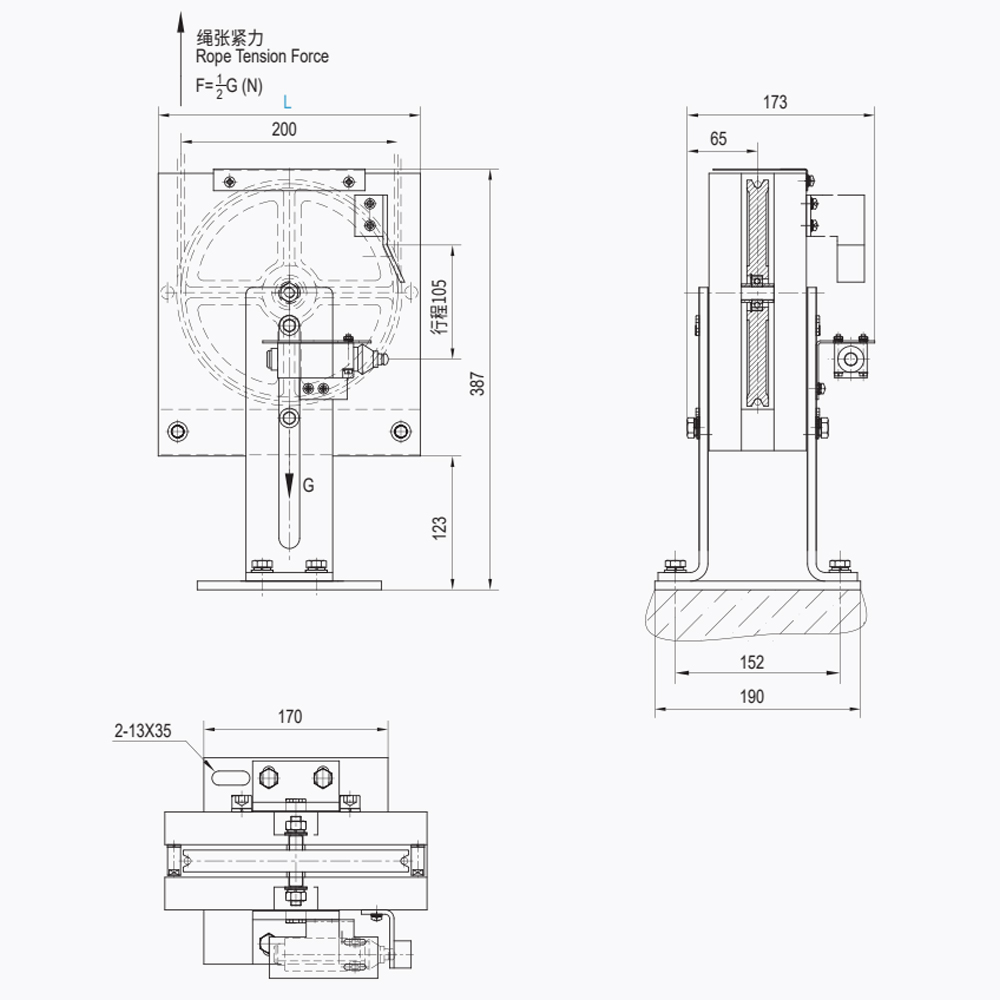
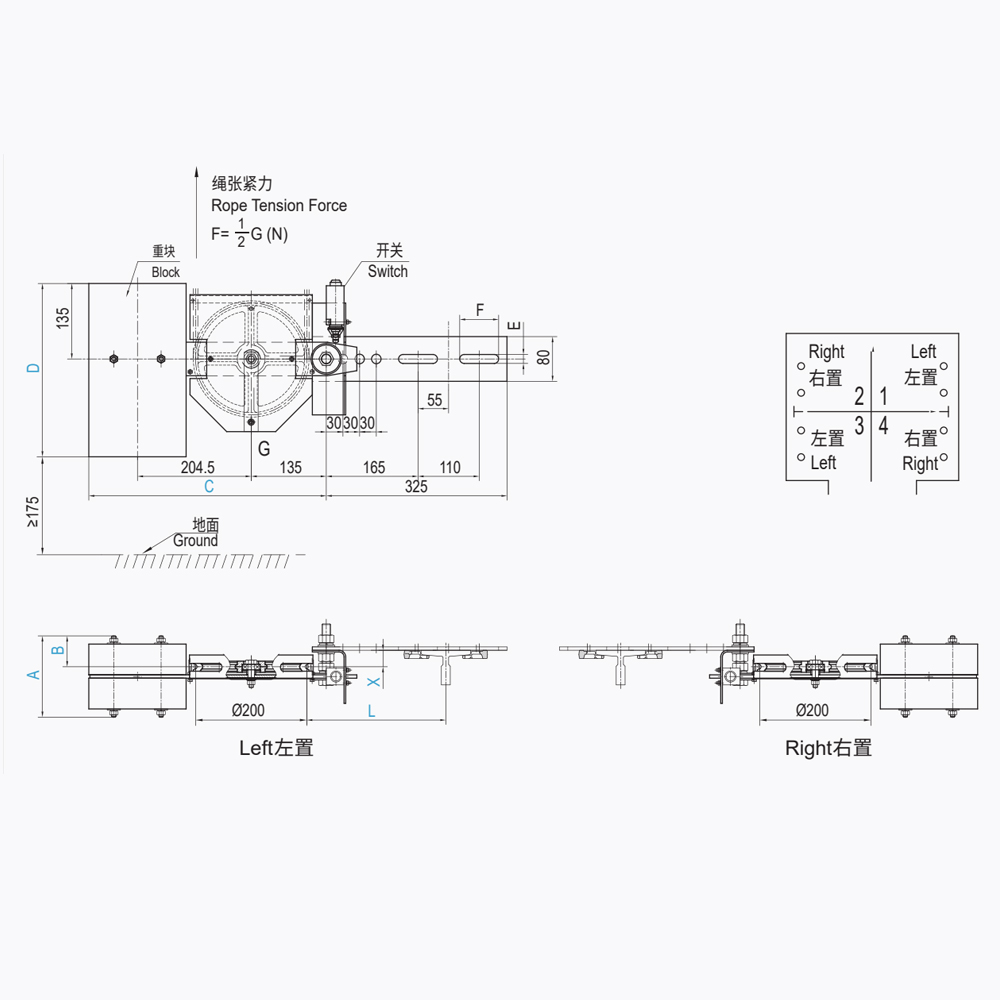
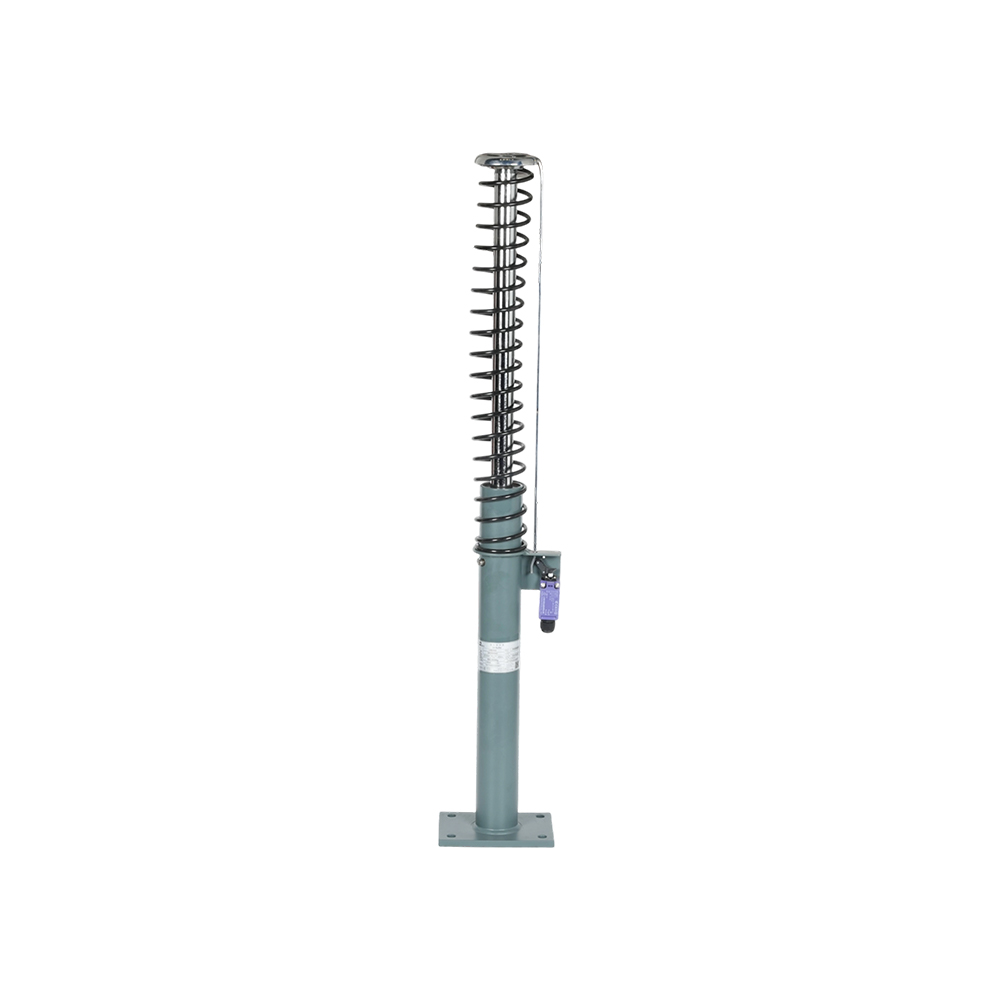
Manufacturers, importers, and installers face significant legal and commercial risks when supplying safety components to the EU market without proper CE certification. Non-compliant products can be barred from entry, lead to costly project delays, void building insurance, and result in legal liability in the event of an accident. For the end-user, it creates uncertainty about the safety and legality of their installation. CE certification solves this by providing a transparent, regulated pathway to compliance. It offers verifiable proof that the component has been independently assessed against harmonized European standards (EN series), ensuring a unified high level of safety across the EU market.
CE Certified Elevator Safety Components (Lift Directive)
-- Steady & Reliable Manufacturer --
CE marking for elevator safety components signifies conformity with the essential health and safety requirements of the European Union's Lift Directive (2014/33/EU). It is a legal mandatory for placing these components on the market in the European Economic Area (EEA). Certification is not a generic quality mark but a specific attestation that the component, when properly installed and maintained, enables the elevator to satisfy the Directive's stringent safety objectives. The process involves a rigorous conformity assessment procedure, often including type-examination by a Notified Body, factory production control audits, and the issuance of an EU Declaration of Conformity by the manufacturer.
Recommended Products
The Key Problem We Solve
Typical Applications
- New elevator installations within the European Union and EEA countries
- Modernization and replacement projects of existing elevators in Europe
- Export of safety components to European elevator OEMs and distributors
- Projects funded by European public tenders, where CE marking is a mandatory requirement
- Global projects specifying European safety standards (EN 81) as the basis of design
Product Advantages
| Governing Directive | Lift Directive 2014/33/EU. |
| Applicable Standards | Harmonized Standards, primarily the EN 81-20 (safety rules for construction and installation) and EN 81-50 (design calculations, tests) series. |
| Conformity Procedure | Typically Module G (Unit Verification) for components, or Module B (Type Examination) + Module D (Production) for series production. |
| Notified Body Involvement | Required for assessment. The 4-digit identification number of the Notified Body must accompany the CE mark. |
| Key Documentation | EU Declaration of Conformity (DoC), Technical Documentation File, Installation Instructions. |
| Marking | The CE mark must be affixed to the product or its nameplate visibly, legibly, and indelibly. |
Selection & Compliance Considerations
When procuring CE-certified components, it is crucial to verify the scope of certification. The Declaration of Conformity should explicitly list the component(s), the applicable EN standards (e.g., EN 81-20/50 for safety gears, governors, buffers), and the Notified Body number. Check that the certificate is current and issued by an accredited Notified Body. Ensure the installation instructions provided are in the language required by the member state. For safety components, certification is typically based on "type-testing" – verify that the specific model you are purchasing is covered by the type-examination certificate held by the manufacturer.
FAQ
- Q: Does a CE mark on a component mean the entire elevator is CE certified? A> No. The CE mark on a component means it is certified for use in an elevator. The final responsibility for CE marking the complete installed elevator lies with the installer or the manufacturer placing the elevator on the market, who must compile a technical file demonstrating that all components and the overall installation comply with the Lift Directive.
- Q: Can we use CE-certified components outside of Europe? A> Absolutely. While it is a legal requirement for the EU, CE certification is recognized worldwide as a robust indicator of compliance with high international safety standards (EN). It is often accepted or specified in projects in the Middle East, Asia, and Africa that follow European norms.
- Q: What is the difference between a CE Declaration of Conformity and a test report? A> A test report is a document from a laboratory detailing the results of specific tests. The EU Declaration of Conformity is a legally binding document issued by the manufacturer, stating that the product meets all applicable EU directives. The DoC is based on the test reports and other technical documentation but is the final, official claim of conformity.
About Us
Shanghai Liftech Elevator Accessories Co., Ltd.
Founded in 2004, Shanghai Liftech Elevator Accessories Co., Ltd. is a specialized enterprise dedicated to the R&D, manufacturing, testing, and sales of elevator safety components. With over two decades of sustained development, Liftech has established itself as a leading manufacturer in China's elevator safety sector, providing high-quality products and solutions to a wide range of major elevator brands and engineering clients across domestic and international markets. We are ,China Wholesale CE Certified Elevator Safety Components (Lift Directive) Suppliers and CE Certified Elevator Safety Components (Lift Directive) OEM/ODM Manufacturers
For over 20 years, LIFTECH (est. 2004) has been a trusted force in the R&D, manufacturing, and full lifecycle support of premium elevator safety components.
Material Selection Guide
| Certification Document | Content & Significance in the Supply Chain |
| EU Declaration of Conformity (DoC) | The legally definitive document. It must list the product, the manufacturer, the applicable directive and standards, and be signed by an authorized person. It accompanies the product. |
| Type-Examination Certificate (from Notified Body) | Proves that a representative sample of the product has been examined and tested, and found to meet the requirements of the directive. This is the foundation for series production certification. |
| Technical Documentation File | The complete design and manufacturing dossier (kept by the manufacturer for 10 years). Includes drawings, calculations, test reports, material certs, list of standards, etc. |
| Installation & Maintenance Instructions | Must be supplied to ensure the component is installed, adjusted, and maintained in a way that preserves its certified performance. This is a mandatory part of the compliance. |

