

 English
 中文简体
中文简体 русский
 Español
 Deutsch


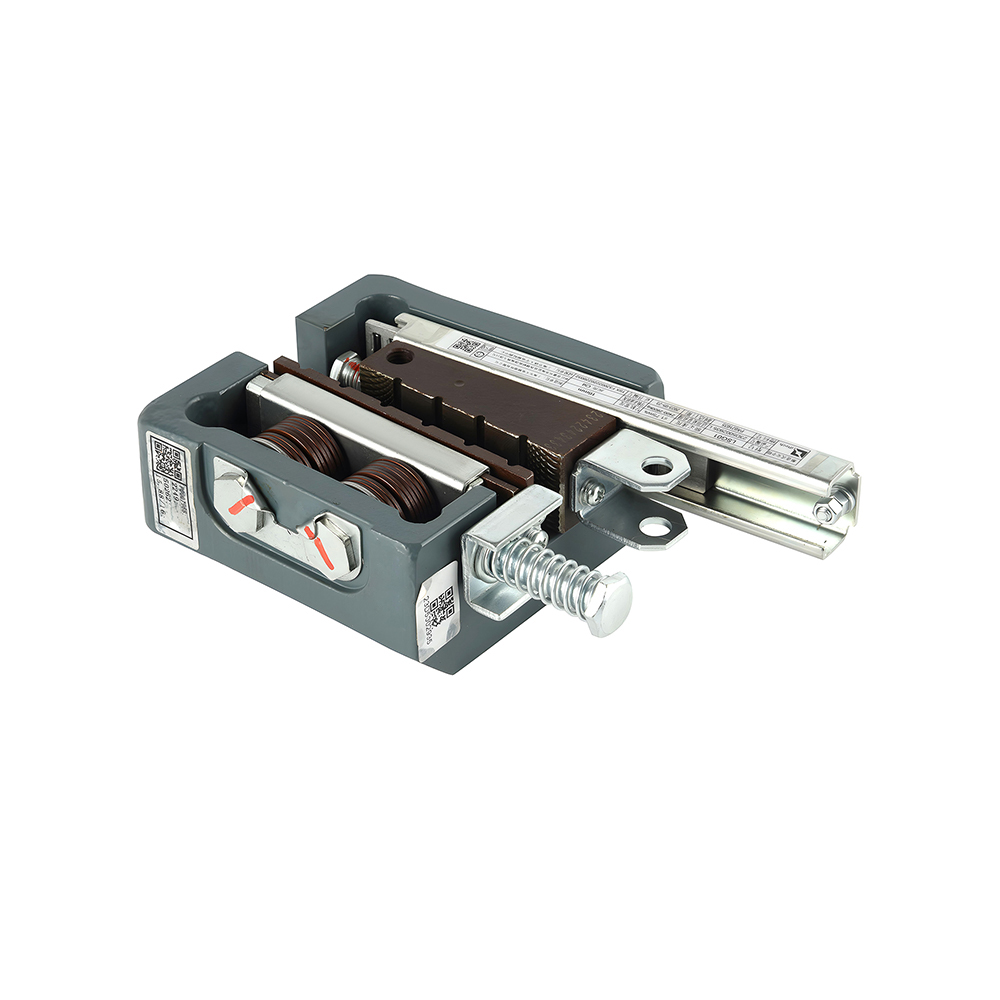
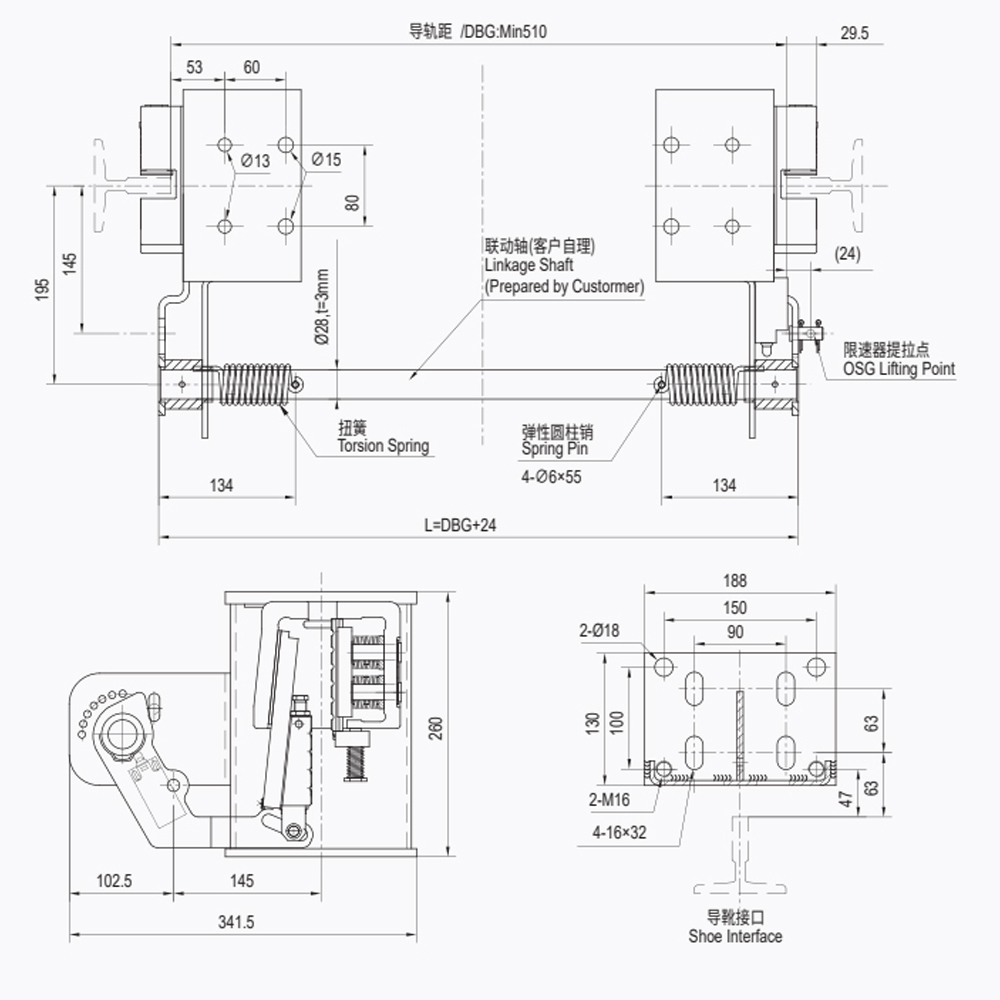
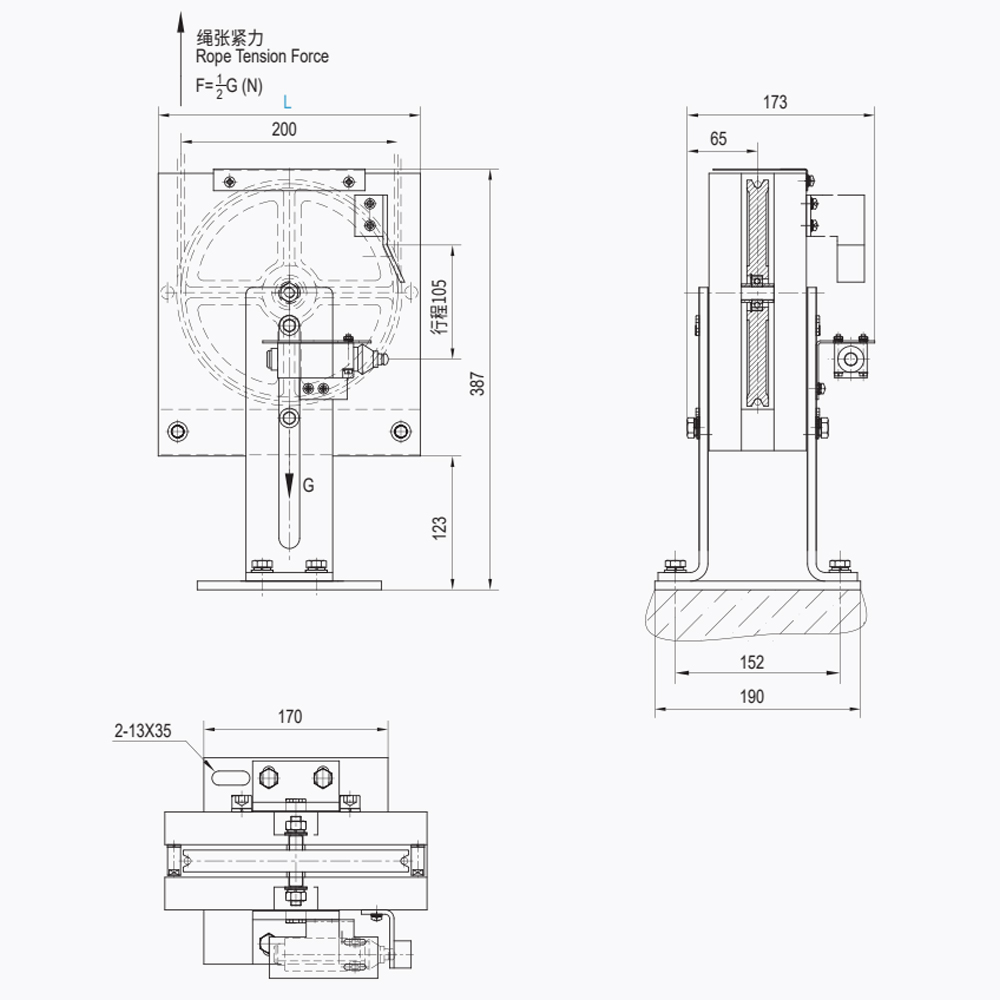
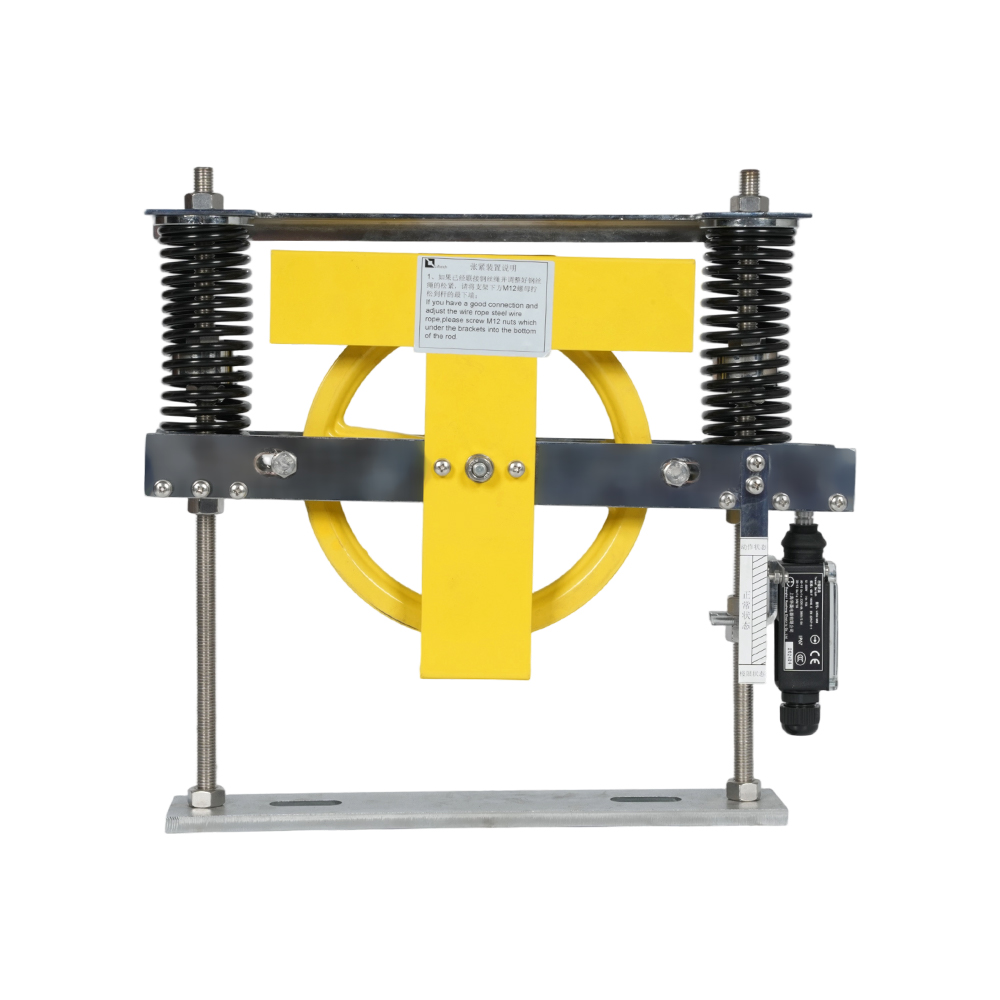
Buyers and specifiers face the challenge of verifying the intrinsic quality and reliability of critical safety components that are often not visible after installation. ISO 9001 certification solves this problem by offering an internationally recognized benchmark. It assures clients that the manufacturer has implemented disciplined procedures for design control, supplier qualification, in-process inspections, final testing, and corrective action—minimizing the risk of defects, non-conformities, and inconsistent performance that could compromise safety system integrity.
ISO 9001 Certified Elevator Safety Manufacturers
-- Steady & Reliable Manufacturer --
ISO 9001 certification represents a manufacturer's systematic commitment to quality management across all operations, from design and procurement to production, testing, and service. For elevator safety component suppliers, this is not merely an administrative certificate but a verifiable framework that ensures consistency, traceability, and continuous improvement in processes that directly affect product reliability and passenger safety. It provides a structured approach to meeting customer and regulatory requirements consistently.
Recommended Products
The Key Problem We Solve
Typical Applications
- Procurement by elevator OEMs for new equipment manufacturing
- Selection by maintenance companies and facility managers for replacement parts
- Specification by engineering firms and consultants in project tenders
- Approval by safety inspectors and regulatory bodies assessing supply chains
- Due diligence by property developers and building owners
Product Advantages
| Certification Standard | ISO 9001:2015 (or latest version) |
| Certification Scope | Design, development, manufacturing, and sales of elevator safety components |
| Surveillance Audits | Conducted annually by accredited third-party certification body |
| Documented Processes | Quality Manual, Procedures, Work Instructions, Records |
| Key Process Areas Covered | Design & Development, Purchasing, Production, Inspection, Testing, Calibration, Non-Conformance Control, Corrective Action |
| Management Review | Regular top management review of the QMS effectiveness |
Selection & Compliance Considerations
When selecting a supplier, verify the validity and scope of their ISO 9001 certificate through the issuing accreditation body's website. Ensure the certificate explicitly covers the manufacturing of the specific safety components you are procuring. ISO 9001 should be considered a baseline requirement; it should be complemented by product-specific certifications (CE, ASME, EN Type-Exam). Assess whether the manufacturer integrates their QMS with advanced tools like FMEA (Failure Mode and Effects Analysis) and SPC (Statistical Process Control).
FAQ
- Q: Does ISO 9001 guarantee the product is high quality? A> It guarantees that the processes to achieve consistent quality are in place and followed. It is a system certification, not a product certification. The final product quality is a result of this system working effectively.
- Q: How is this different from a product certification like CE? A> ISO 9001 certifies the company's management system. CE marking is a product-specific declaration of conformity with EU safety, health, and environmental requirements. A manufacturer should ideally have both.
- Q: What should we look for in a supplier's quality documentation? A> Request evidence such as inspection and test plans (ITPs), material certificates (MTC), final test reports for batches, and records of calibration for measuring equipment. A certified manufacturer should provide these readily.
About Us
Shanghai Liftech Elevator Accessories Co., Ltd.
Founded in 2004, Shanghai Liftech Elevator Accessories Co., Ltd. is a specialized enterprise dedicated to the R&D, manufacturing, testing, and sales of elevator safety components. With over two decades of sustained development, Liftech has established itself as a leading manufacturer in China's elevator safety sector, providing high-quality products and solutions to a wide range of major elevator brands and engineering clients across domestic and international markets. We are ,China Wholesale ISO 9001 Certified Elevator Safety Manufacturers Suppliers and ISO 9001 Certified Elevator Safety Manufacturers OEM/ODM Manufacturers
For over 20 years, LIFTECH (est. 2004) has been a trusted force in the R&D, manufacturing, and full lifecycle support of premium elevator safety components.
Material Selection Guide
| Quality Document | Purpose & Relevance to Safety Parts |
| Quality Manual | Top-level document outlining the structure of the Quality Management System and commitment to standards. |
| Material Test Certificate (MTC) | Traceability document from the raw material supplier verifying chemical composition and mechanical properties of steel, etc. |
| Inspection & Test Plan (ITP) | Defines all checkpoints, measurements, and tests performed on a component from raw material to final assembly. |
| Final Test Report | Specific data from tests (e.g., trip speed calibration, load test) performed on the finished batch of products. |
| Calibration Certificates | Proof that all measuring devices (torque wrenches, gauges, test rigs) are accurate and traceable to national standards. |

