

 English
 中文简体
中文简体 русский
 Español
 Deutsch


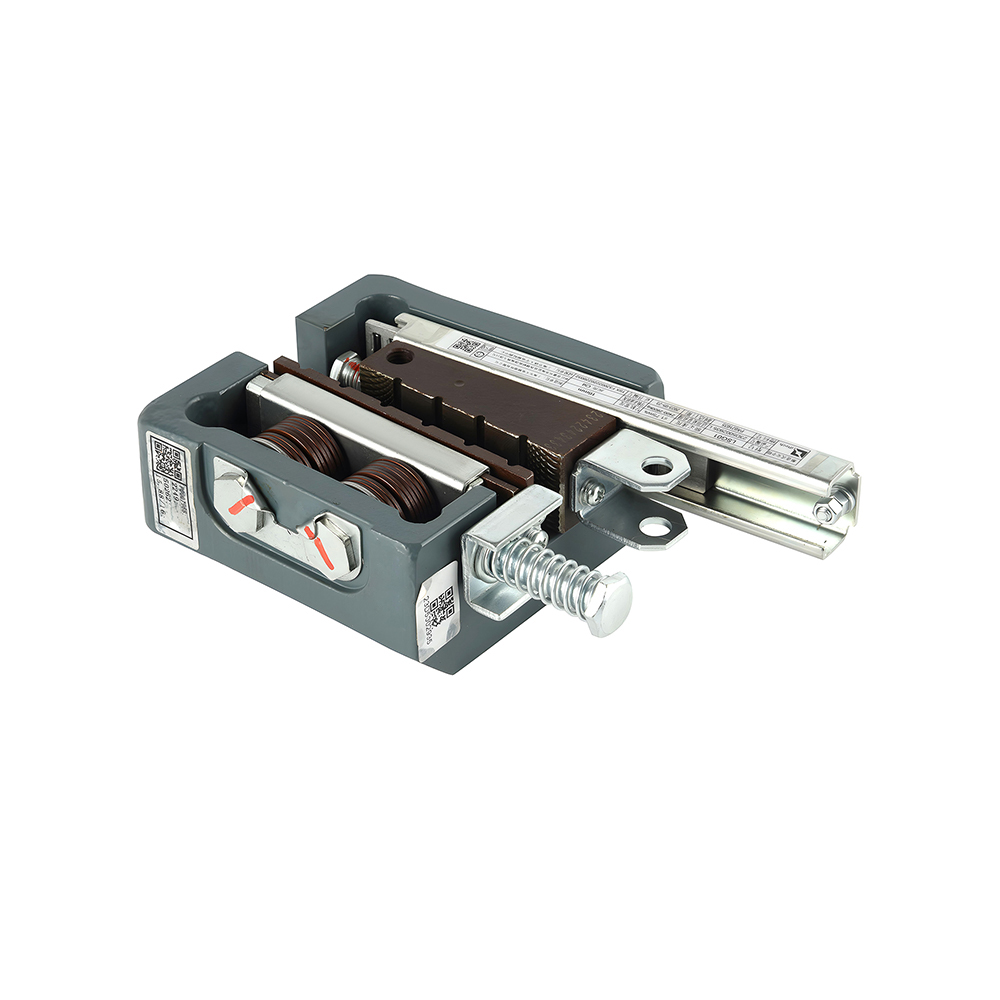
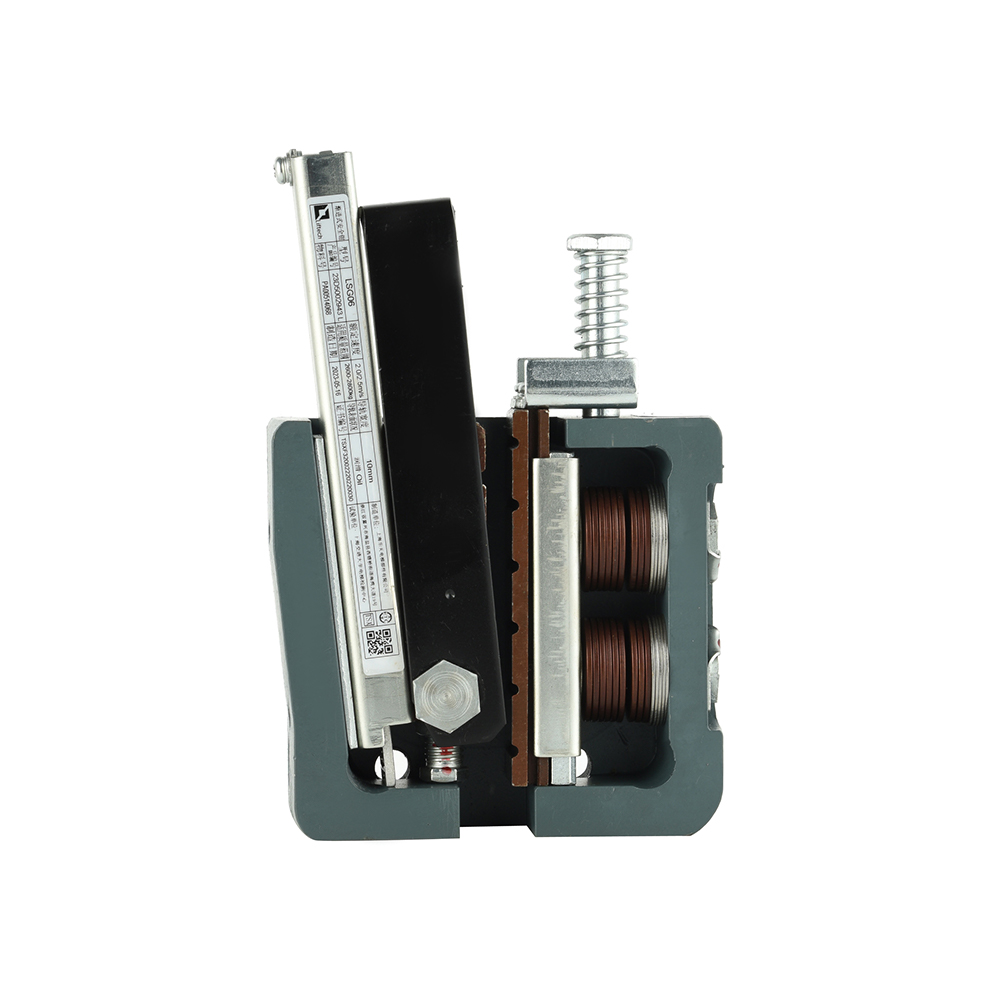
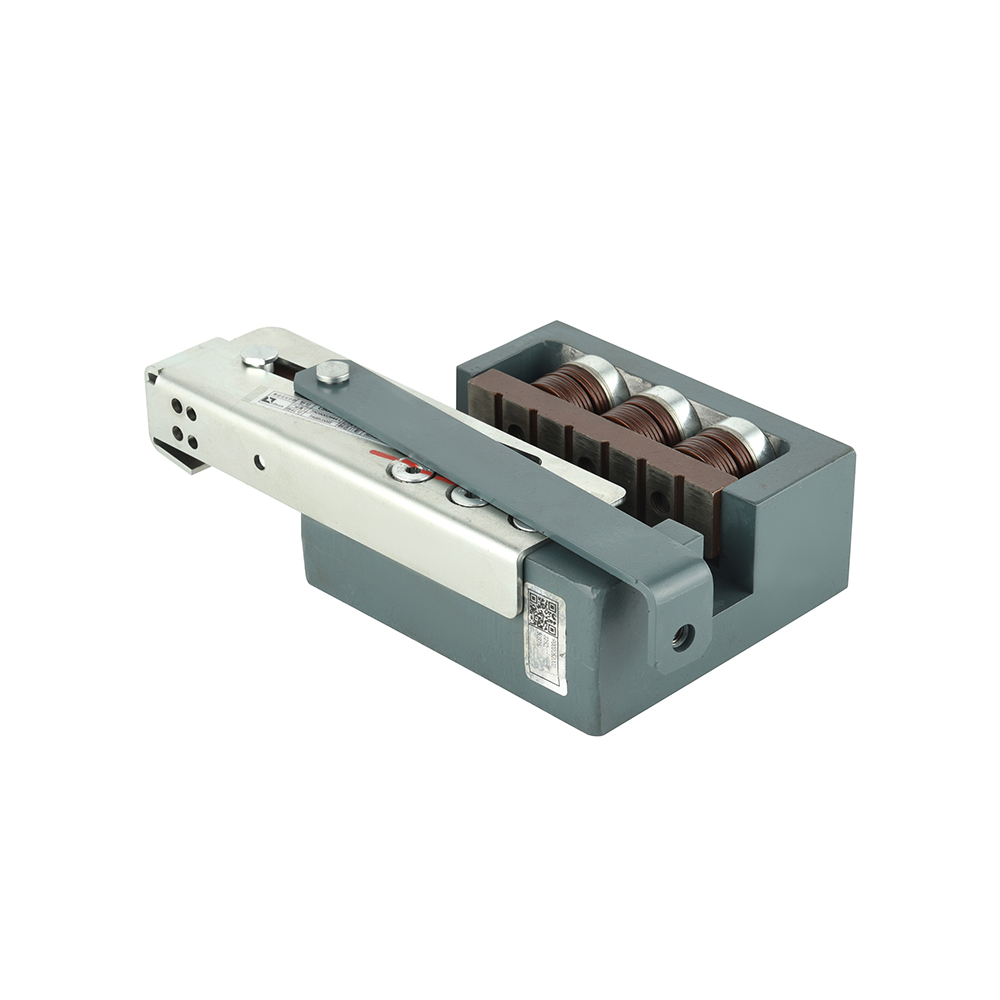
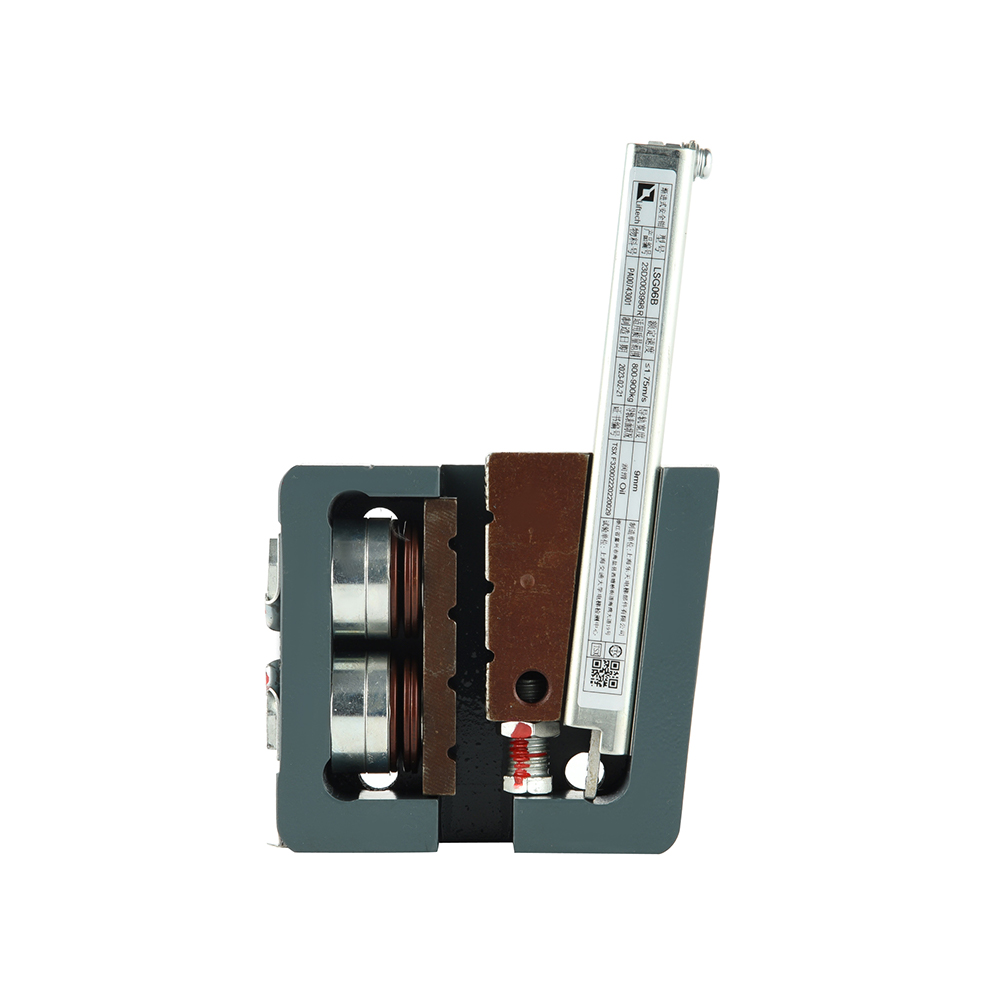
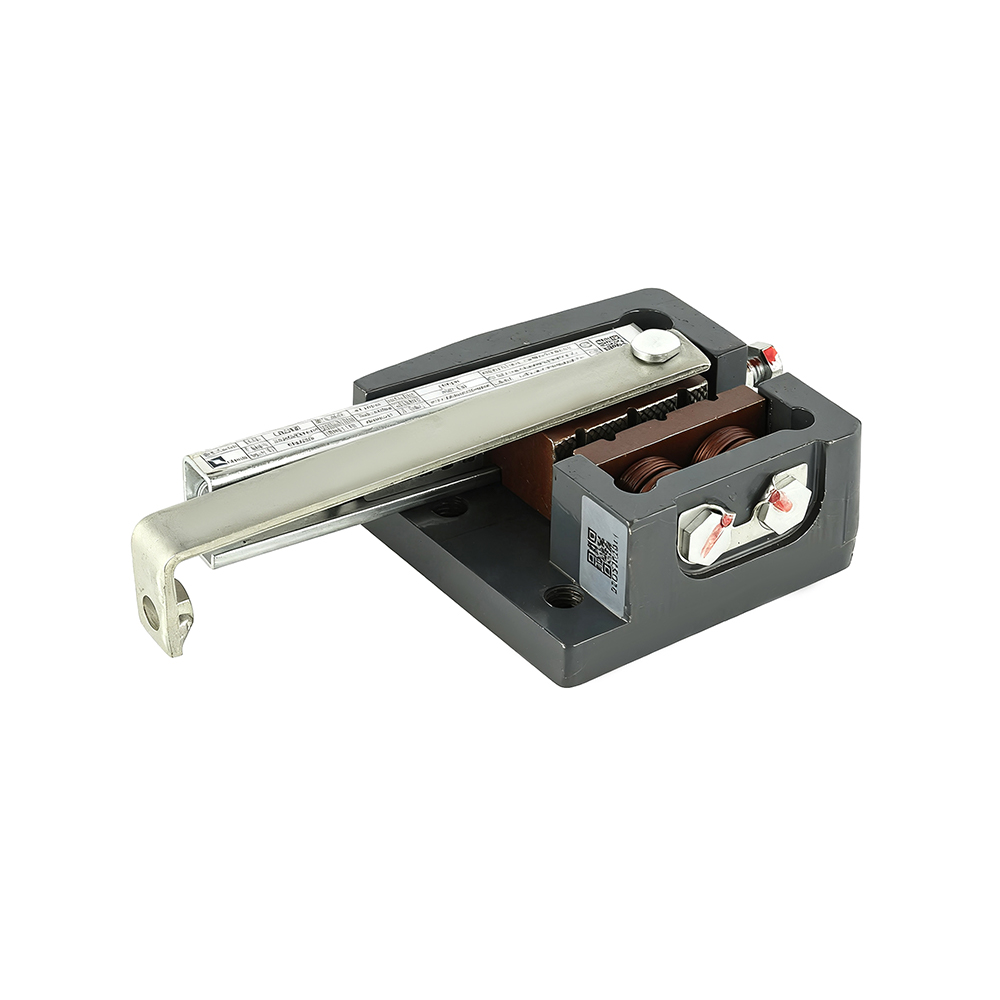
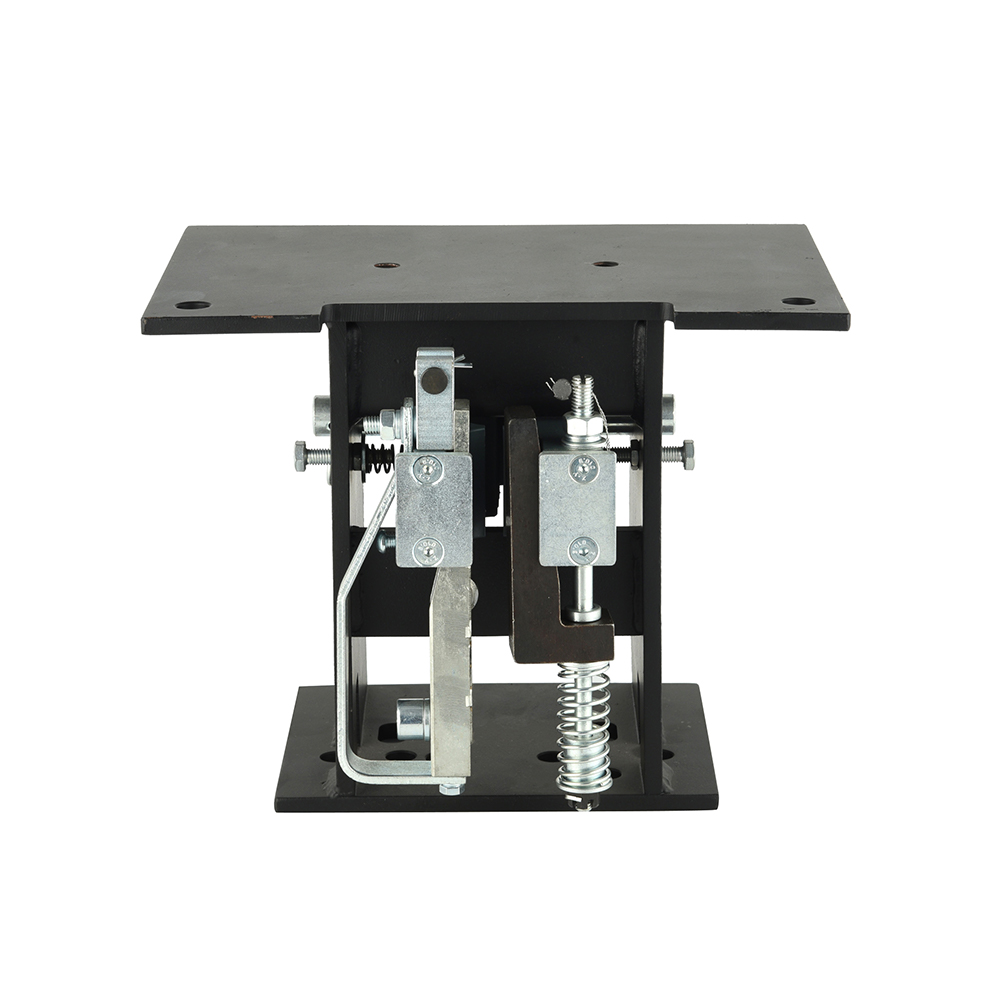
Purchasing critical safety components from uncertified suppliers carries inherent risks: inconsistent material quality, undocumented design changes, uncalibrated production equipment, and a lack of traceability. This can lead to product variability, premature failures, and difficulties during audits or incident investigations. Our ISO 9001 certification solves this by providing a transparent, auditable framework that ensures every batch of safety gear meets the same stringent design and quality requirements, batch after batch.
ISO 9001 Certified Lift Safety Gear
-- Steady & Reliable Manufacturer --
This tag highlights safety components manufactured under a certified Quality Management System (QMS) aligned with the ISO 9001 standard. It signifies that the entire process—from design and procurement to production, testing, and after-sales service—follows documented, controlled, and continuously improved procedures. While the products themselves are not "certified" (they are type-tested to elevator standards), their consistent quality and reliability are underpinned by this systematic management approach, providing traceability and process assurance to customers.
Recommended Products
The Key Problem We Solve
Typical Applications
- Elevator OEMs (Original Equipment Manufacturers) requiring certified supply chains for their own quality audits.
- Large modernization and maintenance companies with strict supplier qualification protocols.
- Projects for government, healthcare, or transportation sectors where vendor certification is often a tender requirement.
- International export markets where ISO 9001 is a recognized benchmark for manufacturing credibility.
- Customers who prioritize documented process control and full traceability over the lowest possible price point.
- Any application where the consequence of a component failure is severe, justifying investment in assured quality systems.
Product Advantages
| QMS Standard | ISO 9001:2015 (or latest applicable version). |
| Certification Scope | Design, manufacturing, and sale of elevator safety devices and related components. |
| Key Process Controls | Documented procedures for design review, supplier evaluation, incoming inspection, production process control, final testing, non-conformance handling, and corrective action. |
| Each product or batch is linked to records of materials used, production data, and test results. | |
| Product Standards | Products are designed and type-tested to relevant elevator safety standards (EN 81, ASME A17.1, etc.). |
| Continuous Improvement | Mandatory management reviews, internal audits, and customer feedback analysis drive ongoing process optimization. |
Selection & Compliance Considerations
Audit Rights: As a customer of an ISO 9001 certified supplier, you may have the right (by contract) to audit their quality system or review specific process records related to your order, providing an additional layer of assurance beyond the certification body's audits.
Documentation Package: Expect to receive comprehensive documentation with your order: material certificates (with heat numbers), dimensional inspection reports, functional test records, and a certificate of conformity. This package is a direct output of the QMS and is invaluable for your own quality records and regulatory compliance.
Beyond the Certificate – Cultural Commitment: While the certificate is important, the real value lies in the company's quality culture. Engage with their quality department. Their responsiveness and the depth of their procedures are indicators of a living, effective QMS, not just a paper exercise.
FAQ
- Q: Does ISO 9001 certification guarantee that the product meets elevator safety standards like EN 81?
- A: No, ISO 9001 certifies the management system, not the product's compliance with a specific technical standard. Product compliance is achieved through type testing and conformity assessment to standards like EN 81. However, a robust ISO 9001 system greatly increases the confidence that every unit produced consistently matches the performance of the type-tested sample and that all processes affecting quality are controlled.
- Q: What specific quality records should I expect to receive with my order?
- A: You should receive, at minimum: 1) A Certificate of Conformity stating the product meets the specified design standard. 2) Material Test Certificates (3.1 Mill Certificates) for critical raw materials (steel, springs). 3) Dimensional Inspection Report for key features. 4) Final Functional Test Report (e.g., for governors: run-in and trip speed check). For critical orders, Non-Destructive Testing (NDT) reports for welds or castings may also be provided.
- Q: How does a QMS help if there is a problem with a component in the field?
- A: It enables effective root cause analysis and corrective action. Because every process and material is documented and traceable, the manufacturer can quickly trace the component back through production records to identify if there was a batch issue, a specific machine deviation, or a supplier defect. This allows for targeted recalls (if needed) and permanent fixes to the process, preventing recurrence. It also provides you with clear evidence for your own reporting obligations.
About Us
Shanghai Liftech Elevator Accessories Co., Ltd.
Founded in 2004, Shanghai Liftech Elevator Accessories Co., Ltd. is a specialized enterprise dedicated to the R&D, manufacturing, testing, and sales of elevator safety components. With over two decades of sustained development, Liftech has established itself as a leading manufacturer in China's elevator safety sector, providing high-quality products and solutions to a wide range of major elevator brands and engineering clients across domestic and international markets. We are ,China Wholesale ISO 9001 Certified Lift Safety Gear Suppliers and ISO 9001 Certified Lift Safety Gear OEM/ODM Manufacturers
For over 20 years, LIFTECH (est. 2004) has been a trusted force in the R&D, manufacturing, and full lifecycle support of premium elevator safety components.
Material Selection Guide
| Document/Record Type | Purpose & Content | Benefit to Customer |
| Design & Development File | Contains design calculations, FMEA, drawings, type test reports. | Provides assurance of engineered design and compliance proof. |
| Material Certificate (3.1 EN 10204) | Verified chemical and mechanical properties of supplied metal. | Guarantees material grade and quality, essential for strength calculations. |
| Process Control Records | Records of heat treatment cycles, torque values for assembly, etc. | Ensures critical processes were performed correctly and consistently. |
| Final Inspection & Test Report | Documents all checks and tests performed on the finished product. | Confirms the specific item you received passed all quality gates. |
| Non-Conformance Report (NCR) & Corrective Action | Records any deviations found and the actions taken to correct and prevent recurrence. | Demonstrates a proactive quality culture and commitment to improvement. |

