

 English
 中文简体
中文简体 русский
 Español
 Deutsch


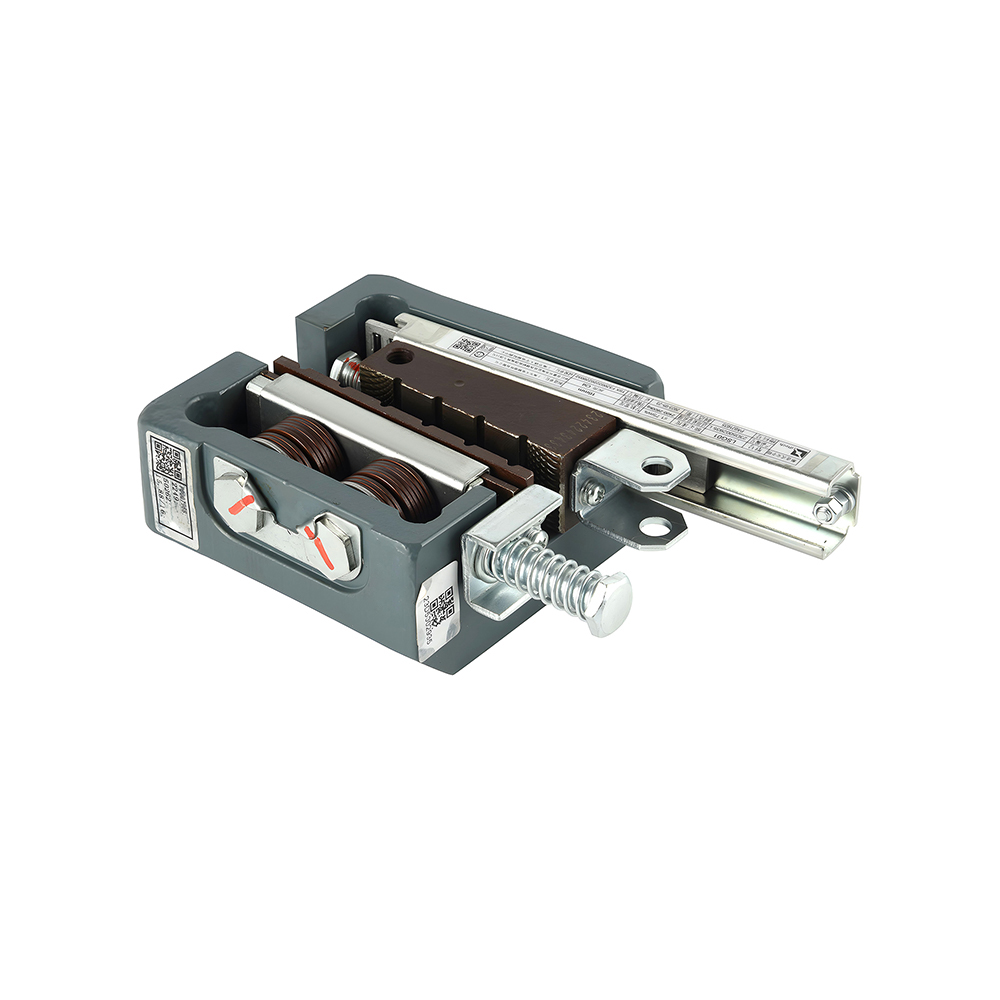
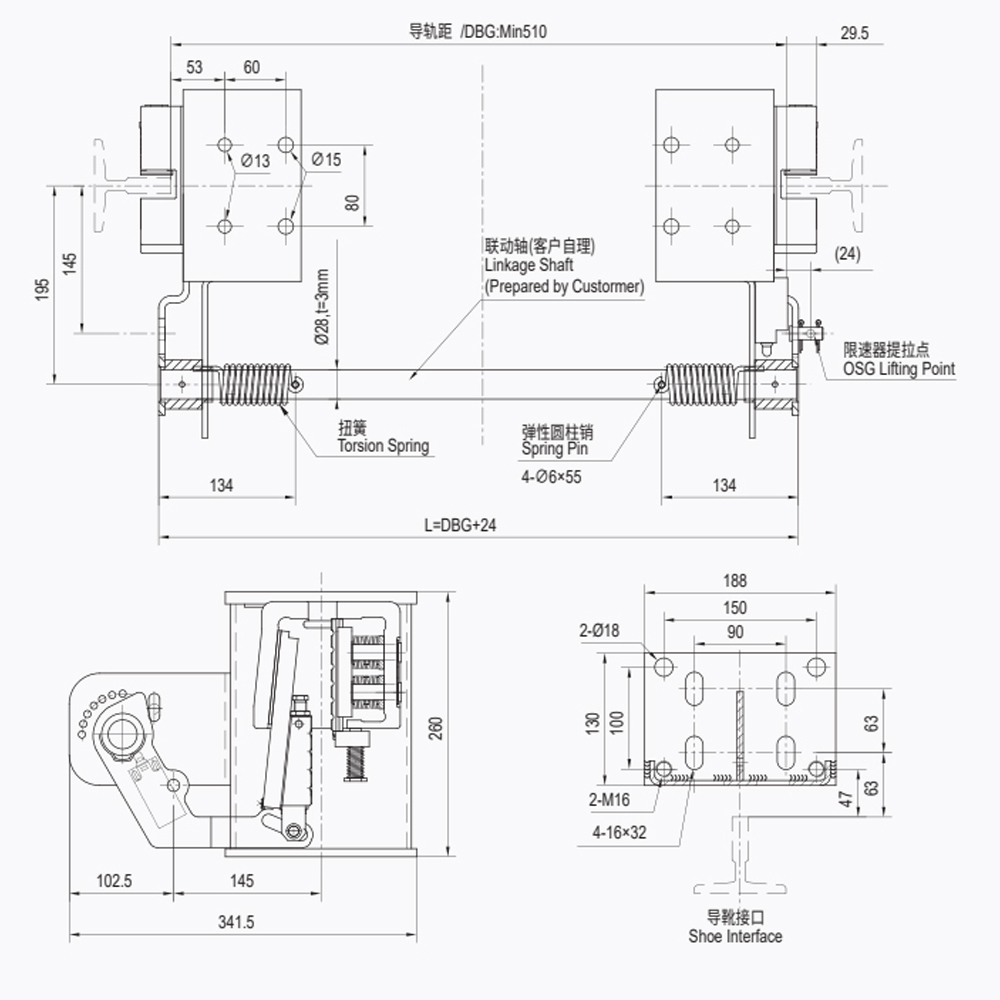
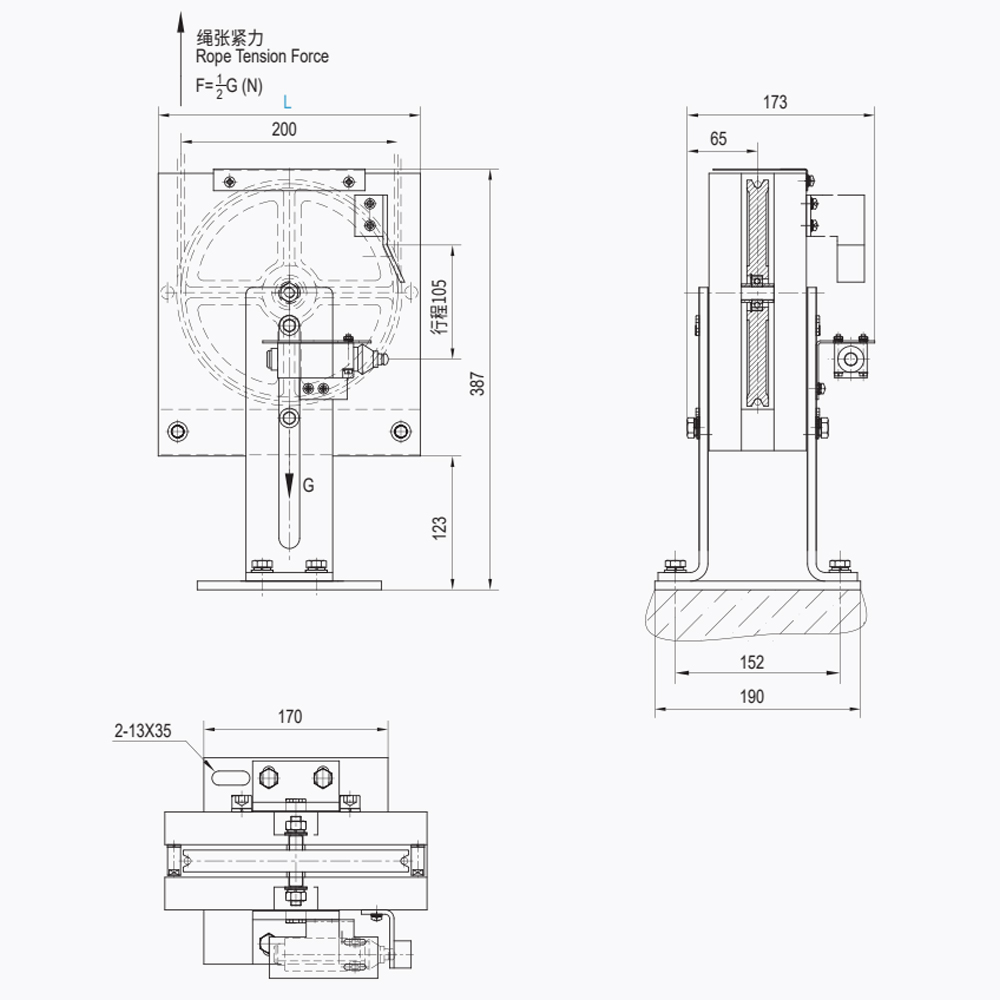
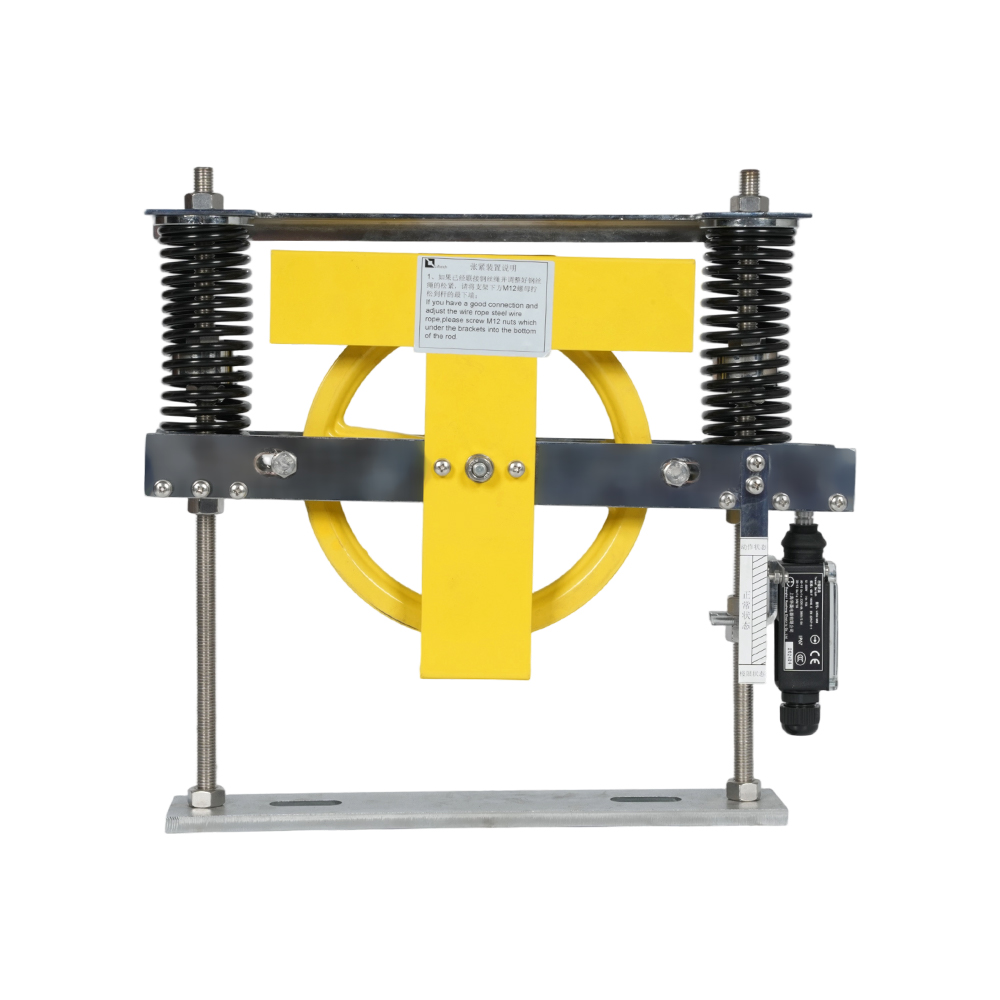
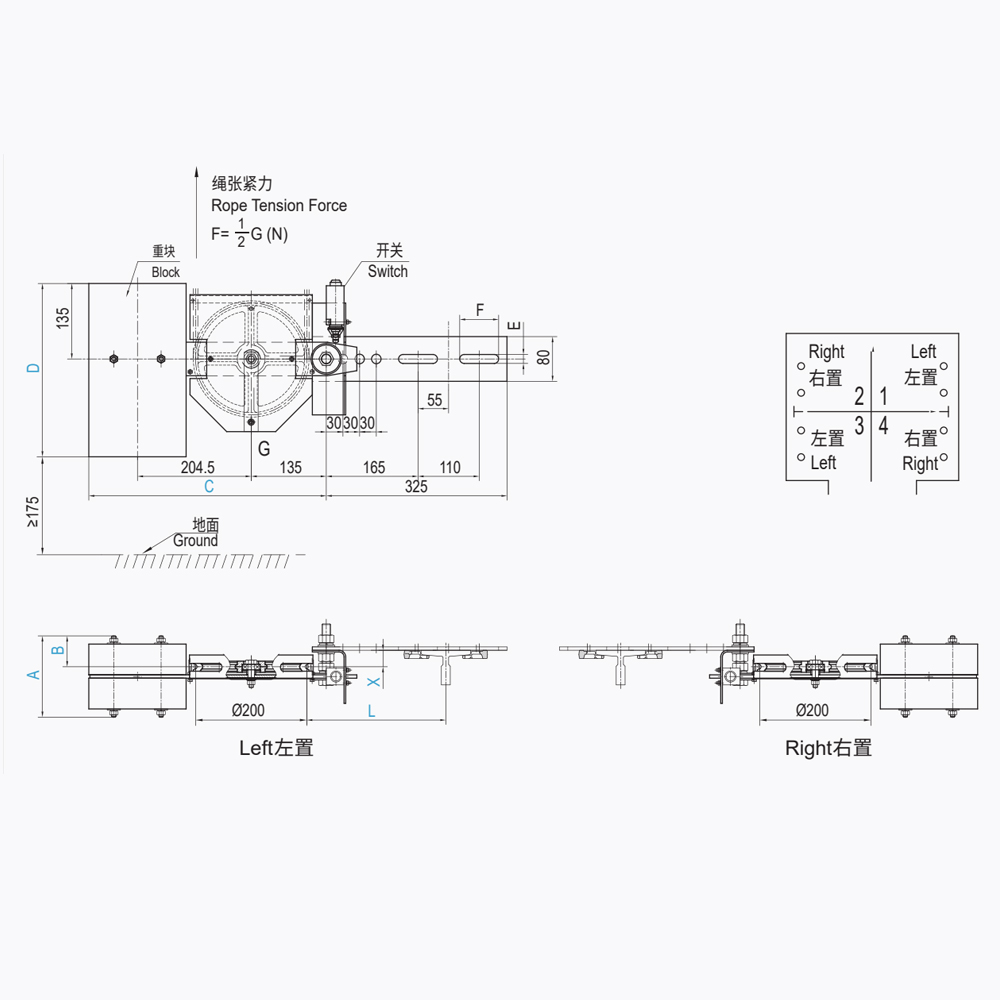
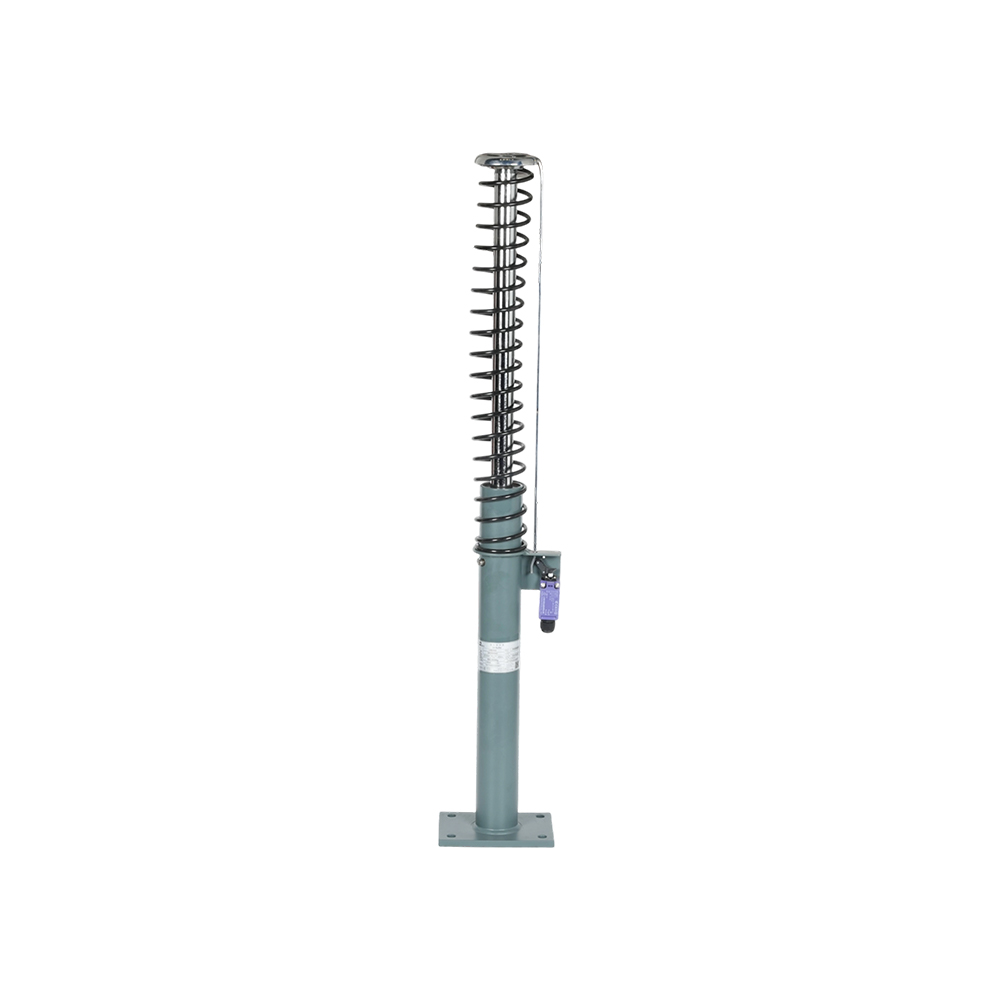
Modern elevator drive systems have electronic speed monitoring, but a mechanical backup is legally mandated. The centrifugal governor solves the problem of total reliance on electronics and software. It provides a purely physics-based, failsafe detection of overspeed conditions—whether caused by traction loss, brake failure, or control system malfunction. Its core function is to independently and reliably initiate the final safety intervention when all other systems have not prevented a dangerous speed increase.
ISO 9001 Certified Elevator Safety Manufacturers
-- Steady & Reliable Manufacturer --
ISO 9001 certification represents a manufacturer's systematic commitment to quality management across all operations, from design and procurement to production, testing, and service. For elevator safety component suppliers, this is not merely an administrative certificate but a verifiable framework that ensures consistency, traceability, and continuous improvement in processes that directly affect product reliability and passenger safety. It provides a structured approach to meeting customer and regulatory requirements consistently.
Recommended Products
The Key Problem We Solve
Typical Applications
- Traction elevator systems (both geared and gearless)
- Machine room (MR) and machine roomless (MRL) configurations
- Passenger elevators in commercial and residential buildings
- Freight and service elevators
- Hospital beds and other specialty lifts requiring guaranteed safety
Product Advantages
| Actuation Speed | Adjustable, typically 115%-140% of rated elevator speed |
| Governor Rope Diameter | Commonly 6mm to 10mm, with specific groove profiles |
| Mechanism Type | Centrifugal flyweight assembly with spring opposition |
| Tripping Force | Precisely calibrated to ensure reliable safety gear activation |
| Models for speeds from 0.25 m/s up to 10.0 m/s+ | |
| Feedback Signal | Optional integrated pulse encoder for control system monitoring |
| Standards | EN 81-20/50, ASME A17.1, with type-test certification |
Selection & Compliance Considerations
The governor must be selected to match the elevator's rated speed, travel height, and the trip characteristics of the connected safety gear. The ratio between governor sheave and rope size is critical for proper grip and function. For MRL elevators, compact and lightweight designs are essential. The inclusion of an encoder is recommended for modern systems to provide real-time speed data to the controller for proactive monitoring. Verification of existing type-test certificates for the specific model and speed range is a key procurement step.
FAQ
- Q: How often does a governor need testing? A> Functional testing is required during annual elevator inspections. The mechanism itself is designed for long life, but the governor rope must be inspected regularly for wear, corrosion, and proper tension.
- Q: Can a governor be re-used after it has tripped? A> After a trip, the governor and the entire safety circuit (including safety gear) must be inspected by a qualified technician to reset and verify no damage occurred. The governor itself is designed for multiple actuations.
- Q: What's the difference between a bidirectional governor? A> A standard governor trips on downward overspeed. A bidirectional governor also trips on upward overspeed, providing protection against unintended car movement (UCMP) in both directions, which is increasingly required by codes.
About Us
Shanghai Liftech Elevator Accessories Co., Ltd.
Founded in 2004, Shanghai Liftech Elevator Accessories Co., Ltd. is a specialized enterprise dedicated to the R&D, manufacturing, testing, and sales of elevator safety components. With over two decades of sustained development, Liftech has established itself as a leading manufacturer in China's elevator safety sector, providing high-quality products and solutions to a wide range of major elevator brands and engineering clients across domestic and international markets. We are ,China Wholesale ISO 9001 Certified Elevator Safety Manufacturers Suppliers and ISO 9001 Certified Elevator Safety Manufacturers OEM/ODM Manufacturers
For over 20 years, LIFTECH (est. 2004) has been a trusted force in the R&D, manufacturing, and full lifecycle support of premium elevator safety components.
Material Selection Guide
| Component | Material & Specification |
| Flyweights & Pivots | Precision-machined steel, hardened and ground to minimize friction and wear at pivot points. |
| Governor Sheave | Cast iron or machined steel with a machined rope groove. Groove profile is critical for rope grip and life. |
| Spring | High-cycle, alloy steel spring determining the trip speed. Calibrated and set for life. |
| Housing & Frame | Durable steel plate or aluminum alloy (for weight reduction in MRL), providing rigid support for the mechanism. |

