

 English
 中文简体
中文简体 русский
 Español
 Deutsch


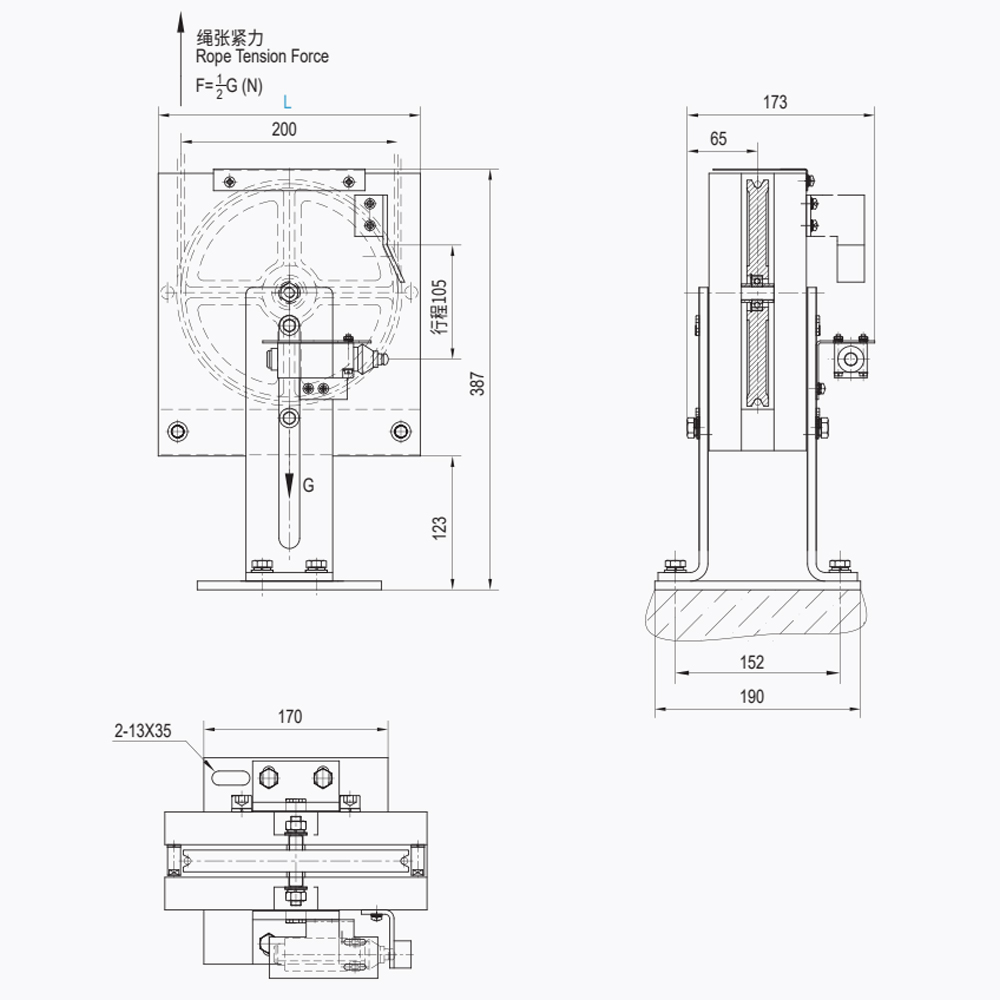
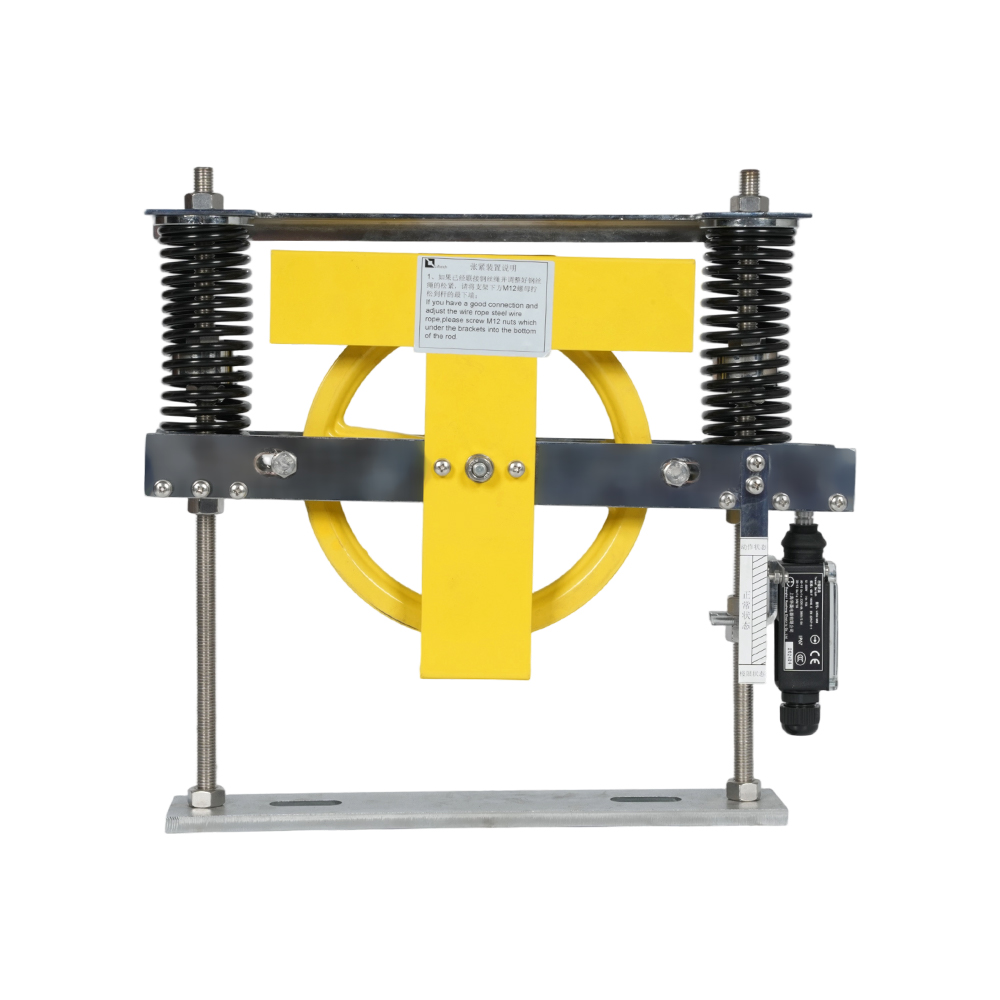
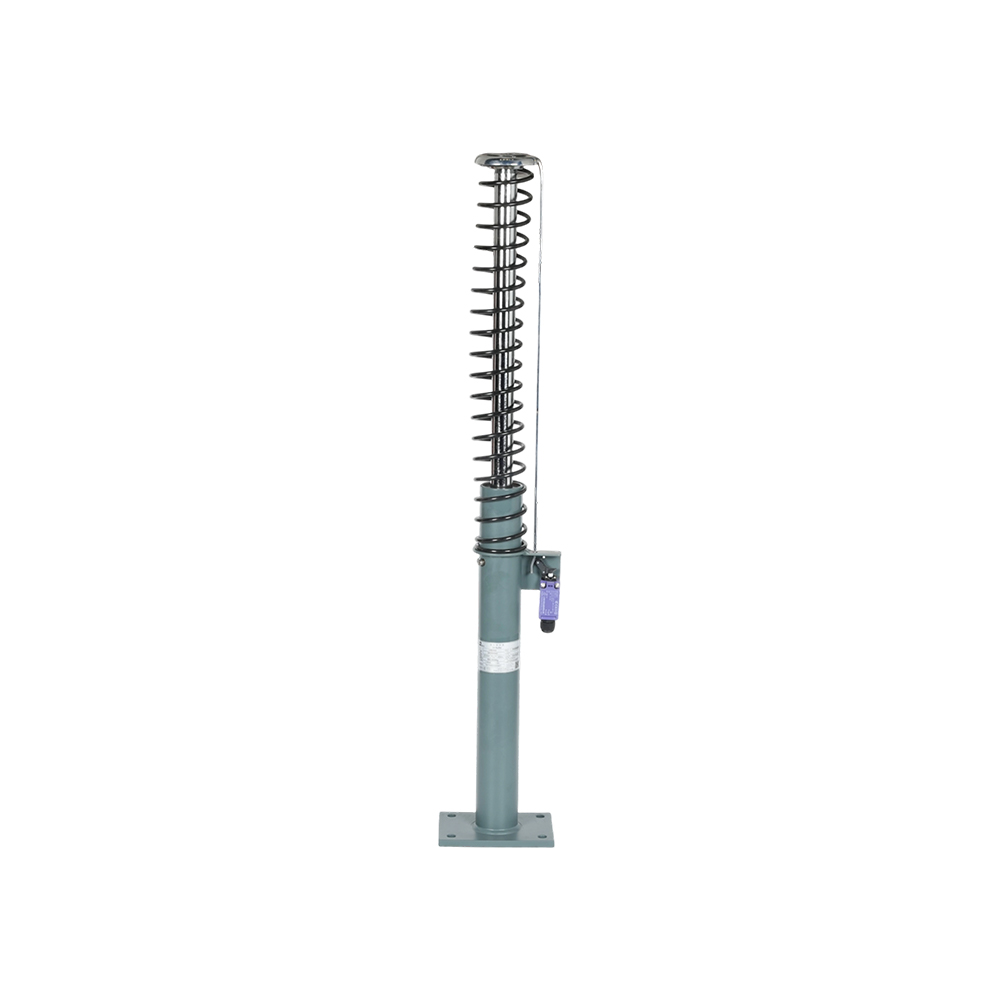
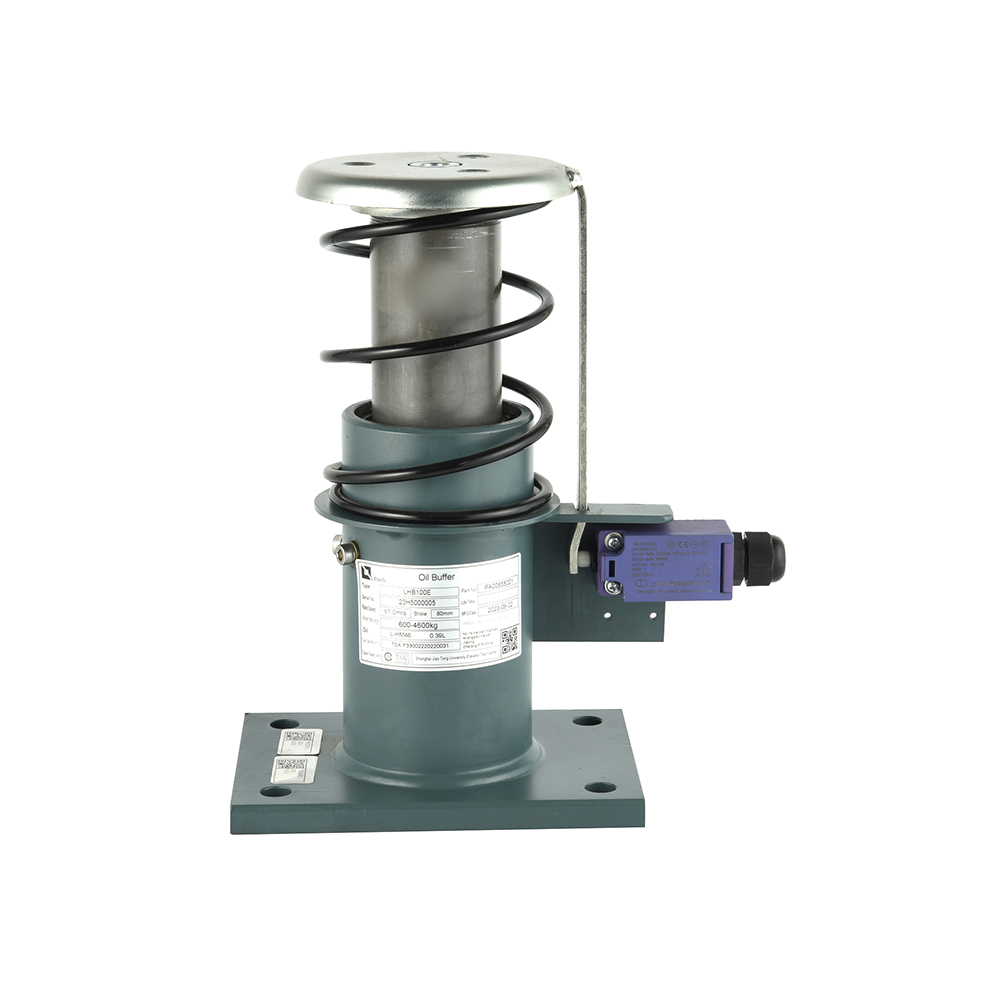
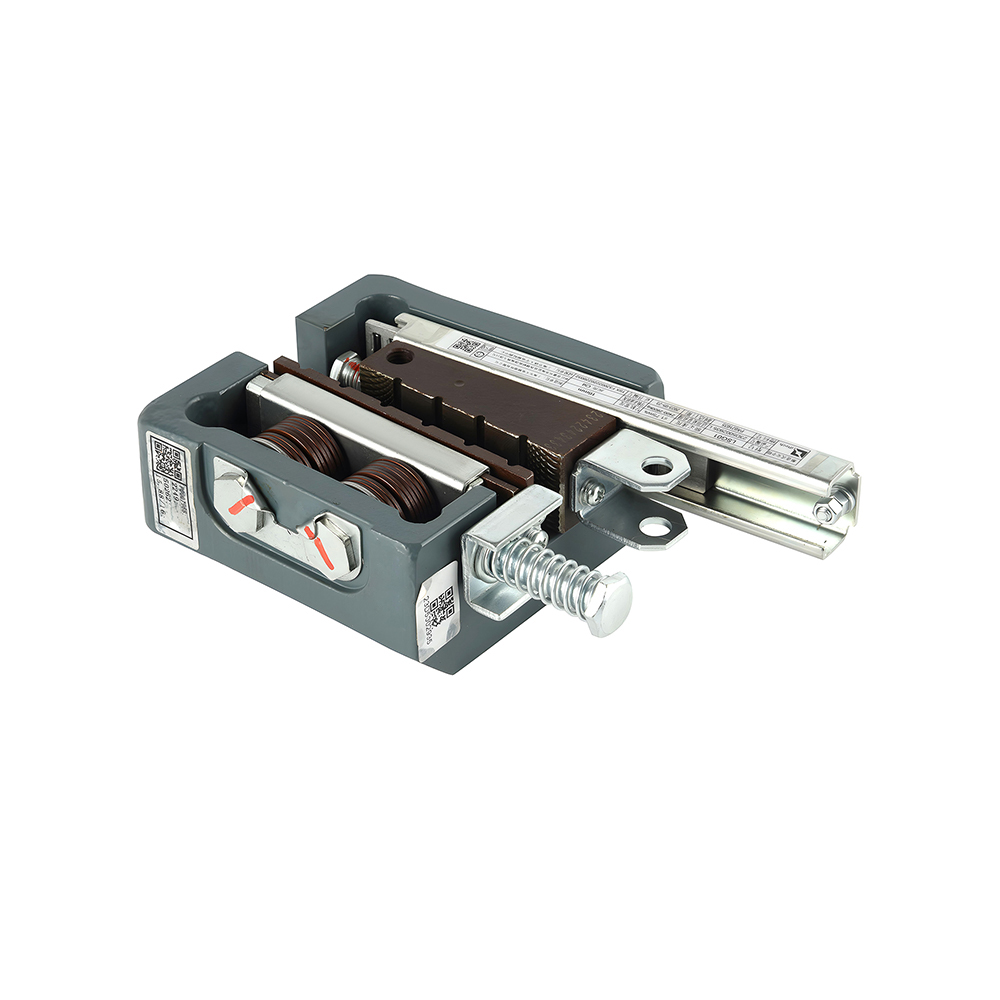
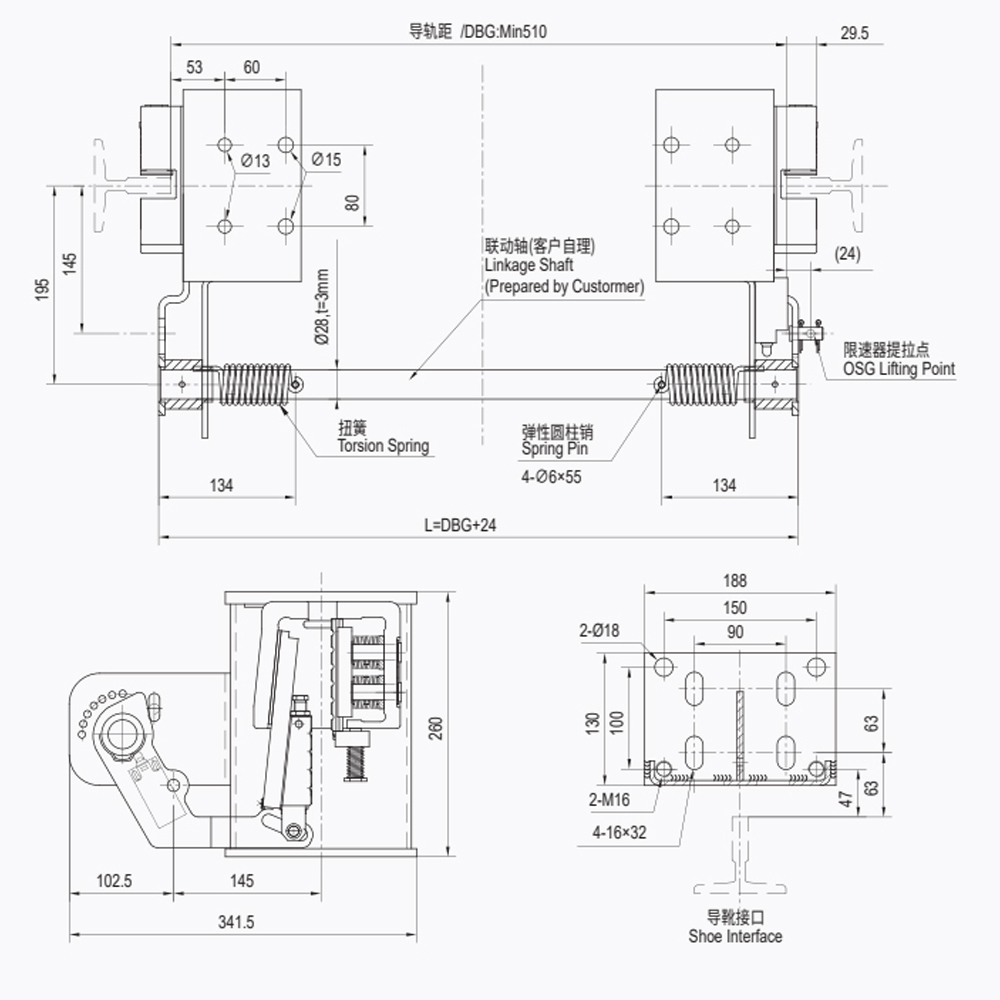
In hygienic-sensitive industries, standard industrial elevator components present a significant contamination risk. Their rough cast surfaces, exposed fasteners, joints, and lubricants can harbor pathogens like Listeria or Salmonella. The aggressive cleaning regimens necessary to maintain hygiene can quickly degrade plated or painted finishes, leading to corrosion that creates even more harborage points. This creates a conflict between operational safety (requiring functional components) and food safety (requiring cleanable, non-contaminating surfaces). Hygienic safety components solve this problem by being designed from the ground up for both mechanical reliability and cleanability. They allow facility managers to meet stringent sanitation protocols without fear of damaging the elevator's safety systems, thereby ensuring both product safety and personnel safety are maintained without compromise.
Food-Grade and Hygienic Elevator Safety Components
-- Steady & Reliable Manufacturer --
Food-grade and hygienic elevator safety components are engineered for environments where sanitation, cleanability, and prevention of microbial growth are paramount, such as food and beverage processing plants, pharmaceutical facilities, and sterile packaging areas. These components go beyond simple corrosion resistance to meet stringent regulatory standards for materials that may come into indirect contact with products or where harsh cleaning chemicals are used daily. The design philosophy eliminates crevices, pockets, and complex geometries where bacteria, mold, or debris can accumulate. Surfaces are smooth, often electropolished, with radii on all corners to facilitate runoff and effective cleaning. Materials are selected not only for corrosion resistance to cleaning agents (chlorine, peracetic acid, caustic sodas) but also for their inertness and compliance with food contact regulations such as FDA CFR 21, EU Regulation 1935/2004, or 3-A Sanitary Standards. This category includes stainless steel safety gears with fully sealed housings, governors with gasketed and washdown-rated enclosures, and buffers with smooth, pit-free exteriors. The integration of these components ensures that the elevator itself does not become a vector for contamination within a controlled hygiene zone, supporting the facility's overall Hazard Analysis and Critical Control Points (HACCP) or Good Manufacturing Practice (GMP) protocols.
Recommended Products
The Key Problem We Solve
Typical Applications
- Meat, poultry, and seafood processing plants (kill floors, processing lines).
- Dairy and beverage facilities (milk, cheese, beer, soft drink production).
- Ready-to-eat meal and bakery product manufacturing.
- Pharmaceutical manufacturing and biotechnology cleanrooms.
- Hospital sterile supply departments and central kitchens.
- Animal feed and pet food production facilities.
Product Advantages
| Material Compliance | Primary material: AISI 316L (low carbon) stainless steel. All seals, gaskets, and non-metallic parts compliant with FDA CFR 21 or EU 10/2011 for food contact. |
| Surface Finish | Surface roughness (Ra) ≤ 0.8 μm, often electropolished to a mirror-like finish for easy cleaning and bacteria shedding. |
| Design for Cleanability (DfC) | Seamless welds ground flush, minimum 3mm radii on all corners, sloped surfaces to prevent pooling, absence of exposed threads and bolt heads. |
| Sealing & Protection | IP69K rating for components subject to high-pressure, high-temperature washdown. Gasketed enclosures, sealed bearings. |
| Lubrication | Use of NSF H1 registered lubricants (food-grade) for any necessary pivots or sliding surfaces, often contained within sealed cavities. |
| Documentation | Supplier Declaration of Conformity to food-grade material regulations; Material Test Certificates specifying low carbon content. |
Selection & Compliance Considerations
Selection must be driven by the specific hygiene zone classification of the elevator location (e.g., splash zone vs. dry production area). The highest level of protection (IP69K, fully electropolished) is needed for areas subject to daily high-pressure washdown with chemicals. Verify that all materials, including paints (if any), gaskets (EPDM, silicone), and lubricants, have the necessary compliance statements. The design should be audited for cleanability: can it be effectively cleaned in 10-15 minutes with standard procedures? Ensure mounting methods (e.g., stainless steel weld plates) also comply and do not create new contamination traps. Compatibility with the facility's cleaning chemicals must be confirmed to avoid stress corrosion cracking in stainless steel.
FAQ
- Q: Why is 316L stainless steel preferred over 304 for food-grade applications? A> AISI 316L contains molybdenum (2-3%), which significantly increases its resistance to chlorides and a wider range of acids, including the harsh cleaning and sanitizing chemicals used in food plants (e.g., chlorine-based sanitizers). The “L” denotes low carbon, which minimizes the risk of chromium carbide precipitation during welding, which can lead to corrosion in the heat-affected zone.
- Q: Can hygienic components be as strong and reliable as standard industrial ones? A> Yes. The core mechanical design and safety principles are identical. The difference is in the material grade, finish, and sealing. 316L stainless steel has excellent mechanical properties. The challenge is in manufacturing—machining and welding 316L to high precision and finish standards is more demanding, which is reflected in the cost, but does not compromise strength or function.
- Q: How do you handle moving parts like safety gear jaws that need to slide? Won't they gall (cold-weld)? A> This is a key engineering challenge. Solutions include: 1) Using specialized, food-approved dry film lubricants (e.g., PTFE-based) on sliding surfaces. 2) Employing composite friction liners made from FDA-compliant materials that slide against the rail, isolating the stainless jaw. 3) Designing the mechanism to use rolling contact instead of sliding where possible. Regular maintenance with food-grade lubricants is also part of the protocol.
About Us
Shanghai Liftech Elevator Accessories Co., Ltd.
Founded in 2004, Shanghai Liftech Elevator Accessories Co., Ltd. is a specialized enterprise dedicated to the R&D, manufacturing, testing, and sales of elevator safety components. With over two decades of sustained development, Liftech has established itself as a leading manufacturer in China's elevator safety sector, providing high-quality products and solutions to a wide range of major elevator brands and engineering clients across domestic and international markets. We are ,China Wholesale Food-Grade and Hygienic Elevator Safety Components Suppliers and Food-Grade and Hygienic Elevator Safety Components OEM/ODM Manufacturers
For over 20 years, LIFTECH (est. 2004) has been a trusted force in the R&D, manufacturing, and full lifecycle support of premium elevator safety components.
Material Selection Guide
| Component & Feature | Hygienic Material & Specification |
| Primary Structural Parts (Housings, Frames) | Material: AISI 316L Stainless Steel, Cold-rolled and annealed for consistency. Finish: Mill finish (2B) for internal areas; Electropolished (Ra ≤ 0.4 μm) for external, cleanable surfaces. Welding: TIG welded with 316L filler rod, welds ground and polished flush to the parent material. |
| Fasteners & Hardware | Bolts/Nuts: A4-80 (316) stainless steel, with dome head or hex-socket heads to avoid dirt traps. Washers/Seals: FDA-compliant EPDM or silicone gaskets; PTFE washers. |
| Wear & Friction Components | Jaw Inserts/Liners: High-performance polymers (e.g., PEEK, UHMW-PE) with FDA compliance or sintered stainless steel composites. Pivot Pins & Bushings: 316 stainless steel with hard chrome plating or nitride treatment for wear resistance, lubricated with NSF H1 grease. |
| Covers & Enclosures | Material: 316L stainless steel sheet. Sealing: Continuous food-grade silicone gasket with quick-release, sanitary clamp or stainless steel latch mechanisms for easy removal during deep cleaning. |

