

 English
 中文简体
中文简体 русский
 Español
 Deutsch


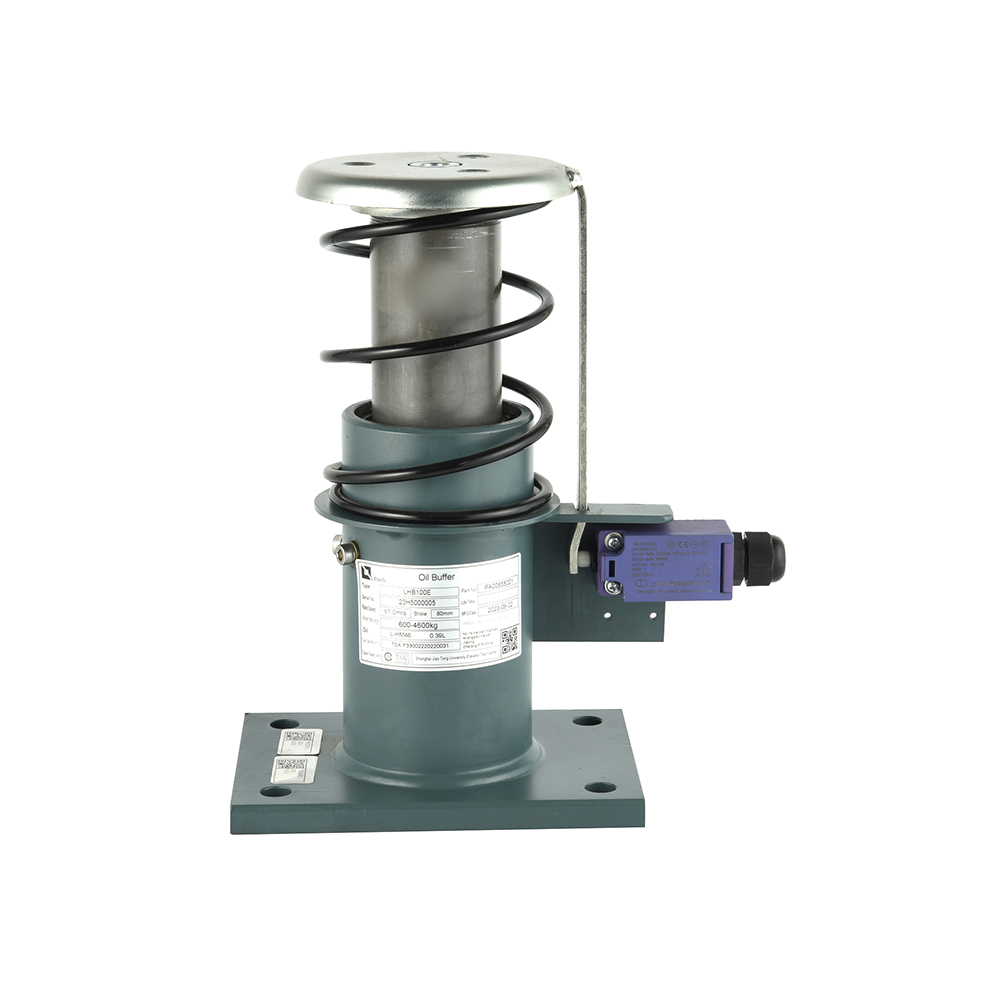
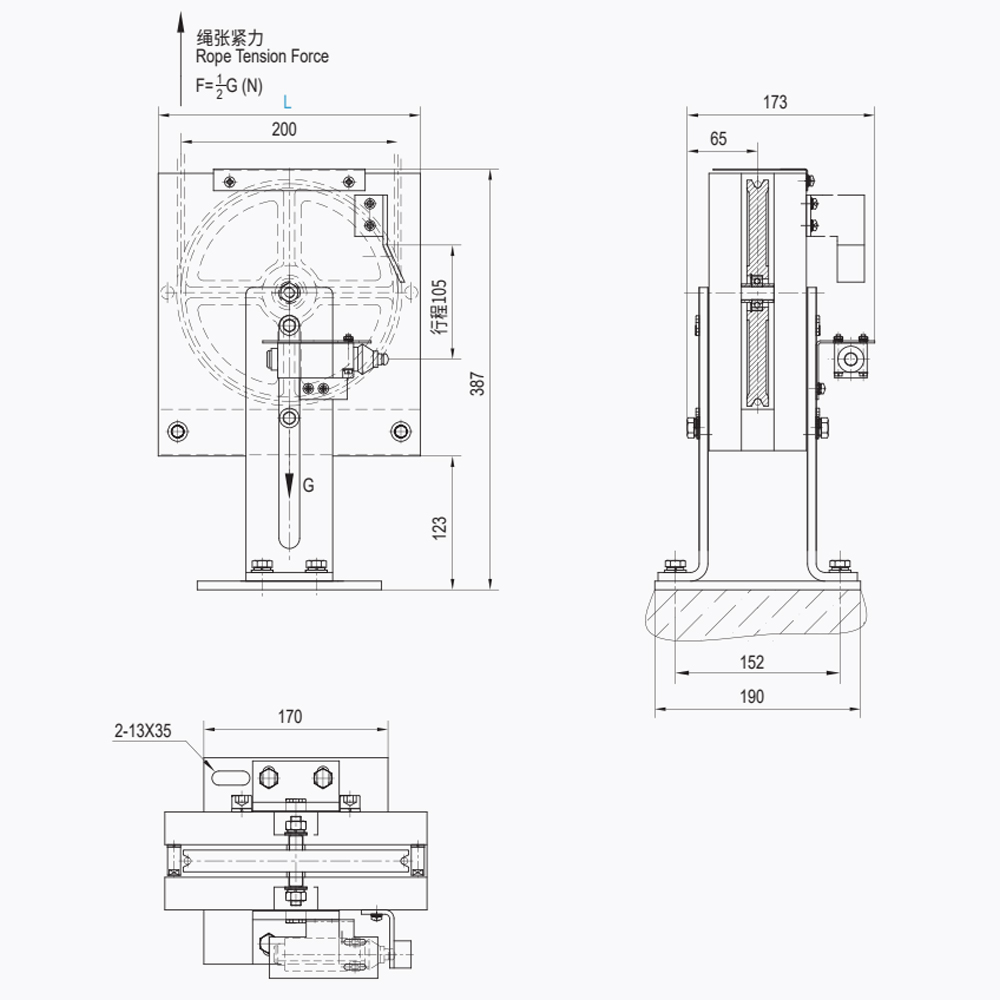
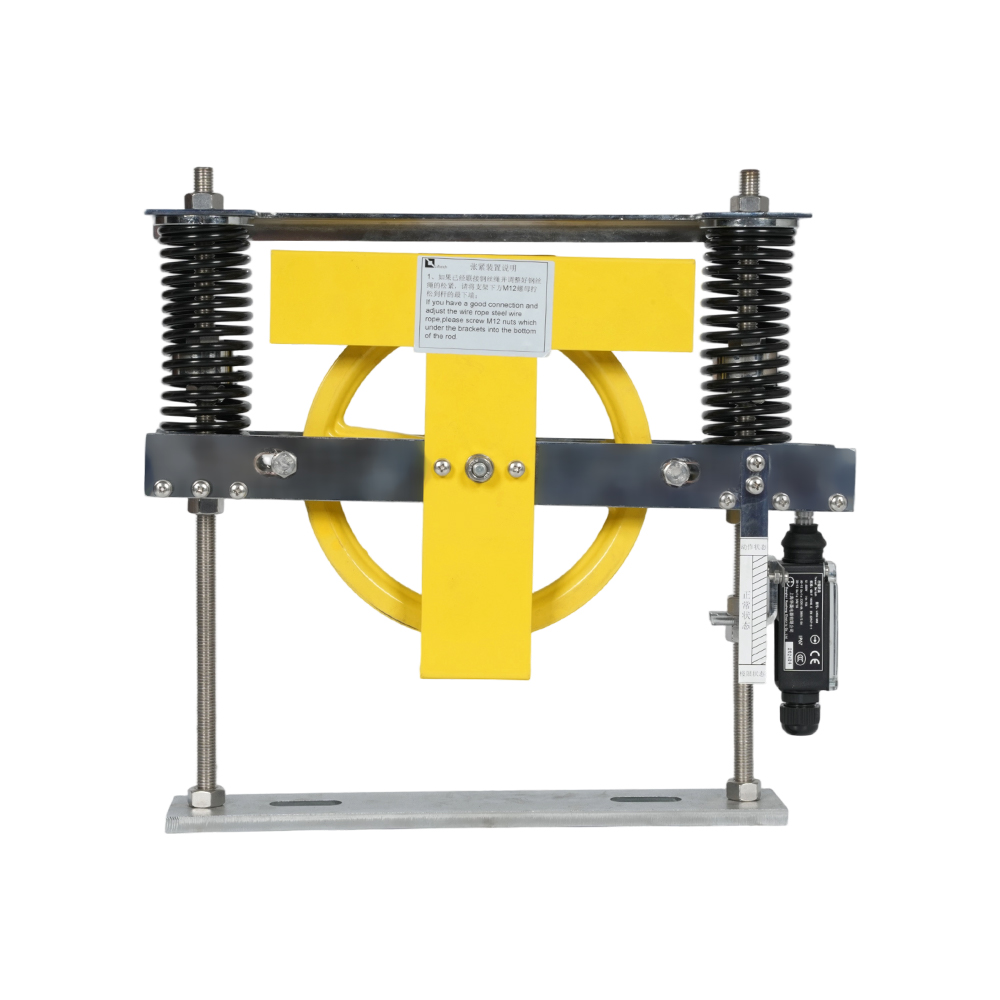
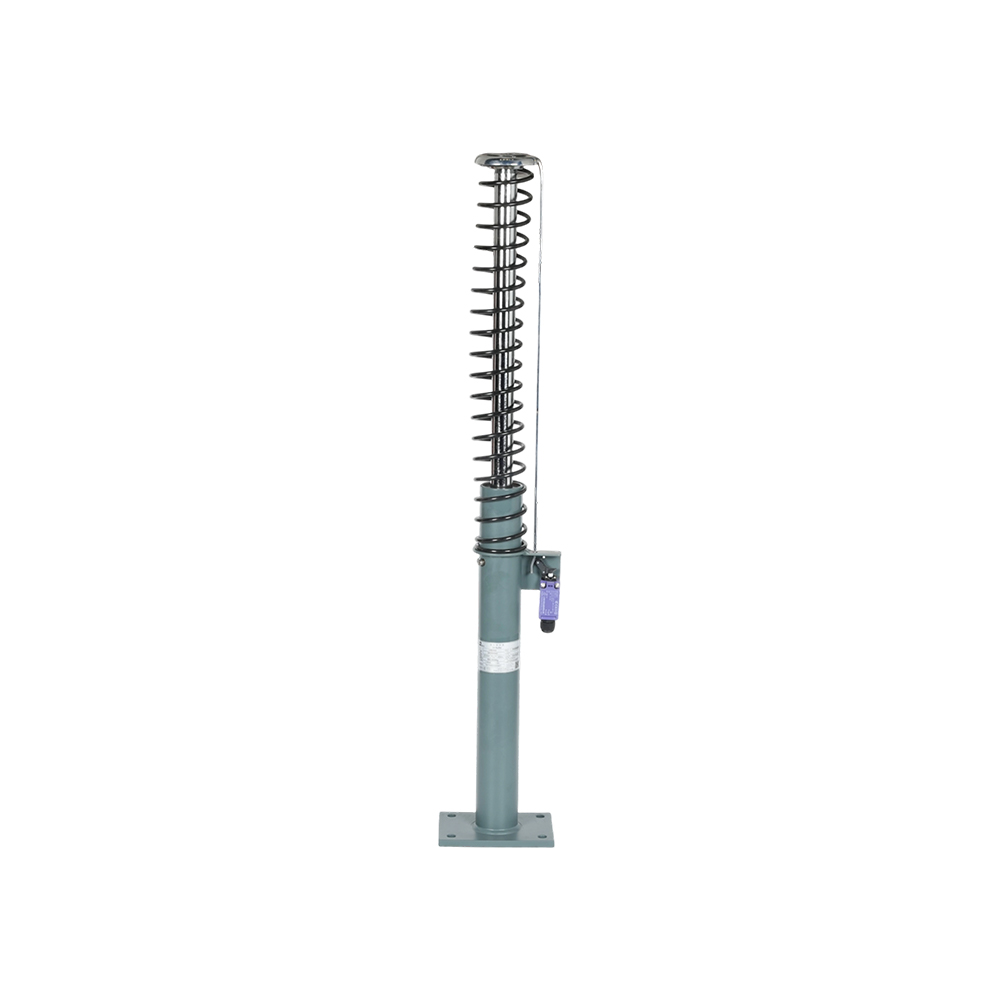
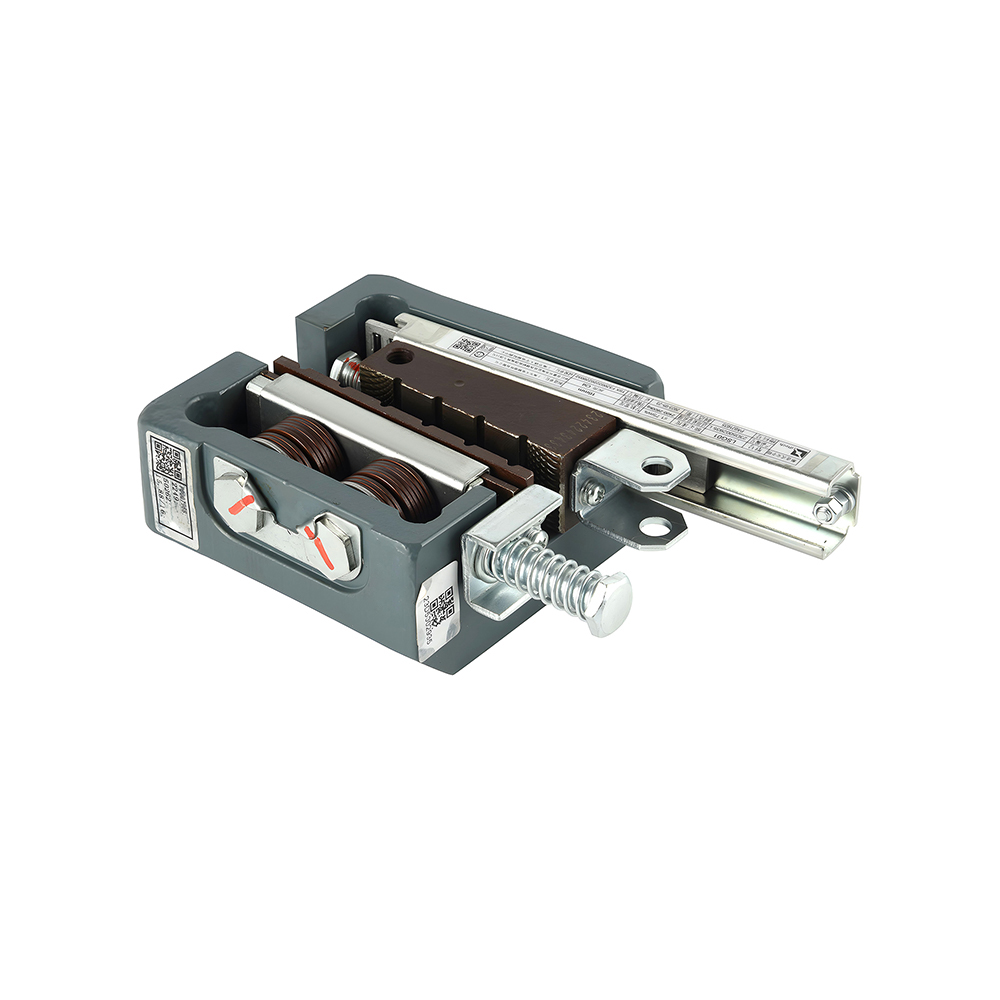
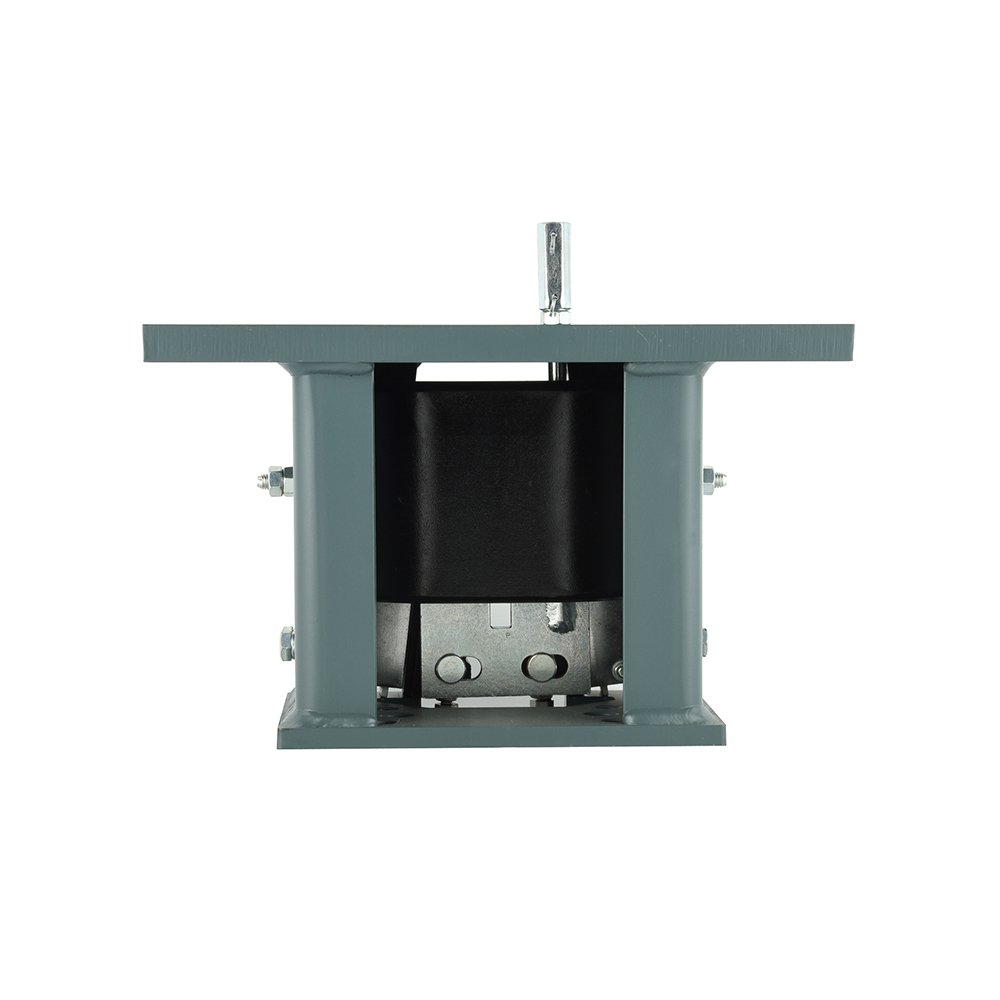
An uncontrolled descending counterweight poses a significant hazard, potentially damaging the pit, sheaves, and ropes, and creating an imbalance that affects car control. Furthermore, poor guidance leads to vibration, noise, and increased wear on ropes and sheaves. Standard car safety gear may not be suitable due to different mass and speed ratios. This category solves these issues by providing components specifically rated and designed for counterweight dynamics, ensuring its travel remains controlled and its guidance is precise.
Counterweight Safety and Guiding Components
-- Steady & Reliable Manufacturer --
The counterweight is a critical mass that balances the elevator car, reducing motor effort. Its safe and stable travel is essential for system efficiency and safety. This category includes components dedicated to the counterweight's guidance, retention, and emergency arrest. Key items are counterweight safety gear (which engages the counterweight guide rails), guiding shoes or rollers, and buffer shoes. While similar in principle to car safety devices, they are engineered for the different mass and dynamic profile of the counterweight assembly.
Recommended Products
The Key Problem We Solve
Typical Applications
- All traction elevator installations with a counterweight.
- High-speed elevators where counterweight dynamics significantly impact ride quality.
- Elevators with roped hydraulic systems (using a counterweight).
- Modernization projects where existing counterweight guidance is worn or noisy.
- Systems where counterweight buffer engagement is a design requirement (based on speed/mass).
- Elevators in seismic zones requiring specific counterweight restraint devices.
Product Advantages
| Counterweight Safety Gear Type | Often instantaneous type, due to counterweight's simpler mass and lack of passengers. |
| Activation Speed | Set relative to counterweight speed, which differs from car speed during imbalance. |
| Guiding Method | Sliding shoes (T-guide, U-guide) or roller guides. |
| Buffer Requirement | Required for counterweights in elevators exceeding certain speeds/energies per code (e.g., EN 81-20). |
| Mass Considerations | Components are designed for the typical counterweight mass (car weight + 40-50% rated load). |
| Key Standards | EN 81-20/50, ASME A17.1 (specific clauses for counterweight safety). |
Selection & Compliance Considerations
Mass and Speed Calculation: The counterweight's mass and its possible overspeed condition (often during a car overload scenario) must be calculated to properly select safety gear and buffers. The counterweight speed can exceed the car's rated speed if the car is heavily loaded and descending.
Guide Rail Compatibility: Counterweight guide rails are often a smaller T-section than car rails. Ensure safety gear and guiding shoes are specified for the exact rail profile (e.g., T50, T75). The rail material and straightness are equally important for smooth guidance.
Lubrication vs. Non-Lubrication: Counterweight guide rails are often non-lubricated to avoid drips. If using sliding shoes, select materials (like composite pads) designed for dry running. Roller guides are preferred for dry or low-maintenance applications but may transmit more noise.
Space in Counterweight Frame: The counterweight frame is typically a simple steel structure. Ensure there is adequate space to mount the safety gear and that the linkage can be installed without interfering with the weight blocks or tension rods.
FAQ
- Q: Is counterweight safety gear always required?
- A: Most modern elevator codes (like EN 81-20) require counterweight safety gear if the elevator speed exceeds 1.0 m/s, or if the kinetic energy of the counterweight exceeds a certain threshold. For slower speeds, it may not be mandatory, but it is often considered good practice for safety and to protect equipment.
- Q: What is the difference between car and counterweight safety gear?
- A: The fundamental principle is the same. The main differences are in the rated mass (counterweight gear is for a specific, usually constant mass), the tripping speed setting (based on counterweight overspeed), and often the design is simpler (instantaneous vs. progressive) since passenger comfort is not a factor. They are not interchangeable.
- Q: How are counterweight guide shoes selected?
- A: Selection is based on rail profile, expected load (mass of counterweight assembly), desired maintenance regime, and noise requirements. Sliding shoes with composite pads are common for low noise and maintenance. Roller guides offer lower friction and are good for high speeds but may require periodic bearing checks. The shoe must be adjustable to take up wear and maintain proper rail clearance.
About Us
Shanghai Liftech Elevator Accessories Co., Ltd.
Founded in 2004, Shanghai Liftech Elevator Accessories Co., Ltd. is a specialized enterprise dedicated to the R&D, manufacturing, testing, and sales of elevator safety components. With over two decades of sustained development, Liftech has established itself as a leading manufacturer in China's elevator safety sector, providing high-quality products and solutions to a wide range of major elevator brands and engineering clients across domestic and international markets. We are ,China Wholesale Counterweight Safety and Guiding Components Suppliers and Counterweight Safety and Guiding Components OEM/ODM Manufacturers
For over 20 years, LIFTECH (est. 2004) has been a trusted force in the R&D, manufacturing, and full lifecycle support of premium elevator safety components.
Material Selection Guide
| Component | Standard Duty | High-Speed / Low Noise | Corrosive Environment (Parking Garage) |
| Safety Gear Wedge/Jaws | Cast Steel, quenched & tempered. | Machined steel with precision ground surfaces. | Stainless steel or coated carbon steel. |
| Guide Shoes (Sliding Type) | Cast Iron shoe with replaceable brass or steel liner. | Aluminum housing with PTFE- or nylon-based composite glide pads. | Stainless steel housing with corrosion-resistant polymer pads. |
| Roller Guides | Steel rollers with sealed ball bearings. | Polyurethane or rubber-tired rollers on precision bearings for vibration damping. | Stainless steel rollers with double-lip sealed bearings. |
| Buffer Shoes (if used) | Hardwood or polyurethane block. | Elastomeric polymer with defined hardness and energy absorption. | Closed-cell foam or synthetic rubber resistant to oil and ozone. |
| Mounting Brackets & Hardware | Mild steel, painted. | Galvanized steel or aluminum. | Hot-dip galvanized or stainless steel hardware. |

