

 English
 中文简体
中文简体 русский
 Español
 Deutsch


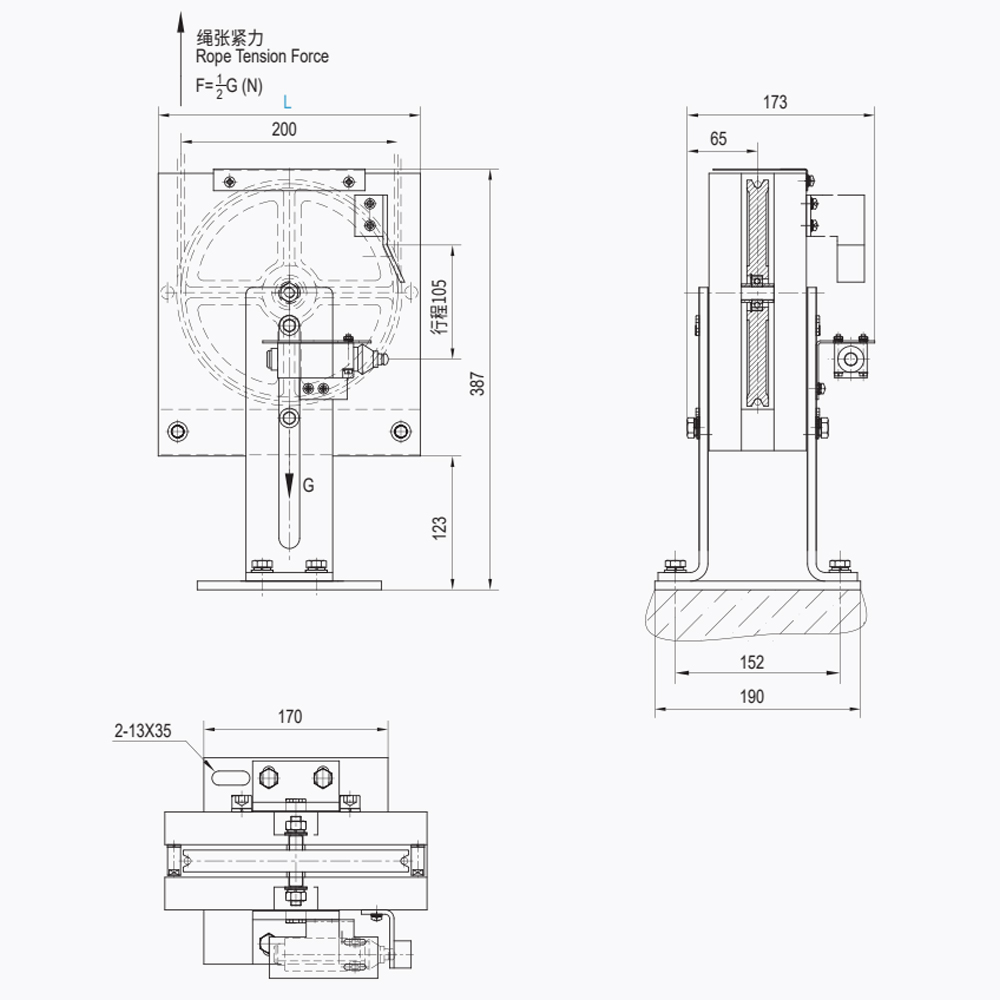
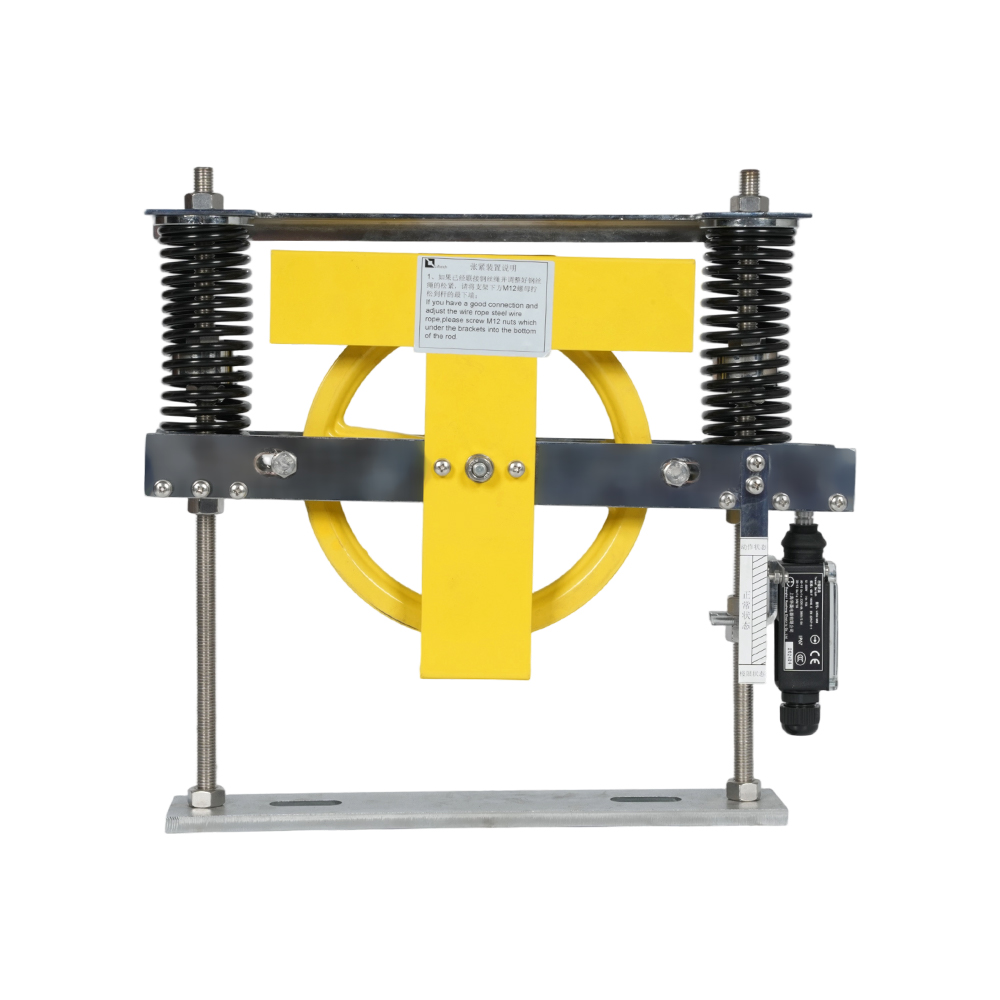
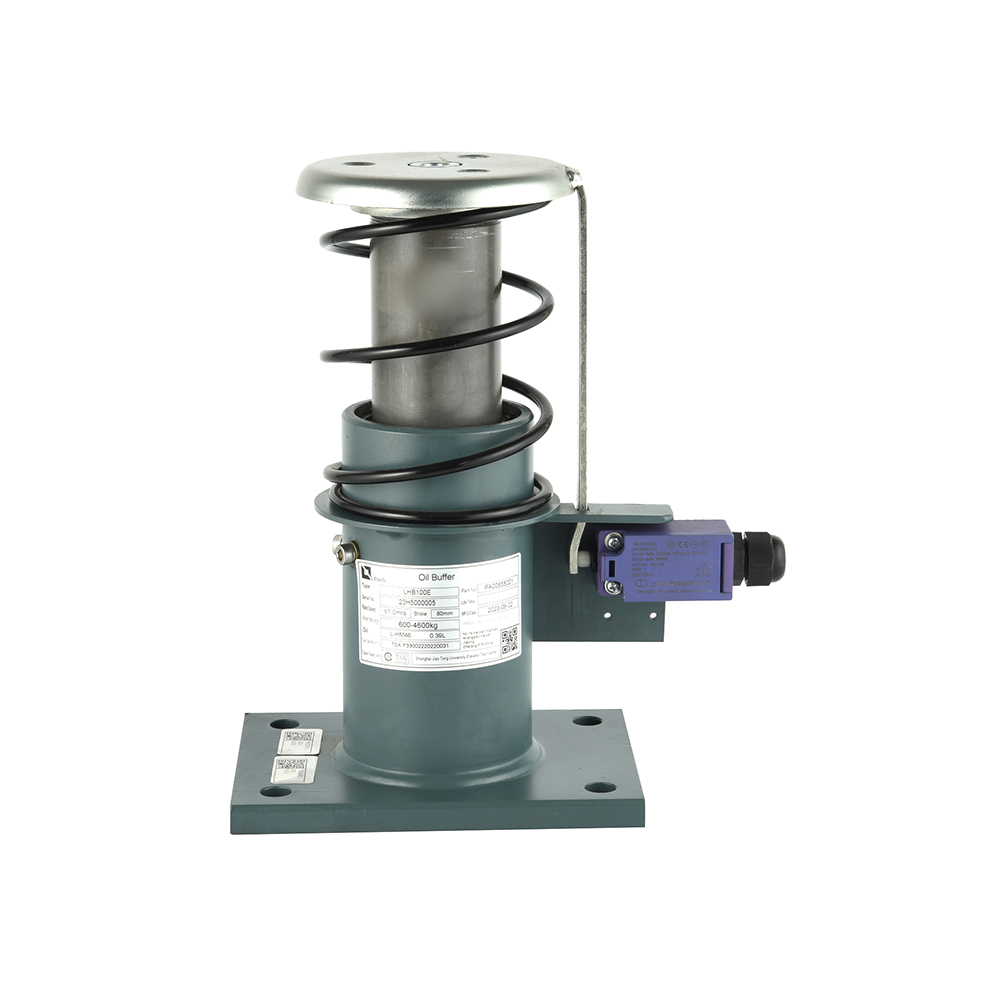
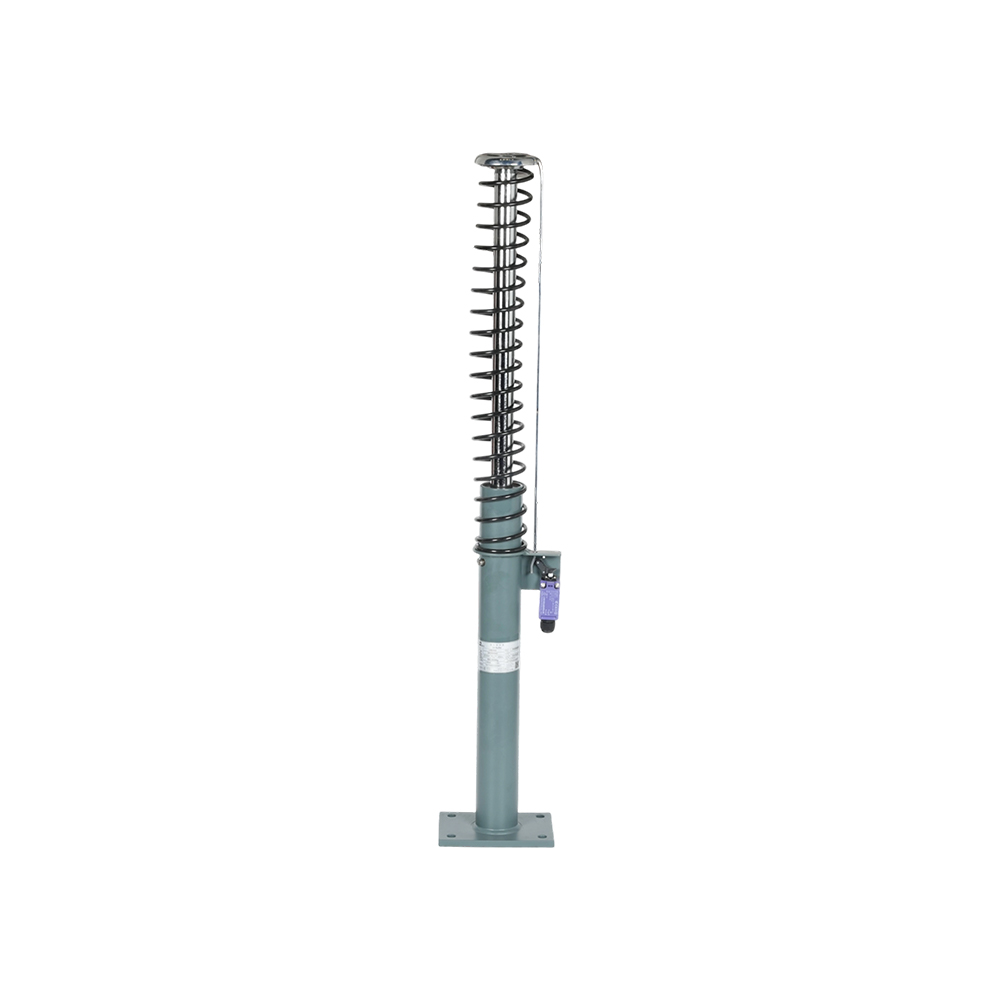
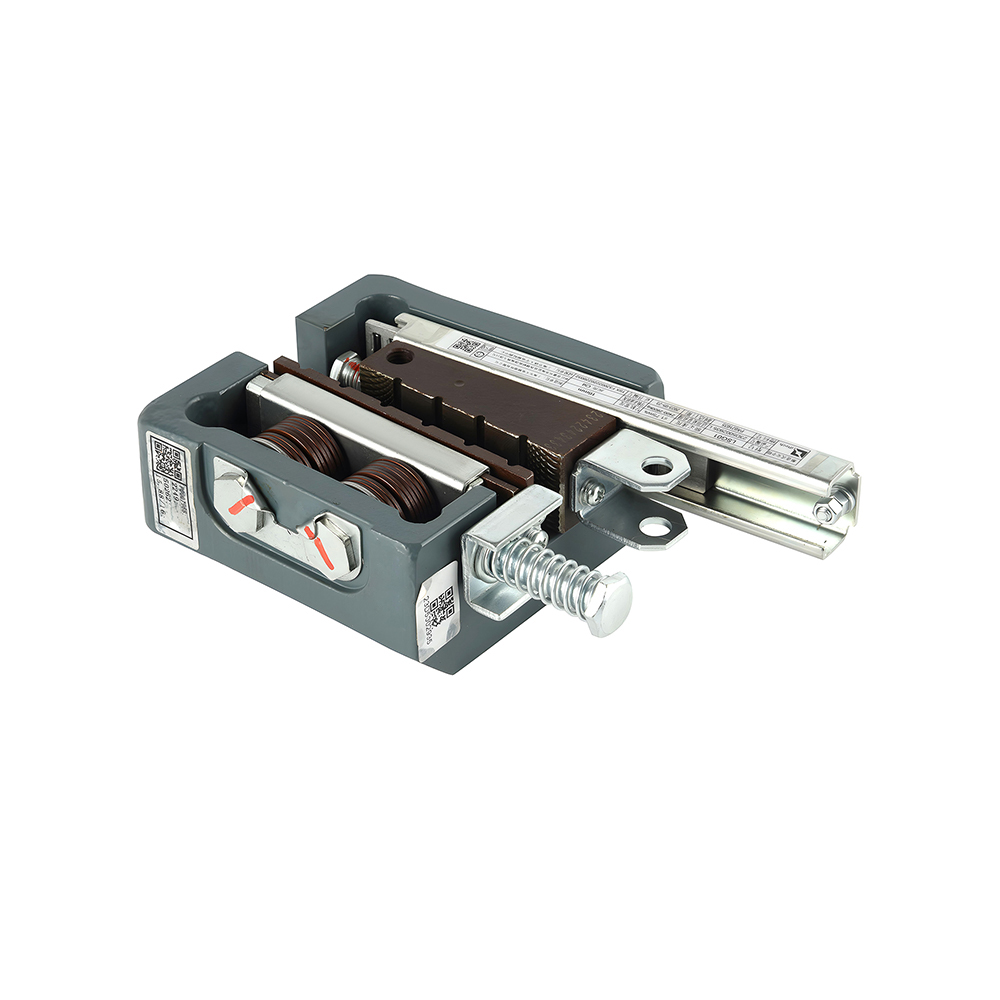
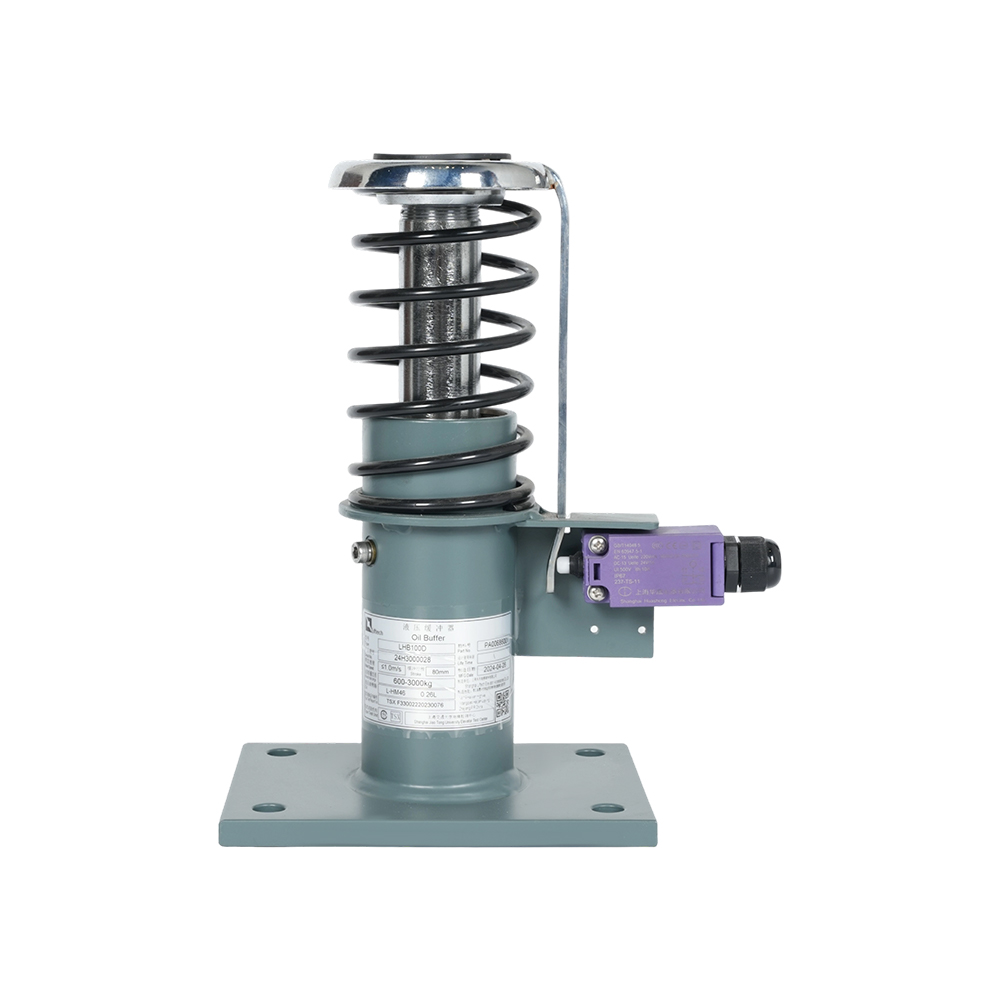
Office building elevators are critical infrastructure. Component failure or extended downtime disrupts business operations, leads to tenant dissatisfaction, and can have significant financial implications for building owners. Standard components may not be optimized for the specific demands of an office environment: the need for rapid handling of morning up-peak and evening down-peak traffic, the constant use throughout the day, and the requirement for a professional, smooth ride quality. The problem is selecting and integrating components that not only meet safety codes but are also over-engineered for durability and performance under commercial loading. Furthermore, maintenance must be predictable and minimally disruptive. Commercial-grade elevator components solve this by offering enhanced cycle life, better thermal management for frequent use, and designs that facilitate proactive maintenance. They address the core need for a transportation system that is both exceptionally safe and operationally transparent, supporting the building's profitability and reputation.
Commercial Office Building Elevator Components
-- Steady & Reliable Manufacturer --
Elevator safety and operational components for commercial office buildings are engineered to meet a distinct set of requirements defined by high-rise structures, dense passenger traffic patterns, extended daily operating hours, and the imperative for maximum uptime and reliability. These systems balance robust safety with the smooth, efficient, and comfortable transport of a large number of passengers. Key characteristics include components rated for medium to high speeds (1.6 m/s to 4.0 m/s and above), designed to handle frequent start-stop cycles with minimal wear; progressive safety gears that provide controlled deceleration essential for passenger comfort during a safety stop; precision governors with high reliability to minimize nuisance trips; and energy-efficient and durable buffers. Beyond the core safety trio, this category also encompasses components that support traffic management systems, such as advanced dispatching controllers, and features that enhance operational efficiency and maintenance, like remote monitoring interfaces and easily accessible components for servicing during off-peak hours. The design ethos prioritizes longevity, with materials and finishes selected to withstand years of heavy use while maintaining performance, and a focus on system-level integration to ensure all parts work in harmony to deliver the seamless vertical transportation expected in a modern corporate environment. The goal is to provide a safety backbone that is utterly reliable yet invisible in its daily operation, supporting the building's core function as a place of business.
Recommended Products
The Key Problem We Solve
Typical Applications
- Mid-rise to high-rise corporate office towers.
- Business parks and multi-tenant commercial buildings.
- Government office buildings and administrative centers.
- Mixed-use developments with significant office components.
- Bank headquarters and financial district buildings.
Product Advantages
| Speed & Load Range | Typical speeds: 1.6 - 4.0 m/s; Loads: 1000kg (13-person) to 2000kg (26-person) standard. |
| Duty Cycle | Rated for Heavy or Intensive Use, capable of 150-300 starts per hour during peak periods. |
| Safety Gear Type | Progressive safety gear, often with features for smooth engagement and easy reset. |
| Governor Features | High-precision, often with encoder feedback for integration with modern control systems and traffic management. |
| Buffer Type | Oil buffers for constant retardation at speeds typically >1.0 m/s, sized for frequent loaded arrivals. |
| System Integration | Components designed to work with destination dispatch or group control systems for optimized traffic flow. |
Selection & Compliance Considerations
Selection must be based on a traffic analysis conducted for the building. Key factors are the number of floors, population density, and expected peak traffic. Components should be selected from manufacturers' commercial/heavy-duty product lines. The safety gear and governor should be a matched set with a proven track record in similar applications. Consider the noise profile of components if machine rooms are adjacent to occupied office space. For buildings aiming for sustainability certifications (LEED, BREEAM), the energy efficiency of the overall drive system is key, but the safety components' reliability contributes to operational sustainability. Ensure the maintenance and inspection requirements align with the building management's capabilities and contracts.
FAQ
- Q: Why are progressive safety gears mandatory for office building passenger elevators? A> Building codes (EN 81-20, ASME A17.1) mandate progressive safety gears for passenger elevators above certain low speeds because they provide a controlled, sliding stop. This limits the deceleration force (G-force) on passengers to a survivable and less traumatic level (typically < 1.0g). An instantaneous stop, as with freight elevator safety gears, would subject passengers to dangerous high-G forces, potentially causing injury. Comfort is also a major factor in a commercial setting.
- Q: How does elevator traffic pattern affect component selection? A> Heavy traffic means more cycles (starts/stops) per day, leading to more wear on mechanical parts. It requires components with a higher duty cycle rating. The frequent loading and unloading also means buffers and guide shoes experience more dynamic activity. Selecting components rated for "intensive use" ensures they are designed with these higher cycle counts in mind, using better bearings, seals, and wear materials.
- Q: Are there specific concerns for machine roomless (MRL) elevators in offices? A> Yes. MRL elevators place the machine and governor in the hoistway. This demands compact, quiet, and highly reliable components that can operate in a less controlled environment (temperature, dust). Accessibility for maintenance is also different. Specifying components specifically designed and certified for MRL applications is crucial. The safety system must be as robust as a traditional MR system but packaged differently.
- Q: What is the typical lifecycle and maintenance schedule for commercial elevator components? td> With proper maintenance, core safety components (safety gear, governor, buffer) can last 20-25 years or more. However, wear parts (liners, bearings, seals) will need replacement more frequently. A comprehensive maintenance contract with monthly or quarterly inspections is standard for commercial buildings. Functional testing of the safety system is mandated annually. Proactive replacement of wear items based on inspection data is more cost-effective than waiting for a failure.
About Us
Shanghai Liftech Elevator Accessories Co., Ltd.
Founded in 2004, Shanghai Liftech Elevator Accessories Co., Ltd. is a specialized enterprise dedicated to the R&D, manufacturing, testing, and sales of elevator safety components. With over two decades of sustained development, Liftech has established itself as a leading manufacturer in China's elevator safety sector, providing high-quality products and solutions to a wide range of major elevator brands and engineering clients across domestic and international markets. We are ,China Wholesale Commercial Office Building Elevator Components Suppliers and Commercial Office Building Elevator Components OEM/ODM Manufacturers
For over 20 years, LIFTECH (est. 2004) has been a trusted force in the R&D, manufacturing, and full lifecycle support of premium elevator safety components.
Material Selection Guide
| Component Family | Commercial-Grade Material & Design Features |
| Progressive Safety Gear | Frame: Fabricated from heavy-gauge steel plate for rigidity under high cycle loads. Wear Parts: Replaceable, high-durability composite friction liners. Spring sets made from vacuum-degassed steel for consistent performance. Lubrication: May include an automatic lubricator for the sliding surfaces to ensure consistent friction and longevity. |
| Overspeed Governor | Construction: Durable cast iron or aluminum housing. Precision-machined sheave balanced for smooth, quiet operation at high speeds. Bearings: High-quality, sealed-for-life bearings to handle continuous rotation. Optional Features: Integrated pulse encoder for speed feedback to the building management or elevator control system. |
| Oil Buffer | Cylinder: Seamless steel tube with a hard-chrome plated inner bore for smooth piston travel and seal life. Piston Rod: Hard-chrome plated and polished to resist corrosion and scoring. Fluid & Seals: High-grade hydraulic fluid with anti-wear additives and temperature-stable seals (e.g., polyurethane). |

