

 English
 中文简体
中文简体 русский
 Español
 Deutsch

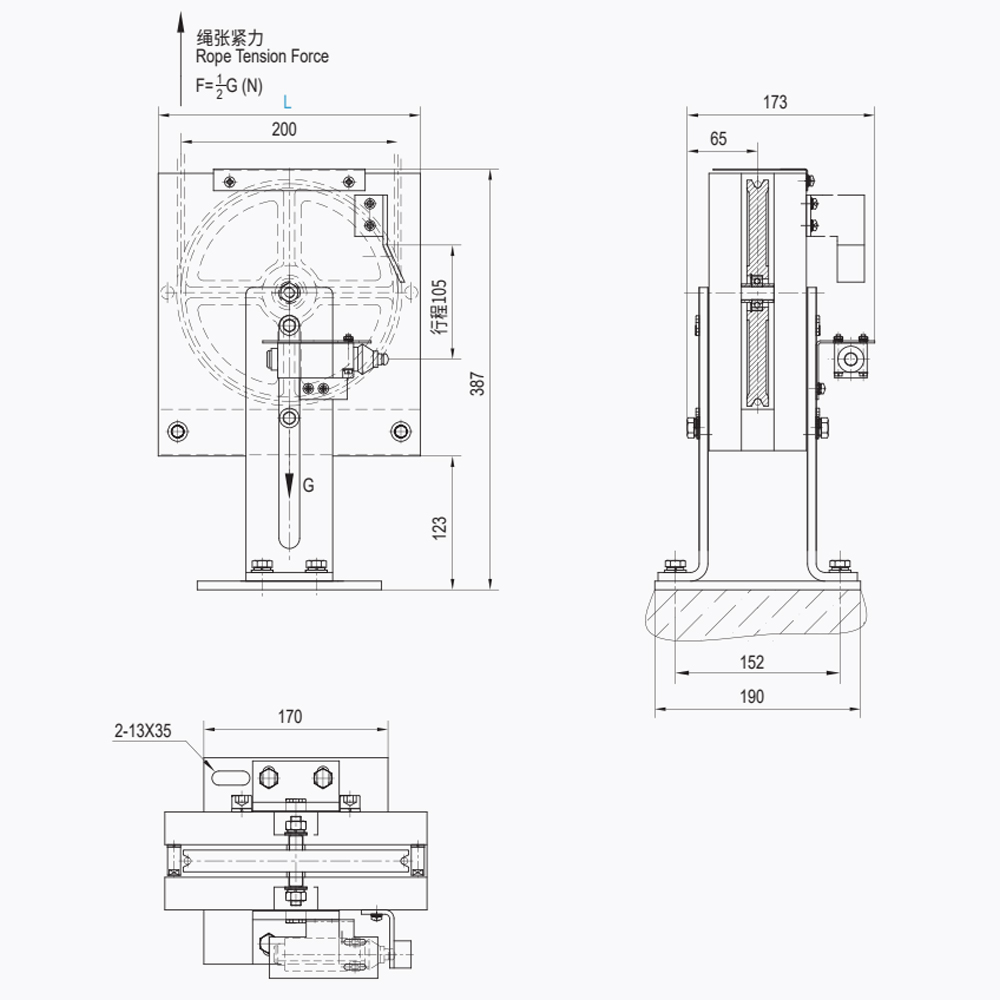
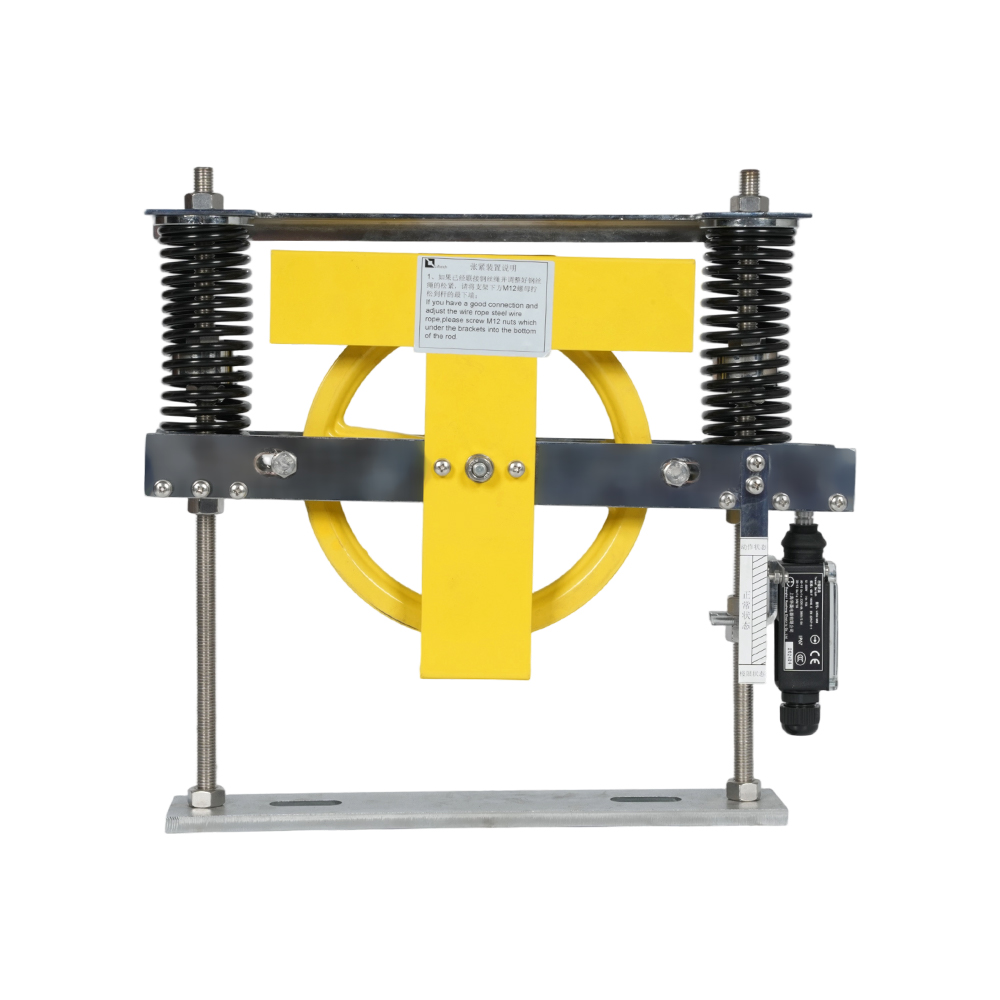
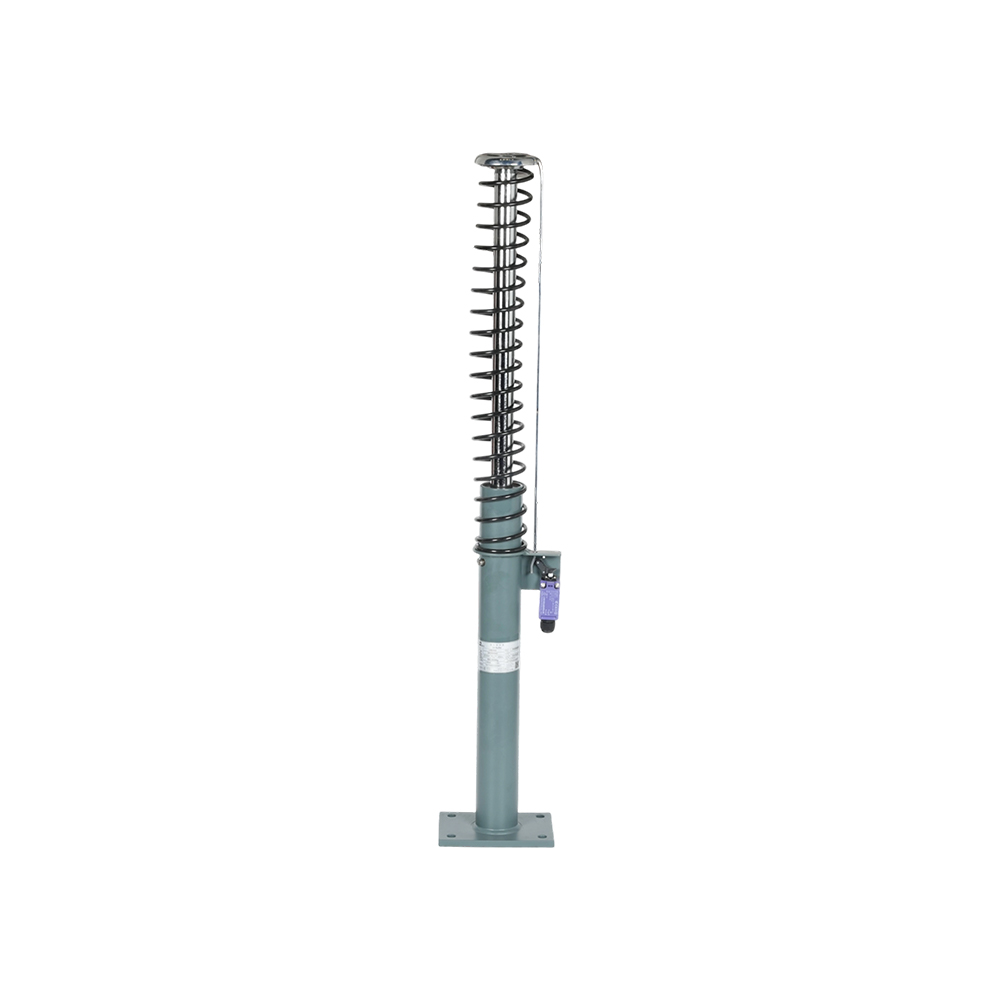
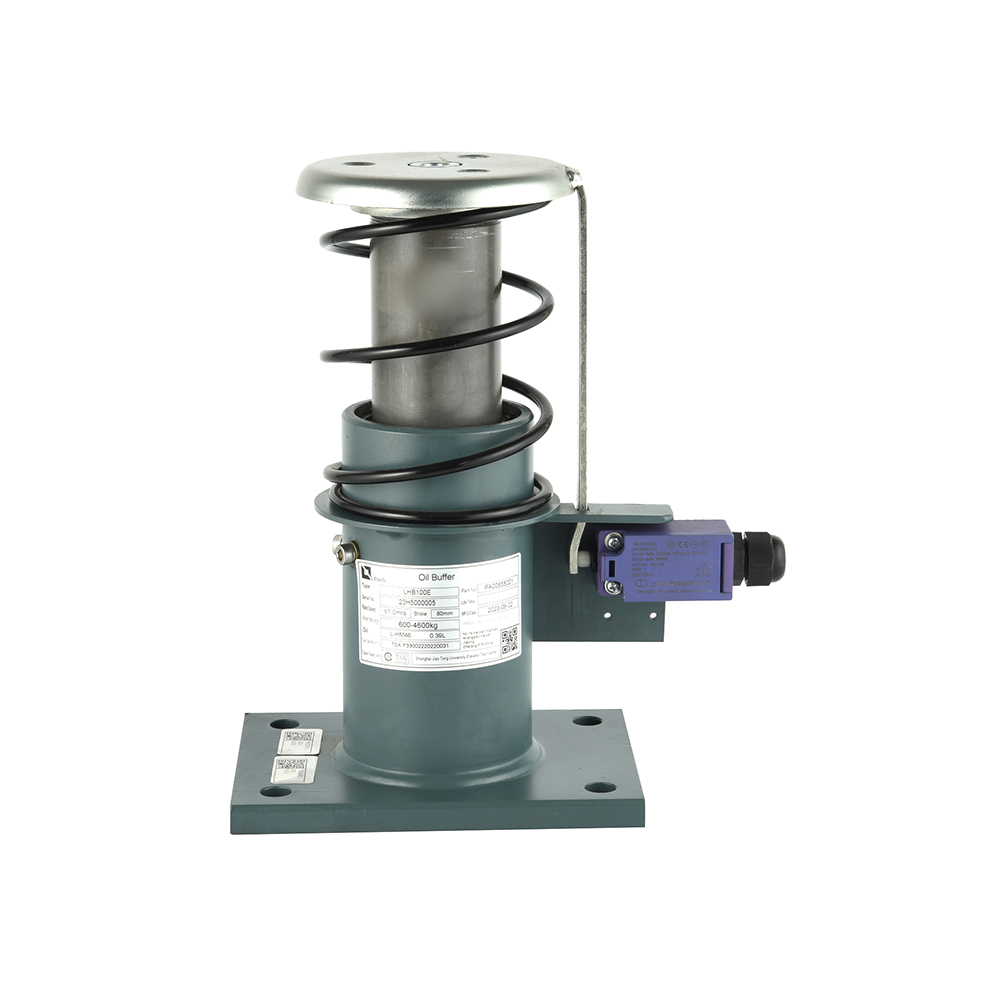
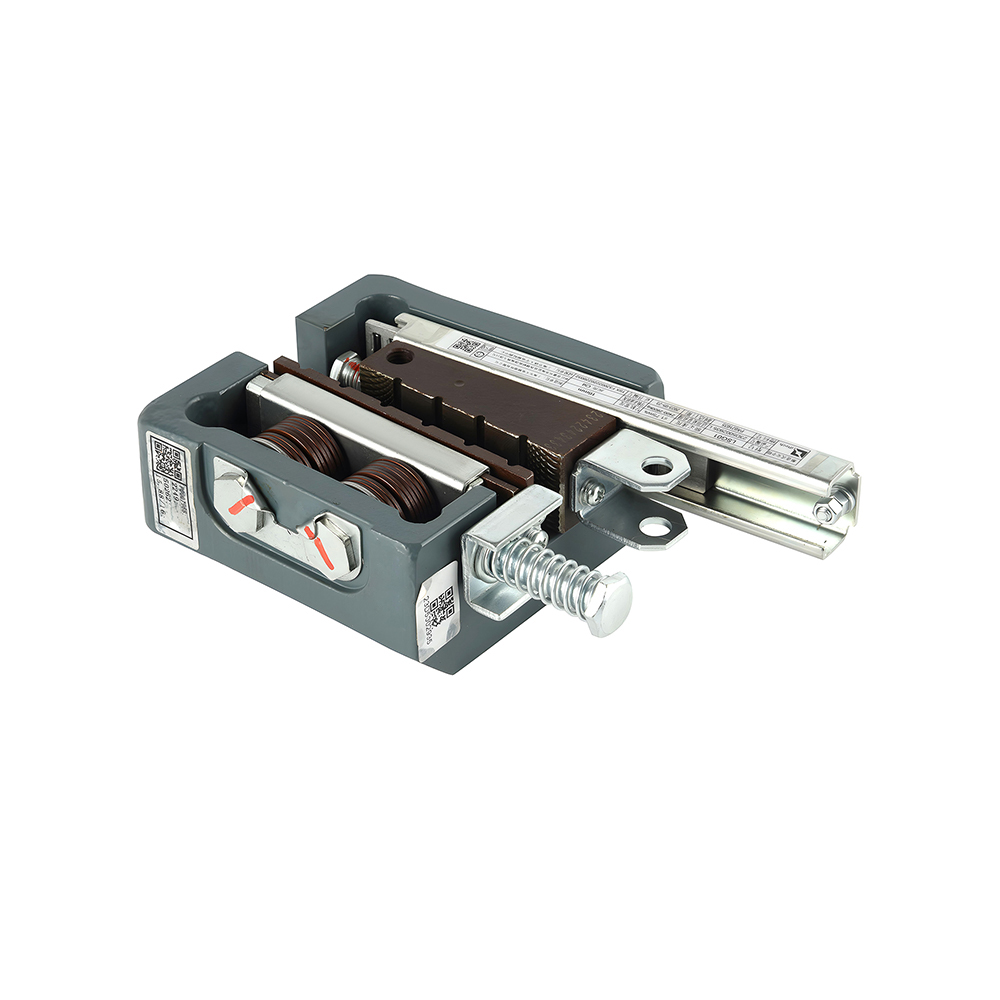
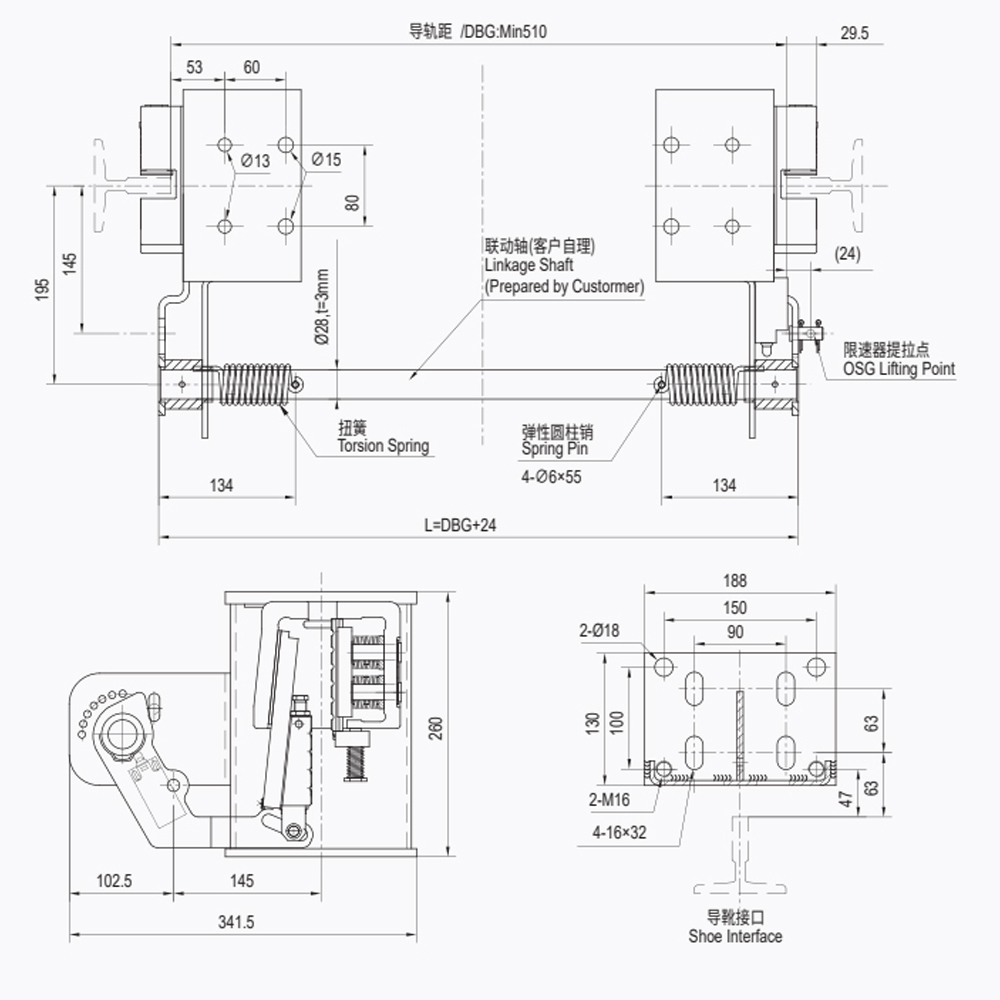
Parking garages are corrosive environments due to salt-laden moisture from vehicles. This causes rapid corrosion of standard carbon steel elevator components. A corroded safety gear may not release or engage smoothly; a seized governor may not trip; a rusted buffer may not compress. Furthermore, the occasional impact from a vehicle backing into guide rails or door frames can misalign components. The result is an elevator whose safety system is silently deteriorating, becoming unreliable just as it is needed. The problem is that standard "commercial" elevator components have a lifecycle that is drastically shortened in this aggressive atmosphere, leading to frequent breakdowns, high maintenance costs, and latent safety risks. Parking garage elevator safety components solve this by using materials and construction methods borrowed from heavy industrial and marine applications. They fight corrosion at a fundamental level, using galvanic protection and inert materials, and are built tough to shrug off minor impacts. This extends the service life of the safety system, reduces lifecycle costs, and, most importantly, maintains a high level of safety assurance in an environment where elevators are crucial for user convenience and accessibility.
Parking Garage Elevator Safety Components
-- Steady & Reliable Manufacturer --
Parking garage elevator safety components are engineered to withstand the exceptionally harsh and abusive environment typical of multi-story parking structures. These environments are characterized by exposure to road de-icing salts and chlorides in winter, high humidity and condensation, abrasive dirt and dust, wide temperature swings, and a high probability of impact from vehicles or loading equipment. Standard components corrode rapidly under these conditions, leading to seized mechanisms and premature failure. Garage-specific safety systems address this through a focus on extreme corrosion resistance and physical robustness. This involves the use of hot-dip galvanized or stainless steel for all structural parts and fasteners; sealed bearings and pivot points to keep out contaminants; heavy-duty, abrasion-resistant finishes on buffers and housings; and designs that minimize exposed linkage or protect it with covers. Safety gears may be of a more robust instantaneous or heavy-duty progressive type to handle potential overloading from vehicles. The governing philosophy is to sacrifice nothing in terms of safety performance while dramatically increasing the component's resilience to environmental degradation and physical abuse, ensuring the elevator remains safe and operational with minimal maintenance in a setting that is arguably one of the most challenging for any vertical transportation equipment.
Recommended Products
The Key Problem We Solve
Typical Applications
- Public and private multi-story parking garages and parkades.
- Parking structures for airports, stadiums, shopping malls, and hospitals.
- Automated parking systems and vehicle stackers.
- Service elevators in parking garages for maintenance and disabled access.
- Mixed-use buildings with integrated parking towers.
Product Advantages
| Corrosion Protection Standard | Hot-dip galvanizing to ASTM A123 or equivalent; use of ASTM A153 for fasteners. Stainless steel (304 or 316) options. |
| Sealing & Environmental Protection | IP65/IP66 ratings for electrical components; sealed bearings and greased-for-life pivot points. |
| Physical Protection | Heavy-gauge steel construction, protective bumpers or guards on vulnerable components (e.g., buffer sides). |
| Lubrication | Use of corrosion-inhibiting, moisture-resistant greases. |
| Maintenance Intervals | Designed for longer intervals between service in harsh conditions, but with easy access for cleaning and inspection. |
Selection & Compliance Considerations
For parking garage applications, specify hot-dip galvanized (HDG) as a minimum for all steel components. For severe coastal environments or where salt use is heavy, consider stainless steel (316). Verify that the galvanizing process covers all surfaces, including internal threads—this may require special dipping techniques. Ensure all fasteners are equally protected (e.g., hot-dip galvanized or stainless). Governors should have fully gasketed housings. Buffers should have a robust exterior coating over the cylinder. Consider specifying an extra layer of protective paint over the galvanizing for added durability and aesthetics. During installation, any field welding or cutting that damages the galvanizing must be repaired with a zinc-rich paint rated for the same protection.
FAQ
garage applications, specify hot-dip galvanized (HDG) as a minimum for all steel components. For severe coastal environments or where salt use is heavy, consider stainless steel (316). Verify that the galvanizing process covers all surfaces, including internal threads—this may require special dipping techniques. Ensure all fasteners are equally protected (e.g., hot-dip galvanized or stainless). Governors should have fully gasketed housings. Buffers should have a robust exterior coating over the cylinder. Consider specifying an extra layer of protective paint over the galvanizing for added durability and aesthetics. During installation, any field welding or cutting that damages the galvanizing must be repaired with a zinc-rich paint rated for the same protection.
- Q: Is powder coating sufficient for parking garage elevators? A> Powder coating alone is generally not sufficient as the primary corrosion protection in a chloride-rich environment like a parking garage. If the coating is scratched or chipped (likely from impact or abrasion), moisture and salts can reach the steel and cause undercutting corrosion. Hot-dip galvanizing provides sacrificial anode protection, meaning the zinc will corrode preferentially to protect the steel even if scratched. A best practice is HDG + a powder coat top layer for maximum durability and appearance.
- Q: How do we protect the guide rails from corrosion? A> Guide rails are a separate system but critical. They are typically supplied with a mill oil coating that provides short-term protection. For garages, they should be cleaned and painted with a high-solids epoxy or other durable coating after installation. Some projects specify stainless steel guide rails for the lowest few floors where salt splash is worst. Regular cleaning of the rails is also important maintenance.
- Q: Are there special considerations for the elevator pit in a garage? A> Yes. Pits in garages are notorious for collecting water, salt, and debris. The pit should have a proper drain. Buffers and other pit equipment must have the highest level of corrosion protection. Consider using buffers with stainless steel cylinders. Pit access doors should be well-sealed to prevent road spray from entering the hoistway.
- Q: Can we use aluminum components to avoid rust? A> Aluminum can be used for non-structural parts like covers or sheaves because it forms a protective oxide layer. However, for high-strength structural parts (safety gear jaws, levers), steel is necessary. Aluminum also has a different galvanic potential than steel; if they are in electrical contact in a wet, salty environment, it can accelerate corrosion of the aluminum (galvanic corrosion). Careful isolation is needed.
About Us
Shanghai Liftech Elevator Accessories Co., Ltd.
Founded in 2004, Shanghai Liftech Elevator Accessories Co., Ltd. is a specialized enterprise dedicated to the R&D, manufacturing, testing, and sales of elevator safety components. With over two decades of sustained development, Liftech has established itself as a leading manufacturer in China's elevator safety sector, providing high-quality products and solutions to a wide range of major elevator brands and engineering clients across domestic and international markets. We are ,China Wholesale Parking Garage Elevator Safety Components Suppliers and Parking Garage Elevator Safety Components OEM/ODM Manufacturers
For over 20 years, LIFTECH (est. 2004) has been a trusted force in the R&D, manufacturing, and full lifecycle support of premium elevator safety components.
Material Selection Guide
| Component | Parking Garage Material & Protection Strategy |
| Safety Gear & Governor Housings/Frames | Base Material: Carbon steel (S235JR/S355JR). Protection: Hot-dip galvanized after fabrication (post-galvanizing) to a minimum thickness of 85μm. All internal surfaces and threads are coated. |
| All Fasteners (Bolts, Nuts, Pins) | Material/Coating: Hot-dip galvanized per ASTM A153, or stainless steel A4-80 (316). Avoid electroplated zinc due to risk of hydrogen embrittlement and thinner coating. |
| Buffer Exterior | Cylinder: Steel tube, hot-dip galvanized. Piston Rod: Stainless steel (304 or 316) or hard-chrome plated steel with an additional protective top coat. Mounting Hardware: Stainless steel. |
| Linkage Rods & Levers | Material: Steel rod, hot-dip galvanized. Clevis ends and pivot points are pre-greased with corrosion-inhibiting grease and sealed with boots or caps where possible. |

