

 English
 中文简体
中文简体 русский
 Español
 Deutsch


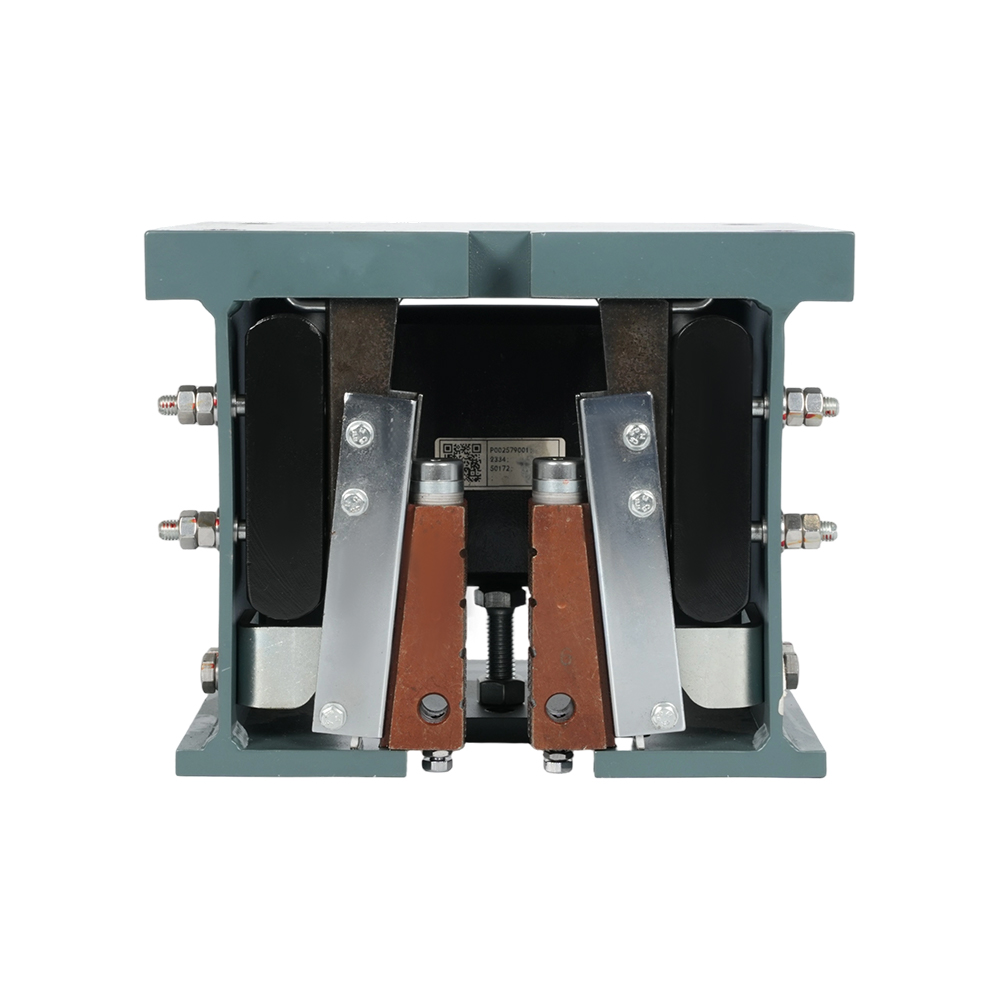
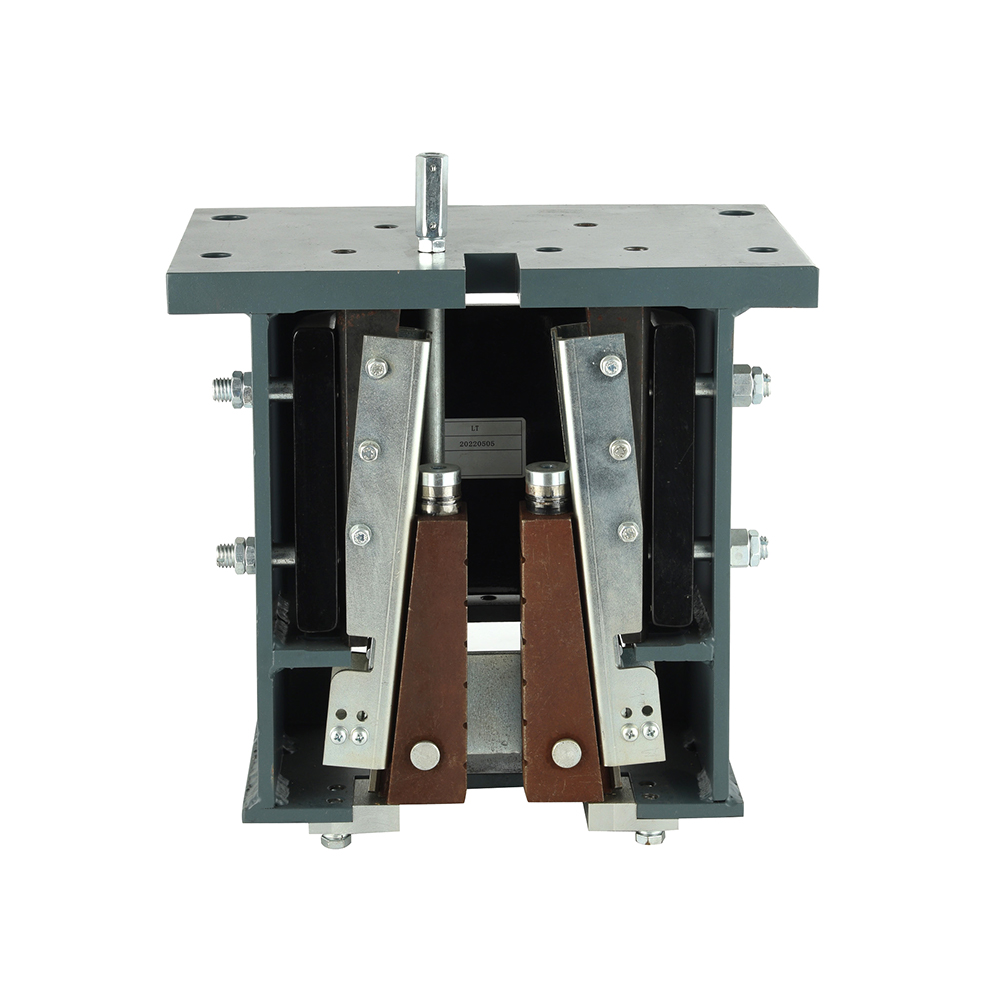
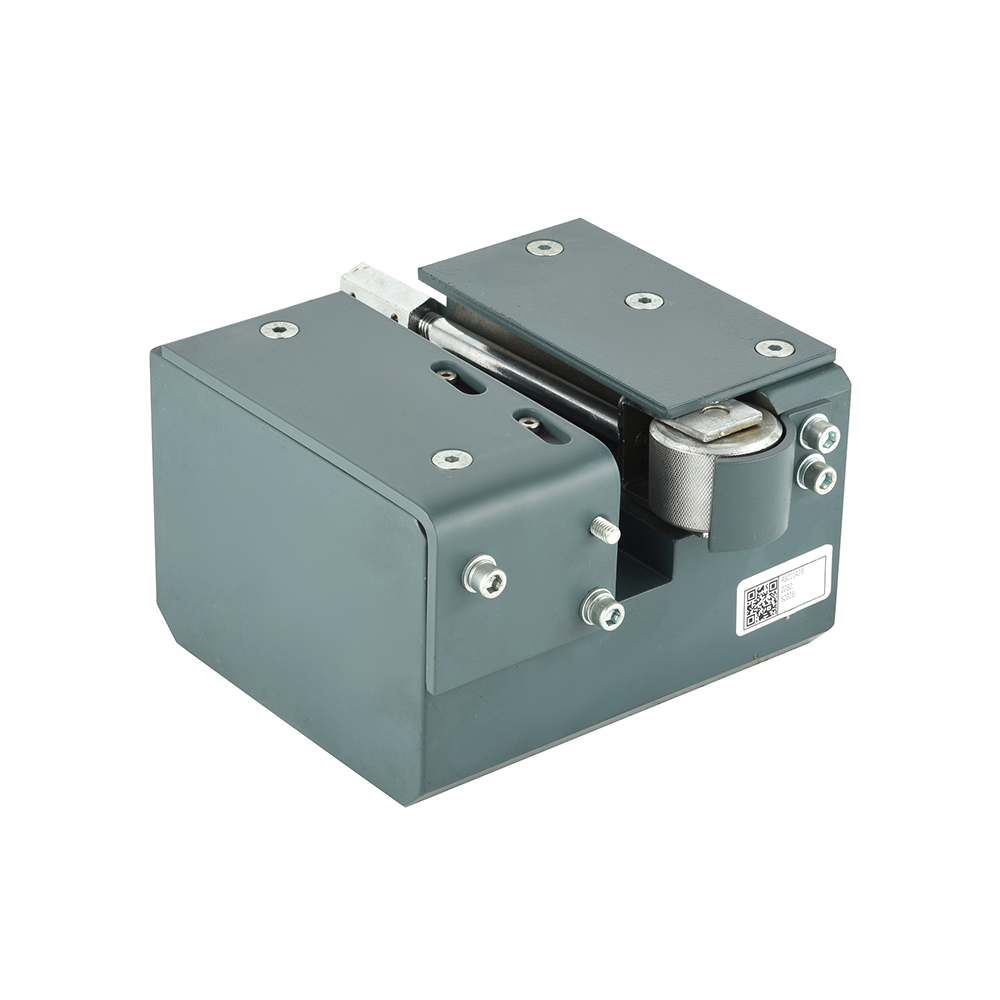
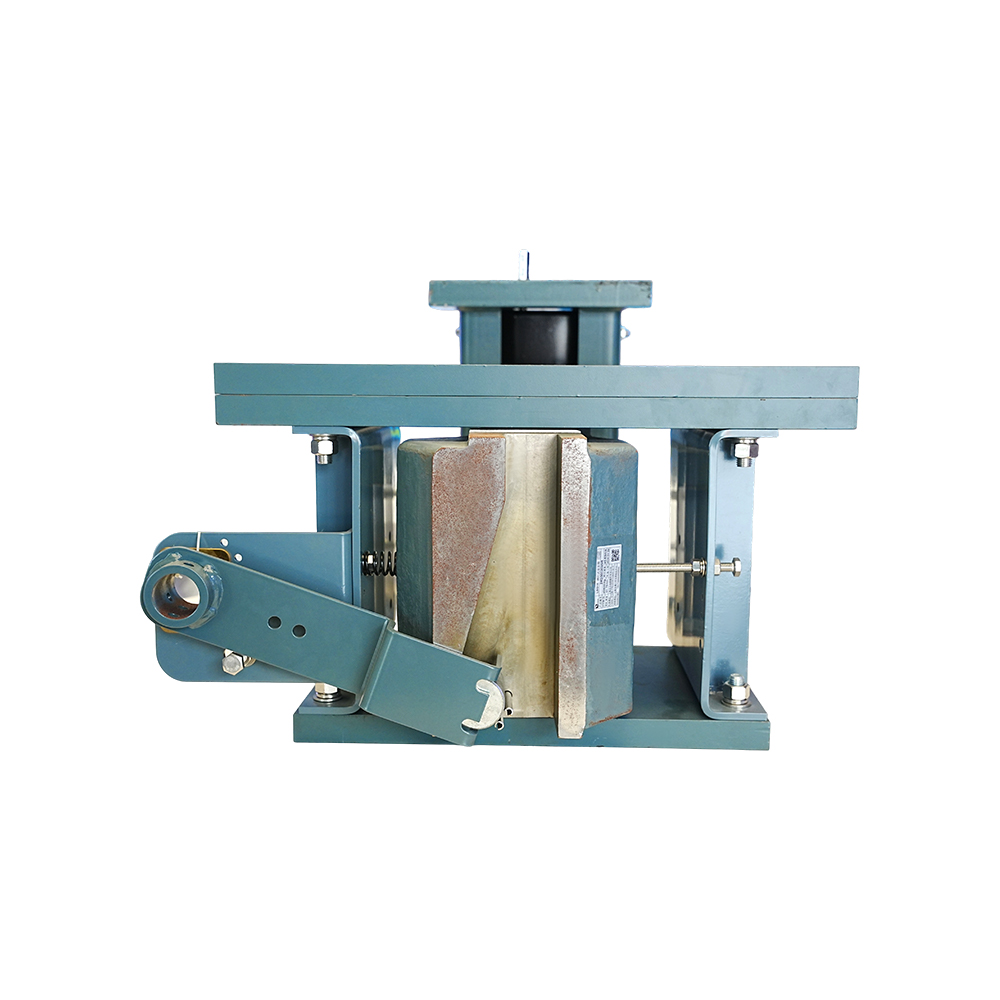
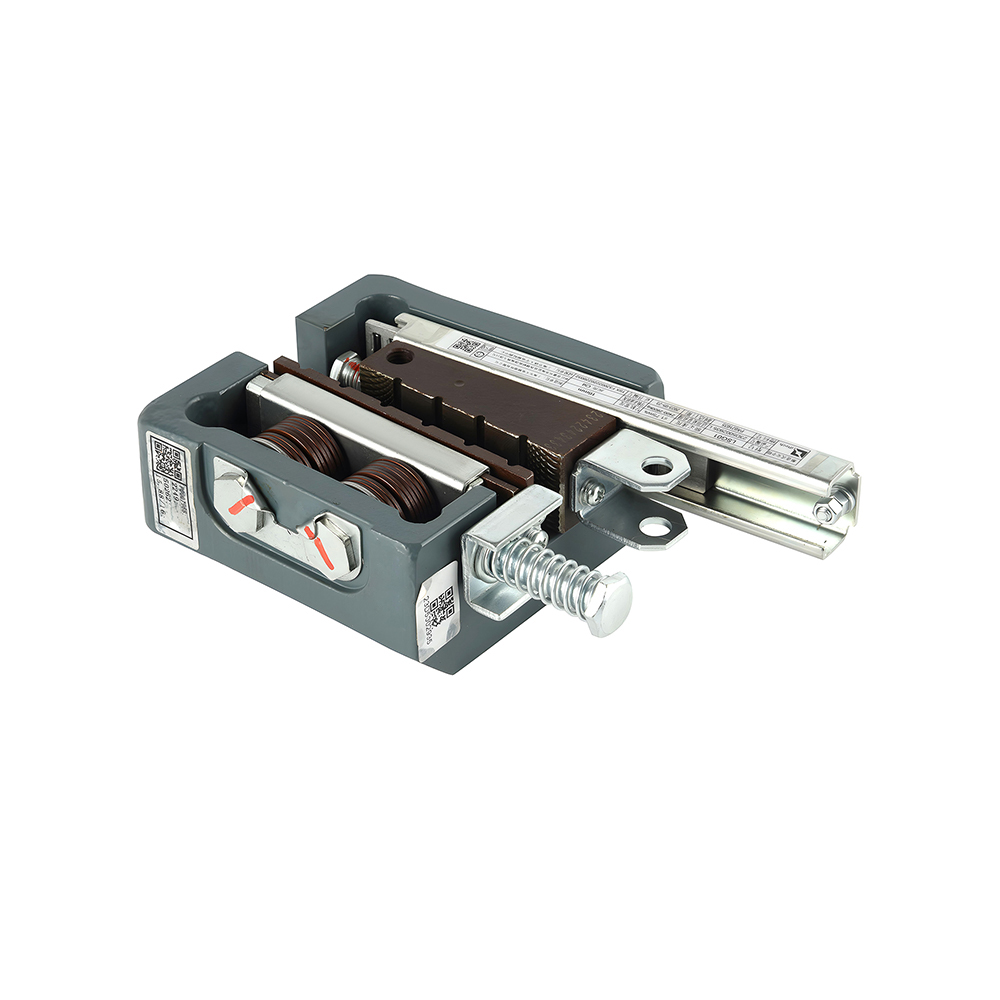
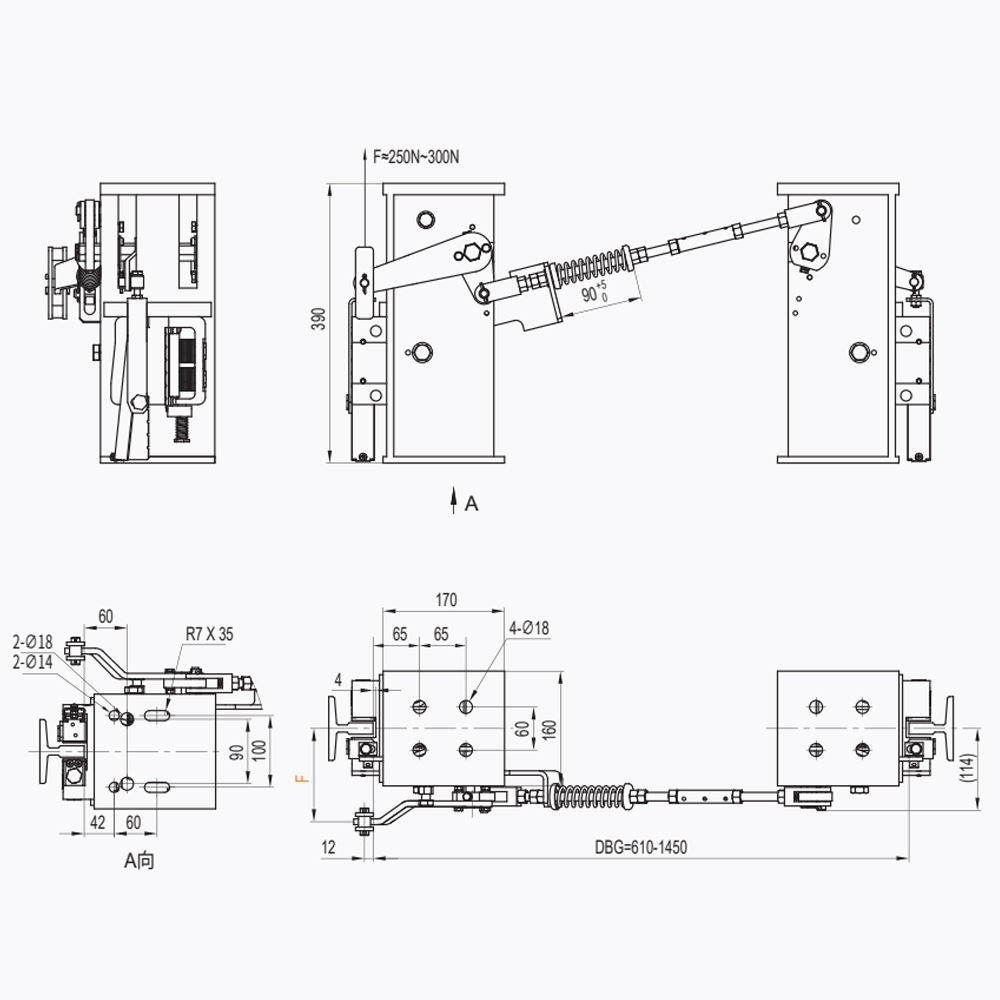
Conventional passenger elevator safety components can fail prematurely under the intense stress of industrial freight operations, leading to unscheduled downtime, increased maintenance costs, and potential safety incidents during overload or mechanical shock events. The core challenge is providing reliable deceleration and arrest that accommodates variable and often imbalanced loads without causing structural damage to the elevator or the guide rails.
Industrial Freight Elevator Safety Solutions
-- Steady & Reliable Manufacturer --
Industrial freight elevators operate under extreme conditions with dynamic loads, high duty cycles, and potential shock loads. This category encompasses specialized safety devices engineered to handle these demands, ensuring operational continuity and personnel safety in factories, warehouses, docks, and heavy machinery facilities.
Core components in this solution set include heavy-duty safety gears with higher clamping force, reinforced buffers with greater energy absorption capacity, and governors rated for lower speeds but higher torques typical of freight applications.
Recommended Products
The Key Problem We Solve
Typical Applications
- Multi-story factory buildings for moving raw materials and finished goods.
- Warehouse and logistics centers with pallet lifts and high-capacity cargo lifts.
- Automotive manufacturing plants for transporting vehicle bodies or large assemblies.
- Shipyards and port facilities for equipment and supply movement.
- Mining and construction sites for moving heavy machinery parts.
- Cold storage facilities with lifts designed for high humidity and low temperatures.
Product Advantages
| Load Capacity Range | 1,600 kg to 20,000+ kg |
| Typical Rated Speed | 0.25 m/s to 1.0 m/s |
| Safety Gear Type | Instantaneous or Progressive (Heavy-Duty Variant) |
| Buffer Energy Absorption | Up to 150,000 Joules and beyond |
| Governor Tripping Speed | Adjustable, typically 115-140% of rated speed |
| Operating Temperature | -20°C to +60°C (wider range available) |
| Key Standards | EN 81-20/50, ASME A17.1/CSA B44 (Goods Hoists), local freight lift regulations |
Selection & Compliance Considerations
Dynamic vs. Static Load: Specify if the lift frequently handles moving machinery (forklifts) which creates dynamic impact forces, requiring components with higher safety factors.
Duty Cycle: High-frequency operation demands materials with superior fatigue resistance and lubrication systems designed for continuous use.
Environmental Factors: Dust, moisture, chemical exposure, or extreme temperatures dictate choices in sealing, surface coatings (galvanization, epoxy paint), and bearing types.
Platform Guidance: The stiffness and alignment of guide rails are critical for the effective operation of heavy-duty safety gears. Rail specification should be reviewed in tandem with safety component selection.
FAQ
- Q: What is the main difference between safety gear for freight and passenger elevators?
- A: Freight elevator safety gear is designed for significantly higher clamping forces and energy dissipation to arrest heavier loads. It often features more robust construction, larger wear surfaces, and materials that withstand shock loads and higher duty cycles common in industrial environments.
- Q: Can we retrofit heavy-duty safety components to an existing freight elevator?
- A: Retrofitting is possible but requires a comprehensive review by a qualified engineer. Key factors include the existing guide rail strength (T-section), pit depth (for buffer size), car frame design, and available space for the new components. We provide technical consultation and dimension drawings for retrofit feasibility studies.
- Q: How often should safety components on a heavily used freight elevator be inspected?
- A: Following the manufacturer's maintenance manual is essential. For high-cycle industrial lifts, visual and functional inspections by trained personnel are recommended monthly. A full test by certified technicians, including overspeed governor trip tests and safety gear actuation tests, should align with local regulations (often every 6 or 12 months) but may be advised more frequently based on usage intensity.
About Us
Shanghai Liftech Elevator Accessories Co., Ltd.
Founded in 2004, Shanghai Liftech Elevator Accessories Co., Ltd. is a specialized enterprise dedicated to the R&D, manufacturing, testing, and sales of elevator safety components. With over two decades of sustained development, Liftech has established itself as a leading manufacturer in China's elevator safety sector, providing high-quality products and solutions to a wide range of major elevator brands and engineering clients across domestic and international markets. We are ,China Wholesale Industrial Freight Elevator Safety Solutions Suppliers and Industrial Freight Elevator Safety Solutions OEM/ODM Manufacturers
For over 20 years, LIFTECH (est. 2004) has been a trusted force in the R&D, manufacturing, and full lifecycle support of premium elevator safety components.
Material Selection Guide
| Component | Standard Application | Harsh Environment (Corrosion/Dust) | High-Impact/Shock Load |
| Wedge/Clamp Body | Forged Carbon Steel (EN8/1045), Quenched & Tempered | Stainless Steel (304/316) or Carbon Steel with Electro-Zinc Plating + Chromate | Alloy Steel (4140), through-hardened for maximum toughness |
| Guide Rail Contact Surface | Machined Steel with Anti-friction Coating | Inserted Replaceable Polymer Pads (e.g., Nylon, Delrin) | Hardened Steel Inserts (HRC 55+) for wear resistance |
| Main Pins & Axles | Precision Ground Steel, Case Hardened | Stainless Steel or Coated Steel with Grease Nipples | Alloy Steel, Induction Hardened |
| Springs | Music Wire (DIN 17223) | Stainless Steel Wire (AISI 302/316) | Oil-Tempered Chrome Silicon Alloy Wire for higher stress |
| Buffer Piston Rod | Hard Chrome Plated Steel | Stainless Steel Rod | High-Strength Steel with Double Chroming |

