

 English
 中文简体
中文简体 русский
 Español
 Deutsch


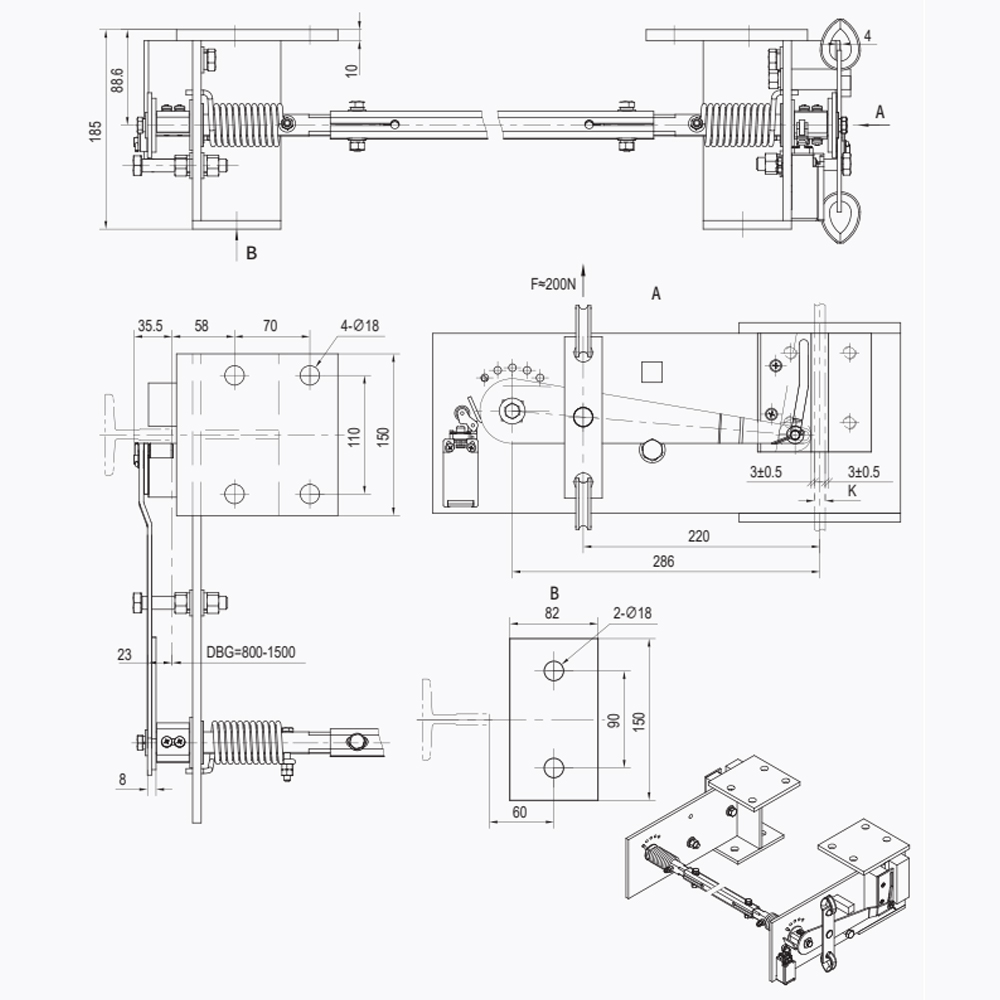
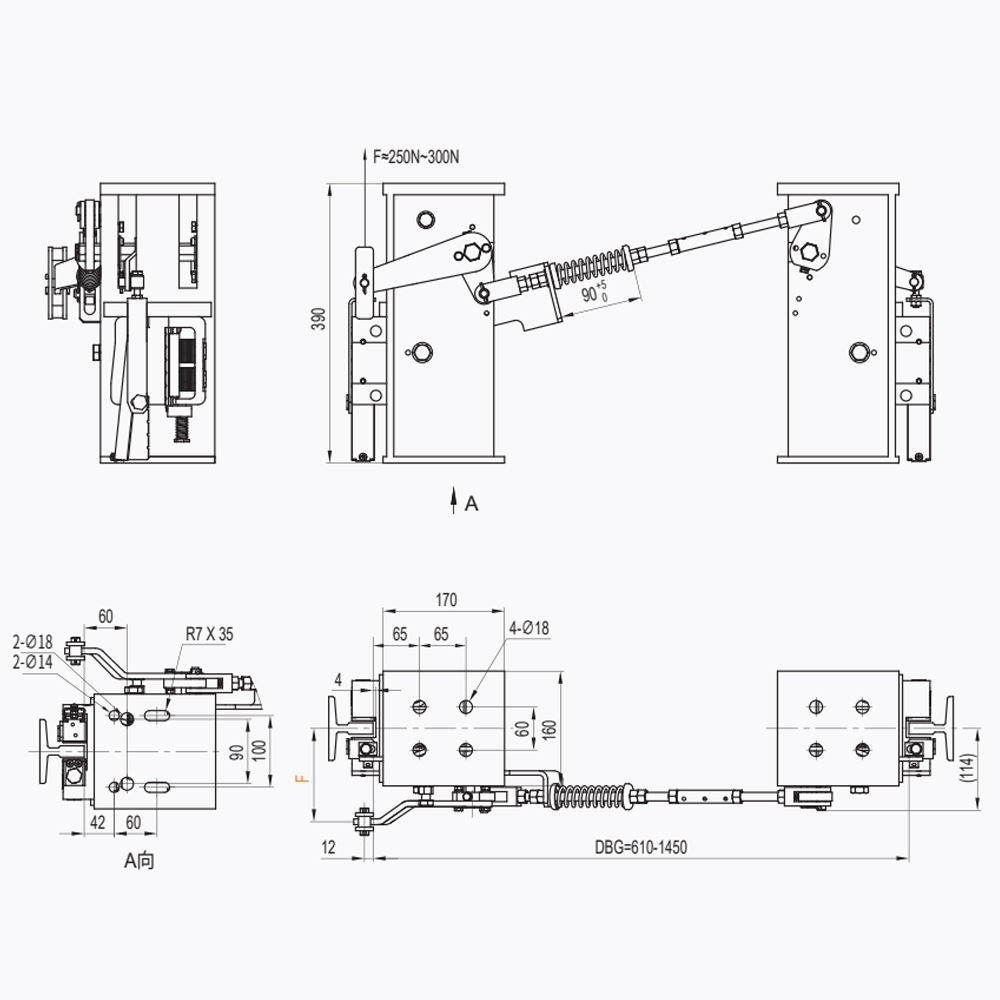
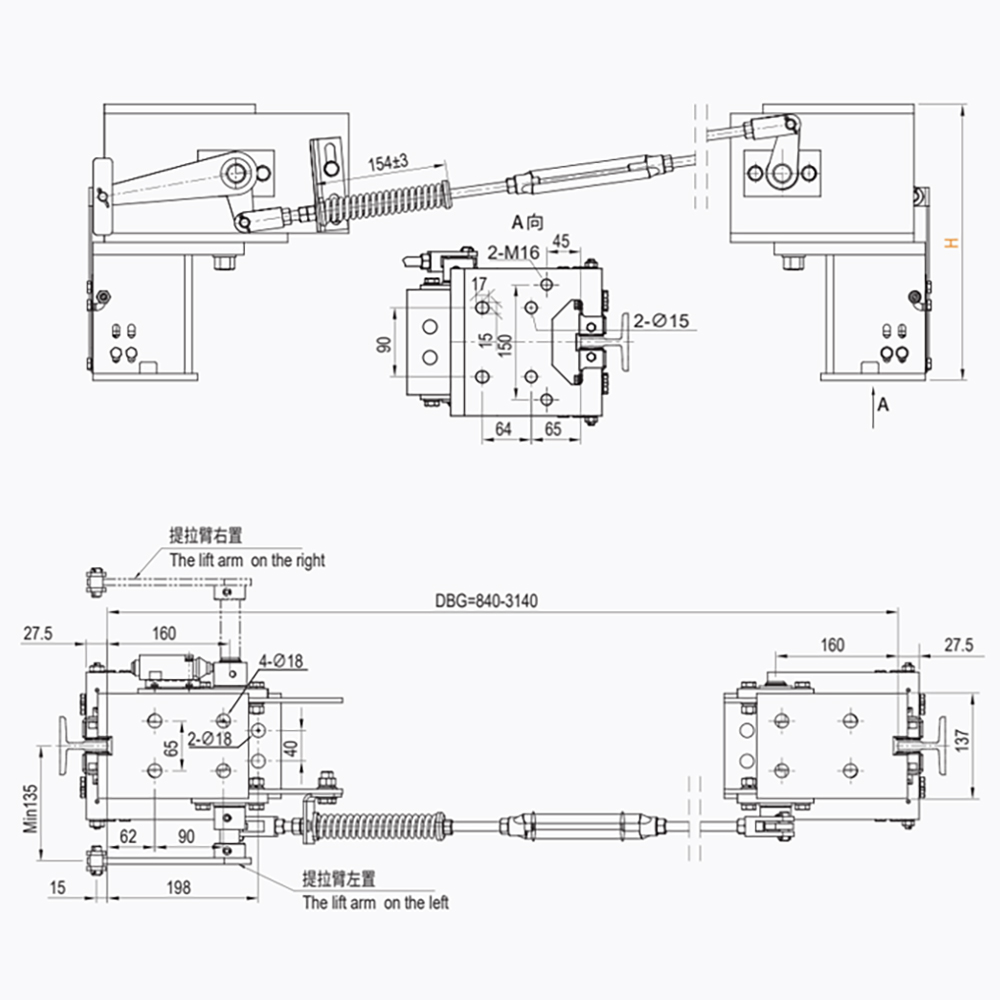
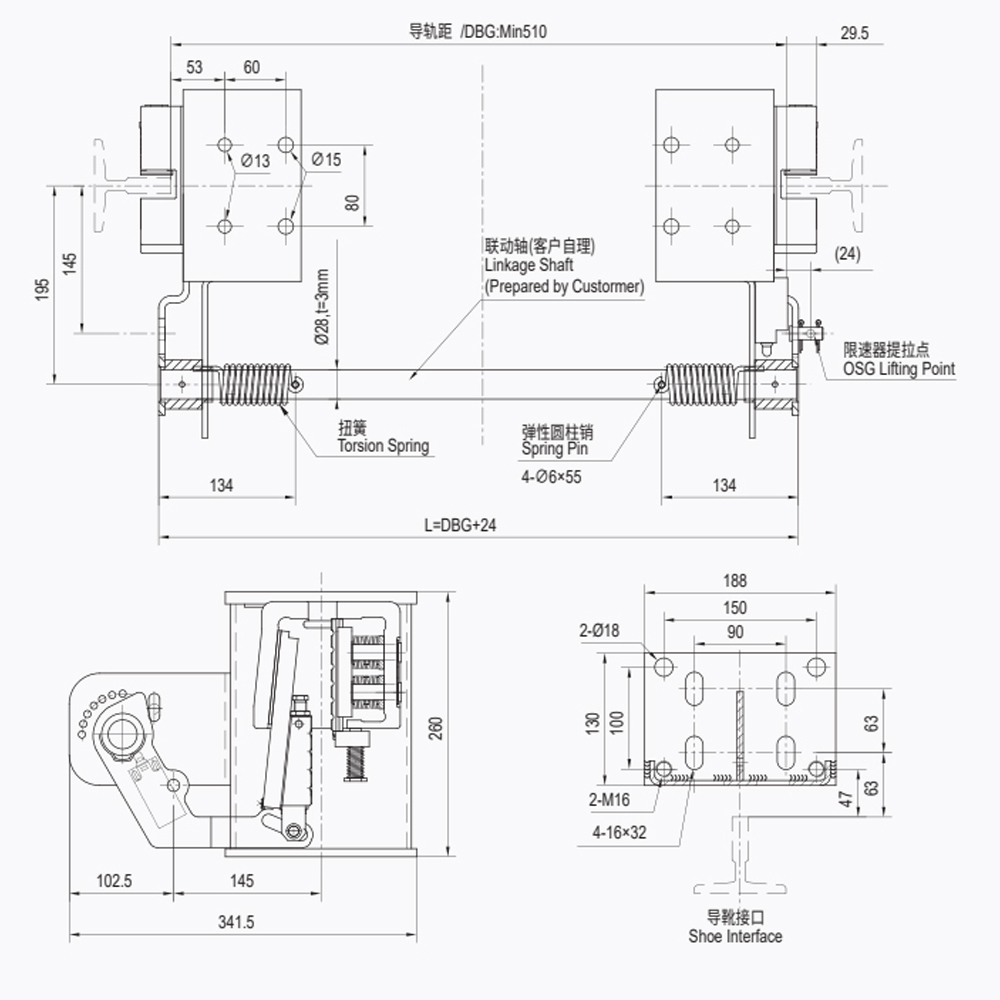
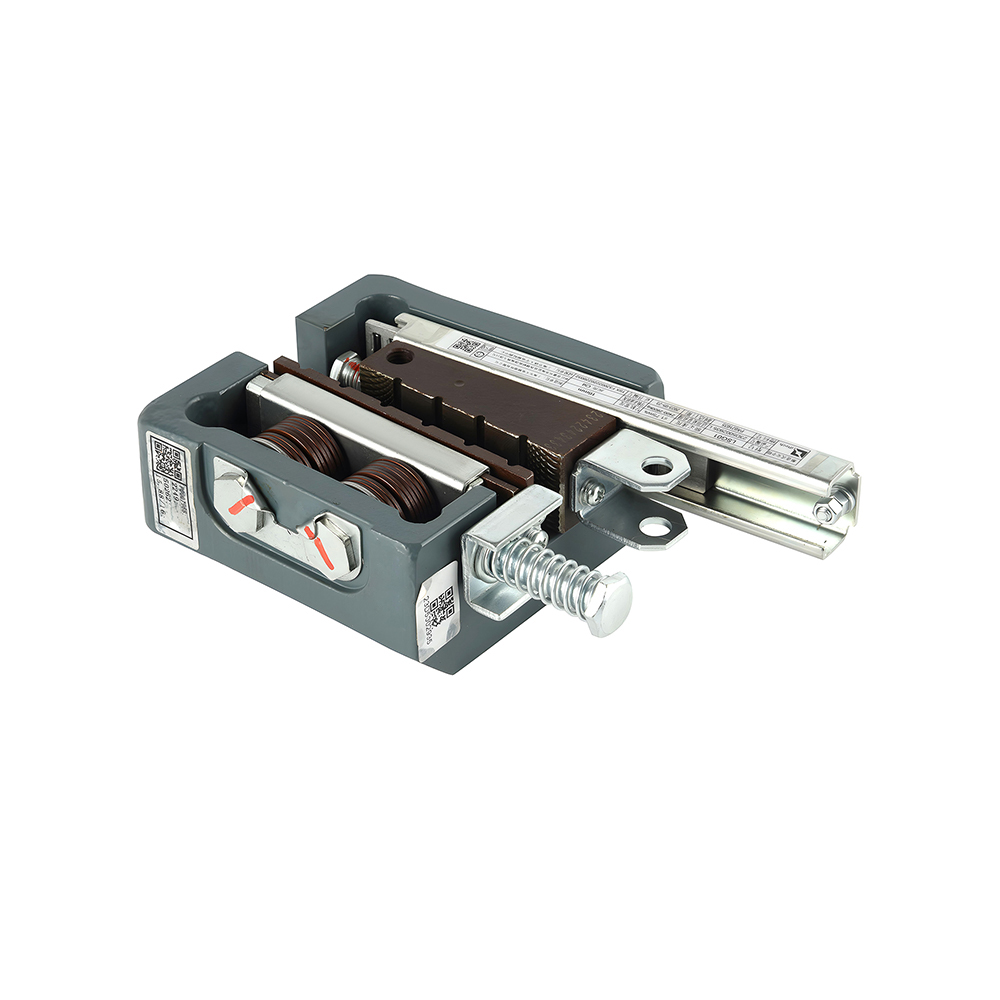
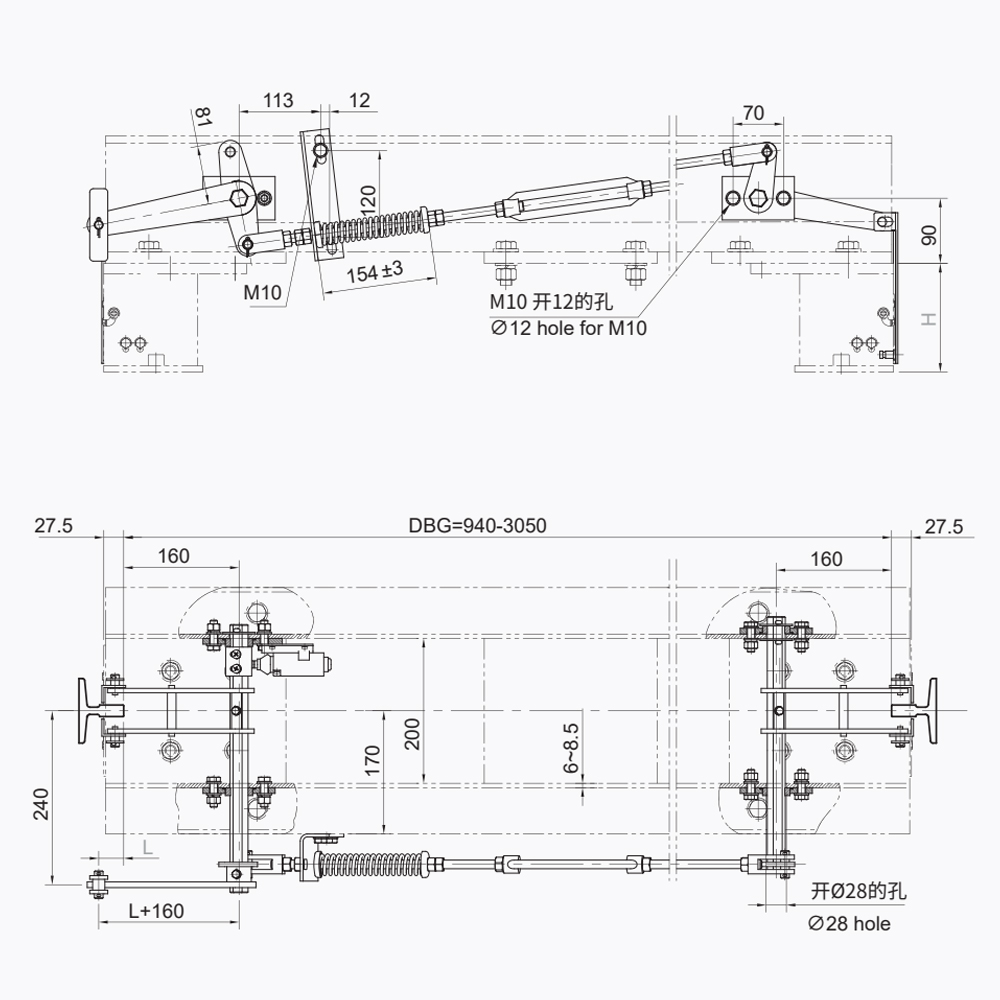
The most frequent problem in safety gear failure is "asymmetric engagement," where one side of the car stops while the other continues to slide or drop. This is almost always caused by a poorly designed or improperly adjusted linkage system. When asymmetry occurs, the car frame undergoes massive diagonal stress, which can bend the guide rails and make the rescue of passengers extremely difficult. Our linkage assemblies solve this by using high-precision adjustable rods that allow for micrometer-level calibration of the trigger points. Another critical issue is mechanical "stiction"—where dust, rust, or lack of lubrication causes the safety gear to stick in the "off" position even when the governor tries to pull the trigger. We address this through the use of corrosion-resistant plating and sealed joints that require zero maintenance for years. Furthermore, many older linkage systems are difficult to install in modern, low-overhead hoistways. Our modular linkage design solves the spatial constraint problem, offering a low-profile cross-shaft that can be mounted either above or below the car frame without interfering with other components like door operators or toe guards. Finally, the problem of accidental triggering due to car vibrations is mitigated by our precision-calibrated torsion springs, which hold the linkage in a neutral position until a genuine overspeed event provides the necessary force to overcome the spring tension.
Mechanical Safety Linkage Assemblies
-- Steady & Reliable Manufacturer --
Mechanical safety linkage assemblies are the critical transmission components that connect the overspeed governor's triggering action to the simultaneous engagement of the safety gears on both sides of the elevator car. An elevator's safety system is only as reliable as its linkage; if the linkage fails to transmit the force evenly, only one safety gear may engage, leading to a dangerous tilting of the car and potential derailment from the guide rails. These assemblies consist of a cross-shaft, connecting rods, adjustable yokes, and torsion springs. The cross-shaft, typically manufactured from high-tensile carbon steel, must resist torsional deformation under the sudden load of a governor trip. The adjustable yokes allow technicians to fine-tune the timing of the safety gear wedges, ensuring they contact the guide rails at exactly the same micro-second. This synchronization is vital for maintaining the horizontal stability of the cabin during an emergency stop. Modern linkage designs have transitioned from heavy, bulky iron rods to lightweight, high-strength tubular sections that reduce the inertia of the system, allowing for faster response times. The assembly is also equipped with safety switches that provide an electrical feedback loop to the elevator's controller, signaling an immediate "emergency stop" status. For specialized applications like home elevators or villa lifts, compact linkage kits are designed to fit within the minimal clearance between the car stiles and the hoistway walls. The durability of the pivot points is ensured through the use of self-lubricating bronze bushings or sealed ball bearings, which prevent the "seizing" of the mechanism over long periods of inactivity. By providing a robust mechanical bridge between detection and action, these linkage assemblies guarantee that the safety gear operates as a unified system rather than isolated components.
Recommended Products
The Key Problem We Solve
Typical Applications
- Retrofitting safety gears in existing elevator frames
- New installations of MRL (Machine-Roomless) elevators
- Synchronization of dual safety gears for heavy freight
- High-stability villa lift safety systems
Product Advantages
| Shaft Diameter | 20mm / 25mm / 30mm |
| Adjustable Range | Up to 150mm per rod |
| Switch Voltage | 24V DC / 110V AC |
| Material Finish | Zinc Plating / Powder Coating |
Selection & Compliance Considerations
Correct linkage selection requires knowing the distance between the guide rails (DBG) and the specific model of safety gear being used. The linkage must have sufficient "throw" or travel distance to fully seat the safety gear wedges into the rail, while also having a robust return spring to prevent the wedges from dragging during normal operation.
FAQ
- How do I sync the two safety gears? By adjusting the threaded rods until both wedges touch the rail simultaneously.
- Is the cross-shaft included? Yes, we provide full kits tailored to your DBG dimensions.
- Can it handle high-speed vibrations? Yes, the joints are designed with anti-vibration locking nuts.
- What maintenance is needed? A simple visual check for pivot freedom during semi-annual service.
About Us
Shanghai Liftech Elevator Accessories Co., Ltd.
Founded in 2004, Shanghai Liftech Elevator Accessories Co., Ltd. is a specialized enterprise dedicated to the R&D, manufacturing, testing, and sales of elevator safety components. With over two decades of sustained development, Liftech has established itself as a leading manufacturer in China's elevator safety sector, providing high-quality products and solutions to a wide range of major elevator brands and engineering clients across domestic and international markets. We are ,China Wholesale Mechanical Safety Linkage Assemblies Suppliers and Mechanical Safety Linkage Assemblies OEM/ODM Manufacturers
For over 20 years, LIFTECH (est. 2004) has been a trusted force in the R&D, manufacturing, and full lifecycle support of premium elevator safety components.
Material Selection Guide
| Component | Material Specification |
| Cross-Shaft | 45# Cold-Drawn Steel |
| Pivot Bushings | Sintered Bronze |

