

 English
 中文简体
中文简体 русский
 Español
 Deutsch


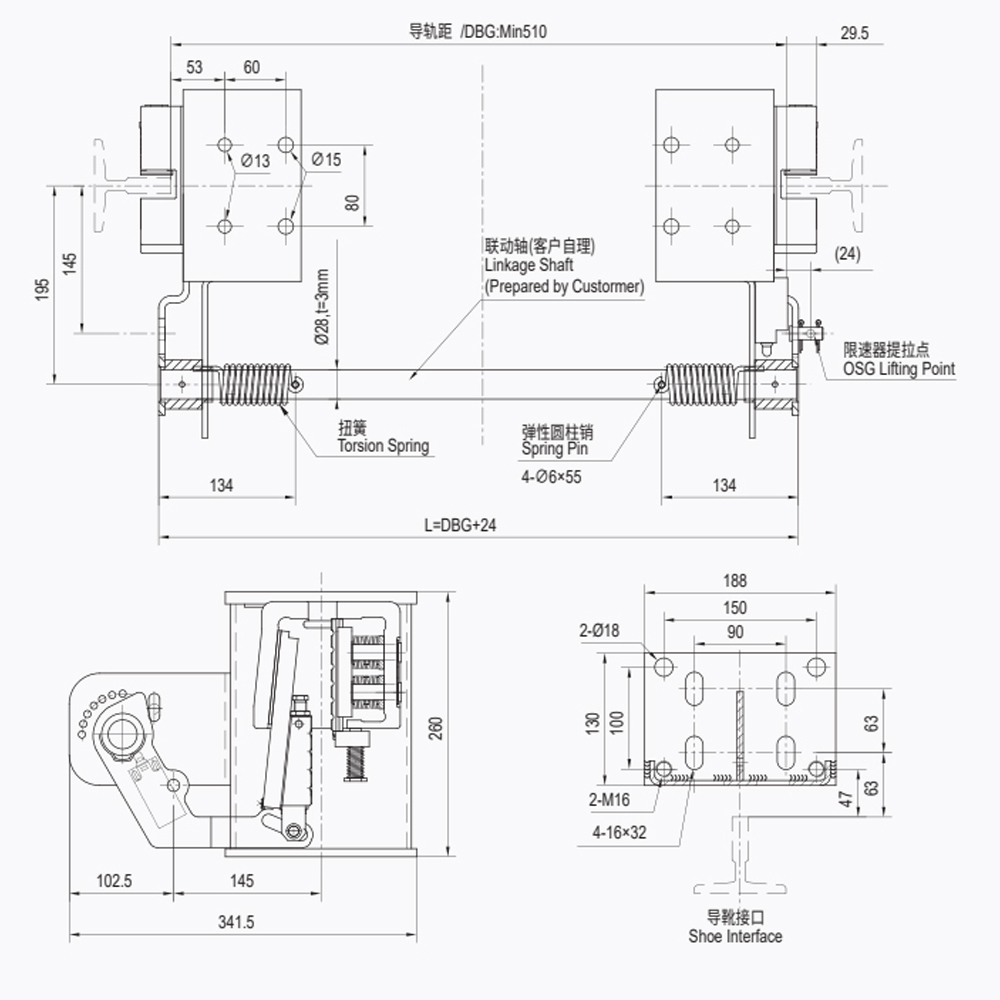
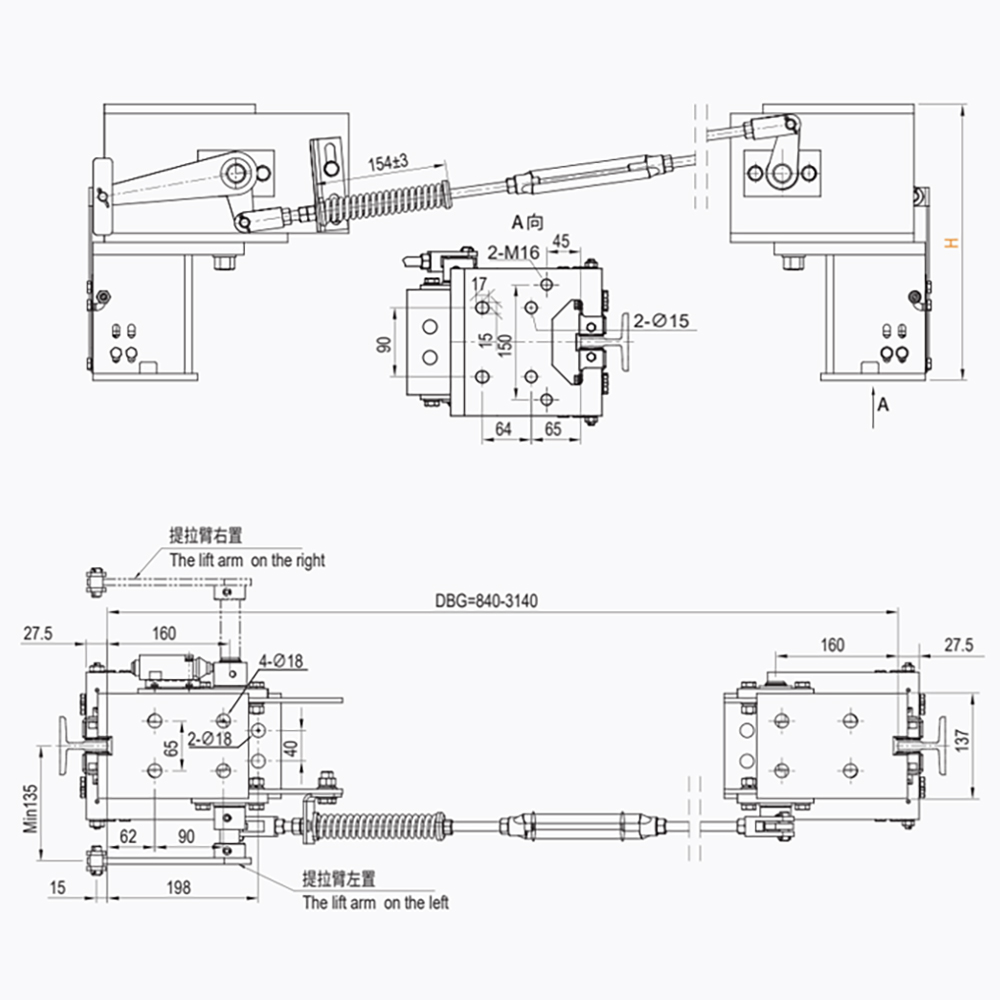
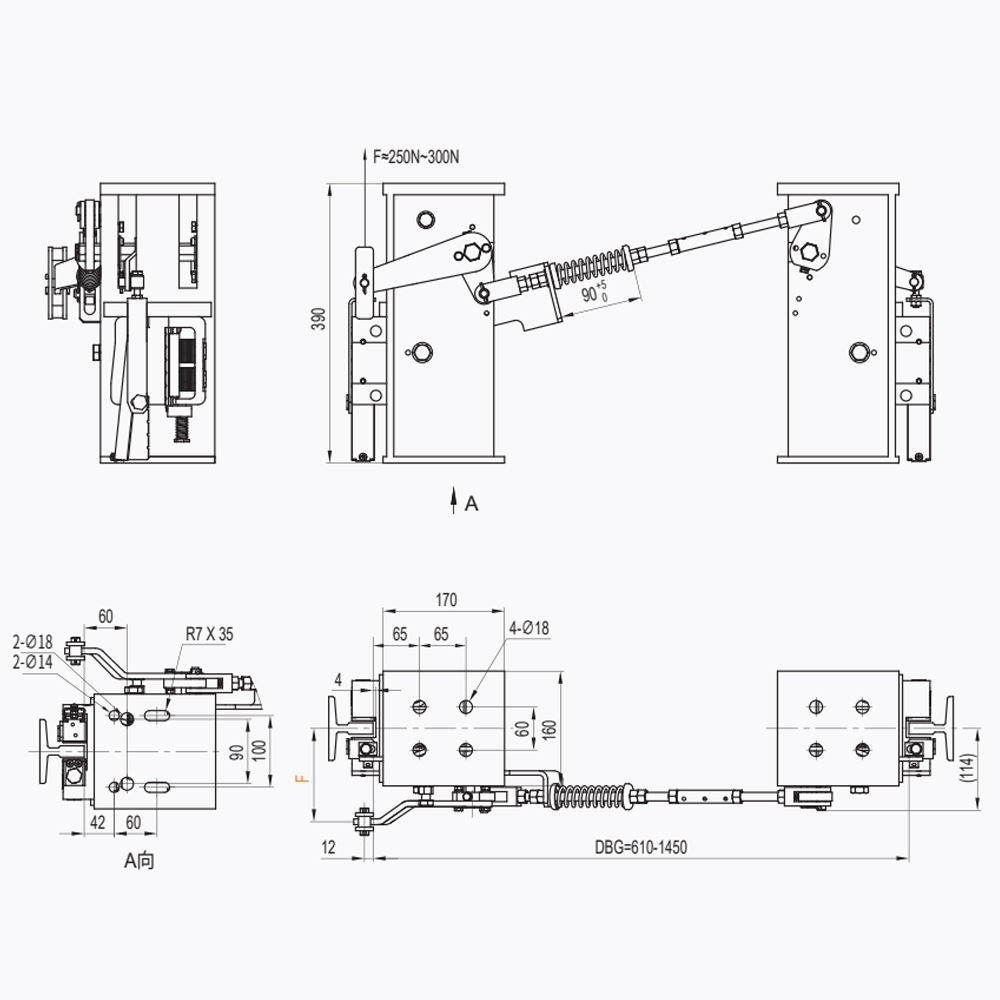
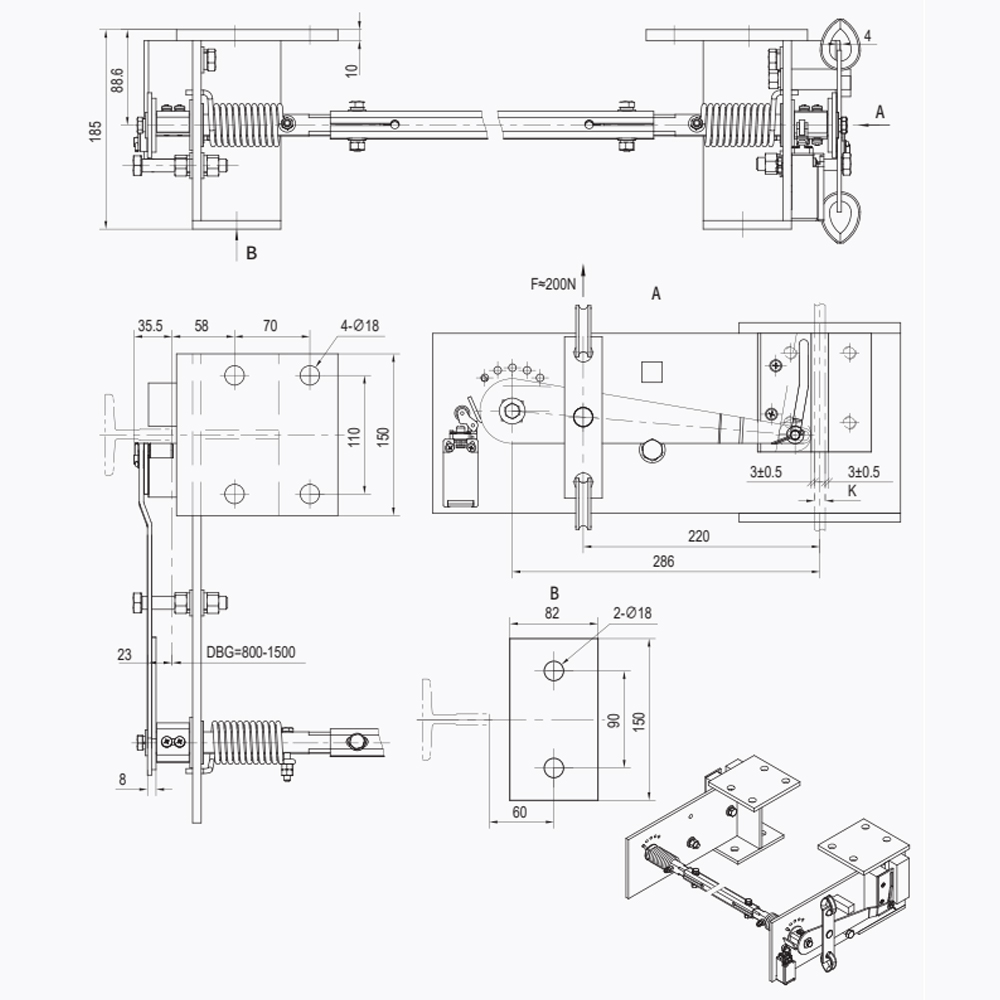
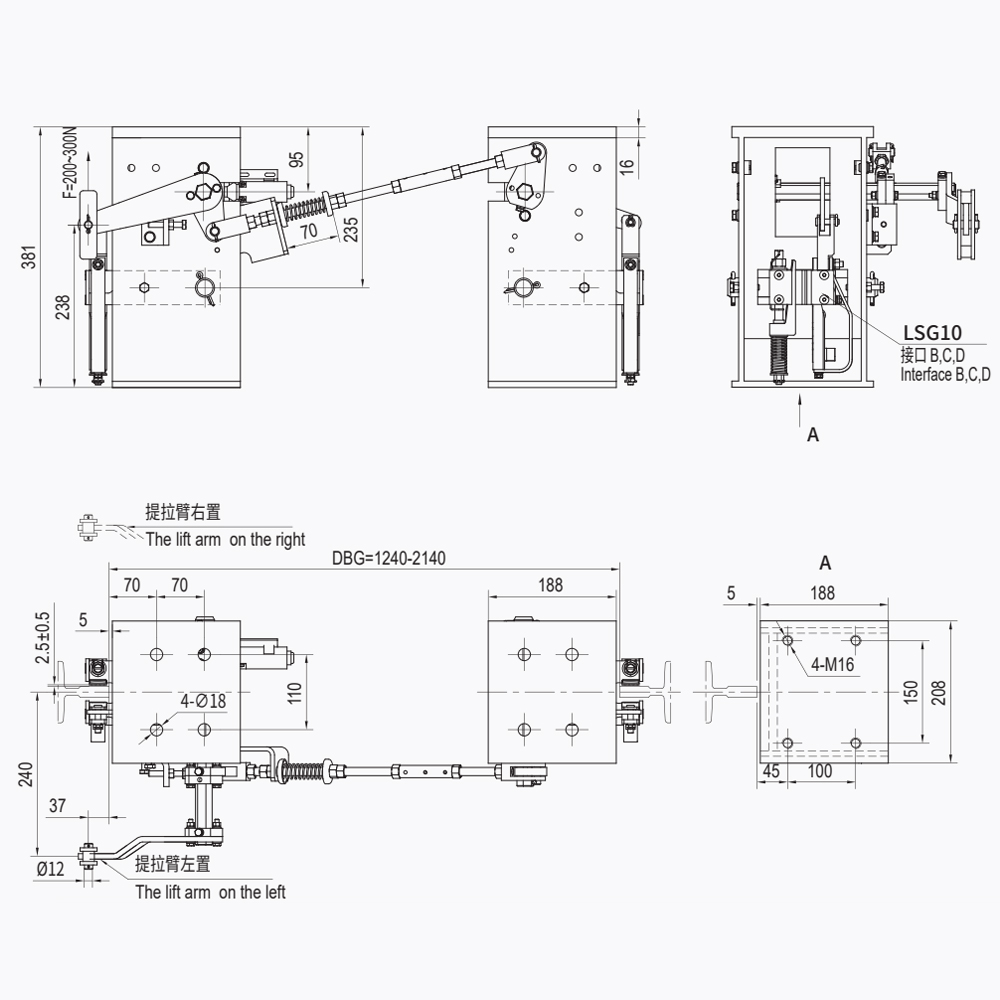
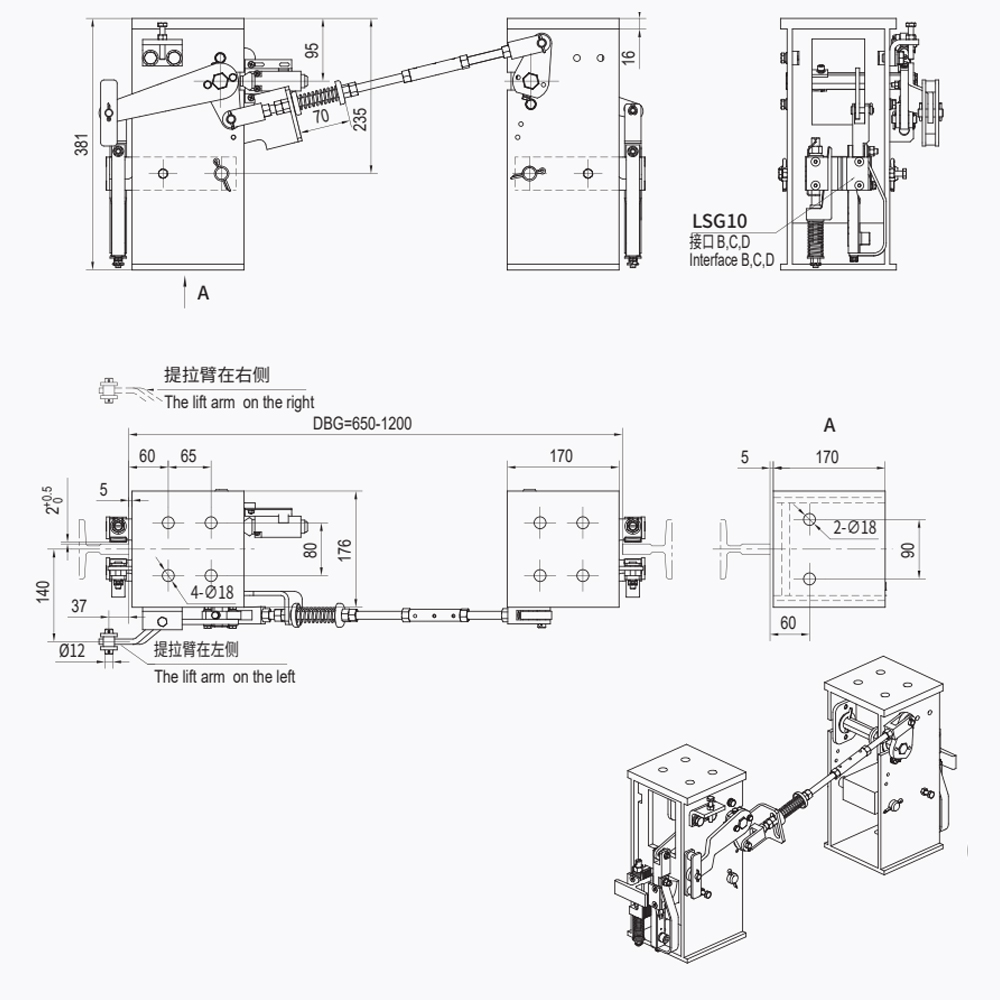
The most critical problem addressed by synchronized mechanical linkages is "Asymmetric Braking Force," a condition where one safety gear wedge bites the rail before the other. In high-load freight or high-speed passenger elevators, this asymmetry creates a massive diagonal moment arm that can buckle the car frame or snap the guide rail brackets. Our systems solve this through "Micrometer-Adjustable Yokes" that allow field technicians to synchronize the engagement points to within 0.5mm of travel. Another significant issue is "Linkage Lag" caused by mechanical play or "backlash" in the joints. In a falling elevator, every millisecond of delay increases the kinetic energy that must be dissipated; we eliminate this play by using pre-tensioned spherical joints that maintain constant contact throughout the stroke. We also address the problem of "Mechanical Seizing" in corrosive or humid environments, such as coastal regions or industrial processing plants. Standard carbon steel linkages often rust at the pivot points, rendering the safety system useless; we solve this by utilizing electroless nickel plating on all shafts and using stainless steel for all threaded fasteners. Furthermore, for modern Machine-Roomless (MRL) elevators where space between the car and the wall is extremely limited, traditional bulky linkage systems simply will not fit. Our "Slim-Profile" series solves this spatial constraint by using offset crank arms and compact torsion bars that occupy 40% less depth than traditional designs. Finally, we solve the problem of "Vibration-Induced Nuisance Trips." In high-speed lifts, air turbulence can cause loose linkages to rattle and accidentally trigger the safety switch; our assemblies incorporate vibration-dampening spring nests that keep the linkage firmly in the "neutral" position until a genuine governor trip occurs with sufficient force to overcome the safety threshold.
Mechanical Linkage Synchronization Systems
-- Steady & Reliable Manufacturer --
Mechanical linkage synchronization systems are the sophisticated transmission frameworks that bridge the gap between detection and physical intervention in an elevator's safety chain. These systems ensure that when an overspeed governor triggers, the resulting mechanical pull is distributed with absolute precision to both safety gear units mounted on the car stiles. A synchronization system consists of a torsion-resistant cross-shaft, adjustable threaded rods, spherical rod-end bearings, and return spring assemblies. The mechanical integrity of the cross-shaft is paramount; it must transmit high torque without twisting, as even a 2-degree torsional deflection can cause a delay in one side's engagement, leading to dangerous car tilting. These assemblies are designed to be mounted either on the top crosshead or the bottom plank of the car frame, depending on the hoistway clearance and the specific type of safety gear—be it instantaneous or progressive. Modern linkage designs prioritize low inertia and high rigidity, using hollow-core high-tensile steel tubes that offer the strength of solid rods with significantly reduced weight. The pivot points are engineered with self-lubricating bronze bushings or sealed needle bearings to ensure zero-stiction operation, even if the lift has been stationary for months. The inclusion of an electrical safety switch (contact) is a standard feature, providing a fail-safe signal to the elevator controller to cut drive power the moment the linkage begins its stroke. By ensuring that the braking force is applied symmetrically and simultaneously to the guide rails, these synchronization systems prevent structural deformation of the car frame and ensure a stable, upright stop during emergency deceleration events. The entire mechanism is calibrated to overcome the friction of the safety gear's internal springs while remaining sensitive enough to respond to the governor's pull within milliseconds.
Recommended Products
The Key Problem We Solve
Typical Applications
- High-rise traction elevators requiring synchronized dual safety gears
- Heavy-duty freight lifts with wide car platforms
- MRL elevators with restricted hoistway clearances
- Modernization projects replacing old, unreliable rod-style linkages
- Panoramic glass lifts where mechanical components must be discrete
Product Advantages
| Shaft Diameter (mm) | Effective DBG Range (mm) | Max Trigger Force (N) | Switch Type | Adjustment Precision |
| 20 / 25 / 30 | 600 - 4500 | 1500 - 3500 | IP67 Waterproof | +/- 0.1mm |
| Tubular High-Tensile | Custom Lengths | Reinforced Joints | Dual-Circuit | Threaded Yoke |
Selection & Compliance Considerations
Selecting a linkage system requires an accurate measurement of the Distance Between Guide rails (DBG) and the specific mounting height relative to the safety gear's pull-hole. Compliance with EN 81-20/50 is mandatory, specifically regarding the requirement that the electrical safety switch must trigger before or at the moment of mechanical engagement. Structural engineers should also verify that the car frame can withstand the torque transmitted through the cross-shaft during a full-load safety test.
FAQ
- How do you adjust the timing? By rotating the threaded connecting rods to lengthen or shorten the stroke until both wedges touch the rail simultaneously.
- Does the shaft require periodic lubrication? No, our bronze bushings are vacuum-impregnated with oil for lifetime operation.
- Can it be used for bi-directional safety gears? Yes, we provide specialized "dual-pull" linkage kits for upward and downward protection.
- What happens if the safety switch fails? The system is designed to be mechanically independent; the car will still stop, though the motor may continue to pull until the thermal overload trips.
About Us
Shanghai Liftech Elevator Accessories Co., Ltd.
Founded in 2004, Shanghai Liftech Elevator Accessories Co., Ltd. is a specialized enterprise dedicated to the R&D, manufacturing, testing, and sales of elevator safety components. With over two decades of sustained development, Liftech has established itself as a leading manufacturer in China's elevator safety sector, providing high-quality products and solutions to a wide range of major elevator brands and engineering clients across domestic and international markets. We are ,China Wholesale Mechanical Linkage Synchronization Systems Suppliers and Mechanical Linkage Synchronization Systems OEM/ODM Manufacturers
For over 20 years, LIFTECH (est. 2004) has been a trusted force in the R&D, manufacturing, and full lifecycle support of premium elevator safety components.
Material Selection Guide
| Component | Standard Material | Heavy-Duty Material | Surface Treatment | Service Life |
| Cross-Shaft | C45 Carbon Steel | 42CrMo Alloy Steel | Zinc Galvanized | 20+ Years |
| Rod Ends | Nylon-Lined Steel | Stainless Steel / Bronze | Chrome Plated | 15+ Years |
| Safety Switch | Polycarbonate | Die-cast Aluminum | Sealed IP65/67 | 1 Million Cycles |

