

 English
 中文简体
中文简体 русский
 Español
 Deutsch


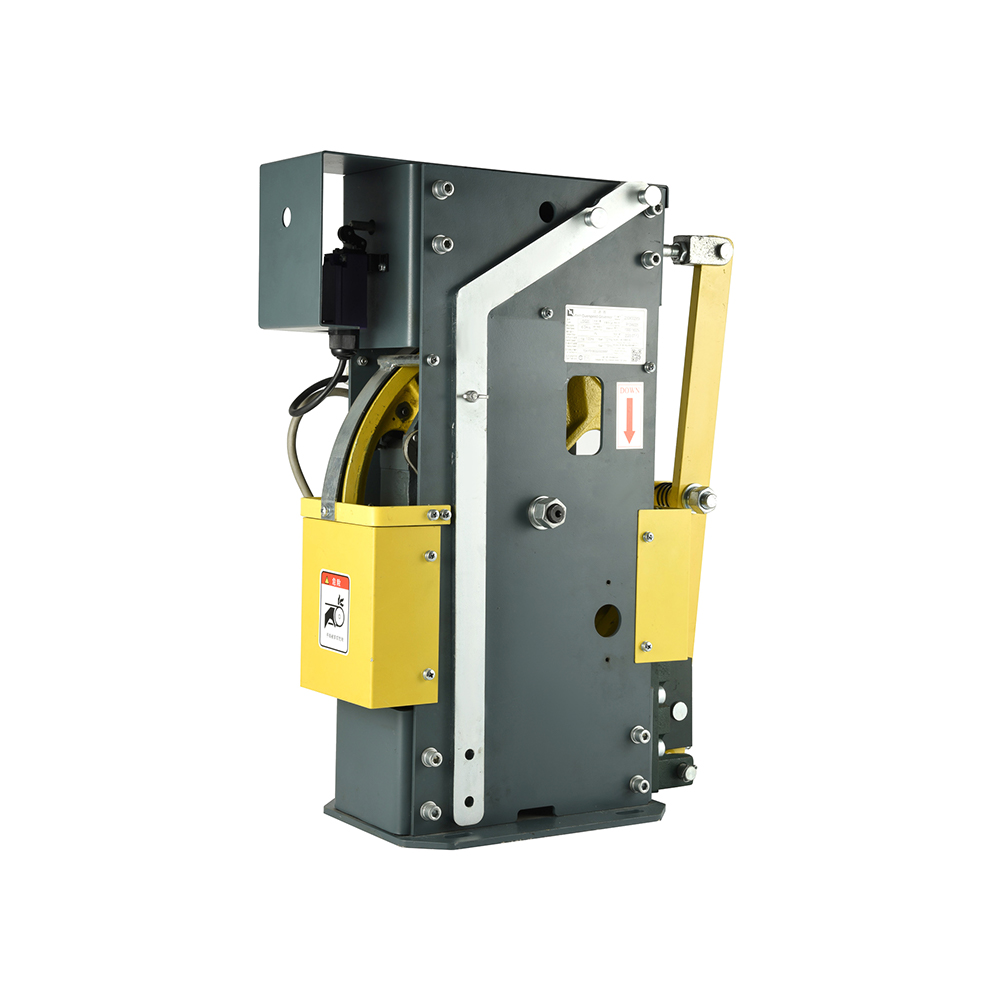
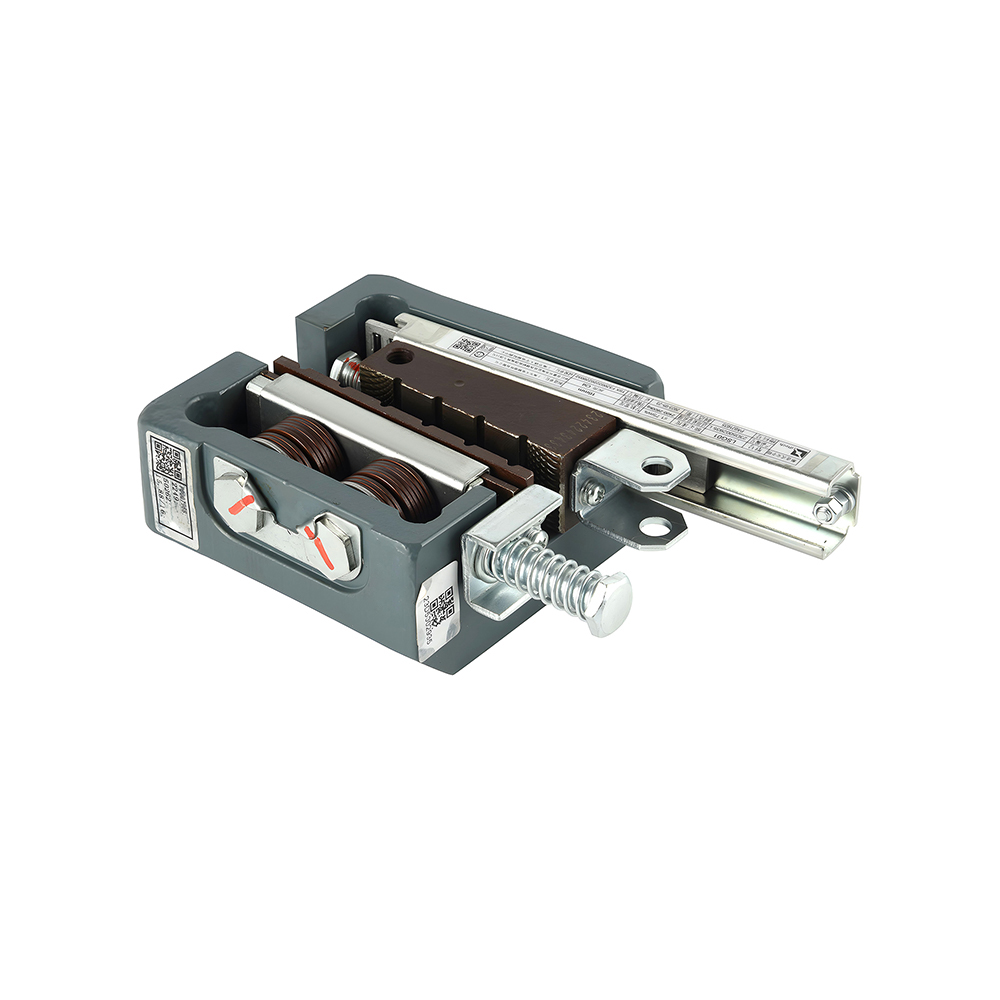
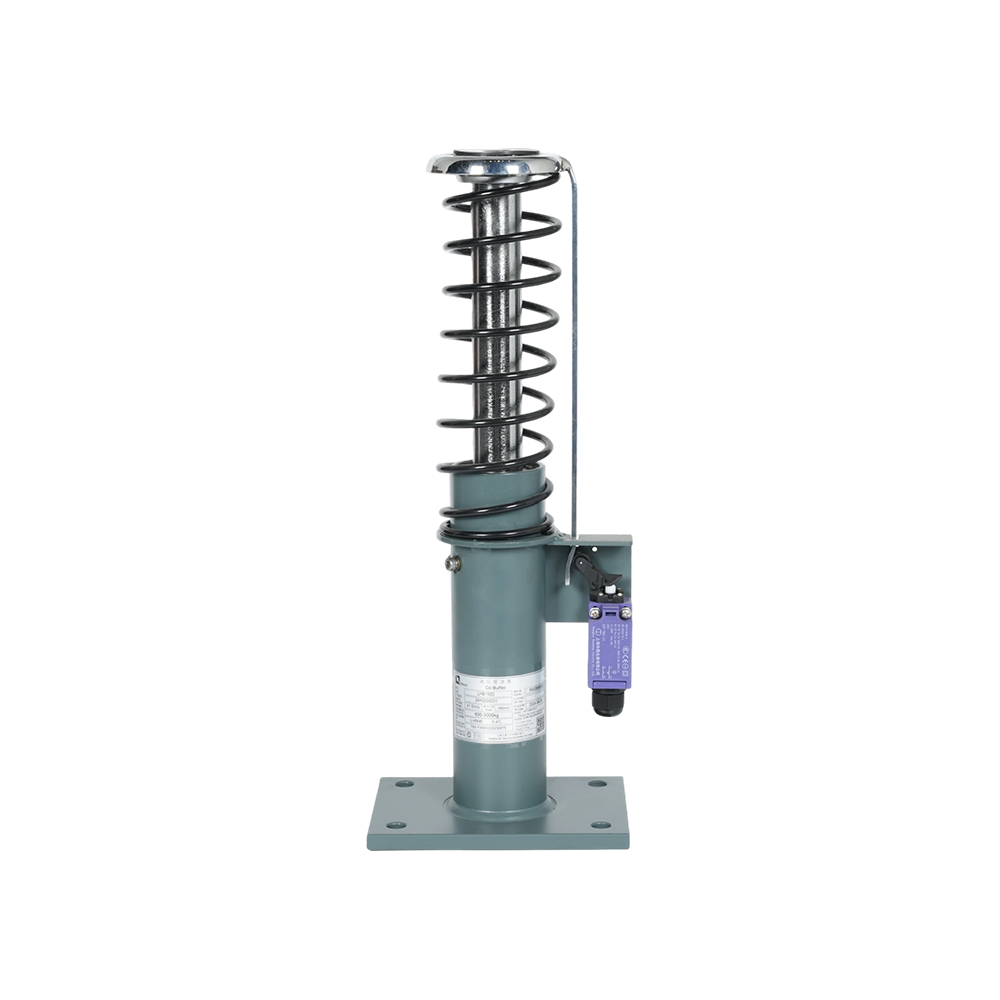
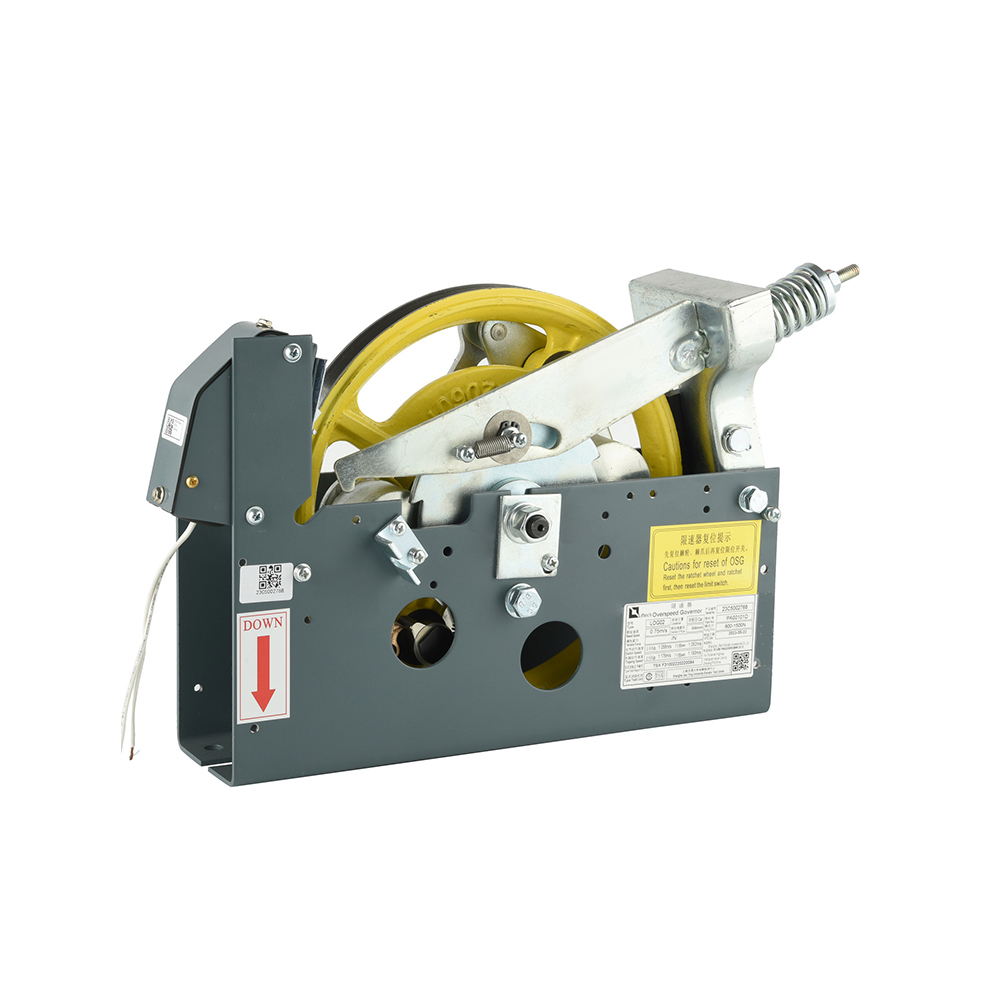
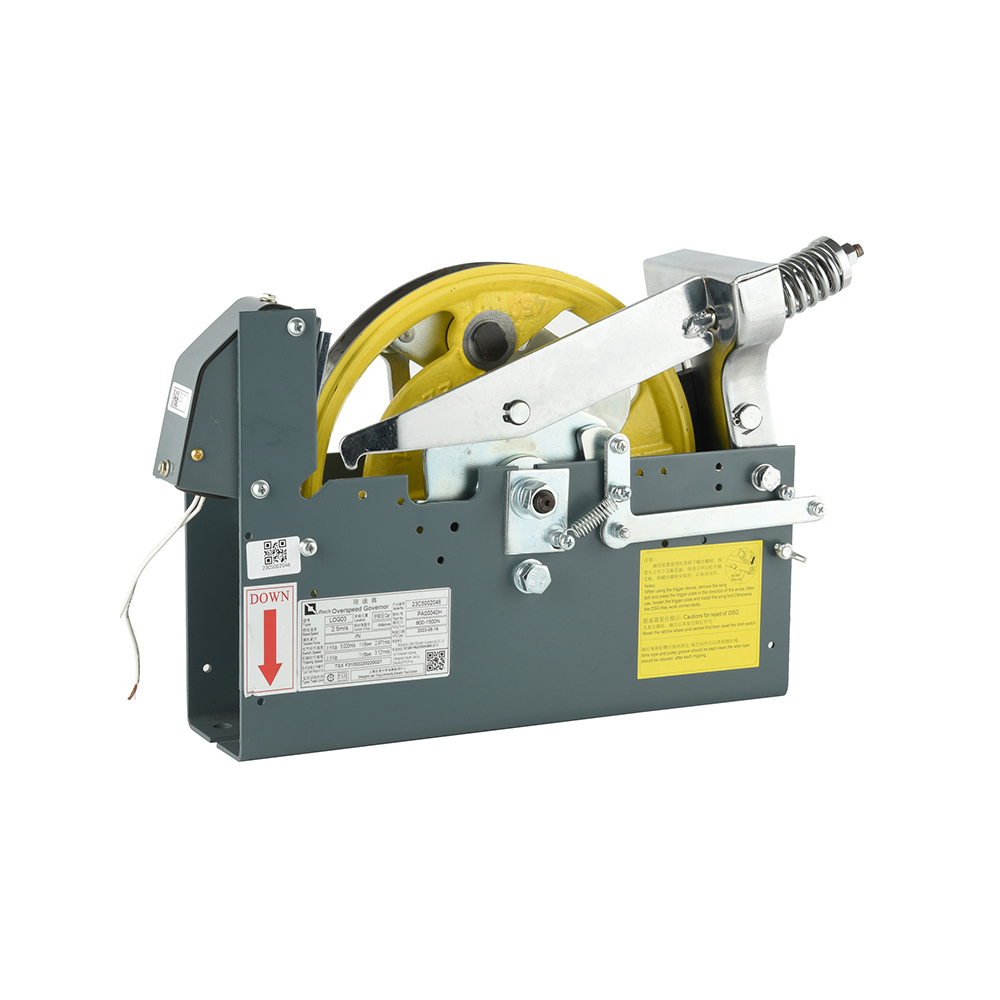
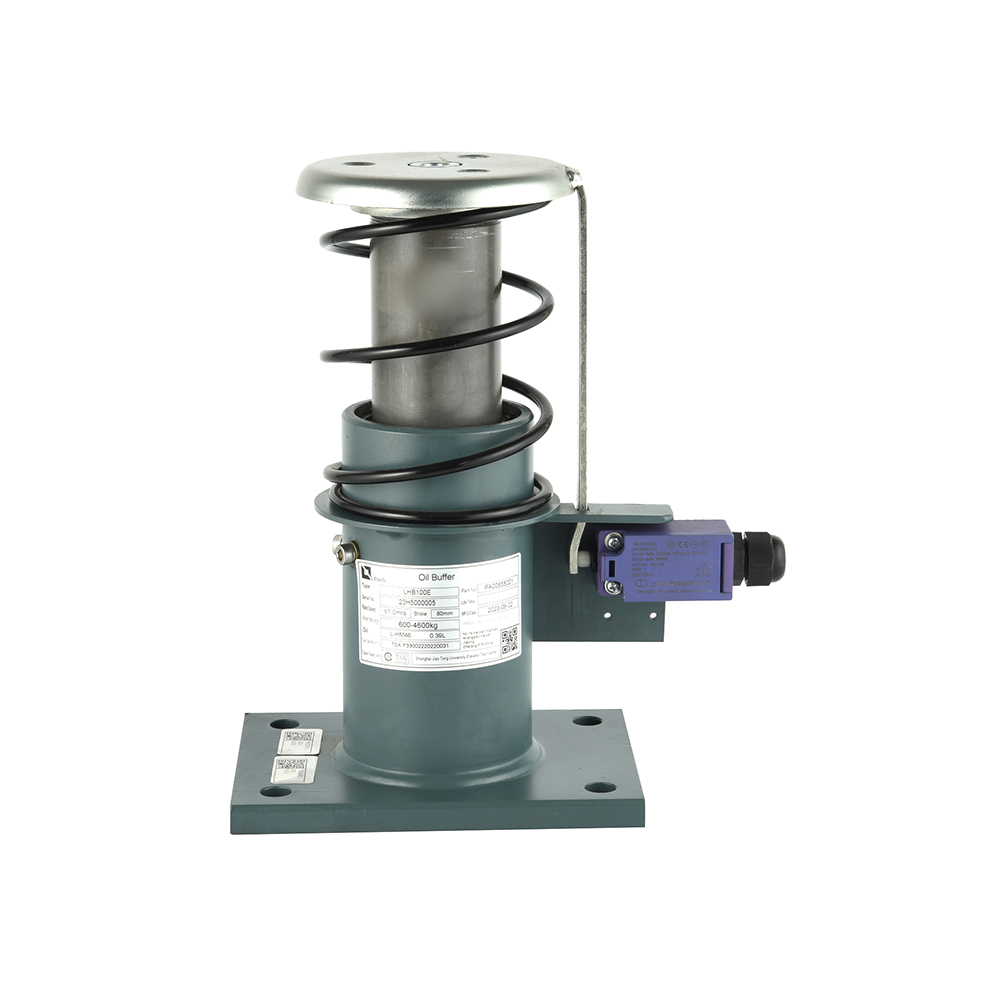
The core problem addressed by a certified speed governor is the risk of relying on an unverified or non-compliant safety-critical component. An elevator's control system has electronic overspeed detection, but codes universally mandate a separate, independent mechanical overspeed device as a redundant backup. If this governor is not properly certified, its performance in a real emergency is uncertain. It may trip at an incorrect speed (too early causing nuisance stops, too late failing to prevent danger), its switch may fail to close the safety circuit, or its mechanism may seize due to inadequate materials or construction. Using such a component exposes the elevator supplier and building owner to severe legal liability, invalidates type approvals, and most importantly, compromises passenger safety. Our supply of tested and certified governors solves this problem by providing components with validated performance. The certification process verifies that every design aspect, from the centrifugal flyweight calculation to the bearing selection and switch rating, has been professionally evaluated. It confirms that the manufacturing process is controlled to produce consistent units. It provides documentary evidence—the certification and test reports—that can be presented to authorities, insurers, and clients. This eliminates guesswork and liability from the component selection process. For modernizations, it provides a clear path to bringing an elevator up to current code requirements. In essence, we provide not just a mechanical device, but the certainty that comes with third-party-verified compliance and reliability.
Tested and Certified Elevator Speed Governors
-- Steady & Reliable Manufacturer --
The elevator speed governor is the sentinel of the safety chain, an independent mechanical device dedicated to one critical task: detecting overspeed and initiating the emergency stop sequence. Tested and certified governors are those that have undergone a rigorous conformity assessment process, resulting in formal certification for use in specific markets (e.g., CE marking per Lift Directive 2014/33/EU, compliance with ASME A17.1). This process transcends basic functional testing; it involves type-examination by an accredited Notified Body or recognized testing laboratory to verify that the design, manufacturing, and performance consistently meet all essential safety requirements of the applicable standard. A certified governor is more than a component; it is a documented assurance of safety. The certification encompasses the governor's tripping speed accuracy (typically within ±3-5% of the set value), its mechanical durability over thousands of operations, its environmental resilience (to temperature, humidity, dust), and the integrity of its switching mechanism. Modern governors may incorporate additional features like integrated rotary encoders for precise speed feedback to the elevator controller, enhancing ride quality while maintaining their independent safety function. The certification dossier includes detailed technical documentation, test reports, and a Declaration of Conformity, providing traceability and legal proof of compliance. For elevator manufacturers, installers, and building owners, specifying tested and certified governors is not merely a best practice—it is a fundamental requirement for legal market placement, insurance validity, and ultimately, for ensuring the integrity of the elevator's primary safety backup system.
Recommended Products
The Key Problem We Solve
Typical Applications
- New installations of all traction elevator types, from residential to high-speed.
- Modernization projects replacing obsolete or non-compliant governors.
- Retrofits to add UCMP (Unintended Car Movement Protection), requiring bi-directional governors.
- Elevator OEM production lines requiring certified components for their own system certification.
- Export projects to regions with strict certification requirements (EU, North America, etc.).
- Applications where proof of compliance is required for building permits or insurance.
Product Advantages
| Certification Standard | CE (Lift Directive 2014/33/EU), ASME A17.1, GB 7588, or other national standards. |
| Tripping Speed Accuracy | Typically within ±3% to ±5% of the set value, as verified by type testing. |
| Speed Range | Cover models from 0.25 m/s (residential) to 10.0 m/s+ (high-speed). |
| Governor Rope Diameter | Compatible with standard ropes (e.g., 6mm, 8mm, 10mm). |
| Switch Type & Rating | Mechanical micro-switch or hermetically sealed reed switch; rating for safety circuit (e.g., 250VAC, 5A). |
| Optional Features | Integrated incremental encoder (e.g., 1024 PPR), bi-directional tripping for UCMP. |
| Notified Body / Test Lab | Identification number of the certifying body (e.g., CE 0123) on marking. |
Selection & Compliance Considerations
Selecting a certified governor requires matching several parameters to the specific elevator project. First and foremost is legal jurisdiction: identify the required certification mark (CE, ASME, etc.) for the installation location. Next, determine the rated speed and tripping speed of the elevator. The governor must be available in a model that covers this speed range, and it will be factory-set to the calculated tripping speed (e.g., 115% of rated speed for down direction). Provide the governor rope diameter to ensure the sheave groove is compatible. Consider additional features: for modern control systems, a governor with an integrated encoder provides valuable speed feedback. For UCMP compliance, a bi-directional governor or a specific model capable of detecting upward overspeed is needed. Evaluate the installation environment: standard indoor, humid, or dusty conditions may dictate the need for enhanced sealing (IP rating) or corrosion-resistant materials. Always request and review the certification documentation before purchase. The Declaration of Conformity should clearly list the directive(s), harmonized standards, and the Notified Body number. Ensure the provided test report includes data for the specific tripping speed relevant to your elevator. Finally, verify that the supplier can provide the governor pre-set to your required tripping speed, as field adjustment should be minimal and requires calibrated equipment.
FAQ
- Q: What does the "CE" mark with a four-digit number mean on a governor?
- A: This indicates conformity with EU regulations. The CE mark itself is the manufacturer's declaration that the product meets all applicable EU directives (like the Lift Directive). The four-digit number following it (e.g., "CE 0123") is the unique identification number of the Notified Body. This specific body, accredited by an EU member state, performed the mandatory "EU-type examination" on the governor design and oversees the manufacturer's production quality assurance system. It is a key indicator of a fully certified safety component for the European market.
- Q: Can I adjust the tripping speed of a certified governor in the field?
- A: Most certified governors have a limited field adjustment range (e.g., ±5%) via an adjustable spring or weights. This allows for fine-tuning during installation or after a governor rope change. However, major adjustments or the initial setting should be done at the factory with calibrated equipment to ensure accuracy. Any field adjustment must be followed by a verification test using a calibrated tachometer, and the new setting should be documented. Incorrect adjustment can invalidate the certification and compromise safety.
- Q: How often should a certified governor be tested and by whom?
- A: Functional testing of the governor and the entire safety chain (governor trip to safety gear engagement) is a regulatory requirement with a defined periodicity (e.g., every 12 months under EN 81). This test must be performed by qualified elevator maintenance personnel or inspectors. It involves simulating an overspeed condition (usually by manually accelerating the governor sheave) and verifying that the safety gear activates and stops the car. The governor's switch operation is checked as part of this test. The certification ensures the governor is designed to withstand these periodic tests without degradation.
About Us
Shanghai Liftech Elevator Accessories Co., Ltd.
Founded in 2004, Shanghai Liftech Elevator Accessories Co., Ltd. is a specialized enterprise dedicated to the R&D, manufacturing, testing, and sales of elevator safety components. With over two decades of sustained development, Liftech has established itself as a leading manufacturer in China's elevator safety sector, providing high-quality products and solutions to a wide range of major elevator brands and engineering clients across domestic and international markets. We are ,China Wholesale Tested and Certified Elevator Speed Governors Suppliers and Tested and Certified Elevator Speed Governors OEM/ODM Manufacturers
For over 20 years, LIFTECH (est. 2004) has been a trusted force in the R&D, manufacturing, and full lifecycle support of premium elevator safety components.
Material Selection Guide
| Component & Environment | Standard Indoor Application | Harsh Environment (Dusty/Humid) | High-Reliability / Encoder Version | Housing & Sealing | Aluminum or steel housing, basic gasketing. | IP54 or IP65 rated housing; sealed bearings; corrosion-resistant fasteners. | Robust housing often with integrated encoder compartment. |
| Sheave & Bearings | Ductile iron sheave, standard sealed bearings. | Coated or stainless sheave; double-sealed or corrosion-resistant bearings. | Precision-machined sheave, high-quality bearings for smooth encoder signal. | ||||
| Switching Mechanism | Industrial micro-switch. | Hermetically sealed reed switch (immune to dust/moisture). | Redundant switch configuration or safety-rated switch. | ||||
| Shaft & Flyweights | Steel shaft, steel flyweights. | Stainless or coated components. | Balanced assembly for minimal vibration affecting encoder. |

