

 English
 中文简体
中文简体 русский
 Español
 Deutsch


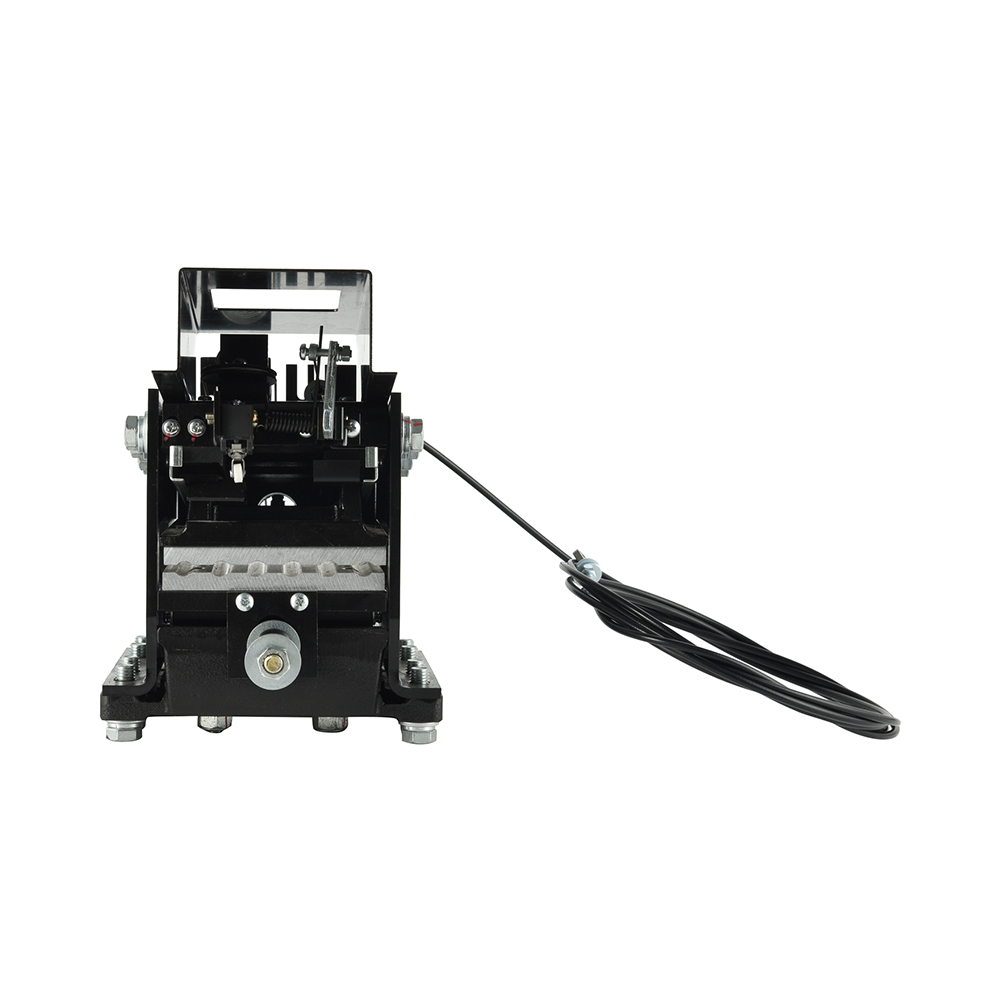
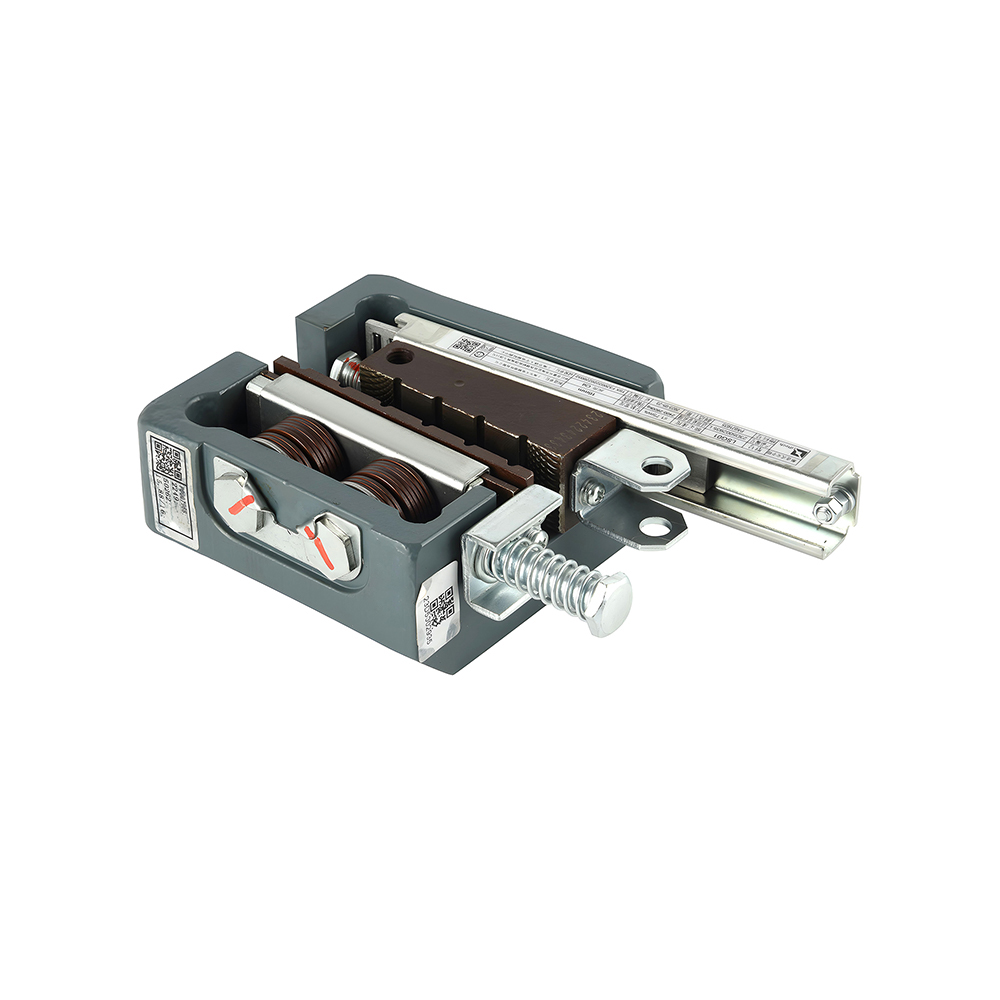
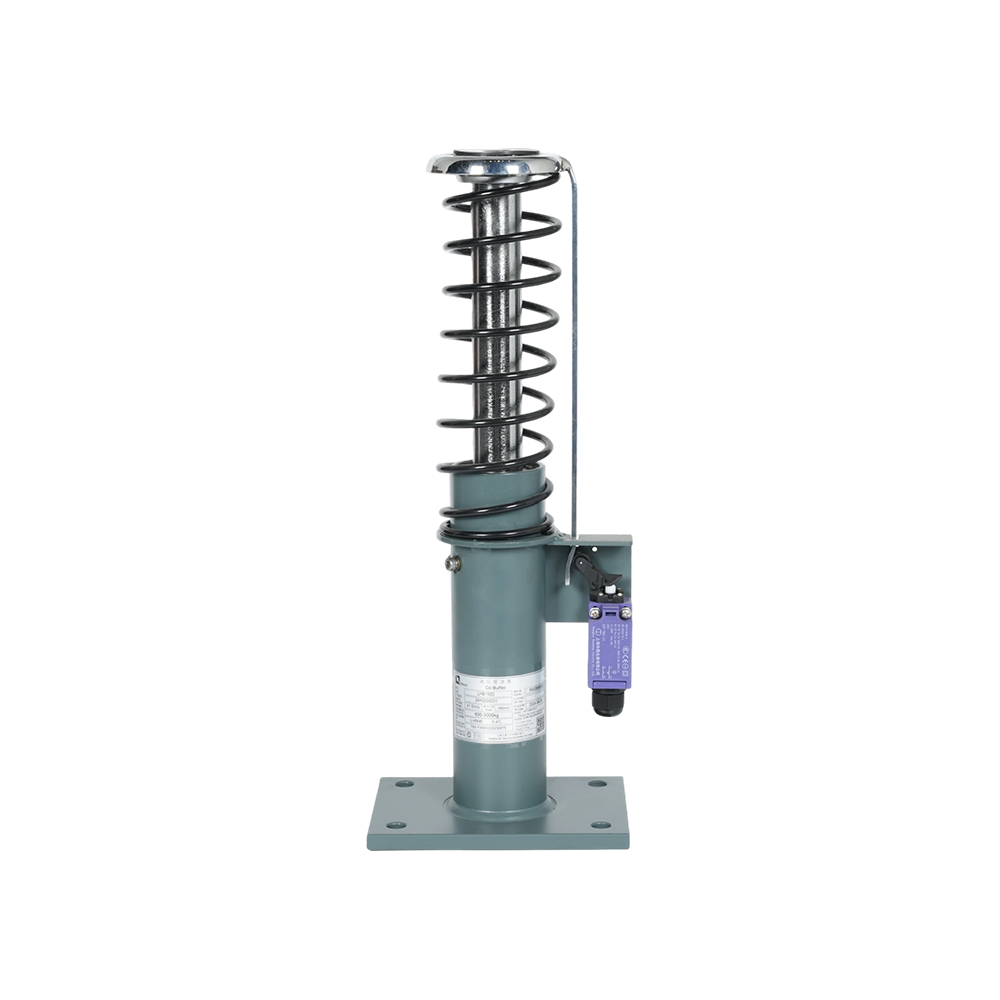
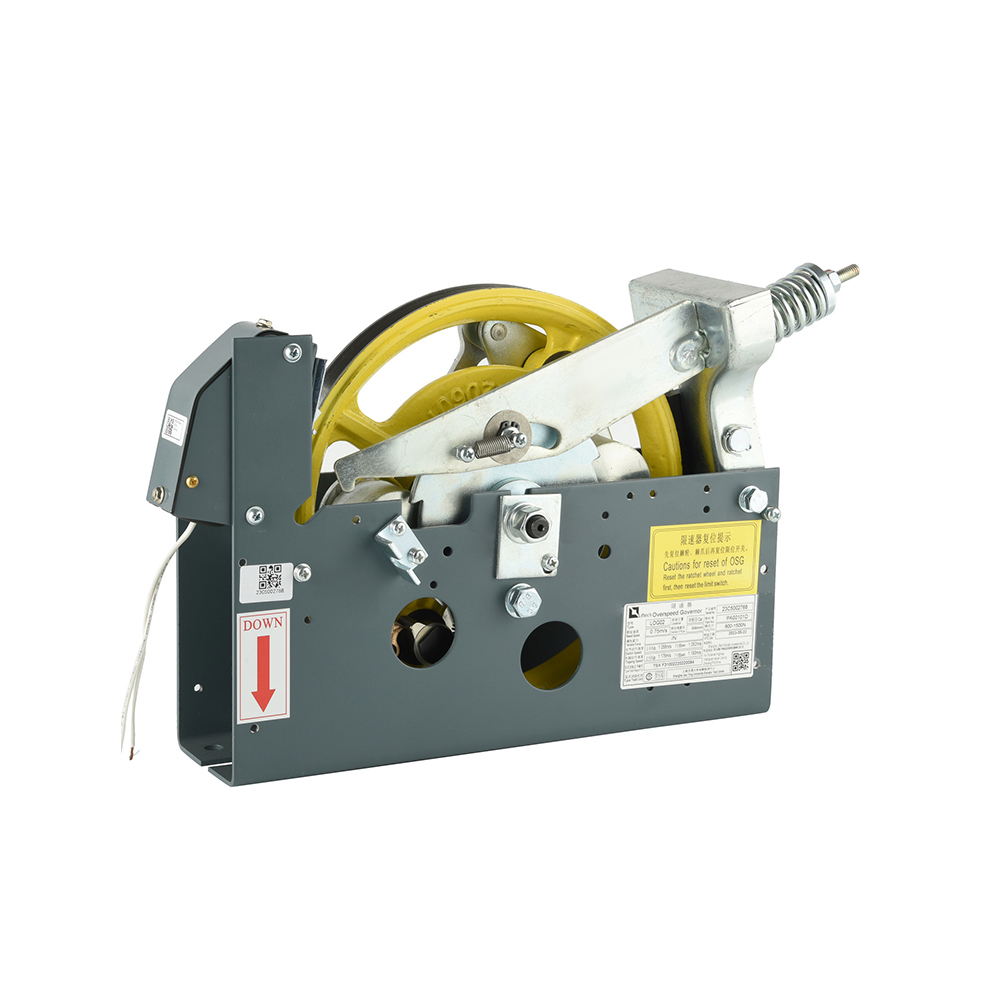
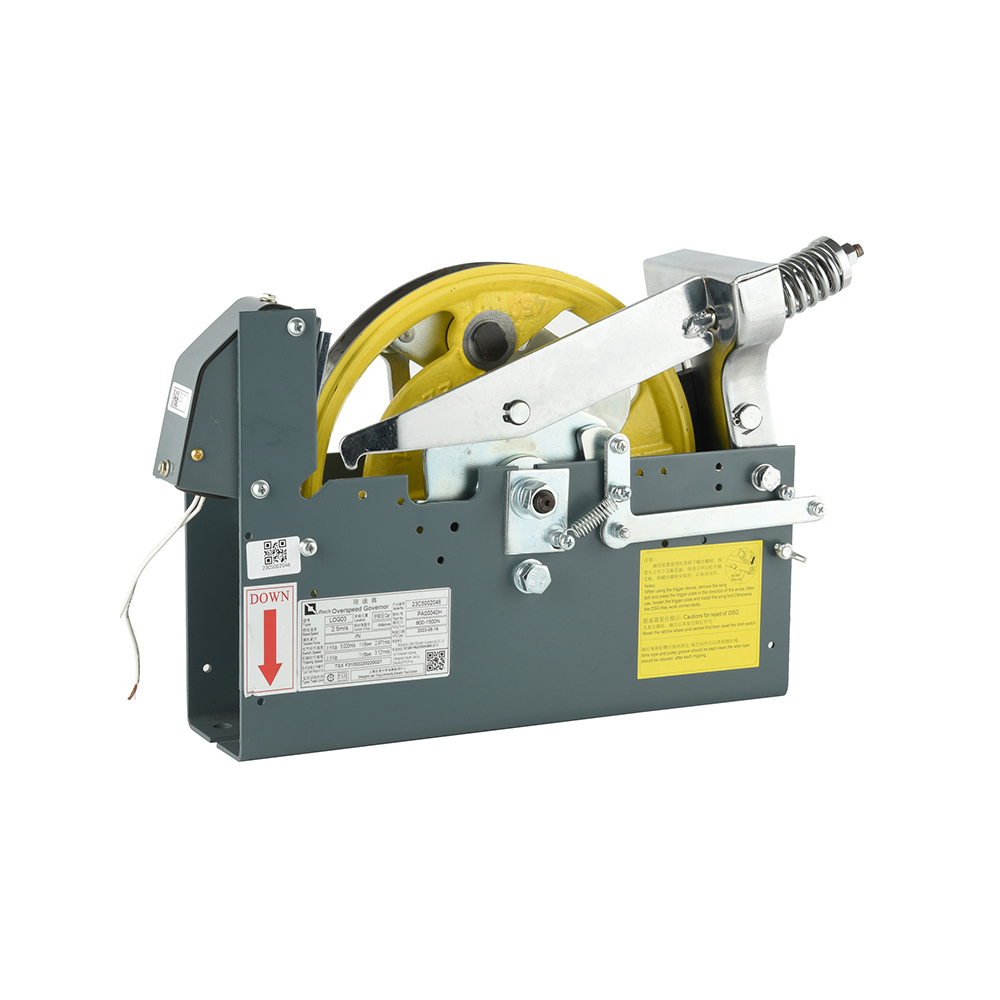
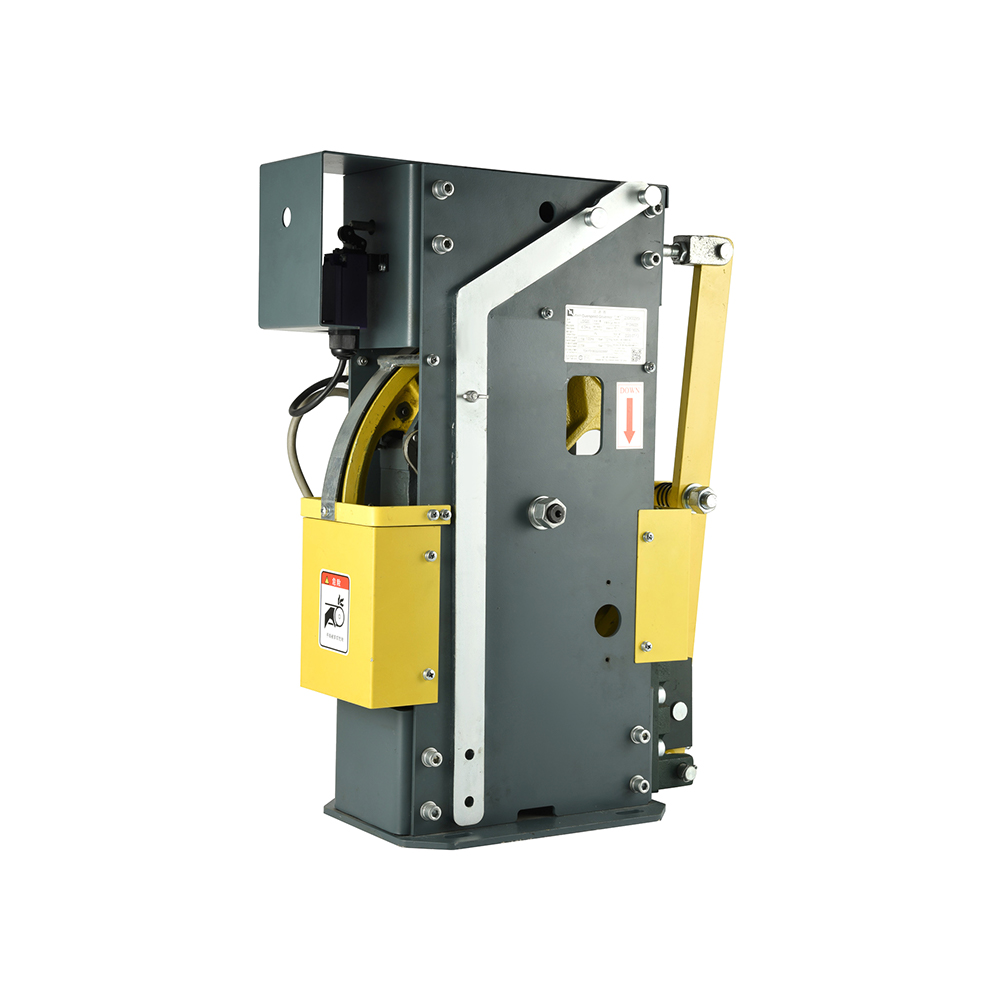
One of the most dangerous failure modes in traction elevators is "ascending car overspeed," where a failure in the counterweight system or the machine brake causes the car to crash into the overhead structure. Standard safety gears are often unidirectional (downward only), leaving the car vulnerable during upward travel. Rope braking units solve this upward overspeed problem by providing a bi-directional clamping force that stops the car regardless of the direction of travel. Another critical problem is the "slipping" of ropes on the traction sheave due to worn grooves or excessive lubrication. In such cases, the car may drift even if the machine brake is locked. The rope gripper solves this because it acts independently of the traction sheave. We also address the issue of UCMP (Unintended Car Movement Protection) compliance in older buildings. Many legacy elevators cannot be easily fitted with modern car-mounted safety gears. A rope braking unit offers an ideal retrofit solution, as it can be installed in the machine room without major modifications to the car or the hoistway. This significantly reduces modernization costs while bringing the building up to current safety codes (such as EN 81-80 or A17.1).
Elevator Steel Wire Rope Braking Units
-- Steady & Reliable Manufacturer --
Elevator steel wire rope braking units, often referred to as rope grippers, are autonomous safety devices designed to halt the car by applying force directly to the suspension ropes. These units are critical for preventing uncontrolled upward movement or unintended car motion (UCMP) when the primary machine brake fails. Unlike safety gears that grip the rails, rope grippers are usually mounted in the machine room or at the top of the hoistway. The mechanical logic involves two heavy-duty clamping pads that surround the main hoist ropes. In the event of an overspeed detection or a "door-open-with-movement" signal, a powerful spring-loaded or solenoid-driven mechanism slams the pads together, locking the ropes in place. Because they act on the ropes, they provide a redundancy that is completely independent of the elevator’s drive sheave or the car-to-rail interface. The friction material used in the pads is specifically formulated to provide a high coefficient of friction without causing abrasive damage to the steel wires. These units are particularly valued in high-capacity freight elevators and high-rise passenger lifts where the mass being controlled is significant. Modern rope braking units are equipped with advanced sensors that monitor pad wear and clamping force, ensuring the device is ready for an emergency trip. The integration of a rope gripper into an elevator's safety system provides a multi-layered defense strategy, effectively mitigating the risks associated with traction loss, motor failure, or brake shoe wear.
Recommended Products
The Key Problem We Solve
Typical Applications
- UCMP compliance for commercial office buildings
- Upward overspeed protection for high-rise lifts
- Safety redundancy for heavy-duty freight lifts
- Modernization of vintage traction elevators
Product Advantages
| Max Clamping Force | 35kN to 60kN |
| Rope Range | 8mm - 16mm diameter |
| Number of Ropes | Up to 10 ropes per unit |
| Trigger Signal | DC 24V / AC 220V Solenoid |
Selection & Compliance Considerations
Selection of a rope gripper requires a careful analysis of the total suspended weight and the number of ropes in the bundle. It is vital to ensure that the clamping pads are matched to the rope diameter to prevent point-loading which could deform the wire strands. Compliance with UCMP certification is a non-negotiable requirement for this category.
FAQ
- Will it flatten my ropes? No, the clamping force is distributed over a large surface area using specific groove profiles.
- How fast does it react? Response time is typically under 120ms from signal to full clamp.
- Can it be used on coated ropes? Yes, but friction coefficients must be verified with the manufacturer.
- Does it work during a power outage? Yes, it is a spring-fail-safe device; it requires power to stay open.
About Us
Shanghai Liftech Elevator Accessories Co., Ltd.
Founded in 2004, Shanghai Liftech Elevator Accessories Co., Ltd. is a specialized enterprise dedicated to the R&D, manufacturing, testing, and sales of elevator safety components. With over two decades of sustained development, Liftech has established itself as a leading manufacturer in China's elevator safety sector, providing high-quality products and solutions to a wide range of major elevator brands and engineering clients across domestic and international markets. We are ,China Wholesale Elevator Steel Wire Rope Braking Units Suppliers and Elevator Steel Wire Rope Braking Units OEM/ODM Manufacturers
For over 20 years, LIFTECH (est. 2004) has been a trusted force in the R&D, manufacturing, and full lifecycle support of premium elevator safety components.
Material Selection Guide
| Part | Material Specification |
| Clamping Lining | Non-asbestos Organic Friction Comp |
| Main Frame | High-Strength Structural Steel |

