
 English
 中文简体
中文简体 русский
 Español
 Deutsch


How Does an Overspeed Governor Protect Modern Elevators?
Content
- 1 Five High-Search-Volume Long-Tail Keywords for Industry Professionals
- 2 The Engineering of Overspeed Governors
- 3 Comparative Analysis: Mechanical vs. Electronic Overspeed Governors
- 4 Safety Gear Systems: The Final Braking Mechanism
- 5 Regulatory Framework and Compliance Standards
- 6 Market Dynamics and Procurement Considerations
- 7 Innovations in Electronic Safety Systems
- 8 Frequently Asked Questions (FAQ)
- 9 References and Further Reading
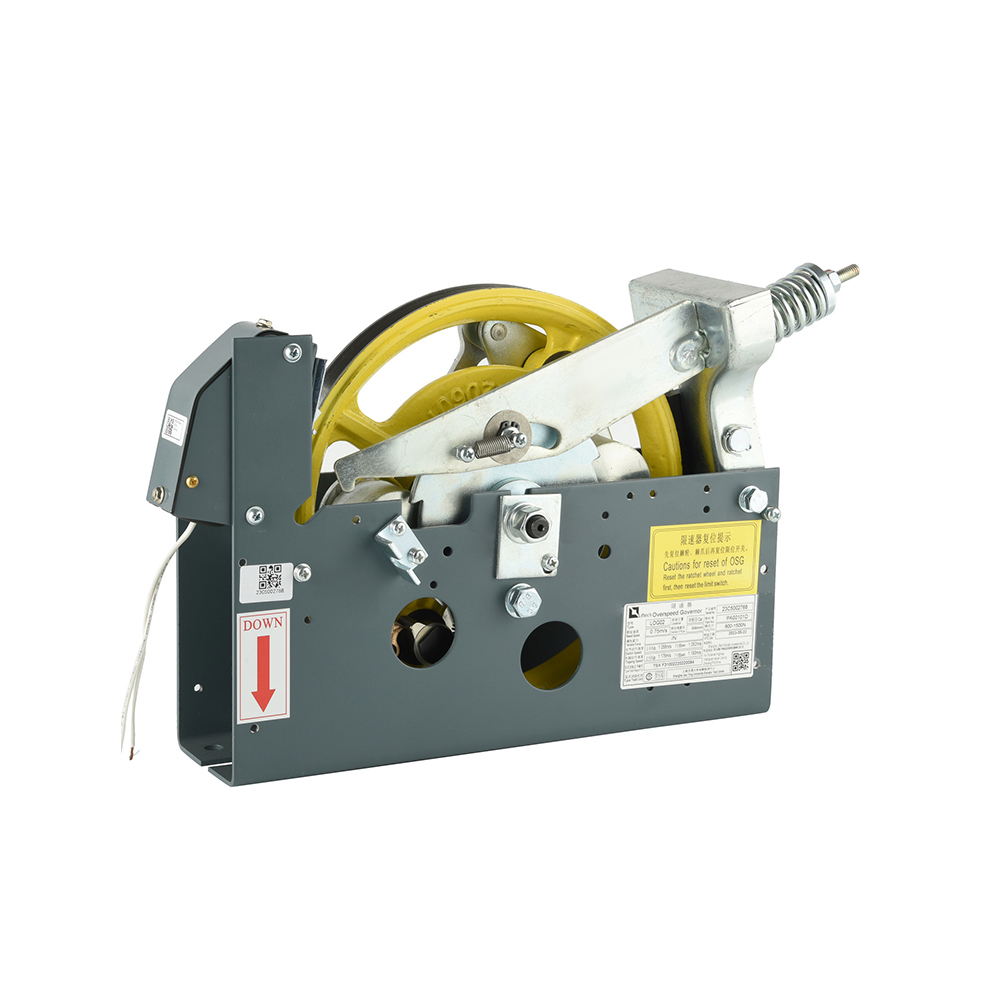
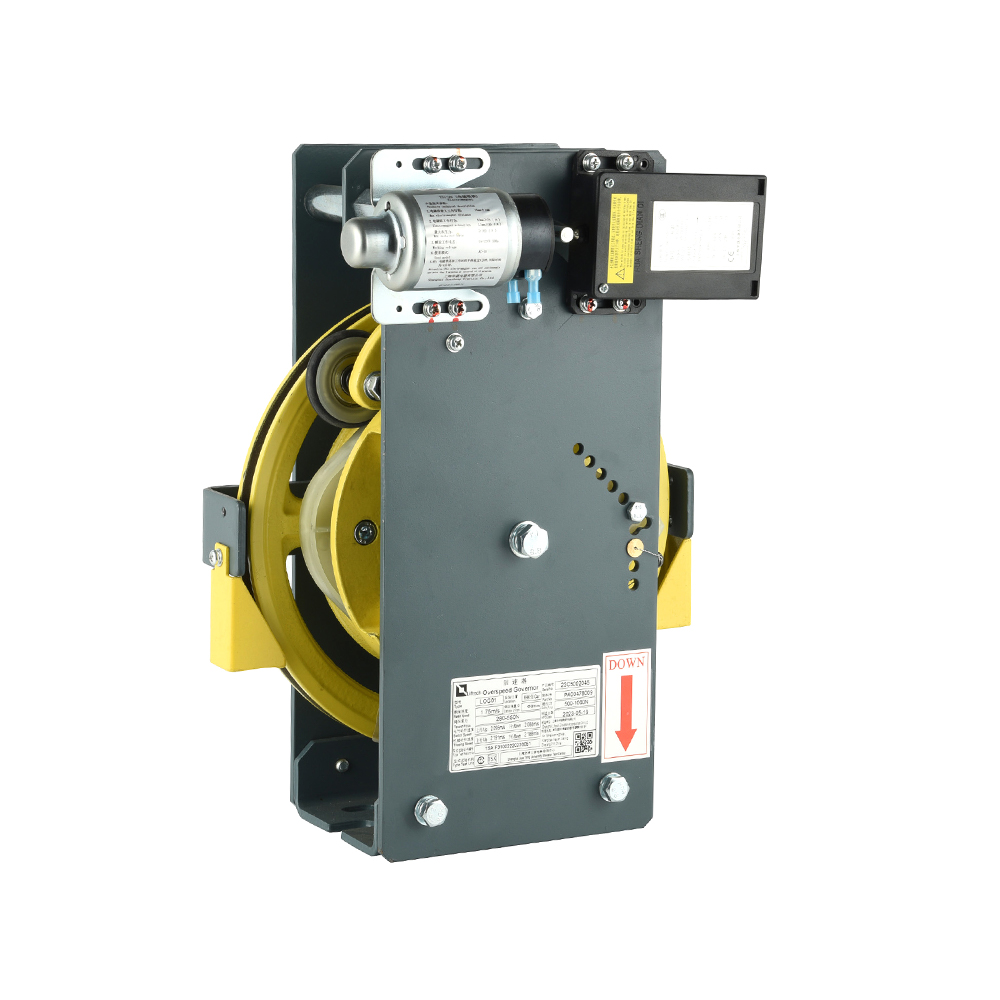
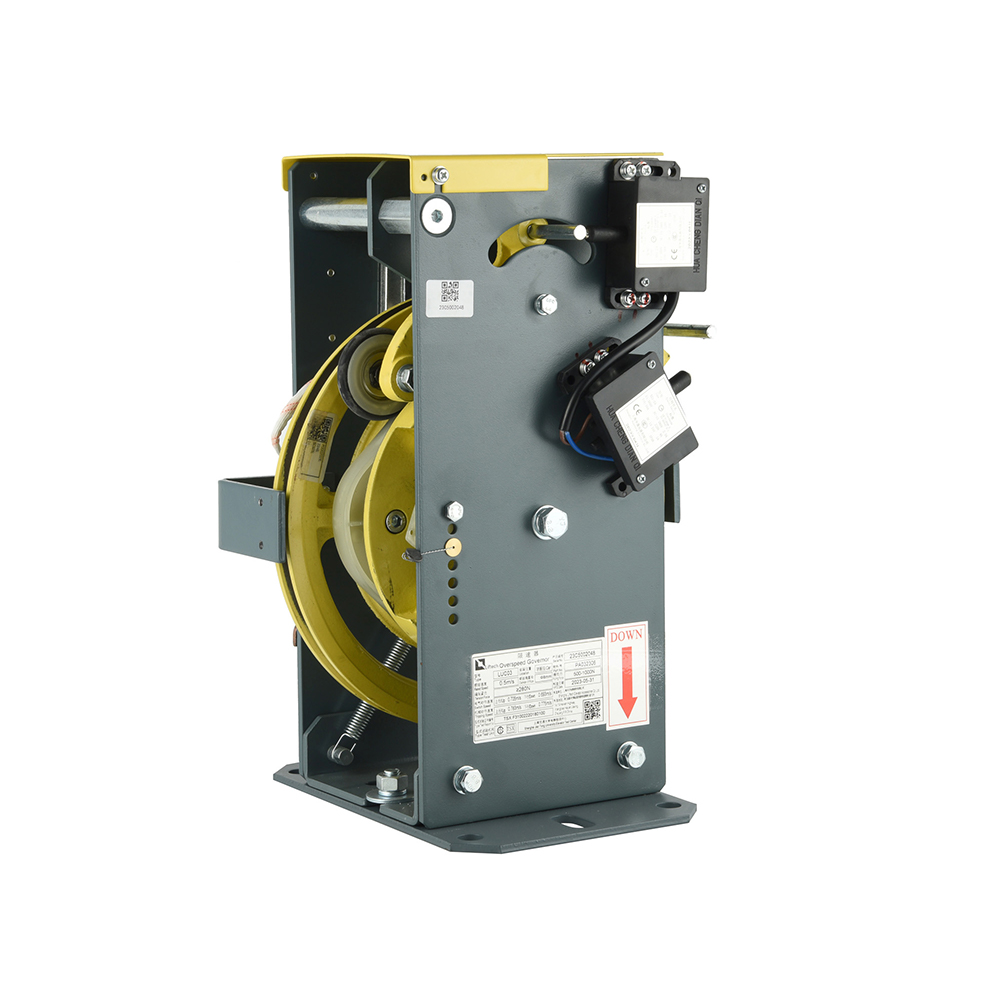
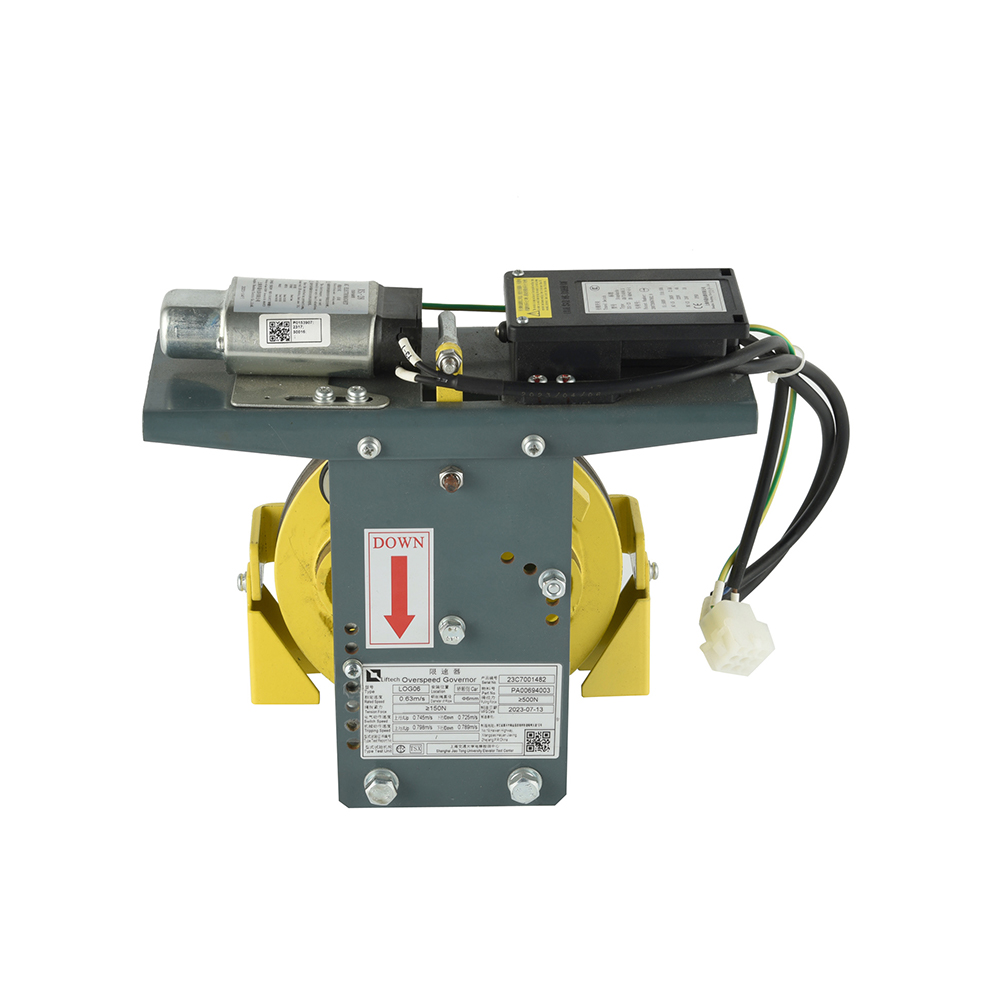
For procurement specialists, building safety engineers, and elevator manufacturers, understanding the critical subsystems that ensure passenger safety is paramount. Among the various elevator safety components, the overspeed governor stands out as the device that literally prevents free fall. Often called the "guardian" of the elevator system, this mechanical or electronic device constantly monitors descent speed and triggers the safety gear if the car moves too fast. This technical guide provides an engineering-level analysis of overspeed governor technology, compares traditional and electronic systems, and offers actionable insights for B2B sourcing of these mission-critical components.
Five High-Search-Volume Long-Tail Keywords for Industry Professionals
Engineers and procurement managers use specific terminology when sourcing overspeed governors and related systems. The following long-tail keywords represent current B2B search behavior in the elevator safety components market.
- electronic overspeed governor for elevators: This technical specification targets modern solid-state speed detection systems that eliminate mechanical flyweights and enable enhanced safety functions like Unintended Car Movement (UCM) detection.
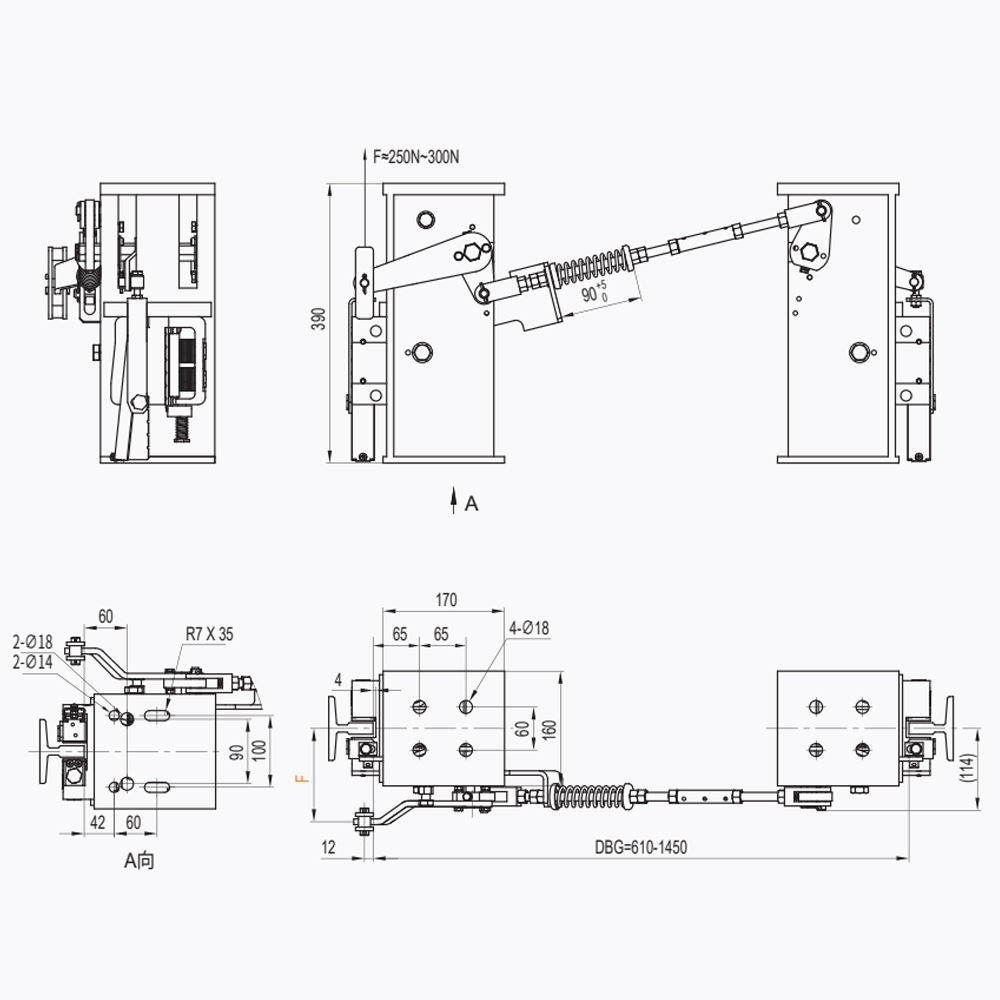
- elevator safety gear system: A broader system-level query encompassing both the governor and the mechanical braking device mounted on the car frame that physically engages the guide rails
- High-rise elevator overspeed governor: A performance-driven specification for high-speed applications (up to 10 m/s) requiring robust construction, hardened pulleys, and extended travel heights up to 400 meters.
- overspeed governor tensioning device: A component-level search for the tensioning assembly that maintains proper rope tension and absorbs vibrations, critical for reliable governor activation
- EN 81-20 compliant safety components: A regulatory-focused query indicating the need for components certified to the latest European elevator safety standards, which mandate enhanced testing and performance requirements .
The Engineering of Overspeed Governors
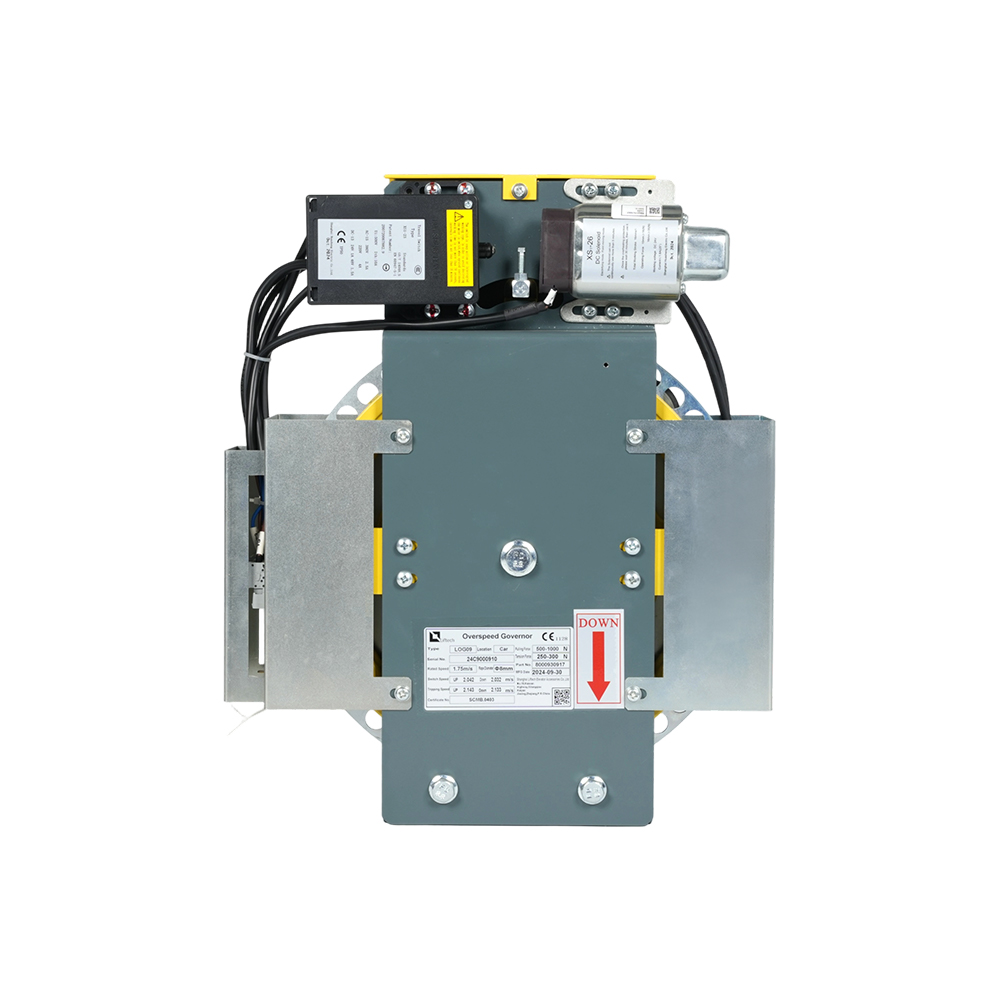
An overspeed governor is a centrifugal speed-sensing device that continuously monitors the elevator car's descent velocity. When the car exceeds a predetermined trip speed (typically 115-140% of rated speed), the governor mechanically or electrically activates the safety gear, which physically clamps onto the guide rails to stop the car .
Working Principle and Mechanical Design
The governor operates on fundamental physics: a rotating pulley driven by a steel rope looped around the car's safety gear mechanism. As the car descends, the pulley spins at a speed proportional to the car's velocity. Inside the governor, flyweights or centrifugal mechanisms pivot outward against spring tension. At the trip speed, these weights overcome the spring force and trigger either:
- Mechanical release: A cam or latch engages to stop the governor rope, which mechanically pulls the safety gear operating linkage on the car.
- Electrical disconnect: A switch opens the safety circuit before mechanical engagement, cutting power to the drive motor
Once triggered, the car slides a short distance (braking distance) as the safety gear absorbs kinetic energy, bringing the car to a controlled stop. Progressive safety gears are designed to provide a smooth, predictable deceleration within allowable limits (typically 0.2 to 1.0 g).
Critical Subsystems: Tensioning Devices
Proper rope tension is essential for reliable governor operation. The overspeed governor tensioning device mounted in the pit maintains constant tension on the governor rope, preventing slack that could delay activation. Modern tensioning designs incorporate parallelogram linkages and damping mechanisms to absorb vibrations while maintaining consistent force
Comparative Analysis: Mechanical vs. Electronic Overspeed Governors
The evolution of elevator safety components has introduced electronic overspeed detection as an alternative to traditional mechanical governors. Each technology offers distinct advantages depending on application requirements.
| Parameter | Mechanical Overspeed Governor | Electronic Overspeed Governor |
|---|---|---|
| Speed sensing mechanism | Centrifugal flyweights with calibrated springs | Encoder or magnetic sensor with digital processing |
| Typical speed range | 0.3 m/s to 10.0 m/s | 0.15 m/s to 2.5 m/s |
| Response characteristics | Mechanical inertia introduces slight delay | Instantaneous electronic triggering |
| UCM detection capability | Limited (requires separate systems) | Integrated Unintended Car Movement monitoring |
| Maintenance requirements | Periodic calibration and lubrication | Reduced mechanical wear; software updates |
| Typical applications | Standard to high-rise elevators | Machine-room-less (MRL) and space-constrained designs |
Electronic governors like the EOS system replace multiple mechanical components, integrating door zone monitoring, final limit switches, and inspection controls into a single SIL 3-certified unit. This integration reduces installation complexity and maintenance time while enhancing safety functionality
Safety Gear Systems: The Final Braking Mechanism
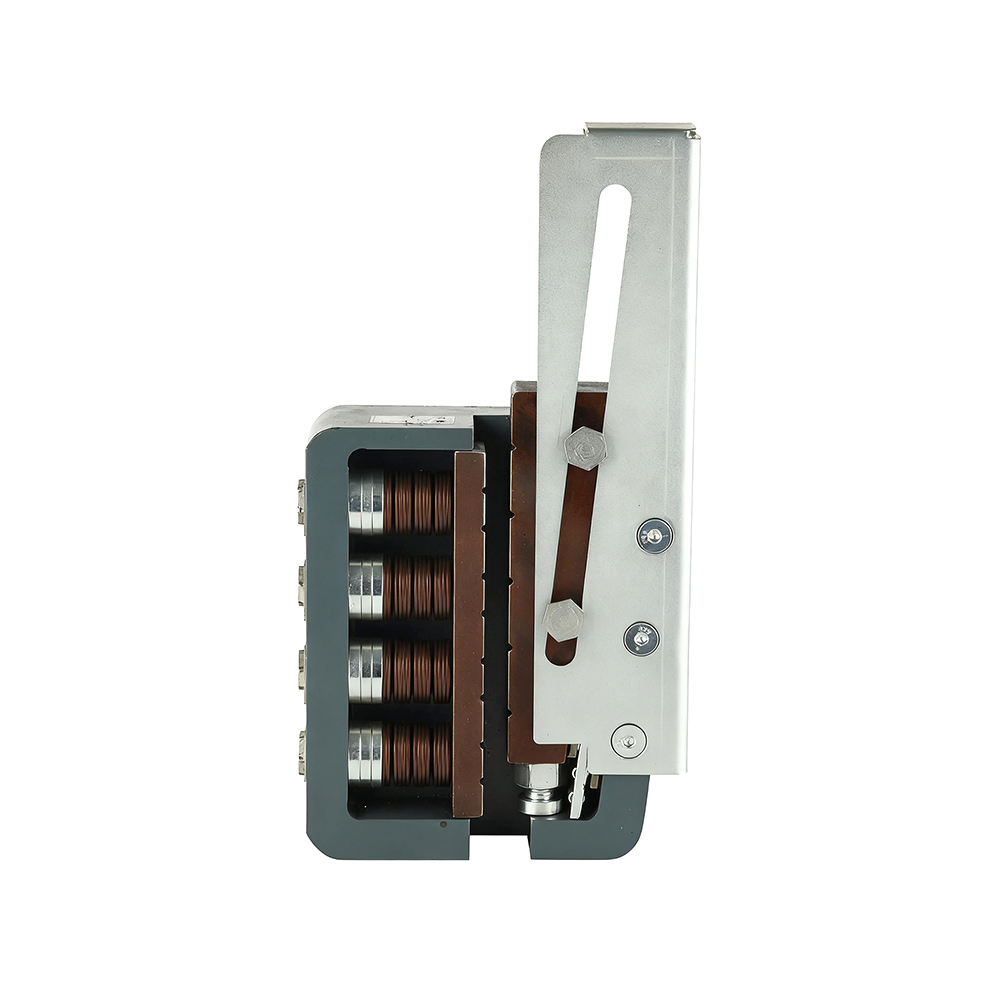
The governor triggers the elevator safety gear system—the mechanical braking device mounted on the car frame that physically engages the guide rails. Safety gears are classified by their braking action and application.
Progressive vs. Instantaneous Safety Gears
- Progressive safety gears: Designed for higher speeds (typically above 0.63 m/s), these devices incorporate flexible braking elements that apply gradually increasing force, providing controlled deceleration. They are characterized by a braking distance that increases with load and speed .
- Instantaneous safety gears: Used for lower speeds, these engage abruptly with minimal slip. They are simpler in construction but produce higher deceleration forces.
Critical Specifications for Safety Gear Selection
When sourcing safety gear or B2B applications, engineers must verify several parameters:
- Total permissible mass (P+Q): The combined weight of the cart nd the rated load that the safety gear can safely stop. For example, the M245/2000 progressive safety gear handles up to 2009 kg depending on the guide type.
- Guide rail compatibility: Thickness range (typically 8-16 mm) and guide type (rolled vs. machined) determine fit
- Nominal speed (Vn) and trip speed (Vd): Maximum operating speed and governor triggering threshold must be matched .
- Braking distance (A.F.): The stopping distance must fall within code-mandated limits, typically 20-40 mm .
Regulatory Framework and Compliance Standards
EN 81-20 compliant safety components represent the minimum acceptable standard for modern elevator installations in most global markets. These regulations mandate rigorous testing, certification, and documentation for all safety devices .
Key International Standards
- EN 81-20/50:2014: European standard covering design, construction, and testing of safety components. Requires type testing by notified bodies .
- ASME A17.1/CSA B44: North American standard with specific requirements for governor and safety gear performance.
- GB 7588: Chinese national standard harmonized with international requirements.
- ISO 9001: Quality management certification indicating consistent manufacturing processes
For B2B buyers, verification of these certifications through independent laboratory test reports is essential. Suppliers should provide Certificates of Conformity and detailed technical documentation for each batch .
Market Dynamics and Procurement Considerations
The global elevator safety system market reached $15.65 billion in 2026 and is projected to grow at 8.9% CAGR through 2030, driven by urbanization, high-rise construction, and the modernization of aging elevator infrastructure.
Sourcing High-Rise Applications
For high-rise elevator overspeed governor requirements, specifications become more demanding. The OL100 governor, for example, supports travel heights up to 400 meters and speeds to 10 m/s, featuring hardened pulleys and robust rope brake mechanisms pre-adjusted to limit braking force and protect the safety gear linkage from excessive stress.
Supplier Qualification Framework
When sourcing an electronic overspeed governor for elevators, procurement professionals should evaluate potential suppliers against these criteria:
- Technical compliance: Verifiable certifications from recognized testing bodies (TÜV, SGS, etc.).
- Manufacturing capability: In-house CNC machining, assembly, and testing facilities
- Quality assurance: Material traceability, in-line inspection, and batch test reports .
- Delivery performance: On-time delivery rates above 90% indicate logistical reliability .
- Technical support: Responsive engineering teams for installation and troubleshooting .
Sample testing before bulk orders is strongly recommended, including functional validation of trip speeds and braking performance .
Innovations in Electronic Safety Systems
Integrated safety supervisors like the iDiscovery system combine multiple elevator safety components into a single SIL 3-certified unit. These systems monitor door zones, detect unintended car movement (UCM), control reduced headroom operations, and provide overspeed detection with configurable speed limits—all while reducing installation complexity and eliminating numerous mechanical switches.
Similarly, the PSU03 evaluation unit works with magnetic sensors to trigger electromechanical safety gears while replacing traditional mechanical components such as magnetic switches, ramps, and roller limit switches
Frequently Asked Questions (FAQ)
How often should overspeed governors be tested?
Regulatory requirements mandate periodic testing of overspeed governors and safety gears. Typically, full-function tests are required at 5-year intervals, with visual inspections annually. However, specific intervals vary by jurisdiction and elevator type. Electronic governors may require different test protocols, often including software validation and sensor calibration checks .
What is the difference between unidirectional and bidirectional overspeed governors?
Unidirectional governors protect against overspeed in the down direction only, which covers the most critical free-fall scenario. Bidirectional governors (typically electronic) protect both up and down directions, addressing risks such as uncontrolled ascent due to counterweight overspeed or drive system failure.
How do I specify the correct governor for a modernization project?
When replacing an existing governor, you must match several parameters: rated speed, governor rope diameter, mounting configuration, and trip speed settings. Additionally, verify compatibility with existing safety gear linkage geometry. For older installations, consult the original equipment specifications or perform field measurements of critical dimensions. Electronic governors offer more flexibility through programmable parameters, but require careful integration with existing safety circuits
References and Further Reading
- CEDES Group. (2026). iDiscovery Safety Supervisor Unit – Product Specification.
- Kübler Group. (2026). PSU03 Shaft Copying System – Technical Data Sheet
- The Business Research Company. (2026). Elevator Safety System Global Market Report 2026 .
- Wittur Group. (2026). Overspeed Governors – EOS, OL35, OL100 Series Technical Catalog .
- Gervall Lift Components. (2026). Progressive Safety Gears M245/2000 – Technical Specifications .
- Alibaba.com. (2025). Elevator Safety Components Supplier Guide: Key Criteria & Performance Metrics .