
 English
 中文简体
中文简体 русский
 Español
 Deutsch


How Does an Elevator Safety Gear Protect Passengers?
Content
Introduction to Elevator Safety Systems
Vertical transportation in modern high-rise buildings relies on complex mechanical and electrical systems. While motors and controllers manage daily operations, mechanical redundancy remains the ultimate safeguard. The Elevator Safety Gear acts as the final line of defense against uncontrolled descent or free fall. This mechanical device is mandatory in almost all passenger elevators globally. It operates independently of the main drive system to ensure passenger safety even during a total power failure or rope breakage. Understanding its function requires a deep dive into mechanical engineering principles.
The Mechanics of the Speed Governor
The safety gear does not actuate by itself. It requires a trigger from an overspeed monitoring device.
The Role of the Elevator Overspeed Governor
The elevator overspeed governor serves as the primary speed monitoring unit. It is typically a centrifugal device located in the machine room or at the top of the shaft. A governor rope attaches to the elevator car and drives the governor sheave. As the car moves, the sheave rotates. Inside the sheave, centrifugal weights swing outward as rotational speed increases. If the car speed exceeds a predetermined limit (usually 115% to 140% of the rated speed), the weights throw a trigger mechanism. This action locks the governor sheave, creating a tension difference in the governor rope.
Sensing and Triggering Mechanisms
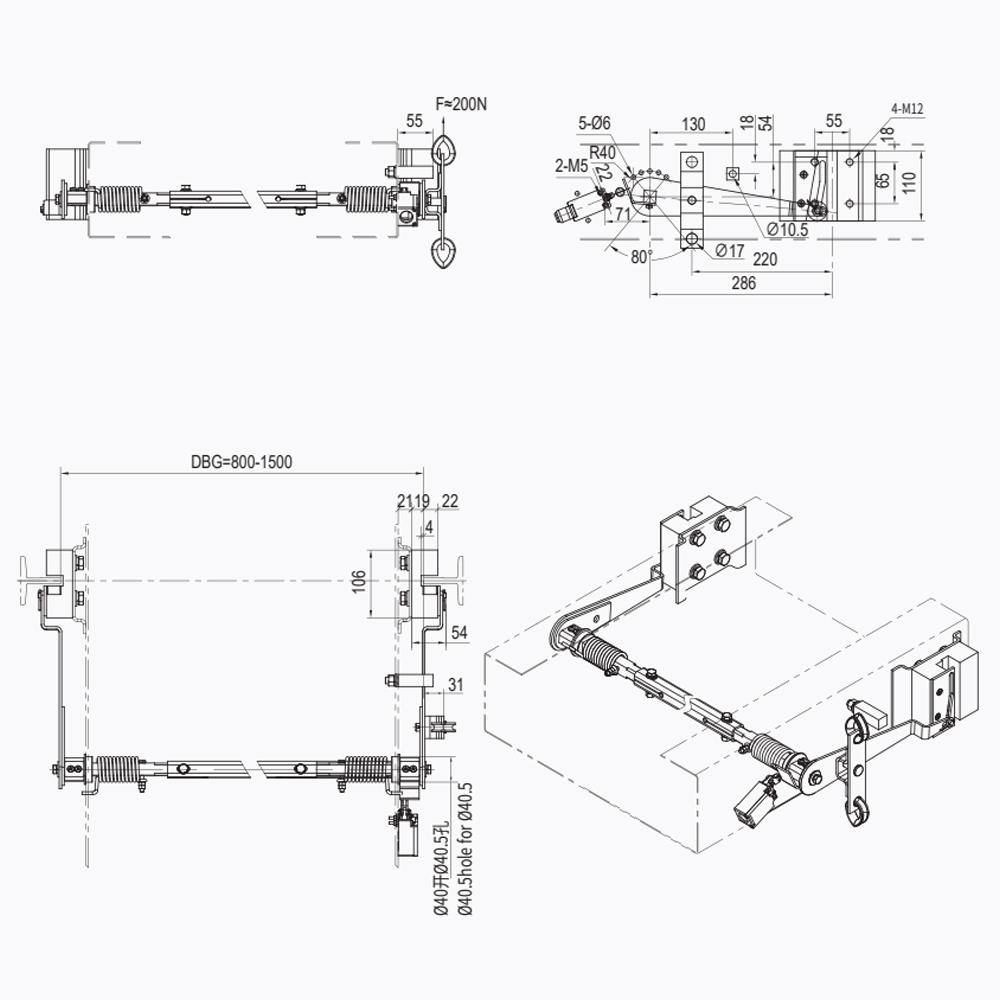
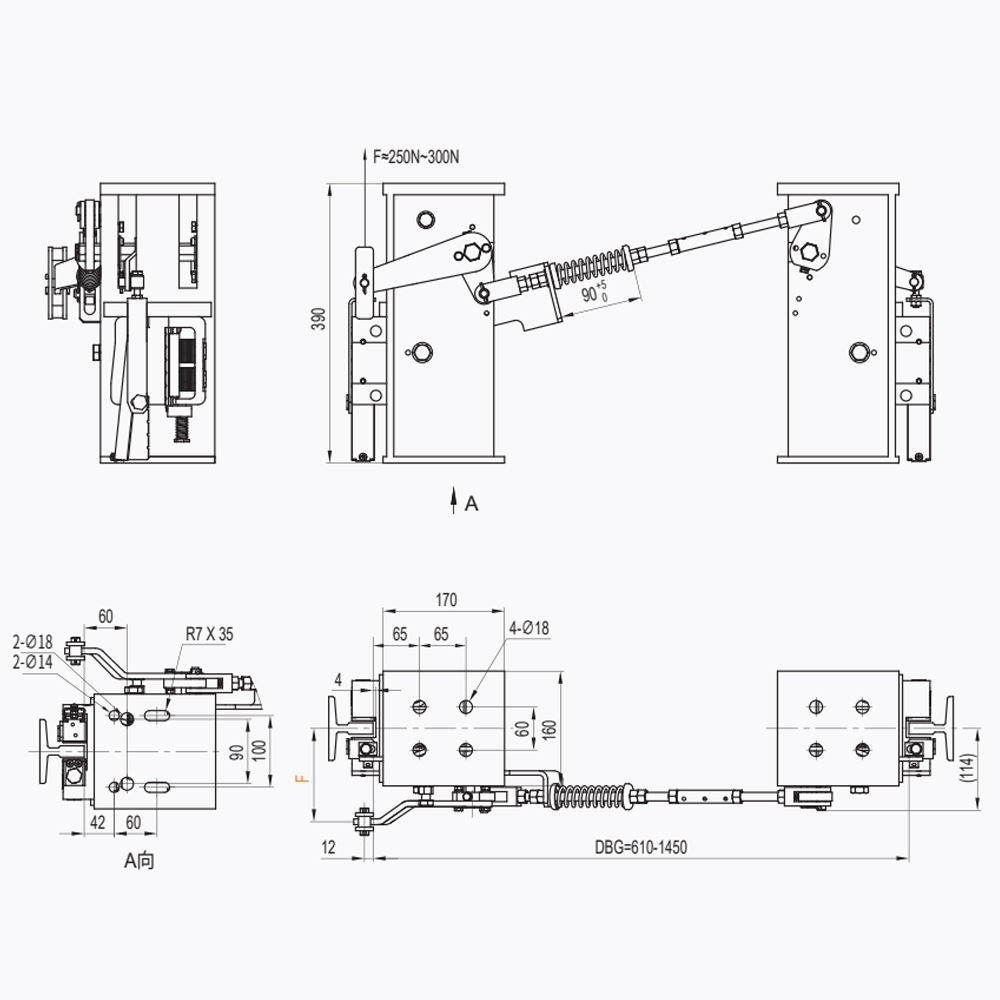
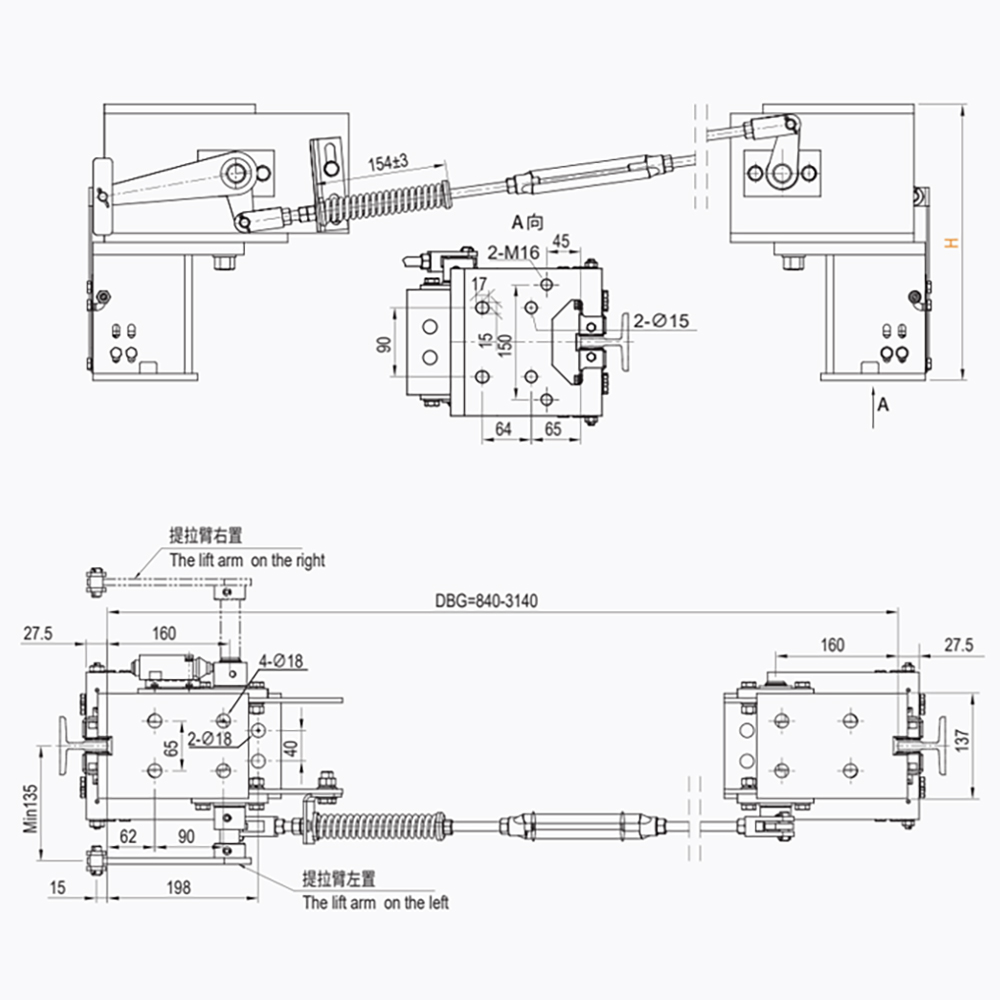
The tension in the governor rope activates the safety gear on the car frame. The system must distinguish between normal fluctuations and dangerous overspeed conditions. Engineers design the governor with precision-machined springs to calibrate the tripping speed. The rope tension pulls a lever or linkage on the car frame. This motion forces the safety gear wedges or cams into engagement with the guide rails. The entire sequence happens within milliseconds, ensuring the car stops before acceleration reaches dangerous levels.
Types of Safety Gear Mechanisms
Engineers classify safety gears based on their stopping characteristics and the forces they generate during engagement.
Instantaneous vs. Progressive Action
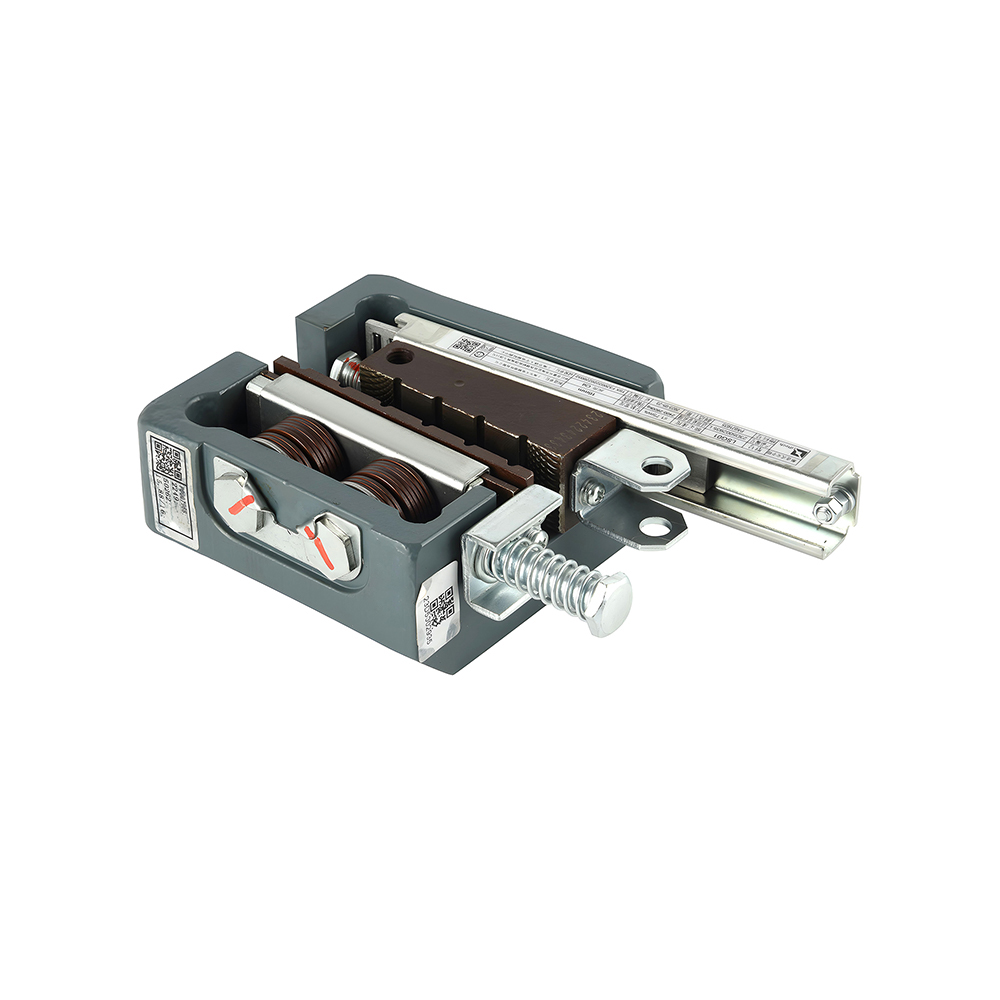
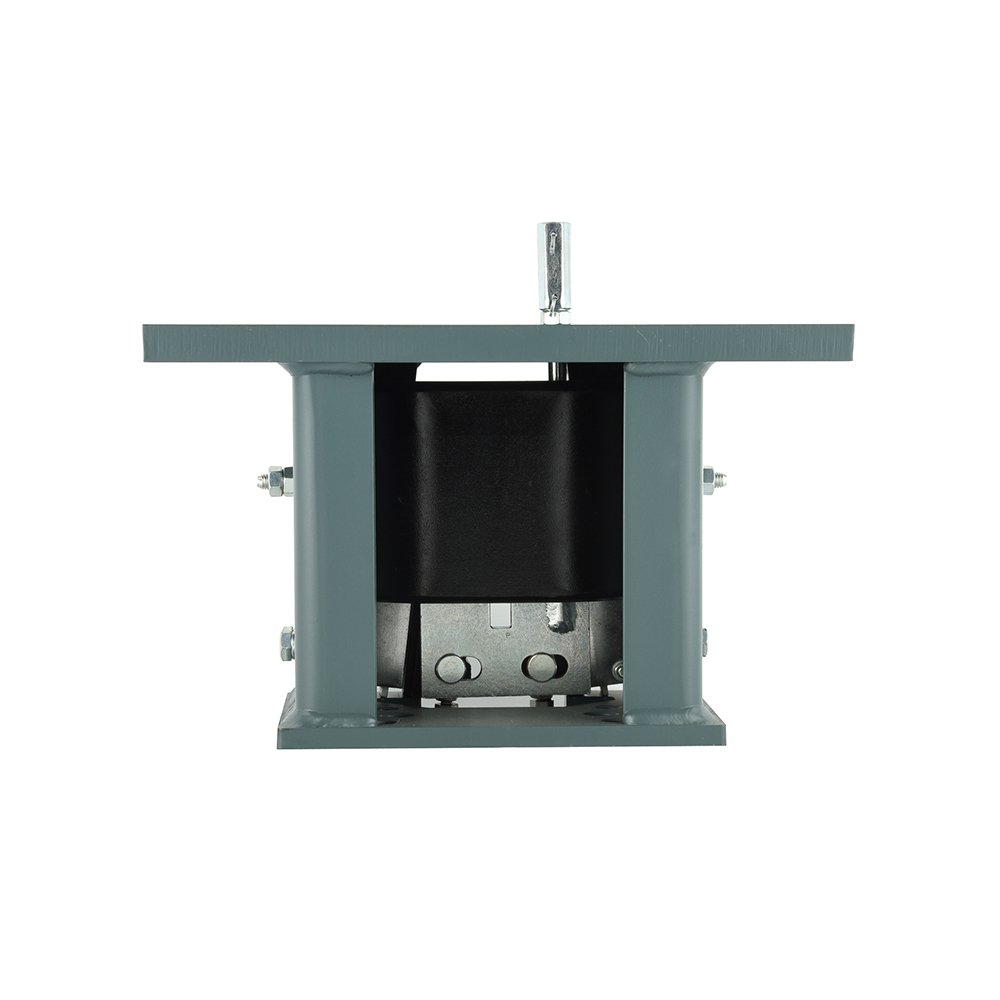
There are two primary categories of safety gear. The Instantaneous Safety Gear is characterized by its rapid engagement and short stopping distance. It uses a cam or wedge that almost immediately jams against the guide rail. This type is suitable only for low-speed elevators because it generates very high deceleration forces. In contrast, progressive types allow for a controlled stop. They use spring-loaded wedges that slide while generating friction, maintaining a constant braking force.
Comparative Analysis of Safety Gear Types
Selecting the correct safety gear depends on the elevator's rated speed and load capacity. Instantaneous types are economical but limited by the physical stress they impose on passengers and the car structure. Progressive types are standard for modern, high-speed installations. The table below highlights the technical differences between these two mechanisms.
| Feature | Instantaneous Safety Gear | Progressive Safety Gear |
| Stopping Distance | Very Short | Controlled / Longer |
| Deceleration Force | High (up to 2.5g - 5g) | Limited (approx. 1g) |
| Speed Suitability | Low Speed (≤0.63 m/s) | Medium to High Speed (>0.63 m/s) |
| Mechanism Type | Solid Cam/Wedge | Spring-loaded Wedge/Plunger |
| Rail Stress | High Impact | Distributed Load |
Operational Dynamics and Force Analysis
The physics behind the stopping process involves converting kinetic energy into thermal energy via friction.
Engagement and Friction Control
When the Elevator Safety Gear engages, the jaws grip the guide rail surface. In progressive types, the wedge design dictates the coefficient of friction. The geometry ensures that the braking force remains relatively constant regardless of the rail surface condition. Engineers must calculate the total mass of the car and the counterweight to determine the required braking force. If the force is too low, the car will not stop in time. If the force is too high, the sudden stop could injure passengers.
Integration in Traction Elevator Safety System
In a traction elevator safety system, multiple components work in unison. The safety gear interacts with the guide rails, which must be securely fastened to the building structure. The rail brackets must withstand the vertical and horizontal forces generated during a safety gear application. Furthermore, the car frame must possess sufficient structural rigidity to transfer the braking forces from the gear to the car suspension without deformation. B2B buyers must ensure that the safety gear model matches the rail width and surface hardness specifications.
Standards and Procurement Considerations
Progressive Safety Gear for High-Speed Applications
Modern high-rise buildings utilize high-speed elevators. These applications strictly require Progressive Safety Gear. The design allows the elevator to decelerate smoothly, preventing passenger injury. The components typically include a spring element that compresses during engagement. This compression regulates the pressure applied to the guide rail. Manufacturers must test these units under full load conditions to certify their performance according to EN 81 or ASME A17.1 standards.
Elevator Safety Device Testing Protocols
Quality assurance is non-negotiable in safety component manufacturing. Elevator safety device testing involves rigorous type testing and routine checks. Type testing verifies that the device can stop a car traveling at 115% of the rated speed with 125% of the rated load. Manufacturers perform drop tests in towers to validate the calculated stopping distances. Procurement managers should request these test certificates to verify authenticity. Additionally, the maintenance manual must outline periodic on-site tests to ensure the gear remains operational throughout its service life.
Conclusion
The Elevator Safety Gear remains the most critical component for passenger protection. Its ability to function independently of external power makes it a reliable fail-safe device. Engineers must carefully select between instantaneous and progressive types based on speed and comfort requirements. By adhering to international standards and conducting thorough testing, manufacturers and buyers can ensure the highest levels of safety in vertical transportation.
Frequently Asked Questions
- What triggers the elevator safety gear?
- What is the difference between instantaneous and progressive safety gear?
- How often should the safety gear be tested?
References
- Strakosch, G. R., & Caporale, R. S. (2016). The Vertical Transportation Handbook (4th ed.). Wiley.
- EN 81-20:2014. Safety rules for the construction and installation of lifts. European Committee for Standardization.
- ASME A17.1-2019. Safety Code for Elevators and Escalators. American Society of Mechanical Engineers.
- Janis, P. (2018). "Dynamic Analysis of Elevator Safety Gear Engagement." Journal of Mechanical Design.
- Fortune, J. (2015). "Elevator Safety Systems: A Historical Perspective." Elevator World Educational Services.