

 English
 中文简体
中文简体 русский
 Español
 Deutsch


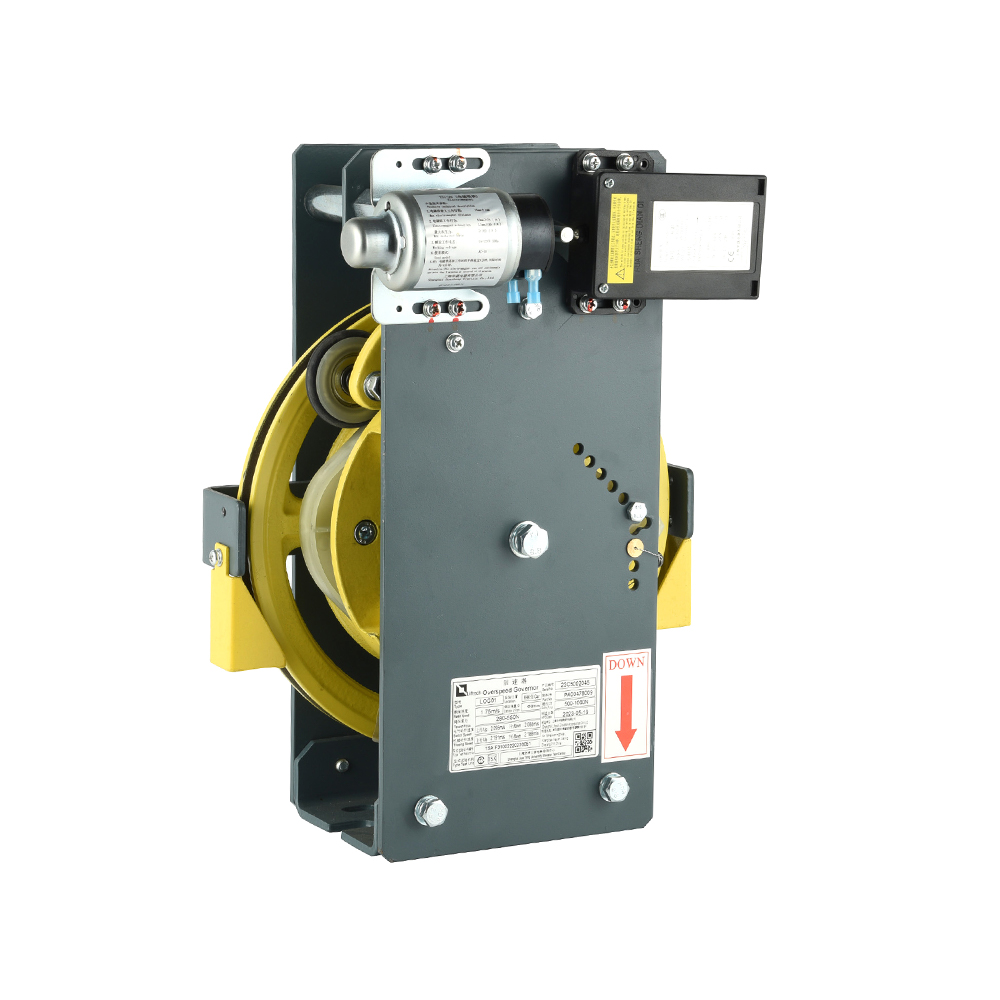
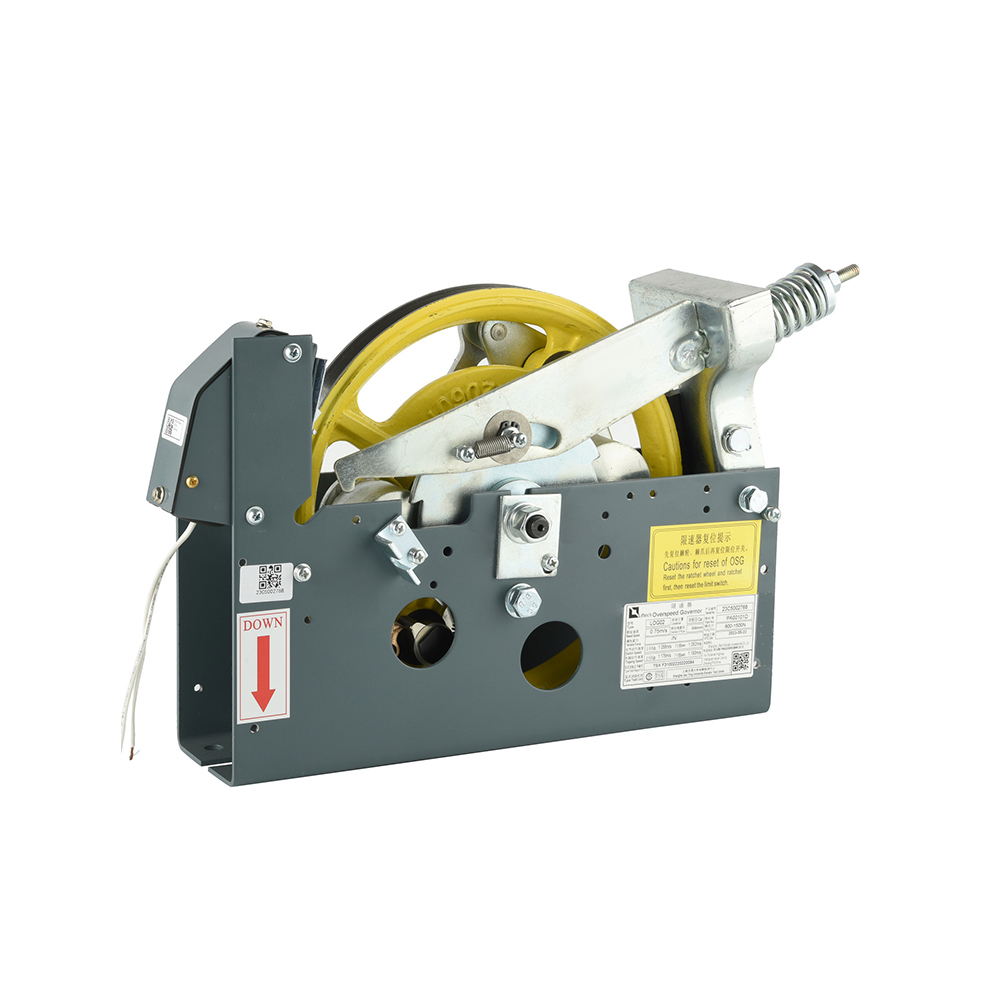
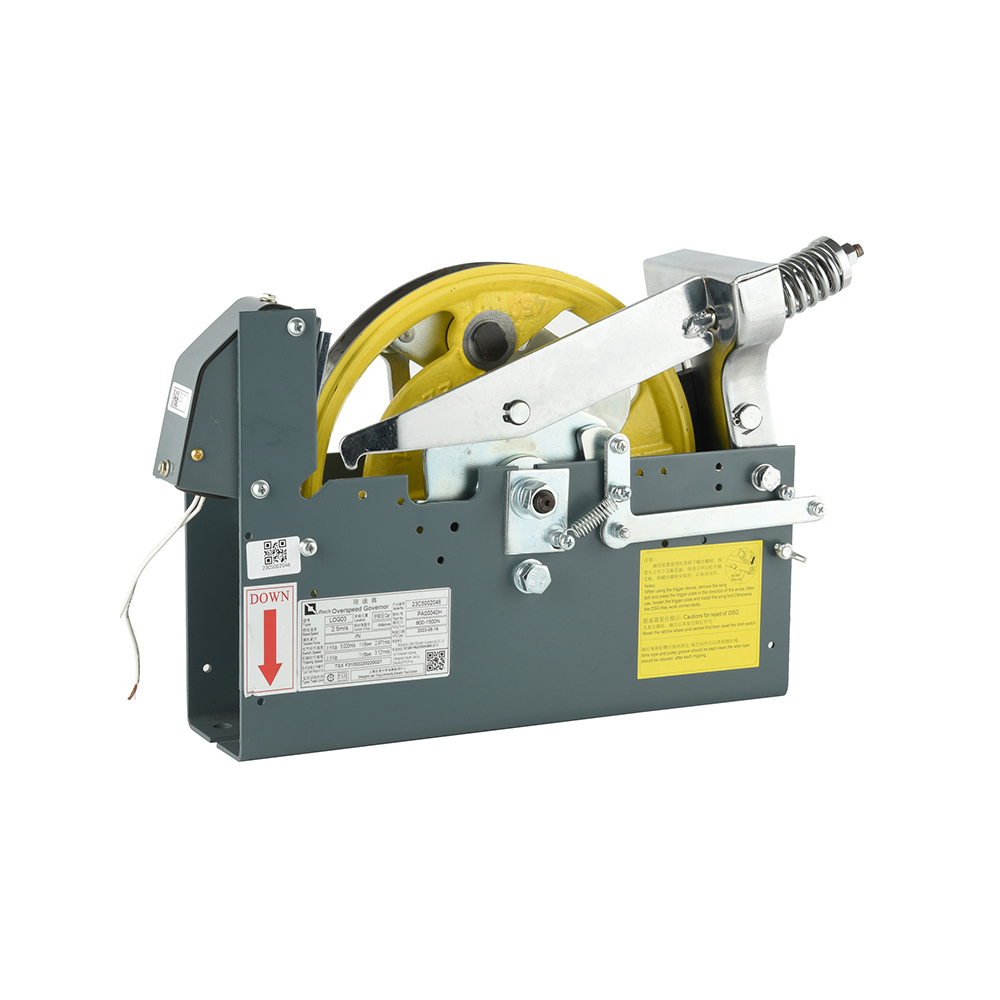
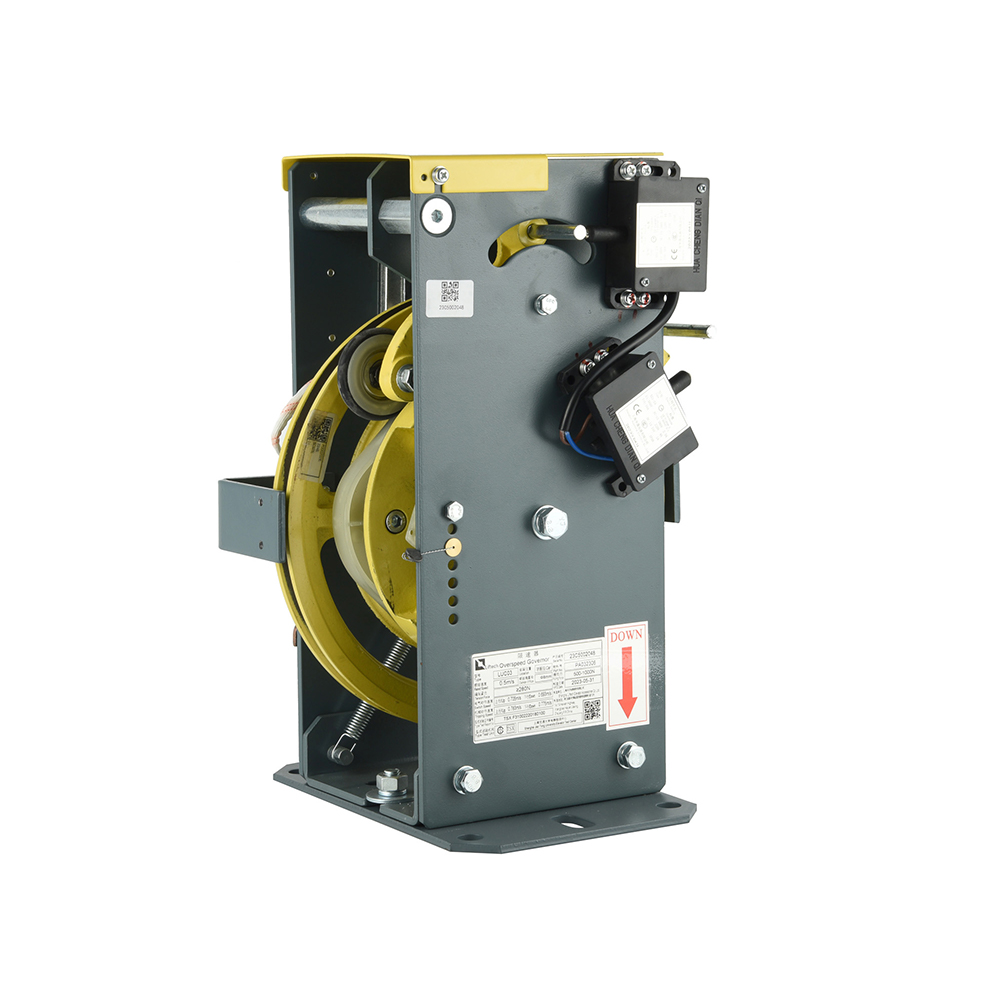
The most critical problem solved by bi-directional governors is "Ascending Car Overspeed," a high-risk failure mode where an empty car is pulled upward at lethal speeds by a heavy counterweight after a brake or traction failure. Standard governors would sit idle during this event; our bi-directional units detect the upward surge and trigger the safety intervention, preventing the car from crashing into the overhead machinery. Another major issue is "Nuisance Tripping" during high-acceleration starts. In modern high-speed lifts, the sudden ramp-up in speed can cause standard governors to "bounce" and trip accidentally; we solve this through "Damped Flyweight Technology," using high-viscosity pivot grease and precision-calibrated return springs that filter out transient acceleration spikes. We also address the "Modernization Space" problem. In older buildings, there is often no room for a large governor; our "Slim-Line" governors solve this by utilizing a vertical centrifugal arrangement that reduces the width of the unit by 50%, allowing it to fit between the guide rail and the shaft wall. Furthermore, for Machine-Roomless (MRL) elevators, the problem of "Governor Resetting" is significant, as the governor is often inaccessible. Our units solve this by featuring an "Auto-Resetting Latch" and a remote solenoid reset, allowing the lift to be put back into service from the ground floor after a test or a trip. Finally, we solve the "Rope Slippage" issue on the governor sheave. By utilizing a "V-Groove" with high-friction hardening, we ensure that the governor rope will never slip during a trip, guaranteeing that 100% of the required tension is transmitted to the safety gear linkage every time.
Bi-Directional Overspeed Governors
-- Steady & Reliable Manufacturer --
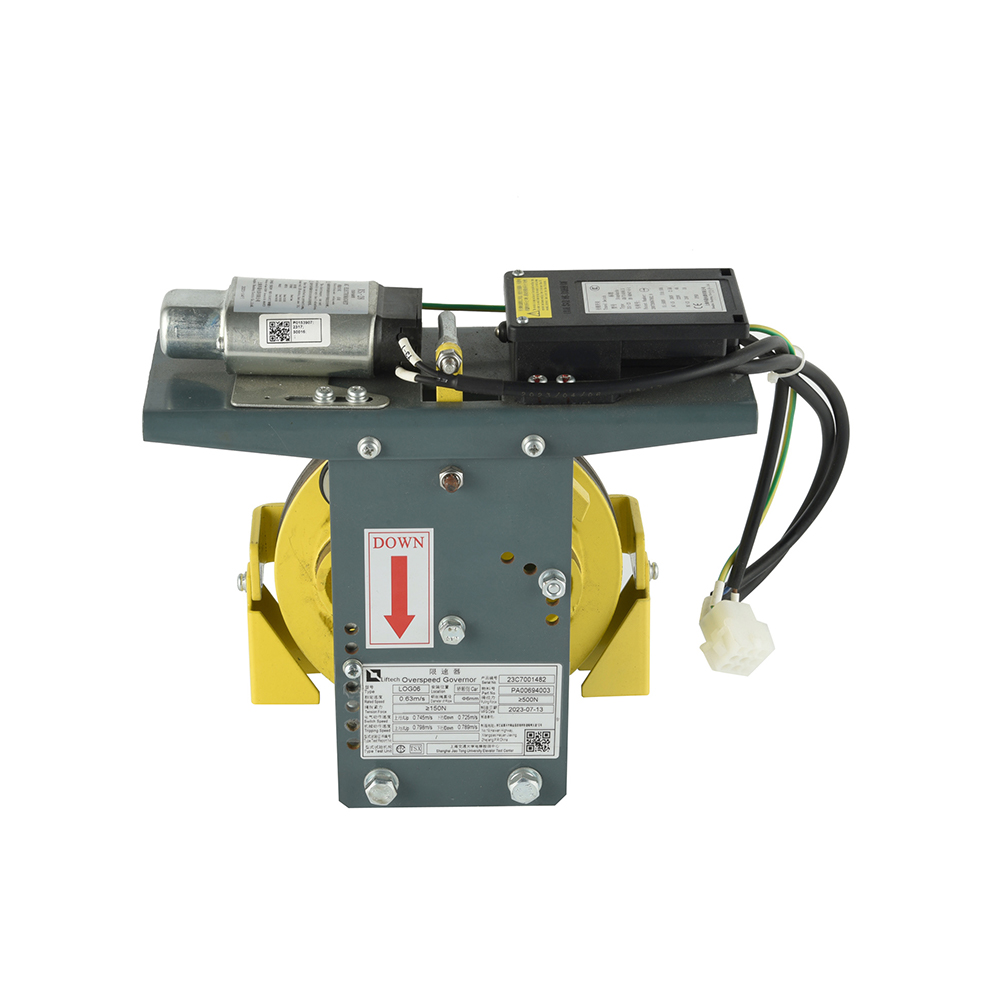
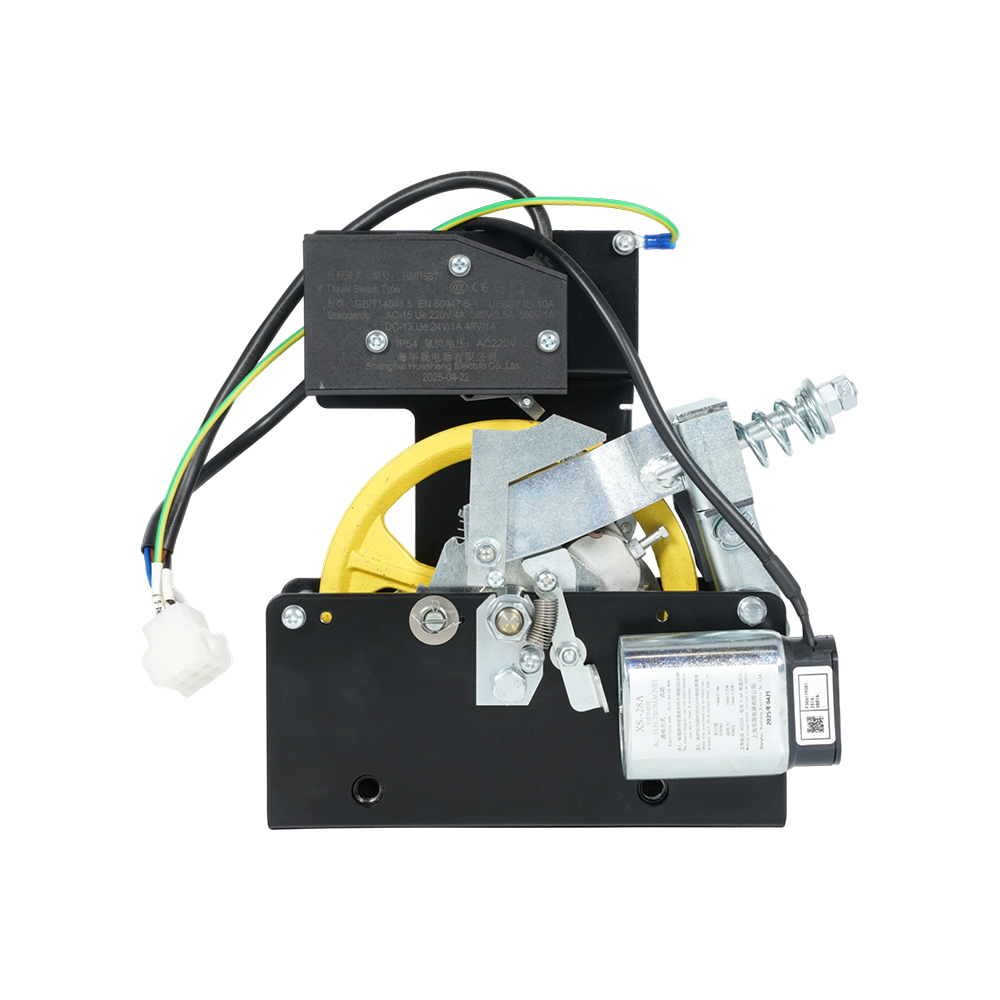
Bi-directional overspeed governors are the primary "command and control" safety units that monitor the real-time velocity of an elevator car as it travels both upward and downward. Unlike traditional governors that only protect against downward free-fall, bi-directional units provide a comprehensive safety envelope by detecting uncontrolled upward motion—often caused by counterweight failure—and triggering the appropriate safety gear or rope gripper. The mechanism operates on a centrifugal principle: as the governor sheave spins, internal weighted flyweights expand against spring tension. If the rated speed is exceeded by a pre-set margin (typically 15% to 25%), the flyweights trip a mechanical latch that locks the sheave, instantly creating tension in the governor rope which then pulls the safety gear linkage on the car. These governors are engineered with high-precision sheaves, usually 200mm to 300mm in diameter, machined from ductile iron to provide a perfect friction interface with the steel wire rope. They are equipped with a "Remote Trip" solenoid, allowing inspectors to test the safety gear engagement from the controller room without physically over-speeding the lift. Additionally, these units incorporate an encoder interface for digital speed feedback and a safety switch that opens the electrical safety chain before mechanical locking occurs. Whether installed in a dedicated machine room or on a compact MRL bracket, the bi-directional governor ensures that every centimeter of travel is monitored for compliance with the strictest international safety envelopes.
Recommended Products
The Key Problem We Solve
Typical Applications
- Traction elevators requiring EN 81-20/50 compliance
- MRL elevators with no machine room access
- High-speed passenger lifts in commercial towers
- Industrial freight elevators with bi-directional safety gears
- Modernization of vintage elevators with upgraded safety logic
Product Advantages
| Tripping Speed (m/s) | Sheave Diameter (mm) | Rope Diameter (mm) | Solenoid Voltage | Response Logic |
| 0.40 - 2.50 | 200 / 240 / 300 | 6.0 / 6.3 / 8.0 | DC 24V / AC 220V | Centrifugal Bi-Dir |
| Digital Feedback | Hardened Groove | High-Tensile Steel | Remote Reset | Dual-Latch |
Selection & Compliance Considerations
Selecting a governor involves matching the tripping speed exactly to the safety gear's rated speed. It is also vital to ensure the tensioning weight in the pit is correctly sized (typically 35kg to 50kg) to maintain the necessary traction in the governor rope. Compliance with UCMP (Unintended Car Movement Protection) requirements often dictates the need for a governor with a remote-triggering solenoid to test the system's response to door-open movement.
FAQ
- Can the tripping speed be adjusted in the field? No, for safety reasons, speeds are factory-set and lead-sealed to prevent tampering.
- Does it work with plastic-coated ropes? We recommend standard steel wire ropes for optimal friction; coated ropes require a custom groove profile.
- What is the function of the encoder? It provides real-time speed data to the elevator controller for smoother floor leveling and pre-trigger alerts.
- Is the remote trip mandatory? For most modern codes (like EN 81-20), it is required for safety testing without entering the hoistway.
About Us
Shanghai Liftech Elevator Accessories Co., Ltd.
Founded in 2004, Shanghai Liftech Elevator Accessories Co., Ltd. is a specialized enterprise dedicated to the R&D, manufacturing, testing, and sales of elevator safety components. With over two decades of sustained development, Liftech has established itself as a leading manufacturer in China's elevator safety sector, providing high-quality products and solutions to a wide range of major elevator brands and engineering clients across domestic and international markets. We are ,China Wholesale Bi-Directional Overspeed Governors Suppliers and Bi-Directional Overspeed Governors OEM/ODM Manufacturers
For over 20 years, LIFTECH (est. 2004) has been a trusted force in the R&D, manufacturing, and full lifecycle support of premium elevator safety components.
Material Selection Guide
| Component | Material Specification | Tolerance | Testing Standard | Benefit |
| Main Sheave | Ductile Iron QT450 | +/- 0.05mm | Hardness HB180-220 | Wear Resistance |
| Flyweights | C45 Steel / Lead Core | +/- 2g Weight Bal | Dynamic Balance | Precision Tripping |
| Springs | Piano Wire (SWP-B) | +/- 3% Tension | Fatigue Tested | Consistent Speed |

