

 English
 中文简体
中文简体 русский
 Español
 Deutsch


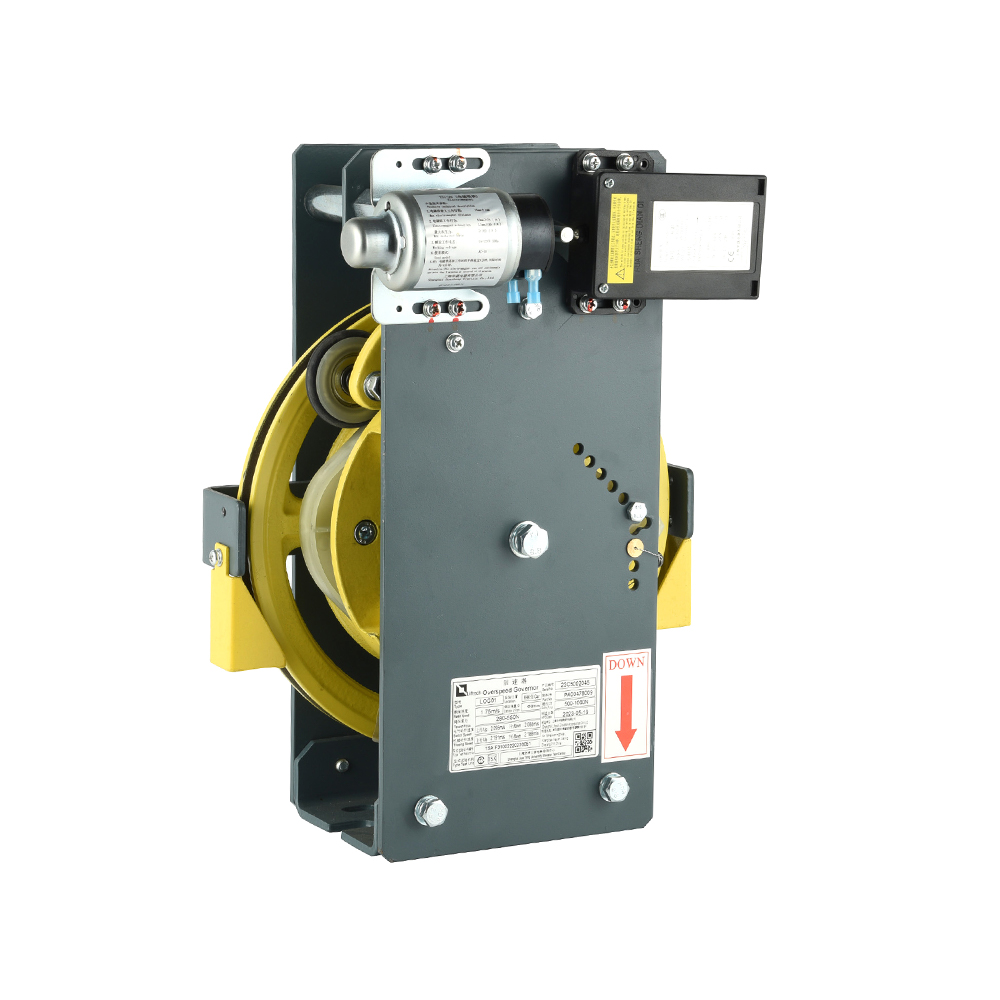
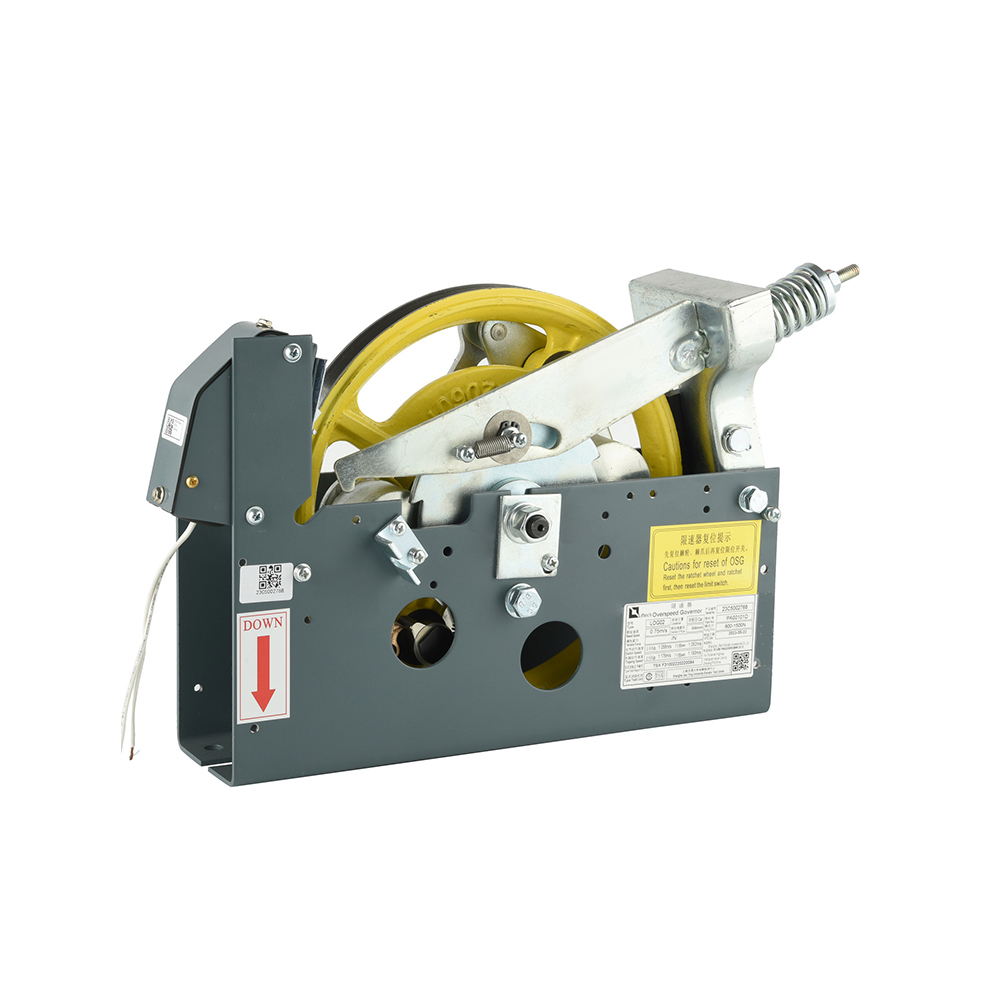
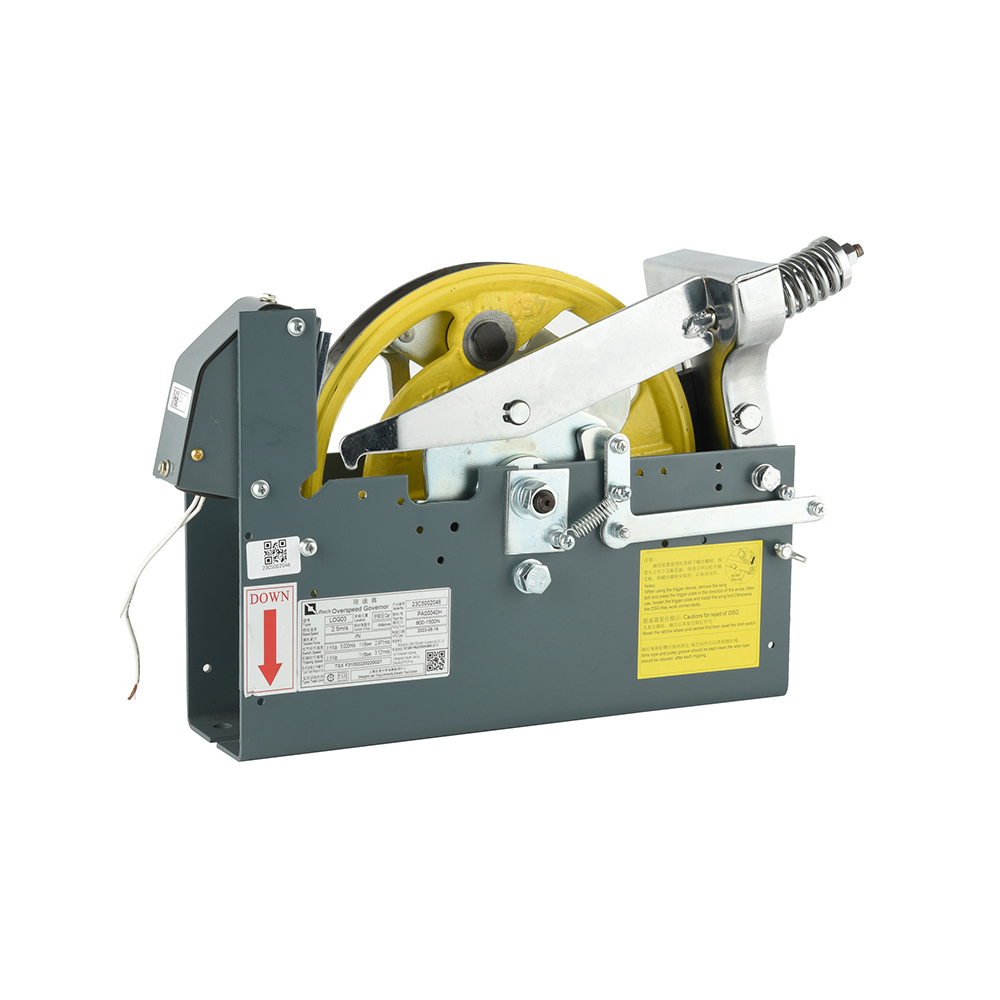
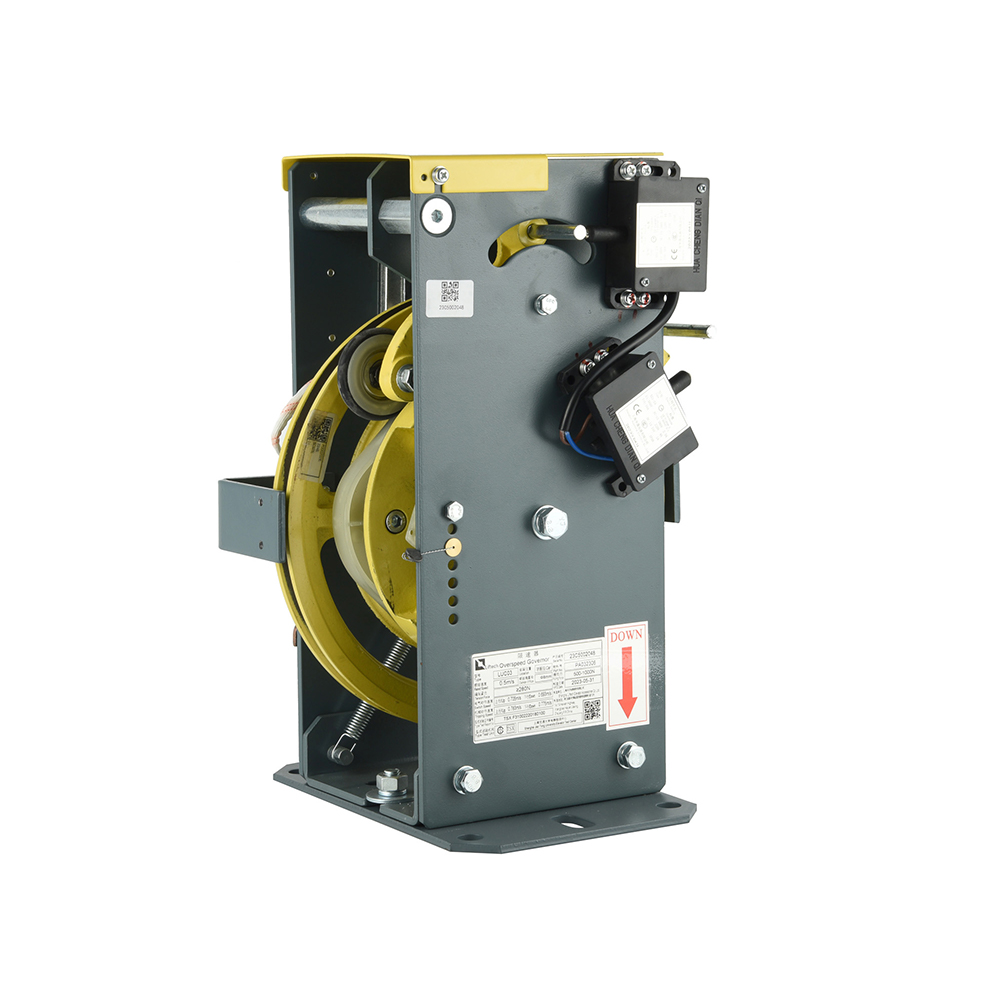
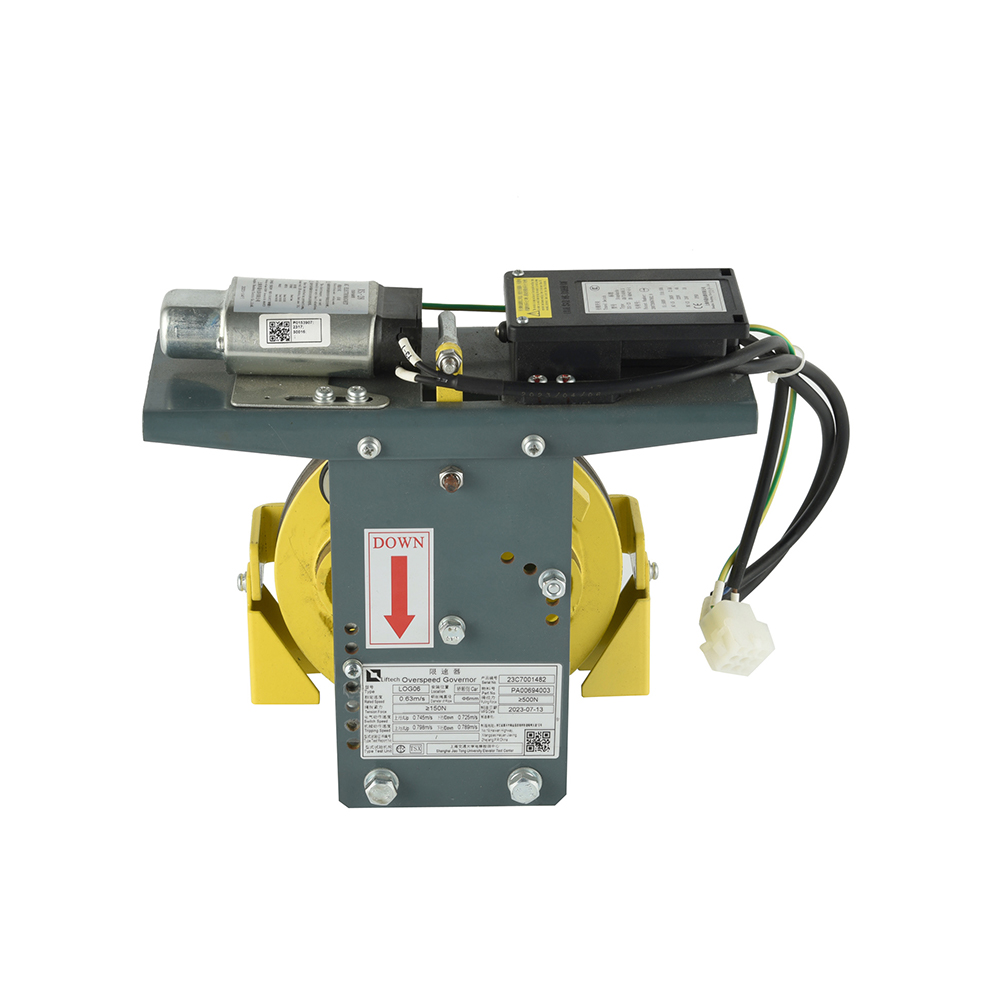
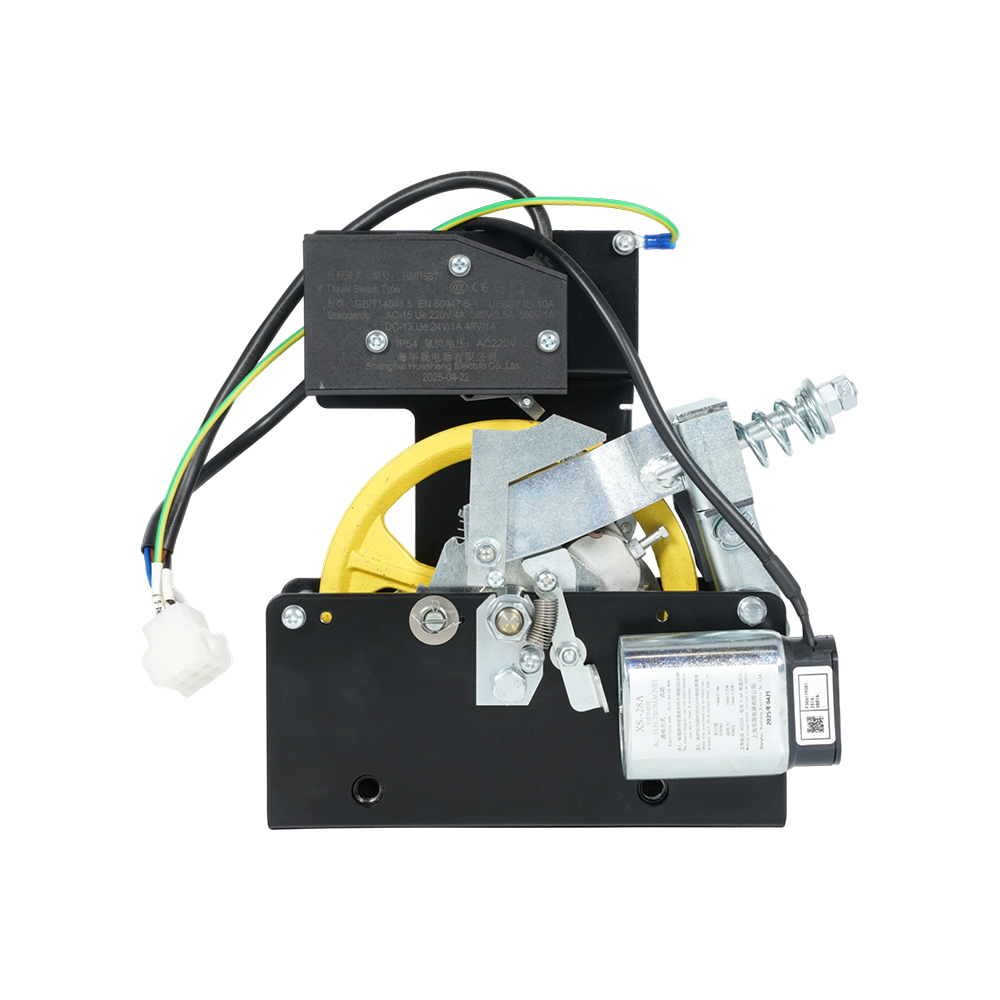
Traditional elevator safety systems were primarily focused on preventing the car from falling. However, incidents have shown that an elevator car moving upward unexpectedly with the doors open presents a severe shearing and crushing hazard to passengers entering/exiting. Standard governors offer no protection against this upward movement. Electronic systems can monitor for UCMP, but codes require a mechanical backup or a diverse system. The bi-directional governor solves this gap in protection by providing a purely mechanical, speed-based detection method for upward overspeed that is independent of the elevator's control system. It ensures that regardless of the direction of a dangerous overspeed, a mechanical device will sense it and initiate the safety chain, providing a robust, fail-safe layer of protection that complements electronic UCMP solutions and meets the latest regulatory requirements for comprehensive overspeed protection.
Bi-Directional Overspeed Protection Governors
-- Steady & Reliable Manufacturer --
Bi-Directional Overspeed Protection Governors are advanced safety devices designed to detect and trigger a safety response for overspeed conditions in both the upward and downward directions of elevator travel. This addresses two distinct hazards: traditional downward overspeed (e.g., traction loss, brake failure) and upward overspeed, which is primarily associated with Unintended Car Movement (UCMP) while parked at a landing with the doors open, or drive system malfunctions causing the car to rise uncontrollably. Unlike a standard governor which only has a centrifugal mechanism sensitive to downward rope movement, a bi-directional governor incorporates two independent sensing and tripping systems—one for each direction. These can be two separate mechanical centrifugal assemblies on a common shaft, each with its own spring calibrated for the respective direction, or a combination of mechanical and electronic sensing with a common mechanical output. When an overspeed in either direction is detected, the governor mechanically pulls its rope to activate the safety gear (which must also be capable of arresting motion in both directions, often requiring a specially designed safety gear or a second, upward-acting gear). This technology is a direct response to evolving safety codes like EN 81-20/50 and ASME A17.1/CSA B44, which now mandate UCMP protection for new installations, making the bi-directional governor a critical component in modern elevator safety systems.
Recommended Products
The Key Problem We Solve
Typical Applications
- All new passenger elevator installations governed by EN 81-20/50 or the latest ASME A17.1/CSA B44 codes.
- Modernization projects where upgrading to current UCMP requirements is a goal.
- Elevators in hospitals, public buildings, and high-occupancy residences where the highest safety standards are demanded.
- Elevators with high-performance drives or regenerative drives where upward overspeed scenarios are more plausible.
- Gearless traction elevators and machine-roomless (MRL) systems.
Product Advantages
| Protection Direction | Independent detection and tripping for both upward and downward overspeed. |
| Trip Speed Settings | Downward: Typically 115-140% of rated speed. Upward: Typically set lower, often around 105-115% of rated speed, as per code requirements for UCMP. |
| Mechanism Configuration | Dual centrifugal assemblies on one shaft; or single assembly with reversing sheave and dual trigger mechanisms. |
| Output | Single governor rope pull that activates the safety system, regardless of which direction triggered it. |
| Electrical Switches | May include independent electrical switches for each direction to provide early warning to the control system before mechanical tripping. |
| Compliance | Designed to meet UCMP requirements of EN 81-20/50 §5.11.2 and ASME A17.1-2019/CSA B44-19 §2.26.9. |
| Safety Gear Requirement | Must be paired with a safety gear capable of arresting both upward and downward movement (e.g., a bi-directional safety gear or two independent gears). |
Selection & Compliance Considerations
Selection must be integrated with the overall UCMP strategy for the elevator. The bi-directional governor is often the "mechanical" or "diverse" means required by code. It is crucial to pair it with a compatible safety gear that is certified to work with the governor and to arrest upward motion. The trip speed settings, especially for upward, must be carefully calculated per the applicable code formula, which often involves the car load and balancing. The governor must be sized for the elevator's rated speed and rope configuration. For modernizations, verify physical space in the machine room or hoistway, as bi-directional governors can be larger than standard ones. Ensure the installation instructions cover the specific wiring and testing procedures for both direction switches.
FAQ
- Q: How does the governor differentiate between normal upward travel and dangerous upward overspeed? A> The upward sensing mechanism is calibrated to trip at a speed slightly above the normal maximum upward operating speed. During normal travel, even at rated speed, the centrifugal force on the upward flyweights is insufficient to overcome their calibrated spring. Only when speed exceeds this set threshold does the mechanism trip. The trip setting is precise and factory-set.
- Q: Can a bi-directional governor be retrofitted to an older elevator to meet new UCMP rules? A> It is possible and is a common modernization path. However, it is a major modification. It requires: 1) Replacing the governor. 2) Very likely replacing the safety gear with a bi-directional type or adding an auxiliary upward gear. 3) Modifying the car frame and linkage. 4) Possibly upgrading the buffers. A full engineering study is required to ensure compatibility and code compliance.
- Q: What happens if the governor trips due to upward overspeed? How is the car safely stopped? A> The mechanical rope pull from the governor activates the safety gear. A bi-directional safety gear is designed so that when triggered, its jaws engage the guide rail with a geometry that creates a wedging action regardless of the direction of travel. This applies a braking force to the rail, arresting the car's upward motion. The same safety gear also works for downward overspeed.
About Us
Shanghai Liftech Elevator Accessories Co., Ltd.
Founded in 2004, Shanghai Liftech Elevator Accessories Co., Ltd. is a specialized enterprise dedicated to the R&D, manufacturing, testing, and sales of elevator safety components. With over two decades of sustained development, Liftech has established itself as a leading manufacturer in China's elevator safety sector, providing high-quality products and solutions to a wide range of major elevator brands and engineering clients across domestic and international markets. We are ,China Wholesale Bi-Directional Overspeed Protection Governors Suppliers and Bi-Directional Overspeed Protection Governors OEM/ODM Manufacturers
For over 20 years, LIFTECH (est. 2004) has been a trusted force in the R&D, manufacturing, and full lifecycle support of premium elevator safety components.
Material Selection Guide
| Governor Sub-Assembly | Material & Design for Bi-Directional Function |
| Upward Sensing Flyweights & Spring | Flyweights: Specially shaped and balanced to respond to sheave rotation in the opposite direction to the standard weights. Often smaller due to the lower trip speed required. Spring: A separate, precisely calibrated spring with a different spring constant than the downward spring. Made from temperature-stable alloy. |
| Common Shaft & Bearing System | Shaft: High-precision ground steel shaft that must maintain alignment for two independent rotating assemblies. Bearings: High-capacity, sealed ball bearings to support the dual loads and ensure smooth, low-friction operation in both rotational directions. |
| Tripping Leverage Mechanism | Design: A common tripping lever or yoke that can be actuated by either the upward or the downward flyweight assembly. Must transfer force cleanly without interference from the non-tripped side. Materials: Forged components with hardened contact points to ensure reliable operation over thousands of test cycles. |
| Housing & Mounting | Housing: Larger and more robust than a standard governor to accommodate the dual mechanisms. Includes clear labeling for "UP" and "DOWN" adjustment points (if accessible). |

