

 English
 中文简体
中文简体 русский
 Español
 Deutsch


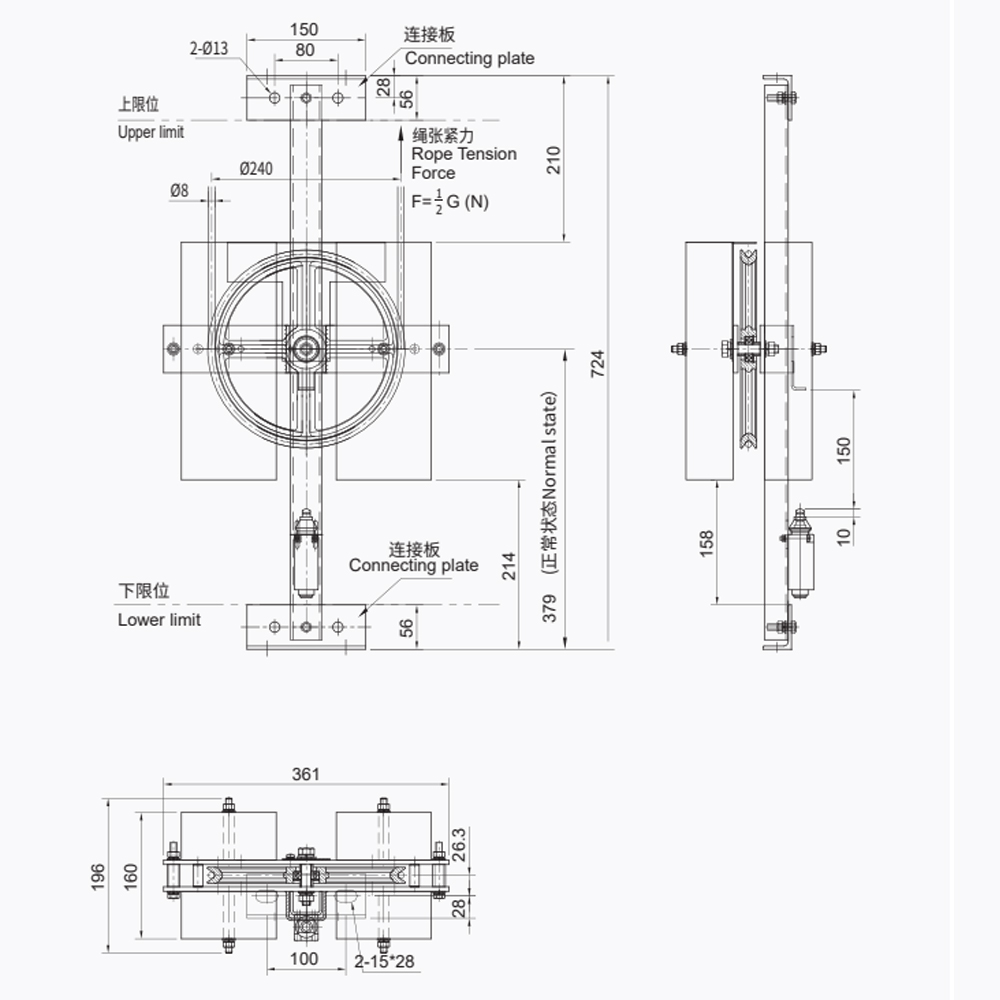
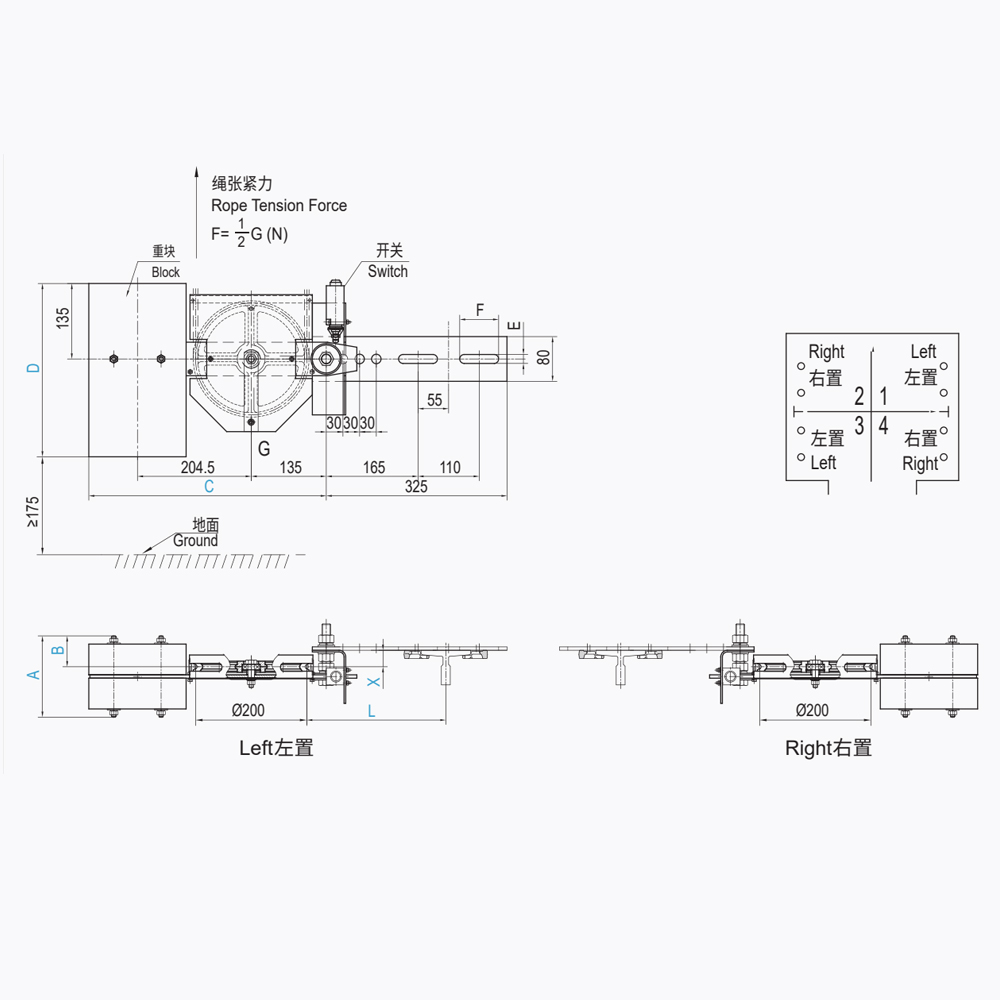
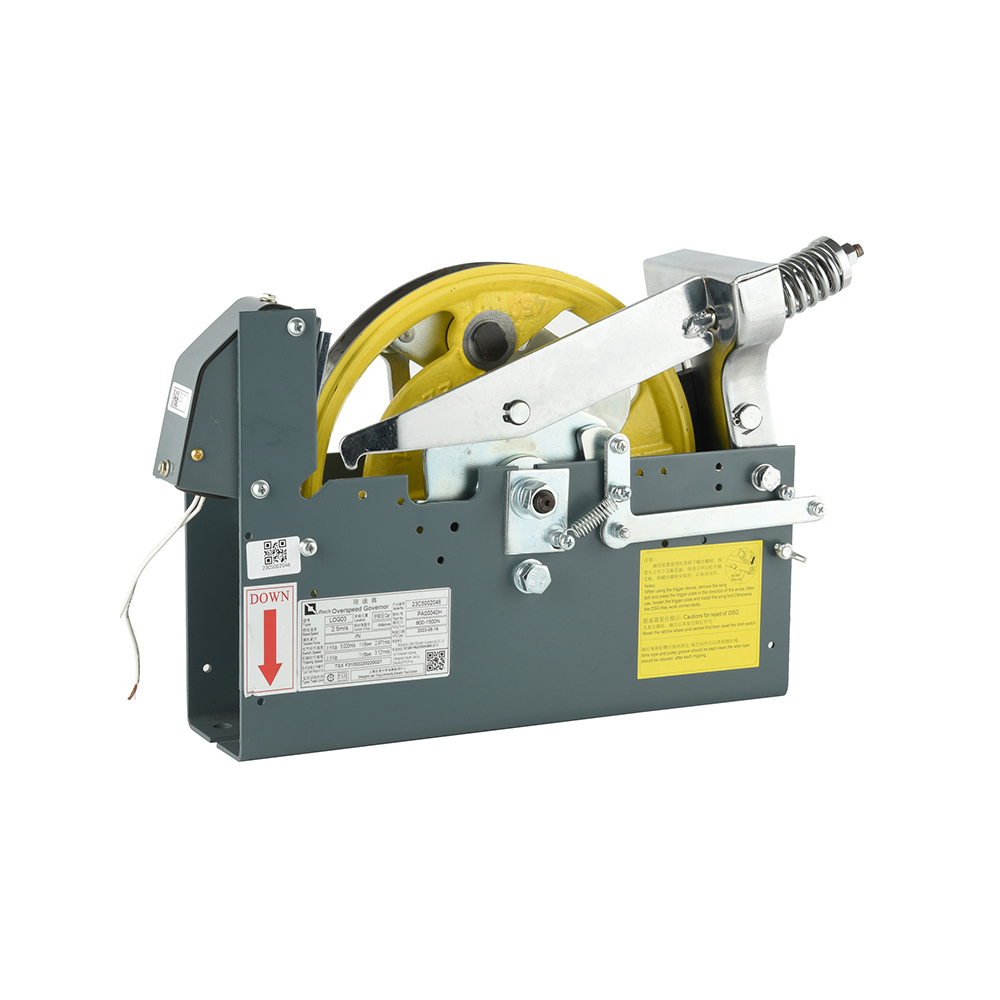
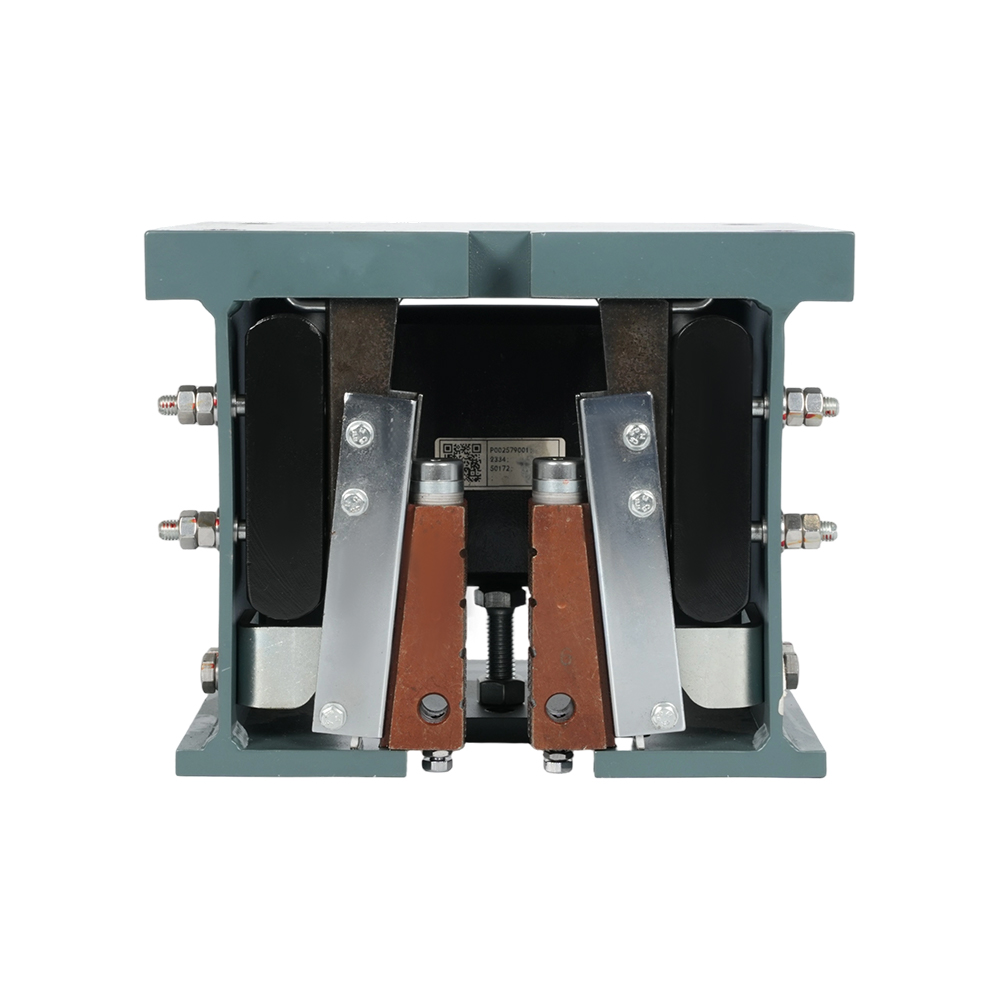
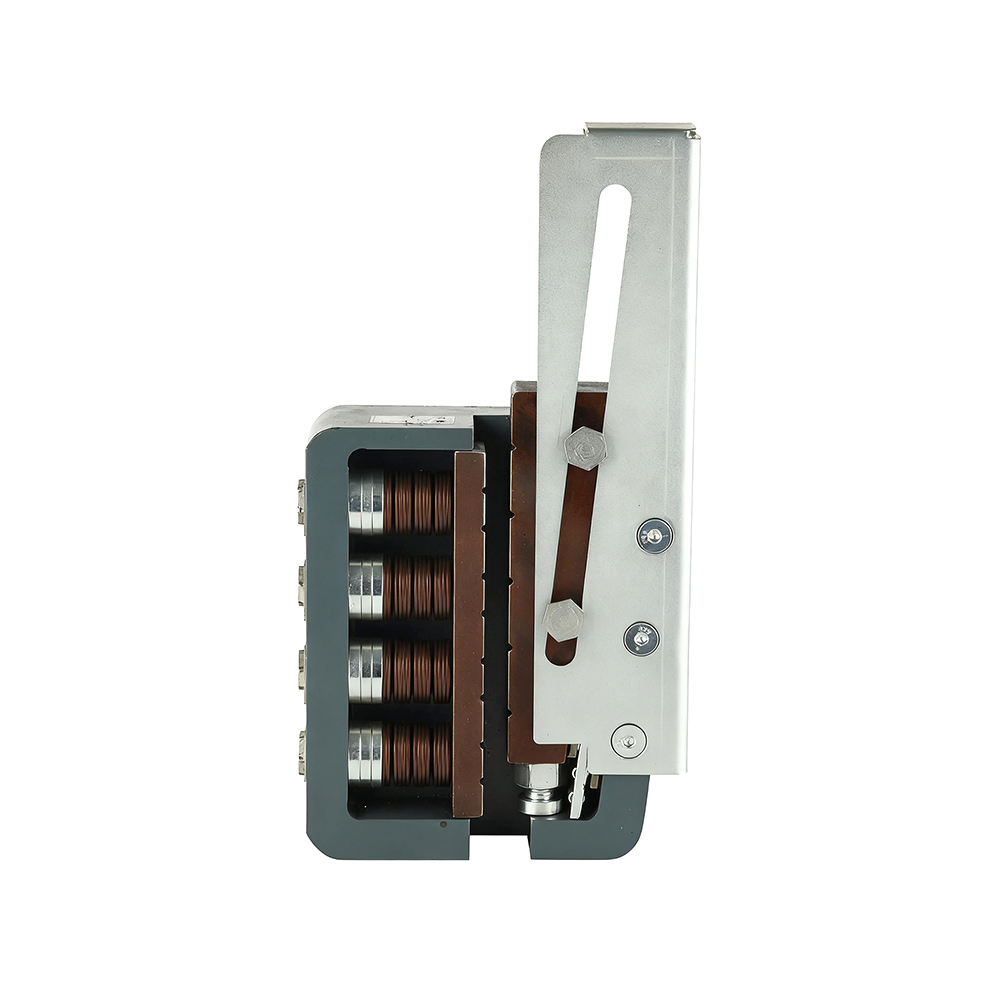
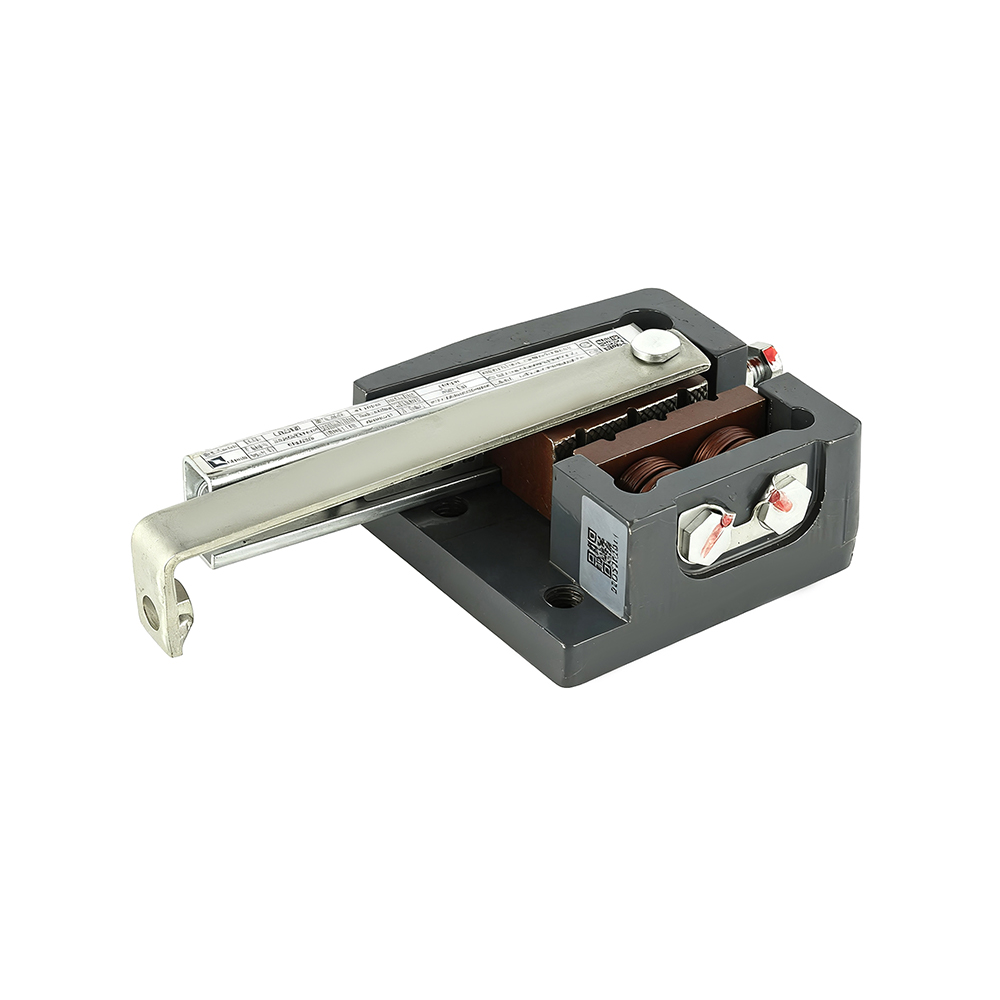
Standard safety components may be too large for narrow hoistways, shallow pits, or compact machine rooms, forcing costly architectural modifications or limiting design options. This creates a barrier to modernization and the installation of elevators in space-limited buildings. Our compact solutions solve this by offering certified safety gear, governors, and buffers designed to fit within stringent spatial boundaries, enabling safe elevator installations where conventional parts cannot.
Compact and Space-Saving Elevator Safety Parts
-- Steady & Reliable Manufacturer --
Modern elevator design, particularly for machine roomless (MRL) systems, home lifts, and retrofit projects, often faces severe space constraints in the hoistway, machine area, and pit. This category encompasses safety components specifically engineered with reduced physical dimensions and innovative layouts without compromising performance or compliance. The focus is on integrating full safety functionality into minimal envelopes.
Recommended Products
The Key Problem We Solve
Typical Applications
- Machine roomless (MRL) elevator installations.
- Residential elevators and lifts for private homes and villas.
- Retrofit projects in existing buildings with limited shaft dimensions.
- Elevators in historic buildings where structural modifications are restricted.
- Panoramic glass elevators with minimal structural framework.
- Double-decker elevators where space above and below the cars is shared.
- Custom architectural projects with non-standard hoistway designs.
Product Advantages
| Design Philosophy | Minimized footprint, low-profile design, integrated multi-function parts. |
| Typical Size Reduction | Up to 30-40% smaller in one or more dimensions compared to standard equivalents. |
| Weight Optimization | Use of high-strength materials and hollow structures to reduce mass. |
| Mounting Flexibility | Side-mounting, recessed installation, or integration into car/platform frame. |
| Performance Compliance | Fully meets EN 81-20/50, ASME A17.1 requirements for respective speed/load ratings. |
| Key Examples | Ultra-thin governors, short-stroke oil buffers, modular safety gear assemblies. |
Selection & Compliance Considerations
Dimensional Audit is Critical: Before selection, a precise survey of all available space—pit depth, overhead clearance, side clearances to the hoistway wall, and machine area dimensions—is mandatory. Create a detailed installation drawing to verify fit.
Trade-off Awareness: Compactness may involve trade-offs. For example, a shorter buffer stroke may require a higher constant retardation force, leading to slightly higher G-forces. A smaller governor sheave might require a different governor rope diameter. Understand and accept these engineered compromises.
Installation & Maintenance Access: Even more critical with compact designs. Ensure there is sufficient access for installation tools, adjustment, and future maintenance tasks like seal replacement or inspection. Consider removable panels or access hatches in the car design.
Heat Dissipation in Confined Spaces: Components like brakes or buffers generate heat during operation or testing. In a tightly packed machine space, ensure adequate ventilation or select components with designs that facilitate heat transfer.
FAQ
- Q: Are compact safety parts as reliable as standard-sized ones?
- A: Yes, when they are designed and certified for the same rated load and speed. Reliability comes from engineering design, material quality, and manufacturing precision, not solely from size. Compact parts often use advanced materials (high-strength alloys, composites) and optimized geometries to achieve equivalent strength and performance in a smaller package. They undergo the same rigorous type testing.
- Q: Can I retrofit compact parts into an existing elevator designed for standard parts?
- A: Often yes, and this is a common application. However, it is not a direct "drop-in" replacement. A full engineering review is required. You must check compatibility with existing mountings, guide rails, and linkage geometry. We provide detailed dimension drawings and mounting templates to facilitate this review. The goal is to enable a safe retrofit without modifying the car frame or guide rails if possible.
- Q: Do compact buffers have lower energy capacity?
- A: Not necessarily lower capacity, but a different design approach. A compact "short-stroke" buffer achieves the required energy absorption by applying a higher, constant retardation force over a shorter distance (E = F * s). The total energy capacity is maintained, but the force (F) is higher. This is mathematically accounted for in the elevator's safety calculations.
About Us
Shanghai Liftech Elevator Accessories Co., Ltd.
Founded in 2004, Shanghai Liftech Elevator Accessories Co., Ltd. is a specialized enterprise dedicated to the R&D, manufacturing, testing, and sales of elevator safety components. With over two decades of sustained development, Liftech has established itself as a leading manufacturer in China's elevator safety sector, providing high-quality products and solutions to a wide range of major elevator brands and engineering clients across domestic and international markets. We are ,China Wholesale Compact and Space-Saving Elevator Safety Parts Suppliers and Compact and Space-Saving Elevator Safety Parts OEM/ODM Manufacturers
For over 20 years, LIFTECH (est. 2004) has been a trusted force in the R&D, manufacturing, and full lifecycle support of premium elevator safety components.
Material Selection Guide
| Component | Standard Compact Design | Advanced/Ultra-Compact Design |
| Safety Gear Housing | Low-profile welded steel design. | Aluminum alloy or high-strength ductile iron casting with integrated mounting features. |
| Buffer Cylinder | Short, large-diameter steel tube. | Multi-stage telescopic cylinder or composite material shell. |
| Governor Housing & Sheave | Flat aluminum housing with integrated mounting plate. | Sheave integrated into a compact drive unit; housing eliminated or minimized. |
| Linkage Rods | Solid steel rods, turned down to minimum diameter. | High-strength tubular steel or carbon fiber rods. |
| Springs | Standard coil springs. | Disc spring (Belleville washer) stacks for high force in minimal axial space. |

