

 English
 中文简体
中文简体 русский
 Español
 Deutsch


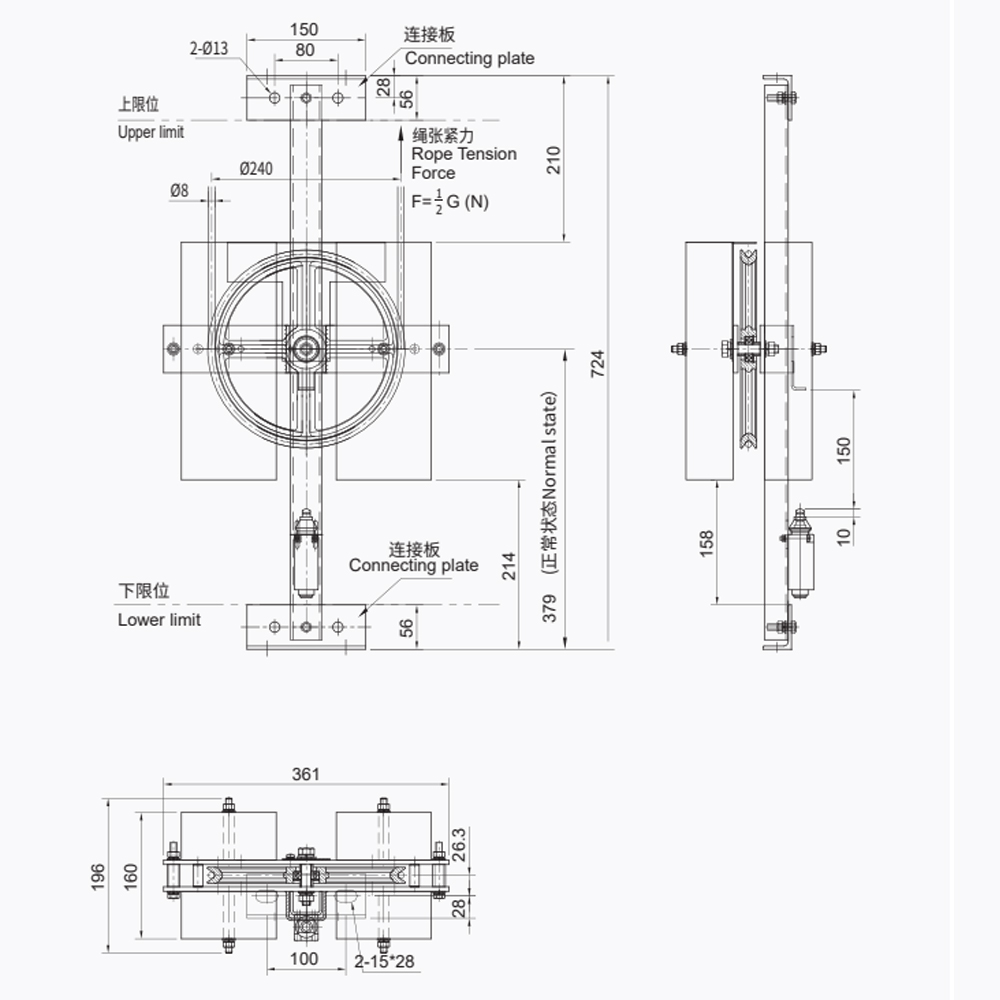
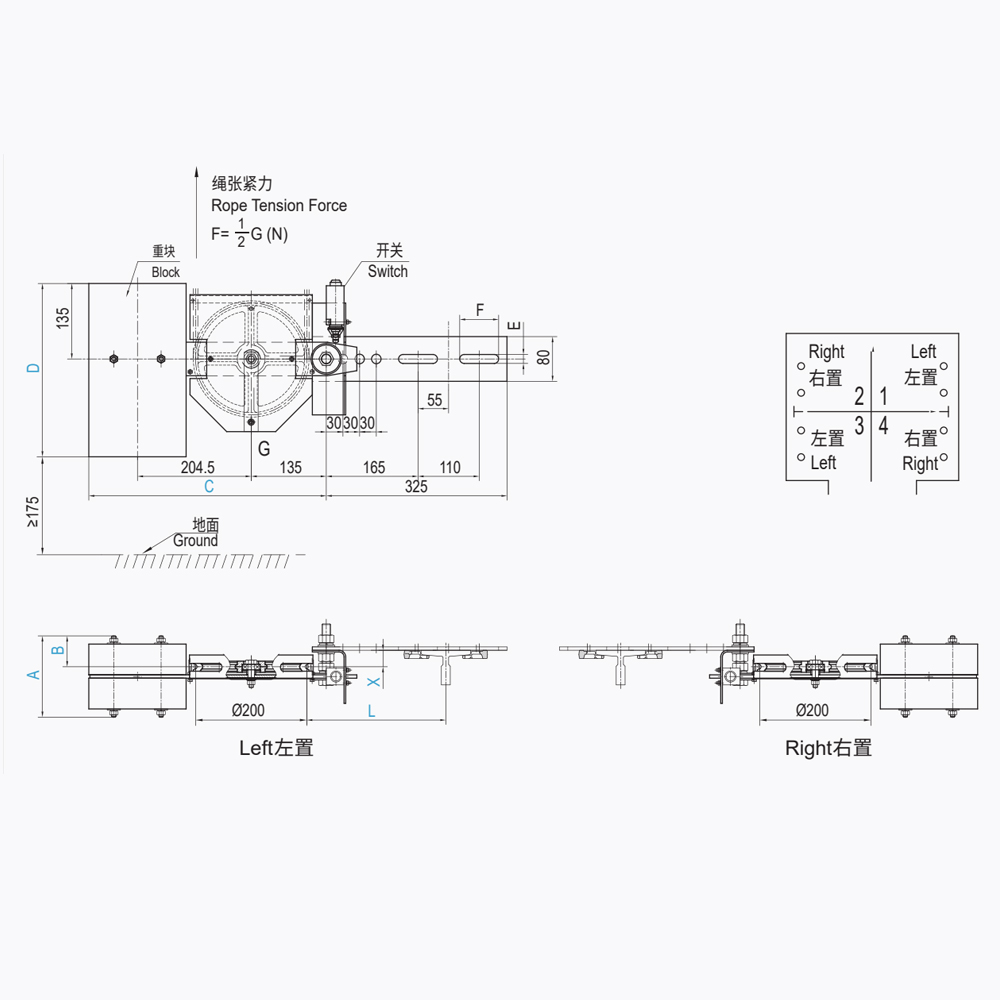
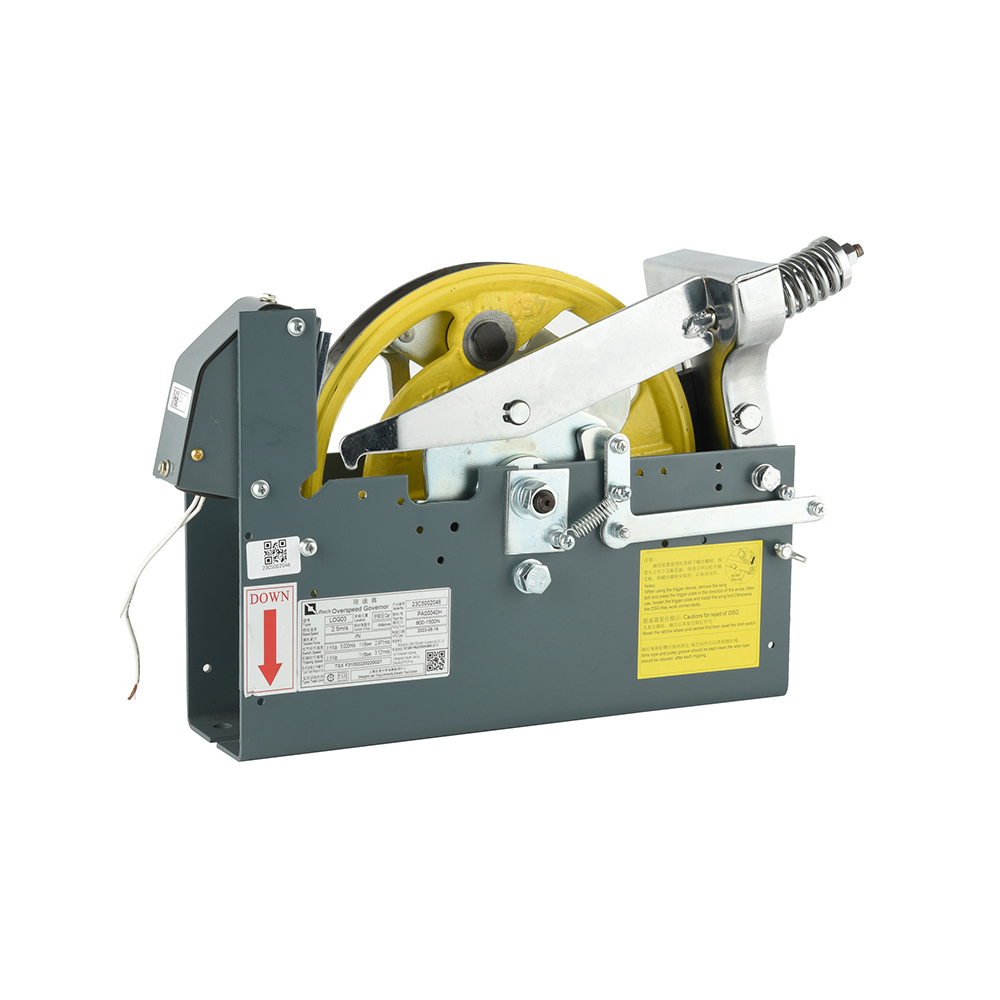
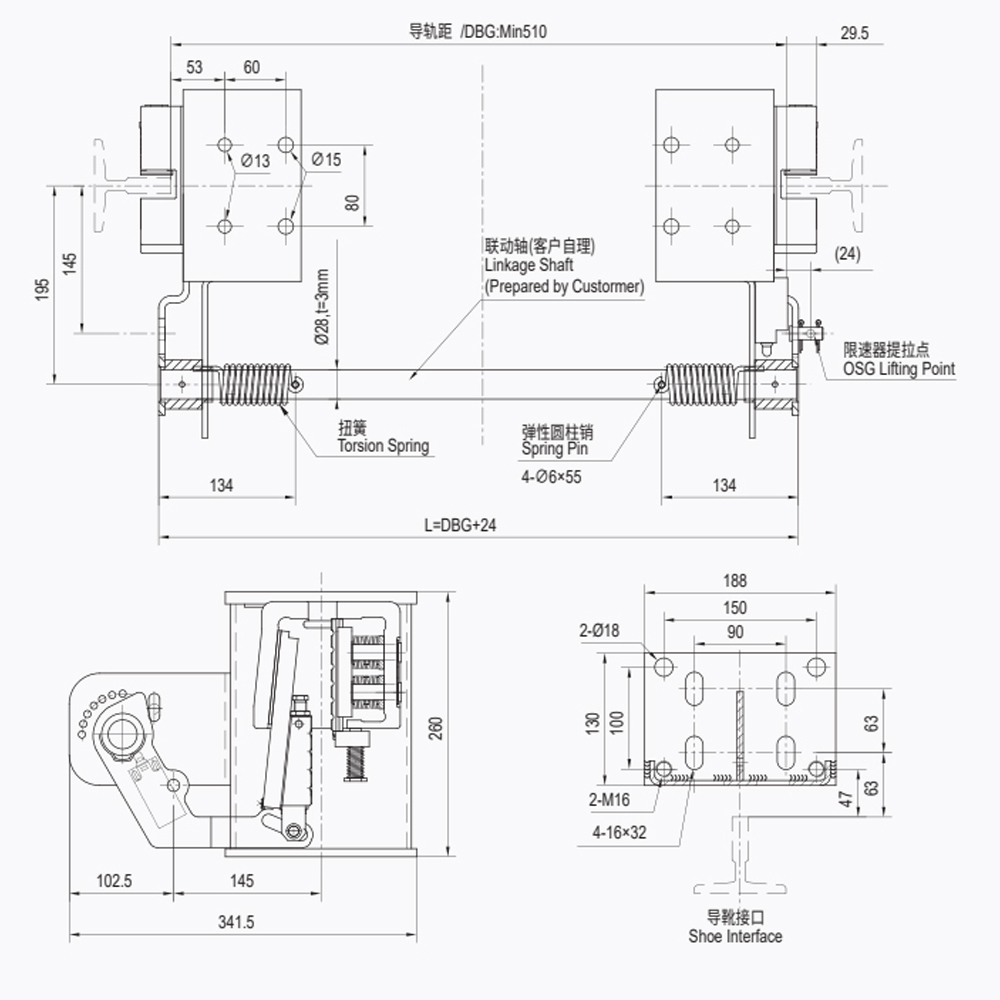
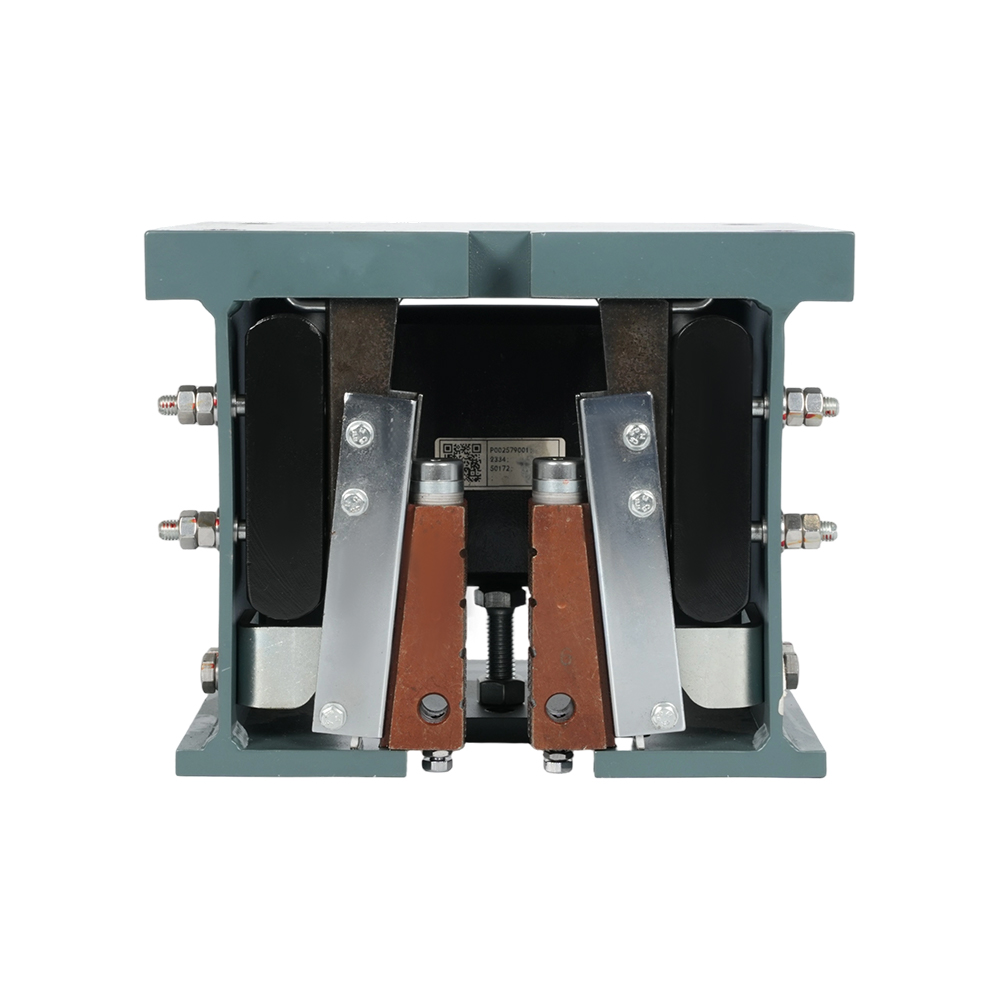
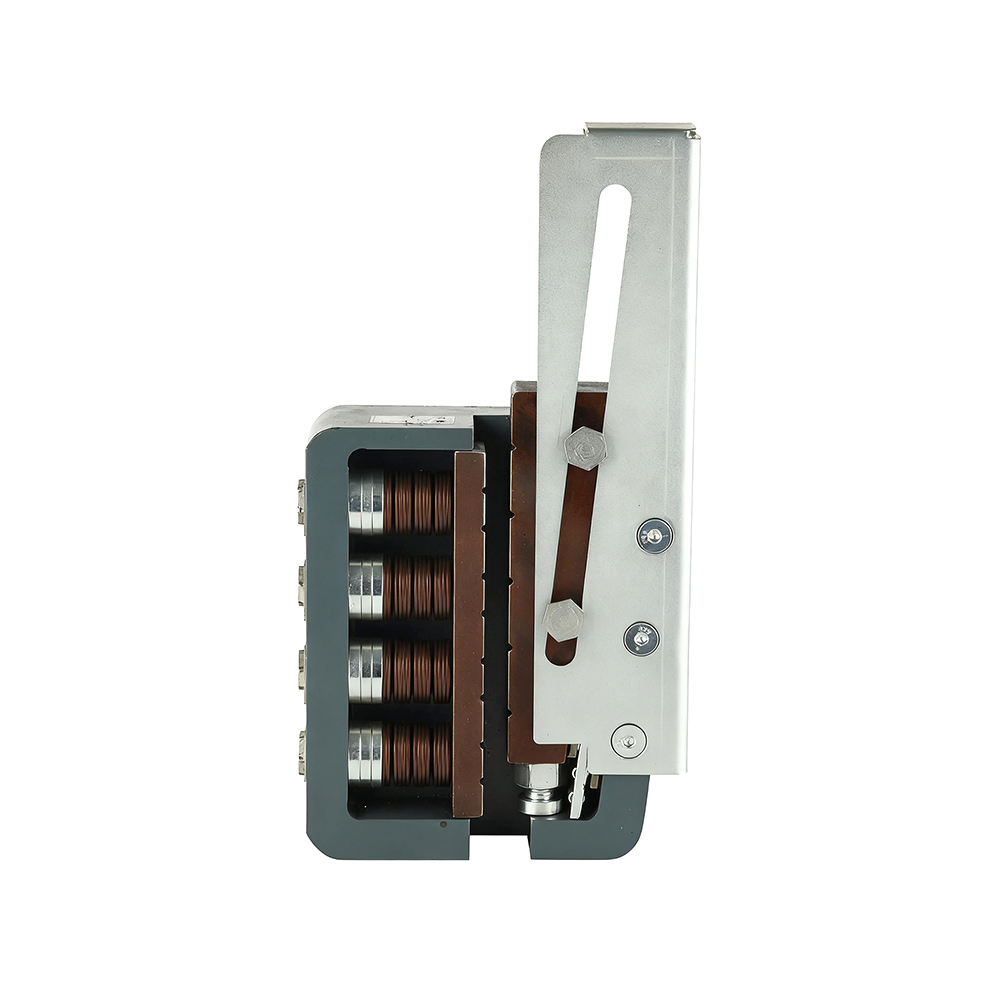
Installing a commercial-grade elevator safety system in a private home introduces several conflicts. The components are often too large for custom or existing home shafts, their operational noise can be disruptive in quiet living environments, and their industrial appearance clashes with residential interiors. Furthermore, the maintenance and inspection requirements for commercial systems can be more intensive than desired for home use. Homeowners and architects therefore face a dilemma: how to achieve certified vertical mobility without compromising the living experience. Our range of residential safety parts directly addresses this mismatch. We solve the space issue with components that have a minimized footprint, often through innovative compact designs or multi-functional integration. The noise problem is tackled at its source, using specialized materials and damping technologies to ensure movements and safety functions are virtually silent. Aesthetically, parts can be finished in colors to blend with the shaft or concealed behind panels. Crucially, these components are fully type-tested to residential elevator standards, ensuring they provide the legally mandated level of safety while being specifically tailored for the lower duty cycle and different user profile of a home. This approach transforms the elevator from a necessary mechanical device into a seamlessly integrated and silent contributor to home accessibility.
Residential Elevator Safety Parts for Homes and Villas
-- Steady & Reliable Manufacturer --
The residential elevator market demands a unique synergy between uncompromising safety, space-efficient design, quiet operation, and aesthetic integration. Safety parts for homes and villas are engineered specifically for this environment, where the elevator becomes an integral part of the living space. These components, including compact safety gears, low-noise governors, and short-stroke buffers, are designed to operate with minimal acoustic signature and visual presence. They must comply with residential-specific standards like EN 81-41 or ASME A17.1/CSA B44 Part 3, which account for lower usage frequency and different risk profiles compared to public elevators. The core challenge is to package the full, certified safety functionality required by law into a system that respects the domestic setting's constraints on noise, size, and appearance. This involves the use of advanced materials like polymer composites for silent braking, precision-machined components to eliminate play and vibration, and designs that allow for installation within narrow hoistways often found in retrofitted homes. The goal is to provide homeowners with the convenience and accessibility of an elevator, backed by a safety system that is both rigorously effective and discreetly unobtrusive, ensuring peace of mind without disrupting the home's comfort and design.
Recommended Products
The Key Problem We Solve
Typical Applications
- Newly constructed private houses and villas incorporating a custom elevator.
- Retrofit elevator installations in existing homes, often requiring components that fit within limited existing spaces.
- Accessibility lifts and through-floor lifts in residential settings.
- Penthouse and duplex apartments within high-end residential buildings.
- Home elevator upgrades and modernization projects to replace outdated or noisy safety systems.
- Architectural projects where the elevator is a design feature, such as glass or panoramic lifts within a home.
Product Advantages
| Design Standard | EN 81-41, ASME A17.1/CSA B44 Part 3, or equivalent residential lift code. |
| Typical Load Capacity | Ranges from 250 kg (2-3 person) to 450 kg (wheelchair accessible). |
| Operating Speed | Typically 0.15 m/s to 0.5 m/s for comfort and space constraints. |
| Noise Level Target | Often specified below 50 dB(A) measured at 1 meter during operation. |
| Safety Gear Type | Compact progressive safety gear for smooth, low-G deceleration. |
| Buffer Type | Short-stroke oil buffer or compact spring buffer, sized for residential kinetic energy. |
| Governor Type | Low-profile, quiet centrifugal governor, often with integrated encoder for premium control. |
Selection & Compliance Considerations
Selecting safety parts for a residential elevator begins with a precise understanding of the installation context. The most critical factor is the available hoistway dimensions—width, depth, and overhead/pit clearances. These measurements dictate the maximum allowable size for components like the safety gear assembly and the buffer. A detailed CAD layout is highly recommended before component procurement. The choice between hydraulic and traction drives also influences safety part selection; hydraulic systems may have different requirements for overspeed protection and buffering. Homeowner priorities must be clearly defined: is absolute silence the top concern, or is minimizing shaft size? For ultra-quiet operation, specify components with polymer composite wear surfaces and damped linkages. For the smallest possible footprint, explore integrated units that combine functions. Compliance is non-negotiable; ensure all parts are certified for residential use in your specific region, as requirements can differ from commercial codes. Finally, consider long-term maintenance. While duty cycles are lower, accessibility for service should be planned. Components with self-lubricating bearings or easily replaceable wear cartridges can reduce future maintenance complexity and cost for the homeowner.
FAQ
- Q: How much space do I need to allocate in my home for the elevator safety components?
- A: Space requirements vary by model, but modern residential safety components are remarkably compact. A typical compact safety gear unit might add 50-75mm to the width of the car frame on each side. Governors are often mounted at the top of the hoistway and can be as small as a shoebox. Buffers sit in the pit, with compact models requiring as little as 150mm of stroke space. The exact dimensions are provided in manufacturer datasheets, and a professional installer will create a detailed layout based on your specific shaft size and component choices. The key is to involve the elevator provider early in the home design or renovation planning phase.
- Q: Will the safety system make noise when the elevator is running or if it has to stop in an emergency?
- A: High-quality residential safety components are designed for minimal noise. During normal travel, properly adjusted roller guides and precision-machined parts should produce only a faint hum. In an emergency stop, a residential progressive safety gear is designed to engage smoothly. While there will be an audible deceleration sound, it is a controlled, damped noise—significantly quieter and less abrupt than the loud metallic crash associated with older or commercial instantaneous gears. Manufacturers can often provide sound level test data for their products.
- Q: Do home elevators require the same rigorous inspections as commercial ones?
- A: Inspection requirements are governed by local regulations, which often differentiate between private residential and public/commercial elevators. While the safety standards for the components are rigorous, the mandated inspection frequency for a single-family home elevator is typically less than for a public building—often annually or bi-annually instead of monthly. However, regular professional maintenance is still essential for long-term reliability and safety. Always follow the manufacturer's recommended maintenance schedule and local legal requirements.
About Us
Shanghai Liftech Elevator Accessories Co., Ltd.
Founded in 2004, Shanghai Liftech Elevator Accessories Co., Ltd. is a specialized enterprise dedicated to the R&D, manufacturing, testing, and sales of elevator safety components. With over two decades of sustained development, Liftech has established itself as a leading manufacturer in China's elevator safety sector, providing high-quality products and solutions to a wide range of major elevator brands and engineering clients across domestic and international markets. We are ,China Wholesale Residential Elevator Safety Parts for Homes and Villas Suppliers and Residential Elevator Safety Parts for Homes and Villas OEM/ODM Manufacturers
For over 20 years, LIFTECH (est. 2004) has been a trusted force in the R&D, manufacturing, and full lifecycle support of premium elevator safety components.
Material Selection Guide
| Component | Standard Residential Model | Premium / Low-Noise Model | Space-Optimized / Compact Model |
| Safety Gear Wedge & Housing | Steel housing, powder-coated; steel wedge. | Housing with sound-dampening pads; wedge with polymer-composite contact surface. | Aluminum alloy housing; ultra-compact wedge design. |
| Guide Rail Contact Surface | Replaceable hardened steel liner. | Engineered polymer composite liner (e.g., PTFE-based). | Integrated, low-wear coating directly on wedge. |
| Buffer Piston Rod & Seals | Chrome-plated steel rod, NBR seals. | Polished stainless steel rod, FKM seals for quiet operation. | Short-stroke design with integrated return spring. |
| Governor Sheave & Bearings | Cast iron sheave, sealed ball bearings. | Precision-balanced aluminum sheave, low-noise ceramic hybrid bearings. | Flat, integrated sheave unit for mounting on top guide rail. |
| Linkage Pivot Pins | Steel pins with bronze bushings. | Stainless steel pins with self-lubricating polymer bushings. | Integrated linkage with minimal pivot points. |

