

 English
 中文简体
中文简体 русский
 Español
 Deutsch


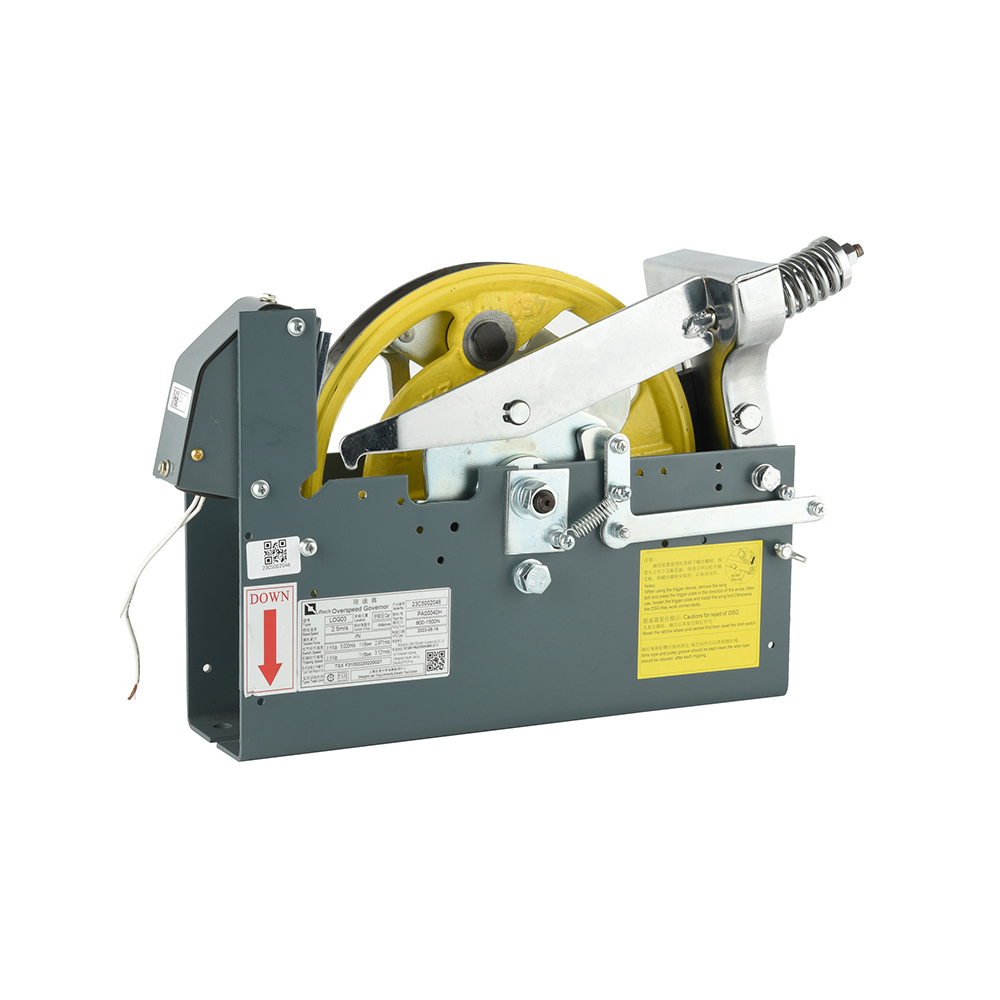
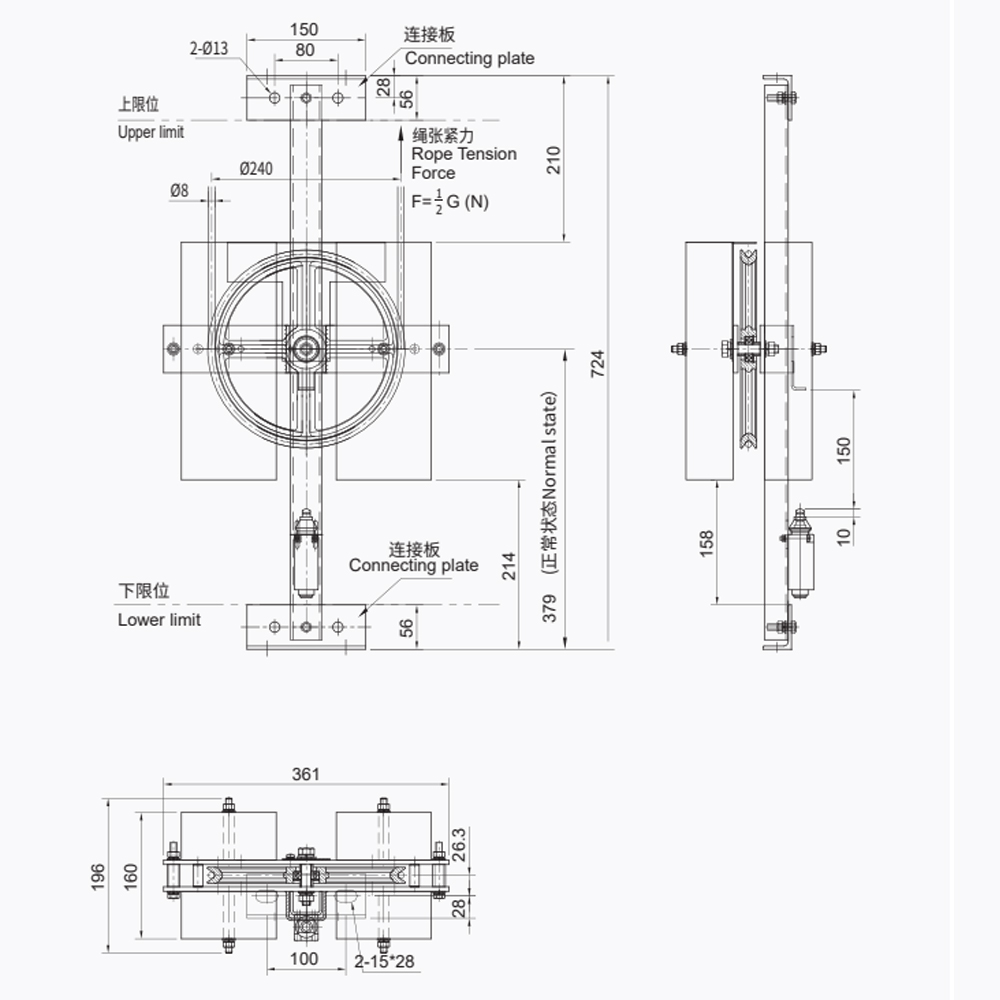
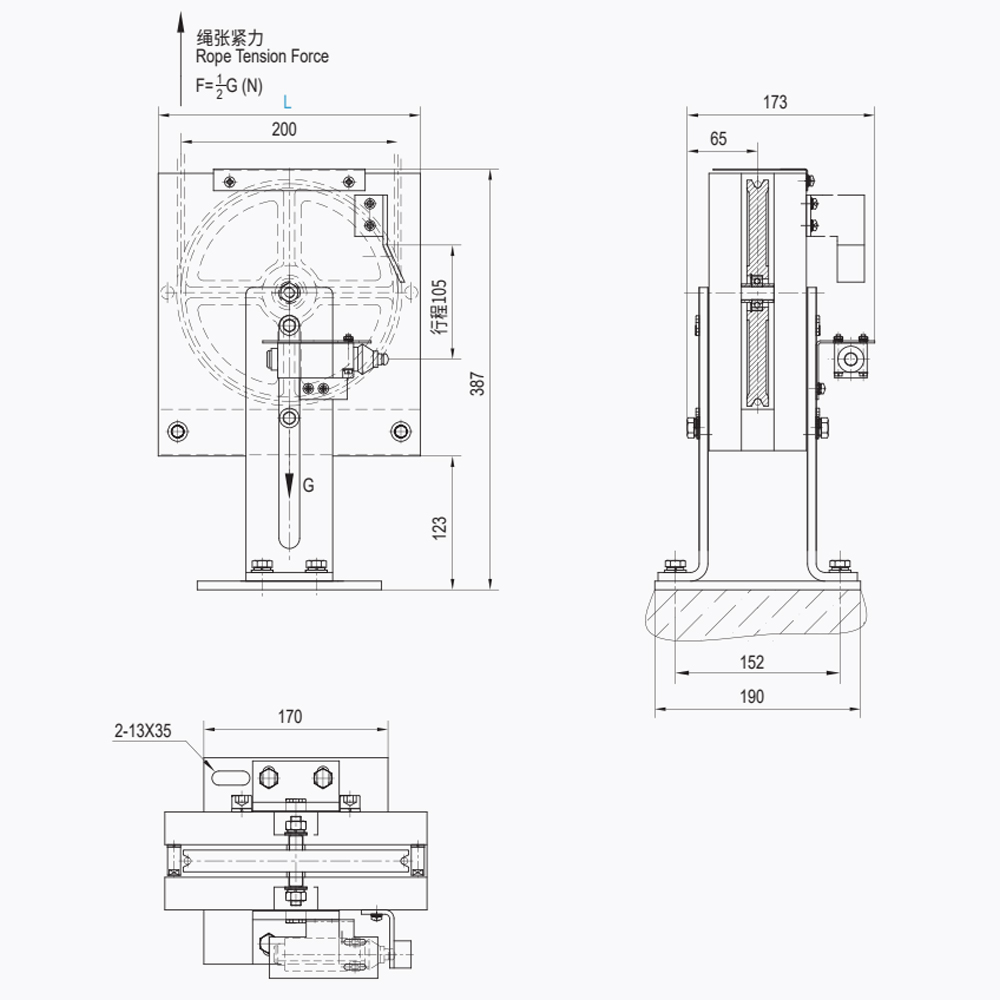
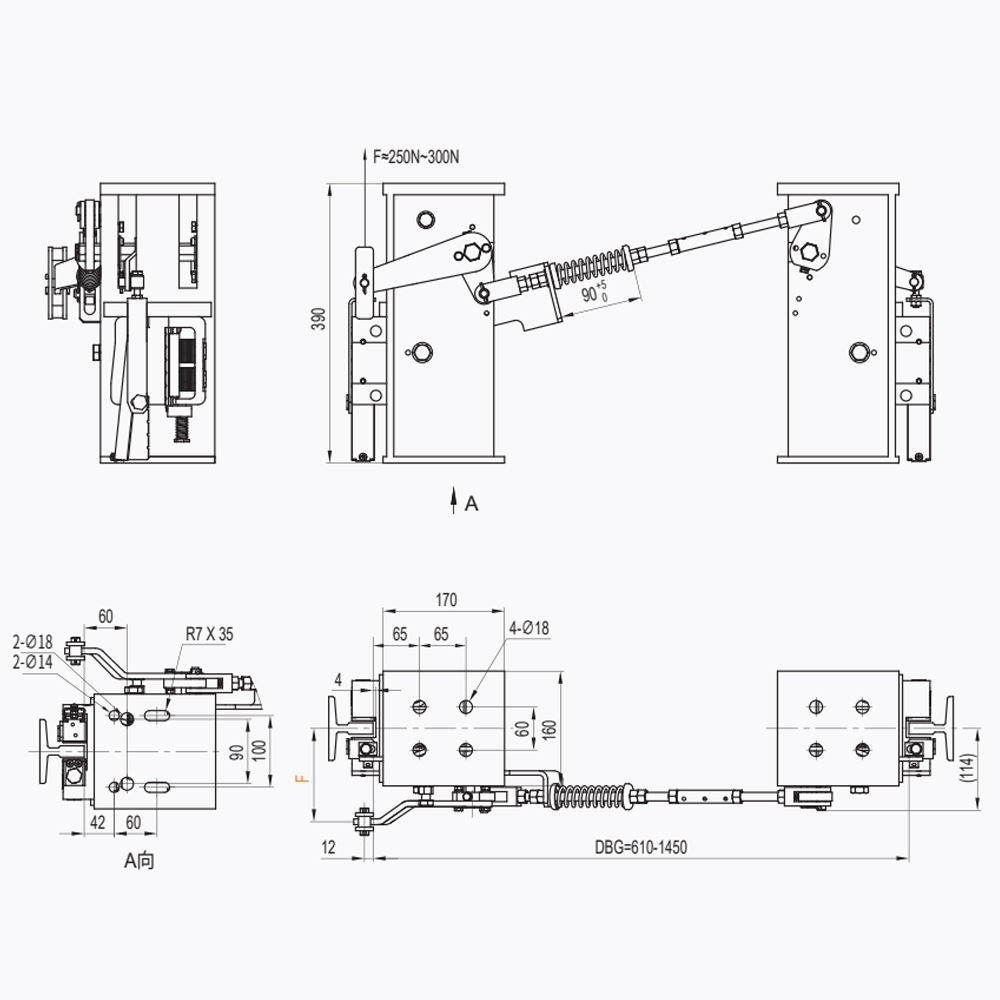
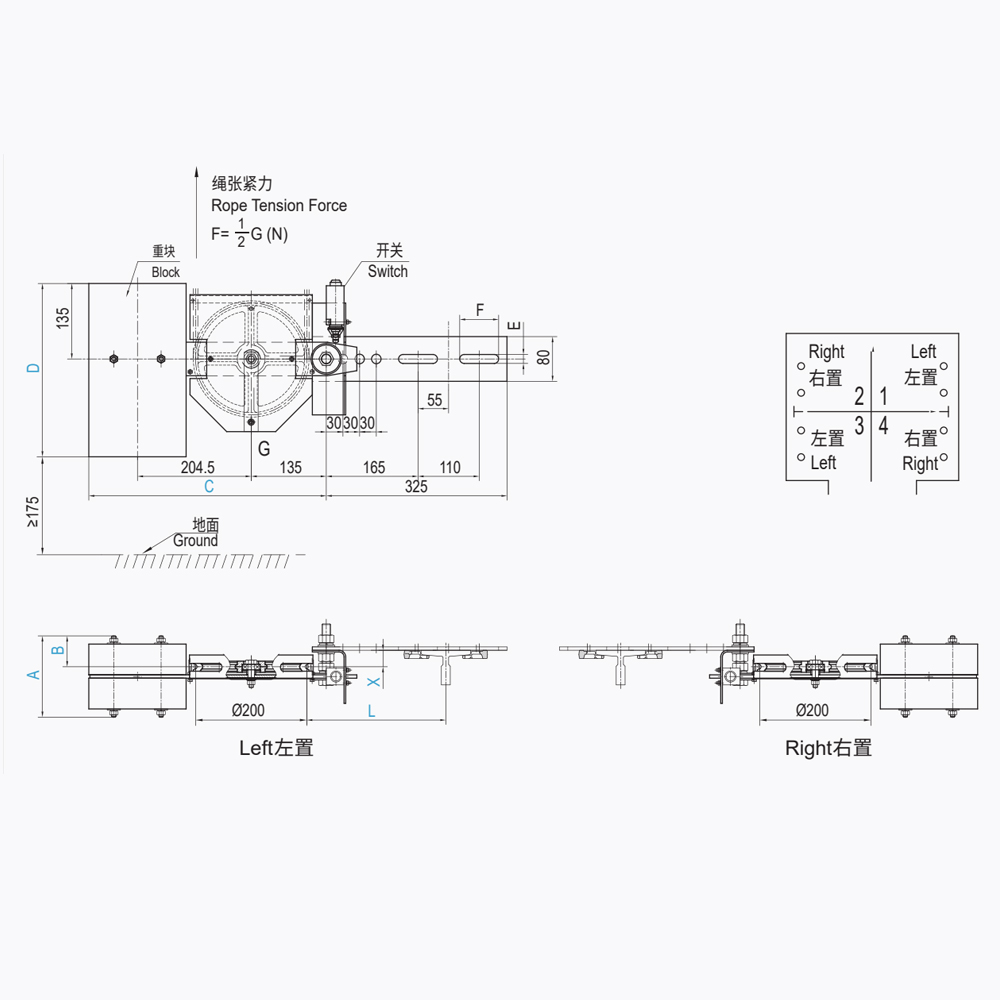
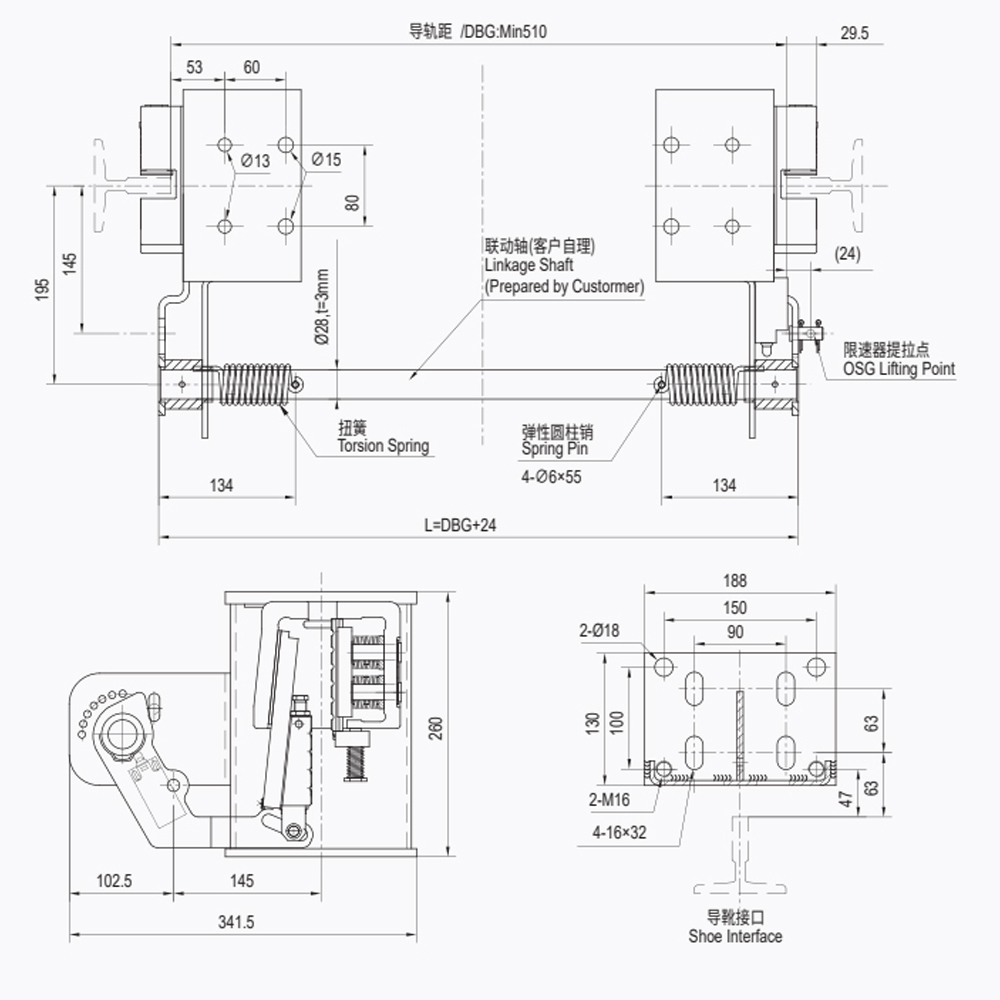
Engineers, consultants, and installers often face uncertainty during the planning and integration phases due to a lack of precise dimensional data. Relying on approximate sizes or generic images can lead to design clashes, incorrect spacing in machine rooms or pits, and last-minute modification costs on-site. The provision of CAD and 3D models solves this problem by enabling virtual integration before any physical part is manufactured or shipped. It allows for precise interference checking, accurate generation of installation drawings, and confidence in the compatibility of the selected components with the overall elevator and building design.
CAD Drawings and 3D Models for Safety Parts
-- Steady & Reliable Manufacturer --
Providing accurate and detailed Computer-Aided Design (CAD) drawings and 3D digital models is an essential technical service for elevator safety component suppliers. These documents go beyond basic dimensioned sketches to offer precise geometric data, tolerances, surface finishes, and assembly relationships. They serve as the digital blueprint for engineers to verify fit, plan installations, perform clash detection in Building Information Modeling (BIM) environments, and create custom interface brackets. Availability of these assets signifies a manufacturer's commitment to technical transparency and seamless integration.
Recommended Products
The Key Problem We Solve
Typical Applications
- Elevator OEM engineers integrating third-party safety components into new car and frame designs
- BIM managers and MEP (Mechanical, Electrical, Plumbing) coordinators for building projects
- Modernization contractors planning the retrofit of new safety systems into existing shafts
- Engineering firms creating detailed installation and method statements for complex projects
- Training institutions developing educational materials for elevator mechanics
Product Advantages
| File Format Range | 2D: PDF, DWF, DWG. 3D: STEP (AP214/AP242), IGES, SAT, Parasolid. Native formats (e.g., SOLIDWORKS, Inventor) may be available under NDA. |
| Detail Level | From simplified envelope models for space planning to fully detailed models with internal mechanisms for engineering analysis. |
| Data Included | Precise dimensions, geometric tolerances (GD&T), mass properties, center of gravity, mounting hole patterns. |
| Revision Control | Drawings and models are revision-controlled, with clear version numbers and issue dates. |
| Metadata | Models can include attributes such as part number, material, supplier information. |
| Access Method | Typically provided via secure download portal upon request or registration. |
Selection & Compliance Considerations
When requesting CAD data, specify the intended use: for general arrangement (simplified model suffices), for detailed installation planning (fully detailed model needed), or for structural analysis (may require specific formats like STEP). Verify the coordinate system and units (mm vs. inches). Check the revision of the drawing against the product part number you are ordering. For BIM projects, inquire if the supplier provides objects in specific formats (e.g., RFA for Revit) or has an object library. Ensure you have the appropriate software to view and utilize the provided formats.
FAQ
- Q: Are your CAD models parametric? A> Our standard downloadable models are usually "dumb" solids (STEP, IGES) which are universally compatible but not editable. For strategic partners under NDA, we can sometimes provide parametric or feature-based models to facilitate custom interface design.
- Q: How do we handle updates to the CAD model if the product design changes? A> We maintain a revision history. When you download a model, it is linked to a specific product revision. For major projects, we recommend confirming the model version close to the final installation date. Registered users are often notified of significant updates.
- Q: Can you provide stress analysis (FEA) data or results from your models? A> For critical components and upon justified request for major projects, we can provide summary FEA reports or certified calculation documents that validate the strength and performance of the part, which is more valuable than raw analysis files.
About Us
Shanghai Liftech Elevator Accessories Co., Ltd.
Founded in 2004, Shanghai Liftech Elevator Accessories Co., Ltd. is a specialized enterprise dedicated to the R&D, manufacturing, testing, and sales of elevator safety components. With over two decades of sustained development, Liftech has established itself as a leading manufacturer in China's elevator safety sector, providing high-quality products and solutions to a wide range of major elevator brands and engineering clients across domestic and international markets. We are ,China Wholesale CAD Drawings and 3D Models for Safety Parts Suppliers and CAD Drawings and 3D Models for Safety Parts OEM/ODM Manufacturers
For over 20 years, LIFTECH (est. 2004) has been a trusted force in the R&D, manufacturing, and full lifecycle support of premium elevator safety components.
Material Selection Guide
| Document Type | Technical Content & Purpose in Project Lifecycle |
| 2D General Arrangement (GA) Drawing (PDF/DWG) | Shows overall dimensions, mounting points, and critical interfaces. Used for initial space verification in elevator layout drawings and for creating installation sketches. |
| 3D Envelope Model (STEP, IGES) | A simplified "bounding box" model representing the maximum space occupied. Crucial for BIM coordination and clash detection in crowded machine rooms or pits. |
| 3D Detailed Assembly Model | Includes all major components in their assembled state, showing relationships. Used for detailed installation planning, service procedure simulation, and creating technical illustrations. |
| Individual Part Models | Detailed models of individual components (e.g., a safety gear jaw). Useful for custom tooling design, replacement part machining, or advanced engineering studies. |
| Drawings with GD&T | Manufacturing drawings with Geometric Dimensioning and Tolerancing. Essential for quality inspectors and for anyone manufacturing interfacing components to ensure a precise fit. |

