

 English
 中文简体
中文简体 русский
 Español
 Deutsch


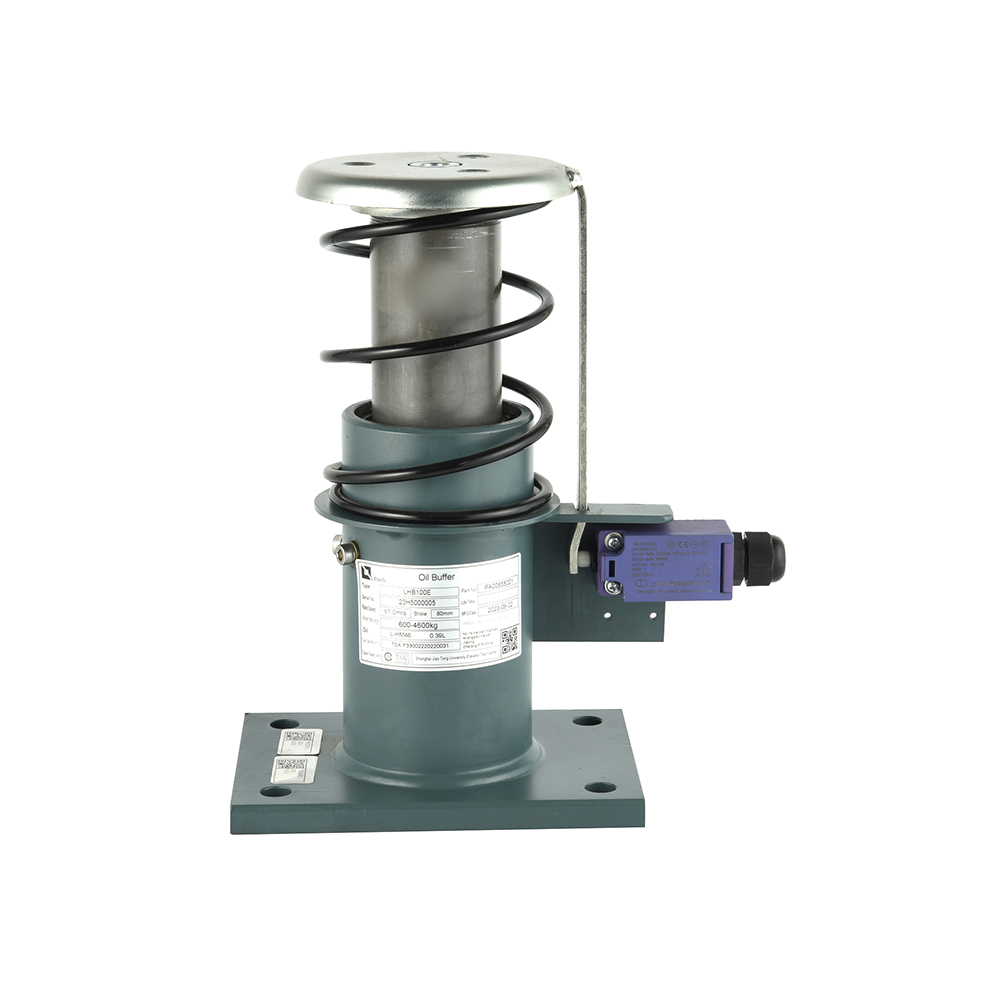
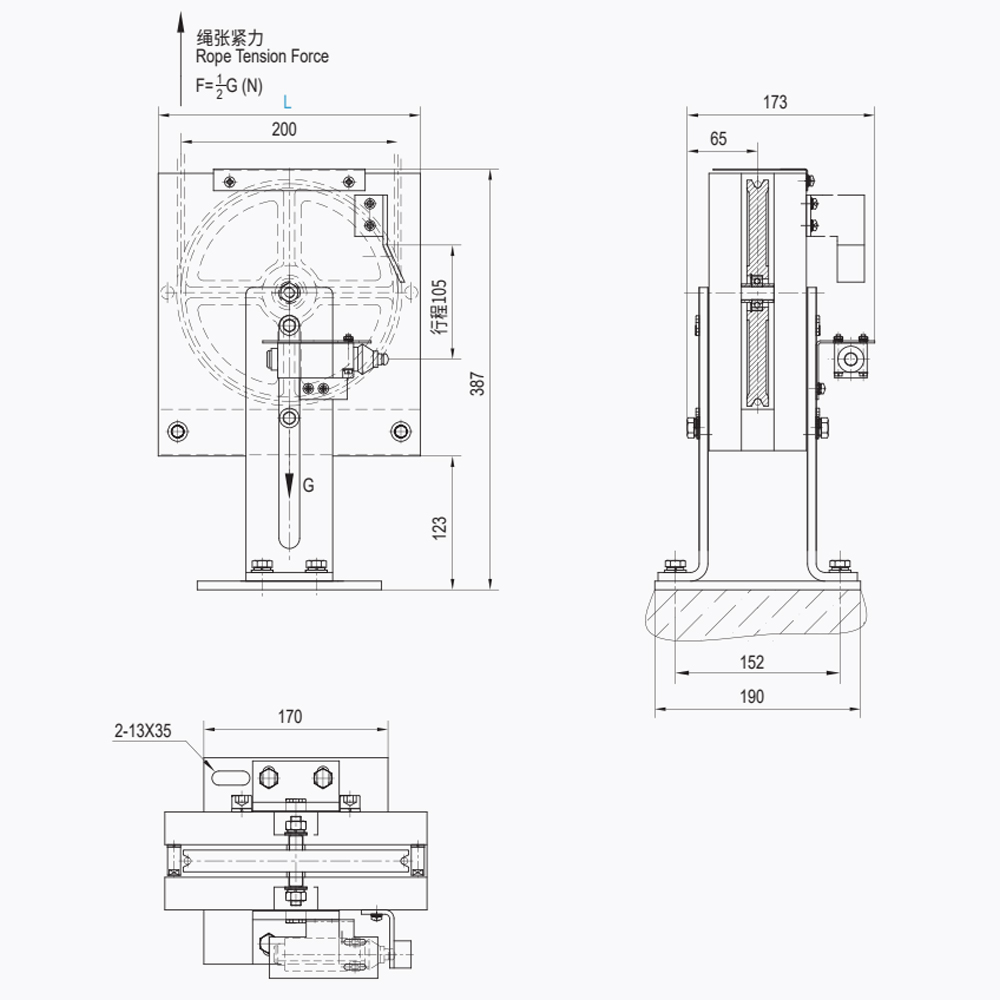
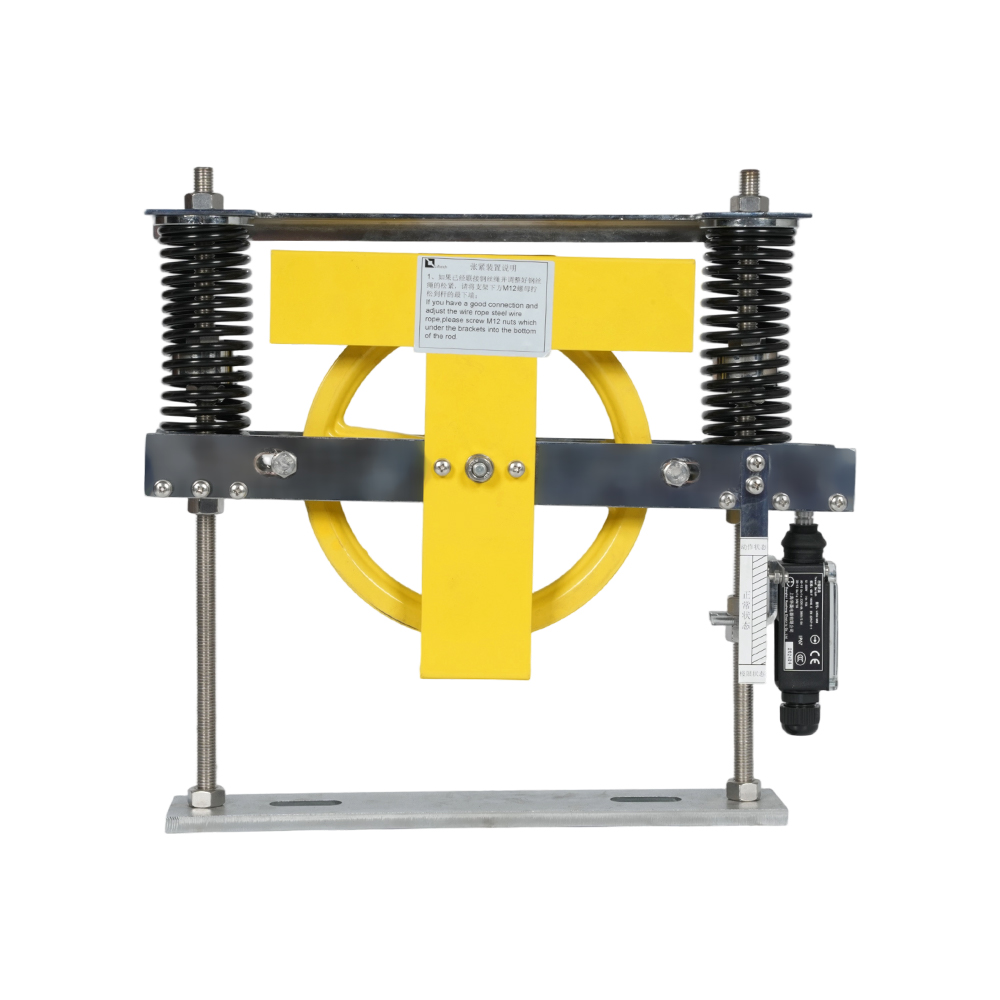
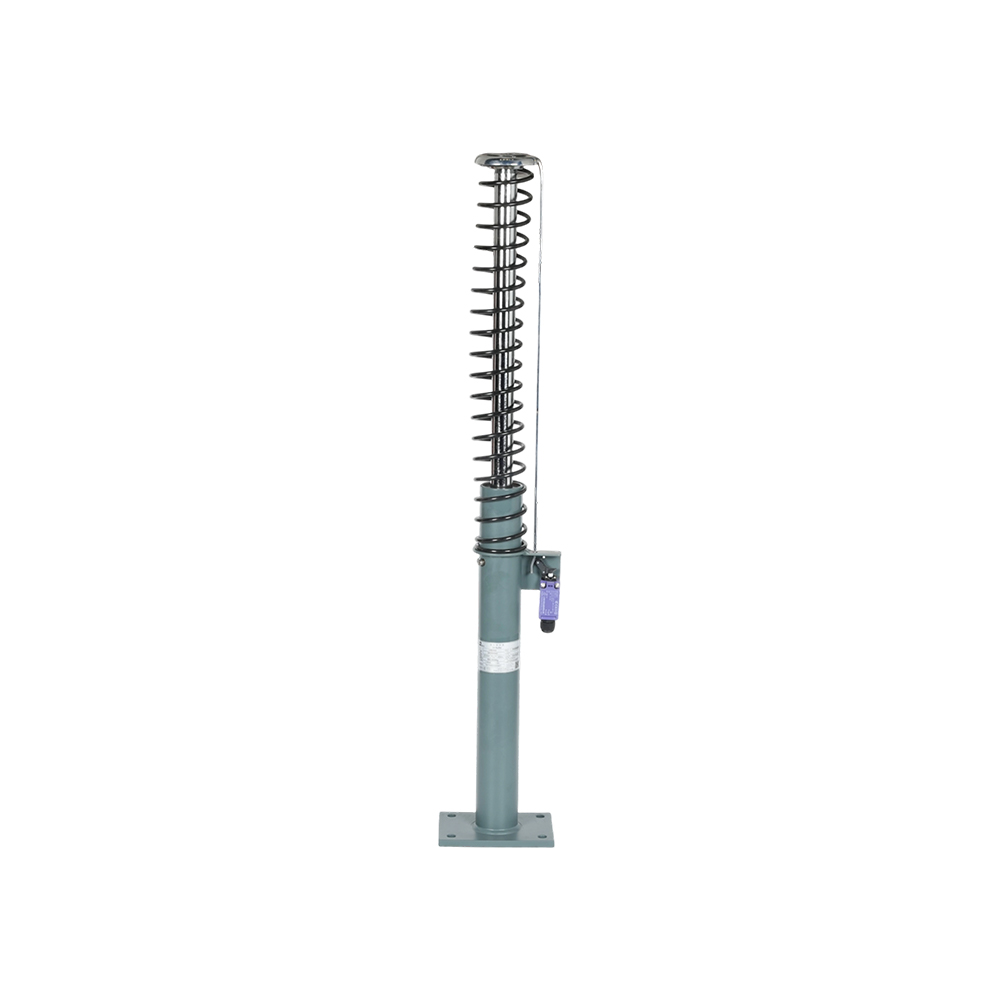
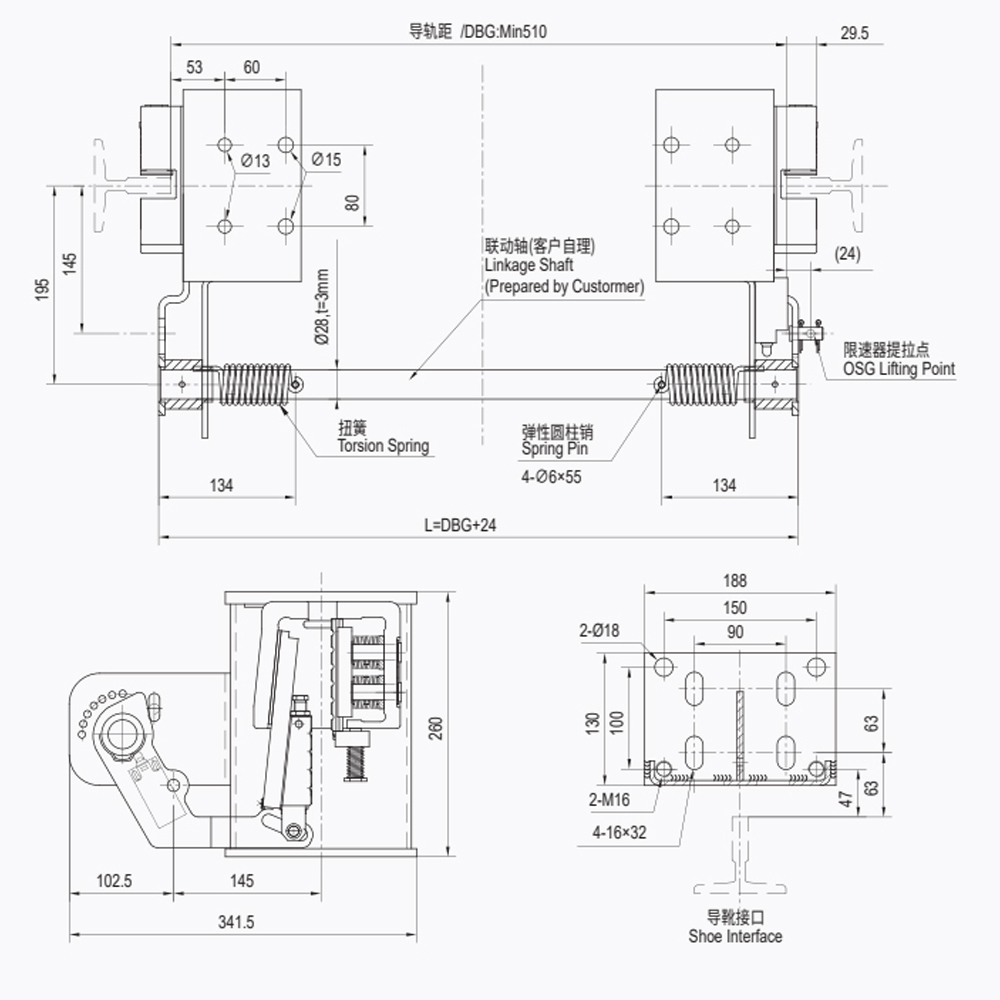
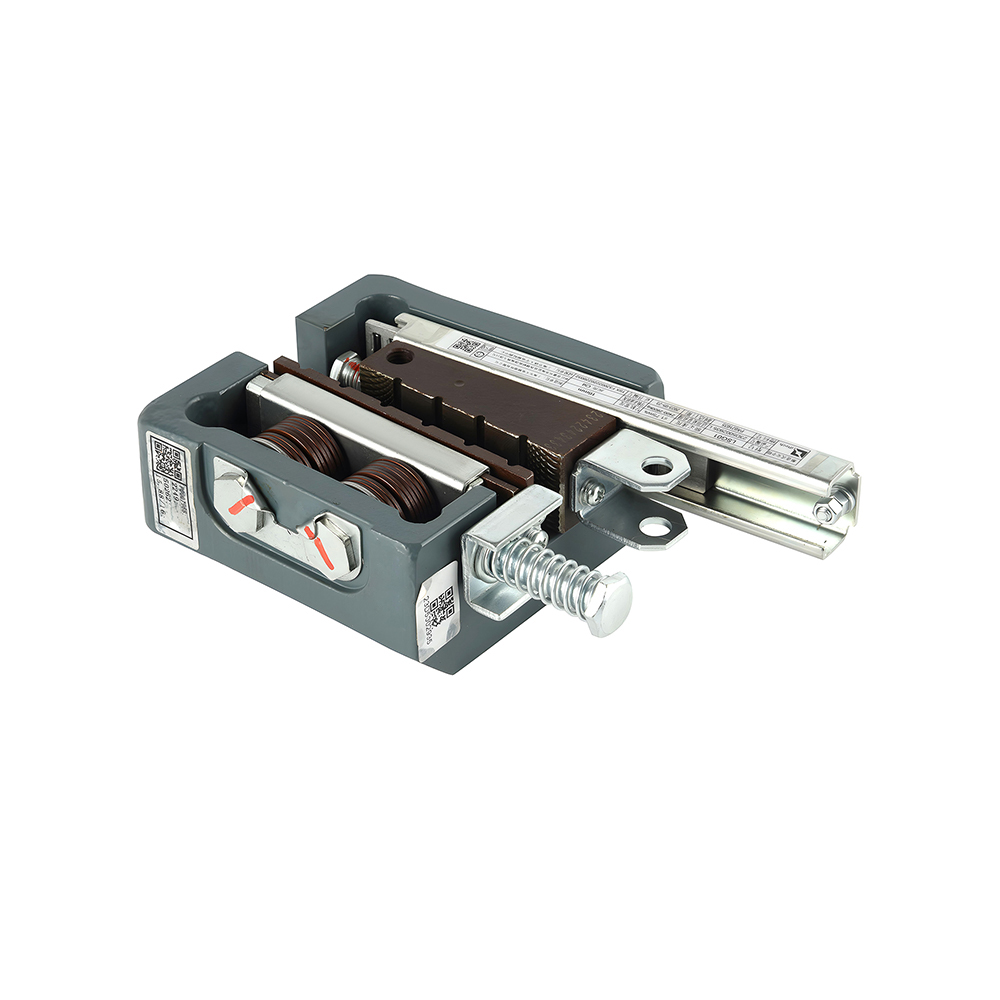
Safety components are expected to perform under extreme stress, often as a last line of defense. Latent defects—such as a microscopic forging crack, a lack of fusion in a weld, or an inclusion within a high-stress area—can act as initiation points for catastrophic failure when the component is loaded during an emergency stop. Visual inspection alone cannot detect these subsurface or fine surface flaws. The problem is ensuring the inherent integrity of the material and manufacturing processes in every single critical part, not just in statistical samples. NDT solves this problem by allowing for 100% inspection of critical areas or intelligent sampling based on risk. It reveals defects that are invisible to the naked eye, enabling the rejection of faulty parts before they leave the factory. This significantly reduces the probability of a component failure originating from a material or manufacturing flaw, thereby elevating the intrinsic reliability of the safety device and providing measurable data for continuous process improvement in manufacturing.
Non-Destructive Testing (NDT) for Safety Components
-- Steady & Reliable Manufacturer --
Non-Destructive Testing (NDT) for elevator safety components encompasses a suite of advanced inspection techniques used to evaluate the integrity, quality, and internal soundness of critical parts without causing any damage to the component itself. This is in stark contrast to destructive testing (like tensile tests on sample coupons), which renders the part unusable. NDT is applied at various stages: during material reception to verify raw stock quality; in process control to check welds and coatings; and as part of final quality assurance on finished safety-critical components like forged safety gear jaws, governor flyweights, welded linkage assemblies, and buffer cylinders. Key NDT methods include: Magnetic Particle Inspection (MPI) for detecting surface and near-surface cracks in ferromagnetic materials (e.g., steel jaws, levers); Liquid Penetrant Testing (PT) for finding surface-breaking defects on both magnetic and non-magnetic materials; Ultrasonic Testing (UT) using high-frequency sound waves to identify internal flaws like voids, inclusions, or delaminations within thick castings or forgings, and to measure material thickness; Radiographic Testing (RT or X-ray) providing a visual image of internal structures to reveal porosity, cracks, or improper weld penetration; and Eddy Current Testing (ET) for detecting surface cracks and measuring conductivity/hardness on conductive materials. The implementation of a rigorous NDT program by a manufacturer is a definitive marker of commitment to quality and safety, providing objective, verifiable evidence that components are free from defects that could lead to in-service failure under stress.
Recommended Products
The Key Problem We Solve
Typical Applications
- Quality assurance of raw materials (steel billets, bars, castings) for critical safety parts.
- Inspection of welds on safety gear housings, governor frames, and buffer mounting brackets.
- Final inspection of high-stress components: safety gear wedges/jaws, governor flyweights and springs, linkage pivot pins, buffer piston rods.
- In-service inspection during major overhauls or after an incident to check for fatigue cracks or other damage.
- Supplier qualification and audit processes for elevator OEMs and safety component manufacturers.
Product Advantages
| Common NDT Methods | Magnetic Particle (MPI), Liquid Penetrant (PT), Ultrasonic (UT), Radiographic (RT), Eddy Current (ET). |
| Applicable Materials | Ferrous steels (MPI, UT, RT), All metals (PT, ET), Weldments (UT, RT, PT). |
| Defect Types Detected | Cracks (surface & subsurface), porosity, inclusions, lack of fusion, laps, seams, thickness variation. |
| Standards | Performed according to ASTM, ISO, EN, or ASME Boiler and Pressure Vessel Code standards. |
| Personnel Qualification | Technicians must be certified to Levels I, II, or III per standards like ISO 9712 or ASNT SNT-TC-1A. |
| Reporting | Results documented on inspection reports, often with photographs or digital traces of indications. |
Selection & Compliance Considerations
When evaluating a supplier's NDT capabilities, inquire about their written practice and personnel certification. Which methods do they employ and on which specific components? What acceptance criteria do they use (e.g., based on EN 10228 or similar)? Request examples of NDT reports. For critical components, specify NDT requirements in the purchase order (e.g., "All safety gear wedges shall undergo 100% MPI per ASTM E1444"). Understand the limitations of each method: PT and MPI are for surface flaws; UT and RT are for volumetric/internal flaws. For in-service inspection, the method must be suitable for the installed environment (e.g., portable UT kits for field use). The cost and time for NDT should be factored into procurement as part of the quality assurance cost.
FAQ
- Q: Isn't NDT too expensive for mass-produced components? A> For non-critical parts, it may be. For life-critical safety components, it is an essential cost of doing business. The cost of NDT is insignificant compared to the cost of a liability lawsuit, a catastrophic failure, or a product recall. Many manufacturers perform 100% NDT on high-stress parts and sample-based NDT on lower-risk components. It is a key differentiator between premium and budget suppliers.
- Q: If a part passes NDT, does that guarantee it will never fail? A> No. NDT guarantees the part is free from detectable flaws of a certain size and type at the time of inspection. It cannot predict future failures due to fatigue, corrosion, or overload. However, it eliminates the risk of failure from pre-existing manufacturing defects, which is a major contributor to in-service failures in mechanical components.
- Q: Can NDT be performed on installed components? A> Yes, with limitations and the right equipment. Magnetic Particle and Penetrant Testing are commonly used for in-situ inspection of accessible surfaces (e.g., looking for cracks in a safety gear jaw). Ultrasonic thickness gauging can check for corrosion on buffer cylinders. However, internal inspection of complex assemblies may require disassembly. NDT is a core part of advanced predictive maintenance programs.
- Q: How do I know if the NDT results are credible? A> Credibility comes from: 1) Technician Certification (ask for cert copies). 2) Calibrated Equipment (equipment must be calibrated regularly). 3) Use of Reference Standards (blocks with known defects used to calibrate the sensitivity of the test). 4) Clear Reporting with photos or diagrams showing indication locations and sizes. Reputable manufacturers will provide this documentation readily.
About Us
Shanghai Liftech Elevator Accessories Co., Ltd.
Founded in 2004, Shanghai Liftech Elevator Accessories Co., Ltd. is a specialized enterprise dedicated to the R&D, manufacturing, testing, and sales of elevator safety components. With over two decades of sustained development, Liftech has established itself as a leading manufacturer in China's elevator safety sector, providing high-quality products and solutions to a wide range of major elevator brands and engineering clients across domestic and international markets. We are ,China Wholesale Non-Destructive Testing (NDT) for Safety Components Suppliers and Non-Destructive Testing (NDT) for Safety Components OEM/ODM Manufacturers
For over 20 years, LIFTECH (est. 2004) has been a trusted force in the R&D, manufacturing, and full lifecycle support of premium elevator safety components.
Material Selection Guide
| Safety Component & Critical Area | Recommended NDT Method(s) & Rationale |
| Safety Gear Forged Jaws/Wedges | 100% Magnetic Particle Inspection (MPI): Detects surface cracks from forging or heat treatment. Ultrasonic Testing (UT): For large forgings, to check for internal voids or inclusions in the high-stress root area. |
| Governor Flyweights & Pivots | Liquid Penetrant Testing (PT) or MPI: To ensure no cracks are present in the centrifugal masses or at the pivot holes, which are subject to high cyclic stress. |
| Welded Housings & Brackets | Ultrasonic Testing (UT) or Radiographic Testing (RT): For full-penetration welds on structural members (e.g., safety gear frame). Verifies weld penetration and absence of internal defects. Visual & PT: For all welds to check surface quality and for surface cracks. |
| Buffer Piston Rod | MPI or PT: Inspect the chrome-plated surface for any cracks or plating defects that could lead to corrosion or seal damage. Eddy Current (ET): Can be used to check for surface cracks and verify the hardness of the rod. |
| Linkage Pivot Pins | MPI: Critical for case-hardened pins to check for grinding cracks or defects in the hardened surface layer. |

