

 English
 中文简体
中文简体 русский
 Español
 Deutsch


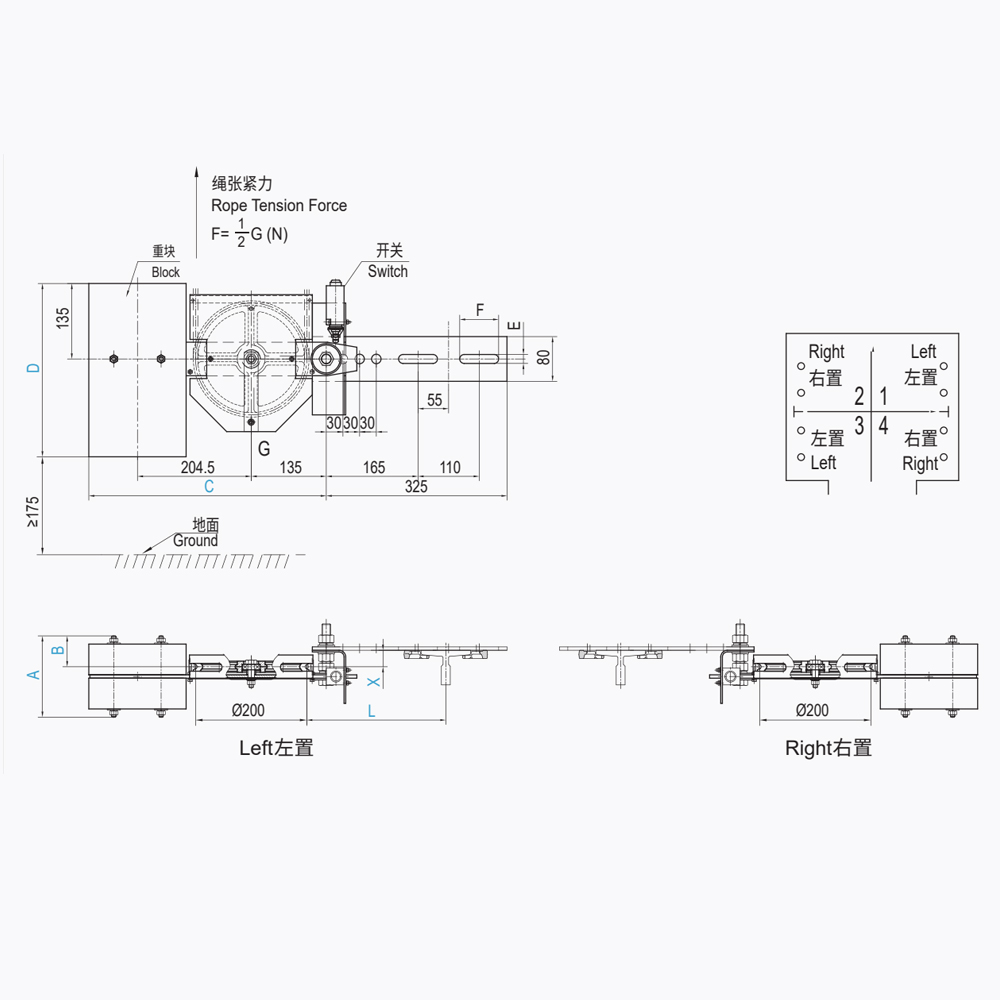
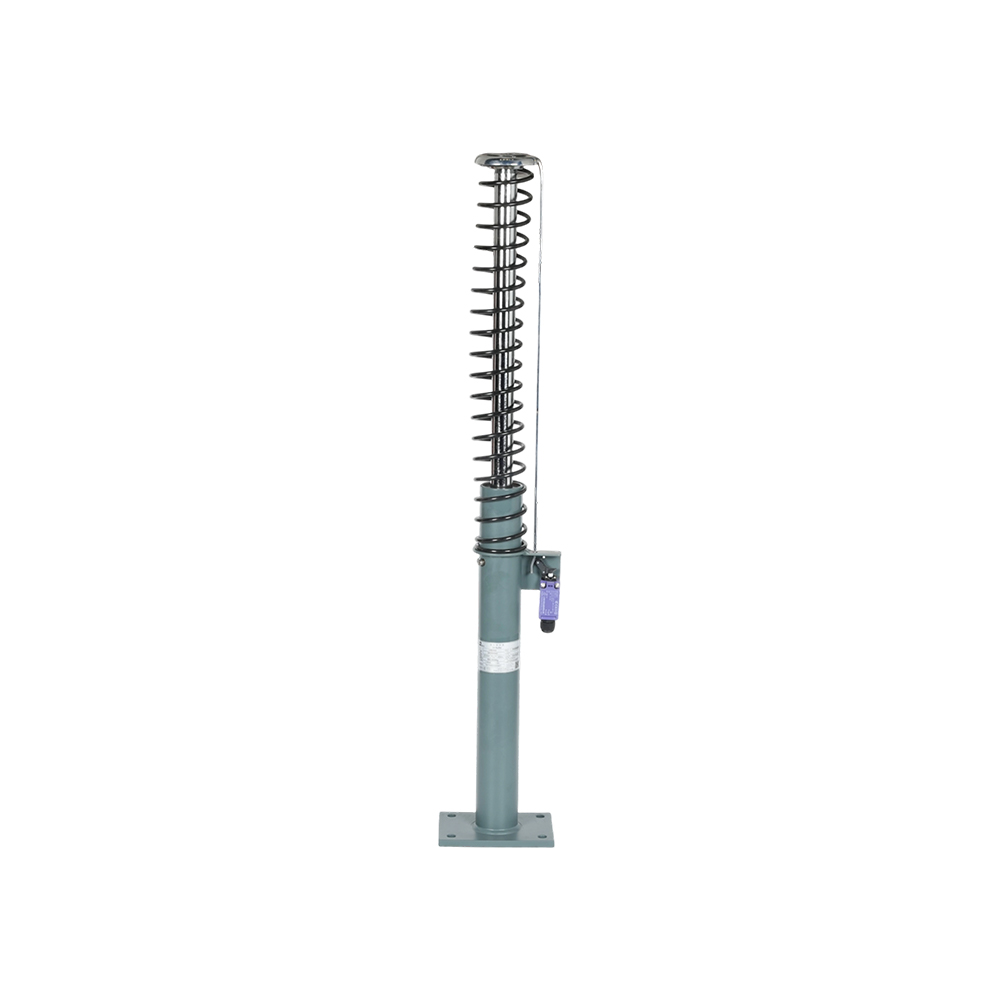
Traditional elevator safety relies on rigorous but infrequent manual inspections and functional tests. The core problem this approach presents is the inspection gap—the period between checks where a developing fault could go undetected, potentially leading to a safety incident or unscheduled downtime. Furthermore, many internal wear processes (like gradual spring relaxation, microscopic cracking, or lubricant degradation) are not visible during a routine visual inspection. This reactive model means problems are often only found during scheduled maintenance or, worse, after a component has failed. For building managers, this translates to unpredictable repair costs, emergency call-outs, and disruption to building occupants. Advanced monitoring systems solve this problem by providing continuous, data-driven insight into the condition of safety-critical components. They detect anomalies in real-time, providing an early warning system that allows maintenance to be planned proactively. This solves the problem of hidden failures by monitoring parameters that humans cannot easily perceive. The system also addresses the challenge of maintenance optimization; instead of replacing parts based on time, they can be replaced based on actual measured condition, potentially extending service life and reducing waste. For safety managers, these systems provide an auditable trail of system health, offering evidence beyond logbooks that the elevator is being maintained to a high standard. In essence, advanced monitoring transforms safety from a periodic checkpoint into a continuous state of awareness, dramatically reducing the risk of unexpected failures and enabling a more intelligent, efficient, and ultimately safer management of the elevator asset.
Advanced Monitoring Systems for Elevator Safety
-- Steady & Reliable Manufacturer --
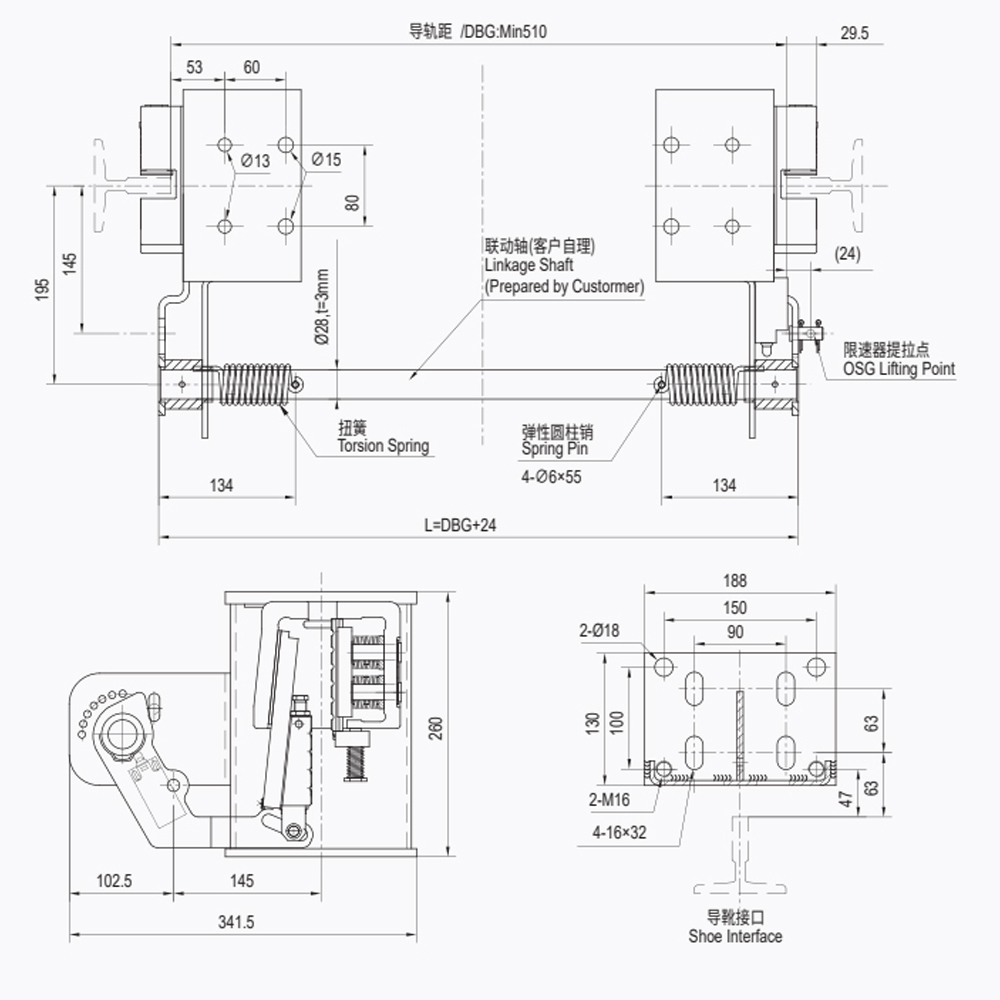
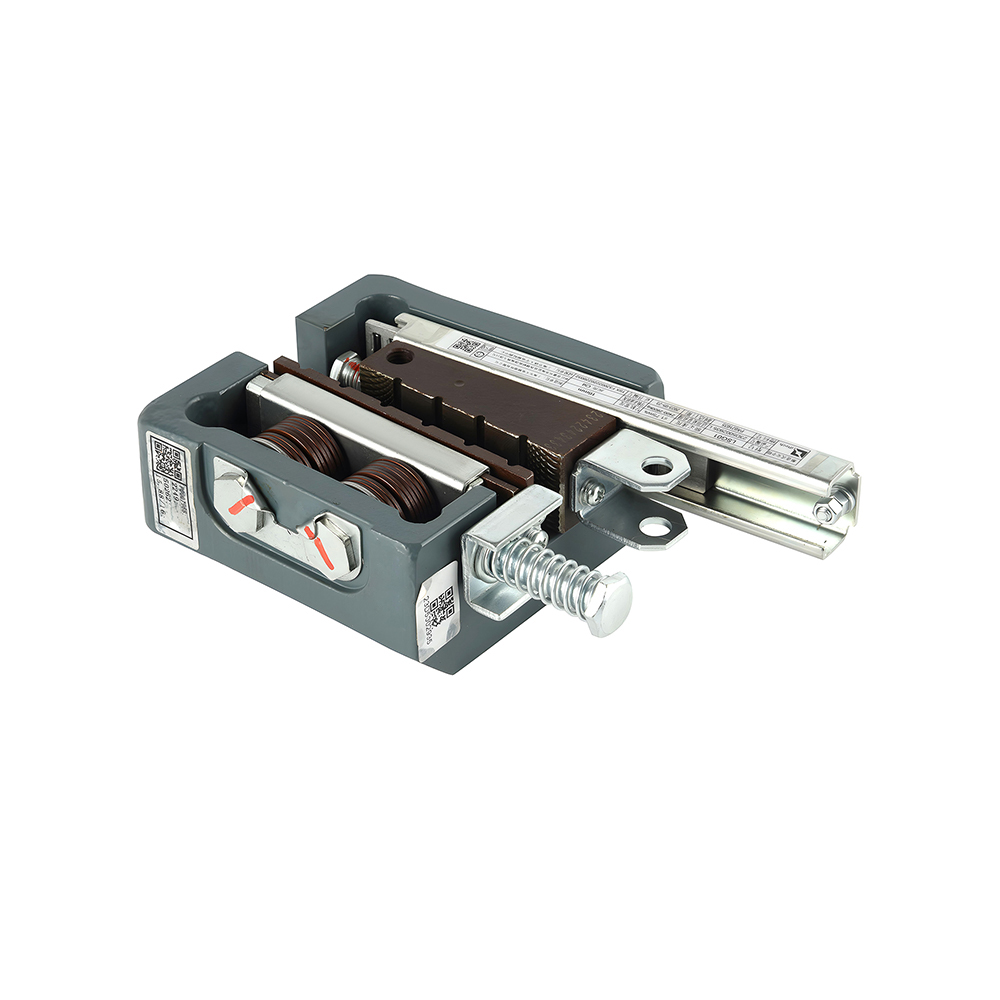
Advanced Monitoring Systems for elevator safety represent the convergence of traditional mechanical safety with digital intelligence and connectivity. These systems go beyond the periodic manual inspections mandated by codes, providing continuous, real-time data on the health and status of critical safety components. By embedding sensors directly into devices like safety gears, governors, and buffers, or by adding non-invasive monitors to guide rails and ropes, these systems transform passive safety hardware into active participants in a predictive maintenance strategy. The monitored parameters can include vibration patterns (indicating misalignment or wear), temperature (signaling excessive friction), positional data (for pre-tension of safety gear linkages), clamping force status, and even the condition of lubricants. This data is typically collected by a local gateway on the elevator and transmitted via wired or wireless networks to a cloud-based platform or a building management system (BMS). Advanced analytics software then processes this data, establishing baselines for normal operation and flagging anomalies that suggest emerging issues—long before they would lead to a functional failure or a mandatory shutdown. For example, a gradual increase in vibration from a guide shoe could indicate it needs replacement, allowing it to be scheduled during off-hours rather than failing during peak traffic. These systems also enhance safety directly: they can provide continuous verification that safety circuits are intact, monitor for subtle signs of governor rope wear, or even detect the early stages of a bearing failure in a traction machine that could lead to an overspeed condition. While not replacing the mandated mechanical safety devices, advanced monitoring creates a powerful supplementary layer of assurance, enabling a shift from reactive and schedule-based maintenance to a condition-based, predictive model that maximizes elevator availability, safety, and lifecycle cost efficiency.
Recommended Products
The Key Problem We Solve
Typical Applications
- High-traffic commercial buildings (offices, hotels, airports) where maximizing uptime is critical.
- High-rise and super-tall buildings where elevator reliability is paramount for occupant mobility.
- Building portfolios managed by facility management companies seeking centralized, data-driven maintenance.
- Modernization projects aiming to add smart monitoring capabilities to existing elevator systems.
- Elevators in remote or hard-to-service locations, where reducing site visits is a priority.
- Applications with valuable or sensitive cargo (e.g., data centers, laboratories) where preventing unexpected stops is crucial.
- Elevator OEMs offering premium, connected elevator packages as a product differentiator.
Product Advantages
| Monitored Components | Safety gear & linkage, overspeed governor, guide rails & shoes, suspension ropes, buffers, door locks. |
| Sensor Types | Accelerometers (vibration), Temperature sensors, Strain gauges (force), Acoustic emission sensors, Proximity/position sensors. |
| Data Acquisition & Communication | Local IoT gateway with wired/wireless (LoRa, LTE, WiFi) connectivity to cloud platform. |
| Analytics & Output | Cloud-based analytics, anomaly detection, trend analysis, predictive alerts, dashboard visualization. |
| Integration | Can provide APIs for integration with Building Management Systems (BMS) or Computerized Maintenance Management Systems (CMMS). |
Selection & Compliance Considerations
Implementing an advanced monitoring system requires careful planning beyond simply purchasing sensors. First, conduct a criticality analysis to decide which components to monitor. Prioritize safety-critical and high-wear items like the safety gear linkage and governor. Define the key performance indicators (KPIs) you want to track: Is it vibration to detect bearing wear, temperature to find overheating, or linear displacement to monitor spring tension? Sensor selection and placement are engineering tasks; sensors must be suitable for the harsh elevator environment (temperature, vibration, EMI) and mounted where they can collect meaningful data without interfering with the component's function. Data infrastructure is crucial: determine how data will be transmitted from the shaft (often challenging for wireless) and who will host and analyze it. Consider cybersecurity for any internet-connected system. Integration with existing workflows is key: the system should generate clear, actionable alerts for maintenance teams, not just data streams. Establish baseline measurements during a period of known good operation to calibrate the anomaly detection algorithms. Regulatory acceptance should be verified; while monitoring doesn't replace code-required tests, it can complement them. Ensure the system provider offers support for configuration, data interpretation, and ongoing algorithm tuning, as this is not a set-and-forget technology. The total cost of ownership (hardware, software, connectivity, services) should be evaluated against the expected benefits in reduced downtime and extended component life.
FAQ
- Q: Does an advanced monitoring system replace the need for manual safety inspections and tests?
- A: No, absolutely not. Advanced monitoring is a supplementary tool that enhances safety and maintenance but does not replace the legally mandated periodic inspections and functional tests required by elevator codes (e.g., EN 81, ASME A17.1). Those inspections involve physical checks, measurements, and tests that go beyond what sensors can detect. However, a monitoring system can make those inspections more targeted and efficient by highlighting areas of concern beforehand. It shifts the maintenance paradigm from "find problems during the inspection" to "address developing issues before the inspection," but the formal, code-prescribed inspection intervals and procedures remain in force.
- Q: What kind of ROI (Return on Investment) can I expect from such a system?
- A: ROI is measured in operational savings and risk mitigation, not component cost. Key benefits include: 1) Reduced Unplanned Downtime: Catching failures before they occur prevents costly emergency repairs and building disruption. 2) Extended Component Life: Replacing parts based on condition, not time, can maximize their usable life. 3) Optimized Maintenance Schedules: Reducing unnecessary preventive maintenance visits saves labor costs. 4) Lower Energy Costs: Monitoring can identify misalignments causing excess friction. 5) Improved Safety & Liability Reduction: Continuous health data provides evidence of proactive safety management. A detailed ROI analysis should be conducted for your specific building's elevator usage patterns and downtime costs.
- Q: How reliable are the sensors and the wireless communication in an elevator shaft?
- A: Modern industrial-grade sensors and communication protocols are designed for harsh environments. Sensors are typically rated for high vibration, wide temperature ranges, and have robust enclosures (IP67). For wireless communication, technologies like LoRaWAN or cellular LTE-M are favored for their good penetration in metal structures (like shafts) and low power consumption. Systems often use a gateway mounted at the top of the shaft or in the machine room that aggregates data from multiple sensors via a short-range, robust protocol (like wired RS-485 or wireless 868MHz) before sending it out via LTE. Redundancy and data logging in the gateway ensure no data is lost during temporary signal loss. The system's overall reliability is a key selection criterion and should be demonstrated by the provider through case studies or pilot projects.
About Us
Shanghai Liftech Elevator Accessories Co., Ltd.
Founded in 2004, Shanghai Liftech Elevator Accessories Co., Ltd. is a specialized enterprise dedicated to the R&D, manufacturing, testing, and sales of elevator safety components. With over two decades of sustained development, Liftech has established itself as a leading manufacturer in China's elevator safety sector, providing high-quality products and solutions to a wide range of major elevator brands and engineering clients across domestic and international markets. We are ,China Wholesale Advanced Monitoring Systems for Elevator Safety Suppliers and Advanced Monitoring Systems for Elevator Safety OEM/ODM Manufacturers
For over 20 years, LIFTECH (est. 2004) has been a trusted force in the R&D, manufacturing, and full lifecycle support of premium elevator safety components.
Material Selection Guide
| Monitoring Target | Primary Sensor Type | Measured Parameter & What it Indicates | Safety Gear Linkage | Strain Gauge / Micro-displacement Sensor | Pre-tension on linkage rod. Indicates spring relaxation or misadjustment. |
| Guide Rail / Shoe Interface | Tri-axial Accelerometer | Vibration spectrum. Changes indicate shoe wear, rail joint issues, or misalignment. | |||
| Governor Rotation | Hall-effect or Encoder (additional to safety switch) | Rotation speed and smoothness. Can detect rope slippage or sheave bearing issues. | |||
| Buffer Condition | Temperature Sensor, Fluid Level Sensor | Temperature rise after operation indicates efficiency; fluid level indicates leaks. | |||
| Door Lock Mechanism | Current Sensor / Hall-effect Sensor | Lock motor current profile. Deviation indicates mechanical binding or wear. |

