

 English
 中文简体
中文简体 русский
 Español
 Deutsch


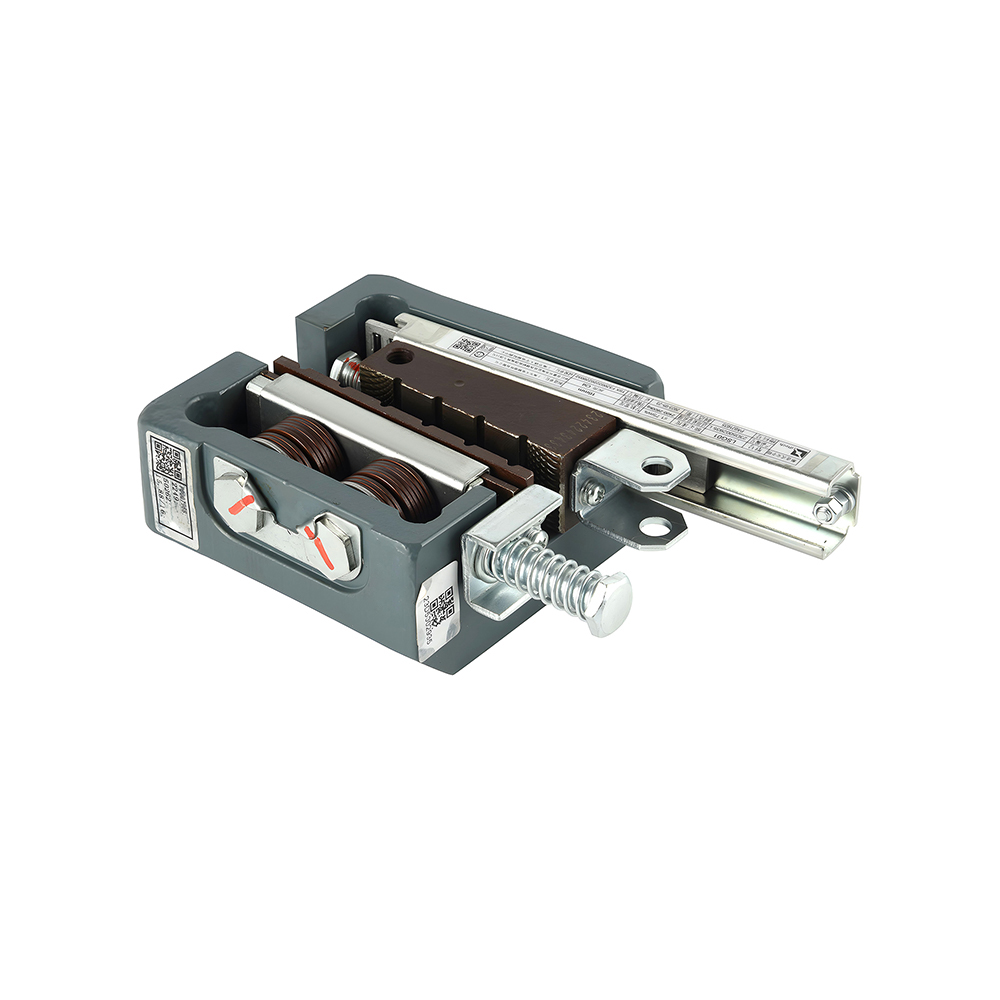
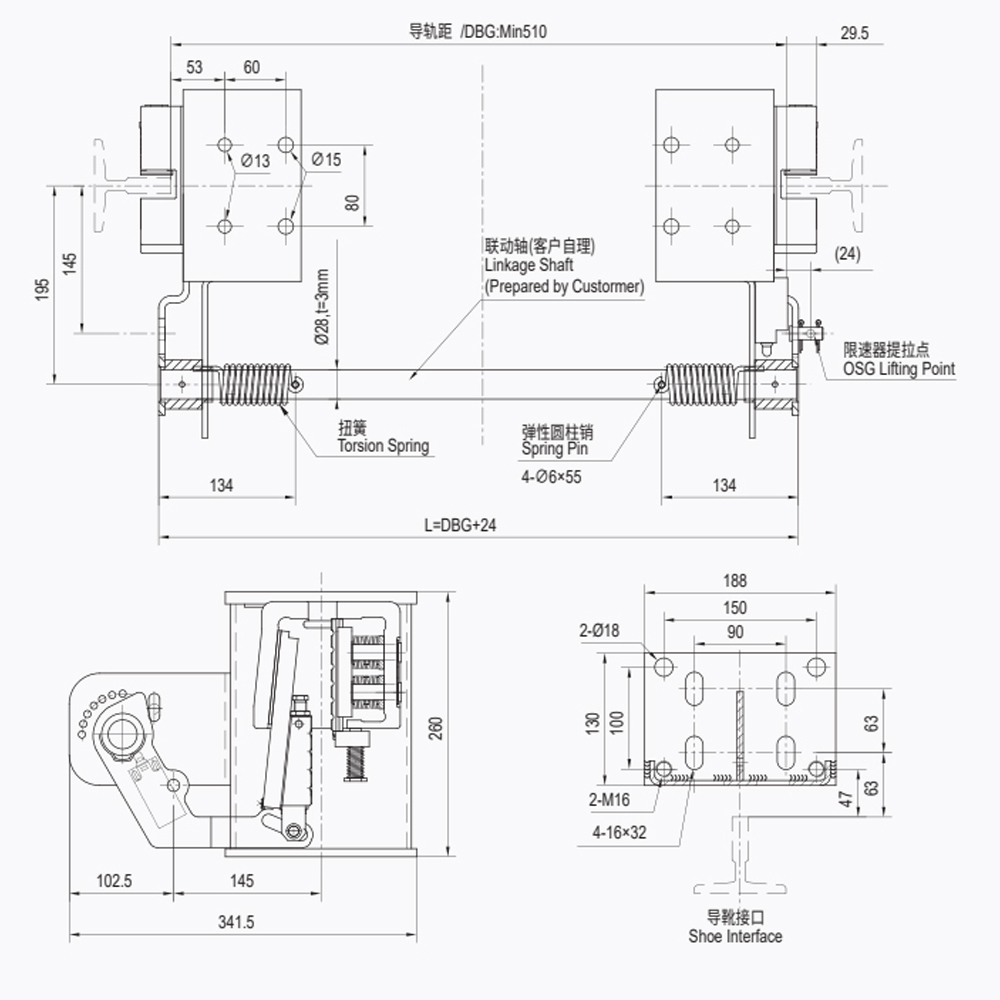
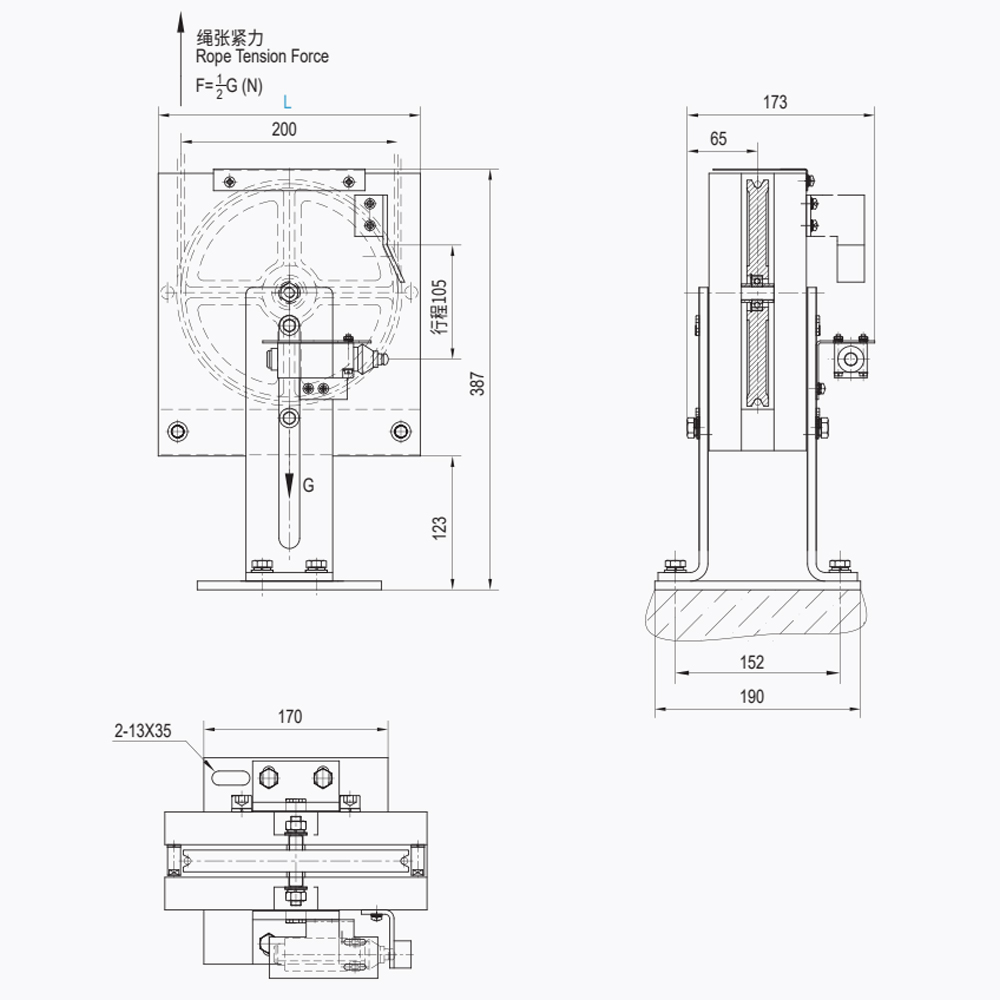
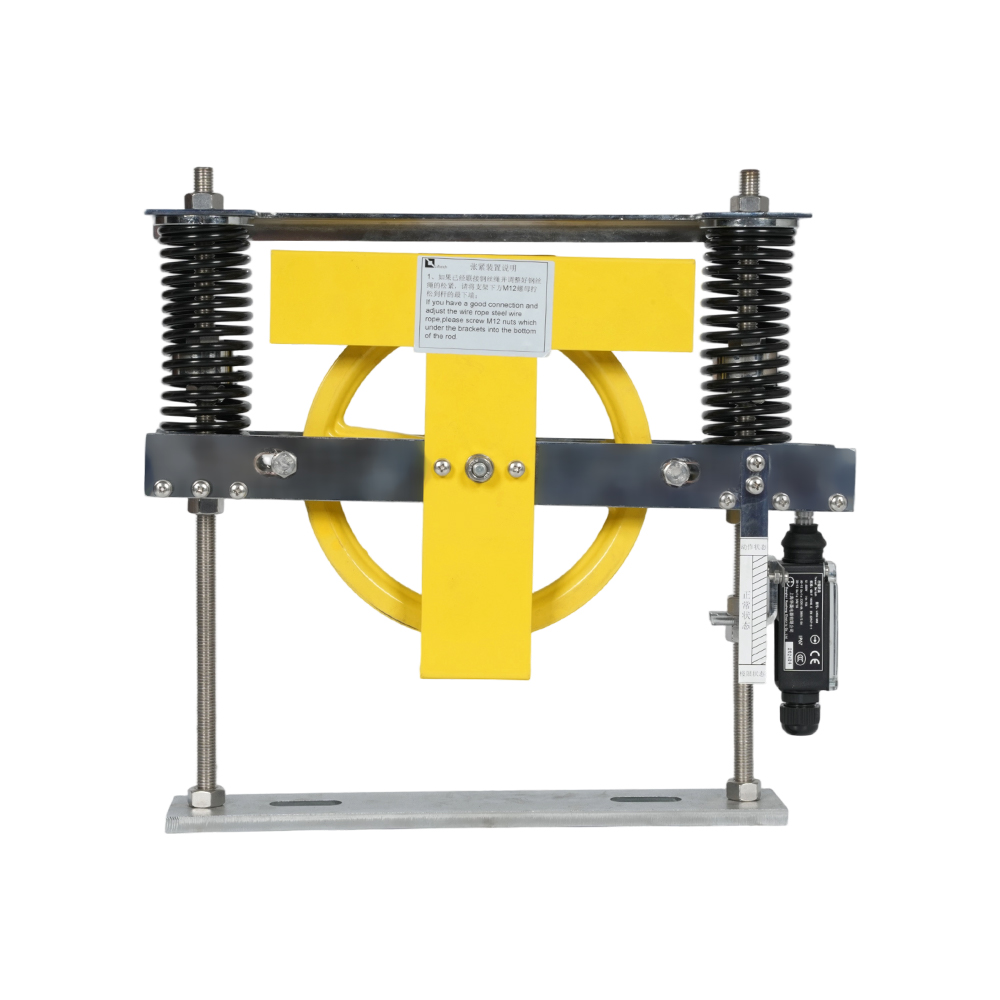
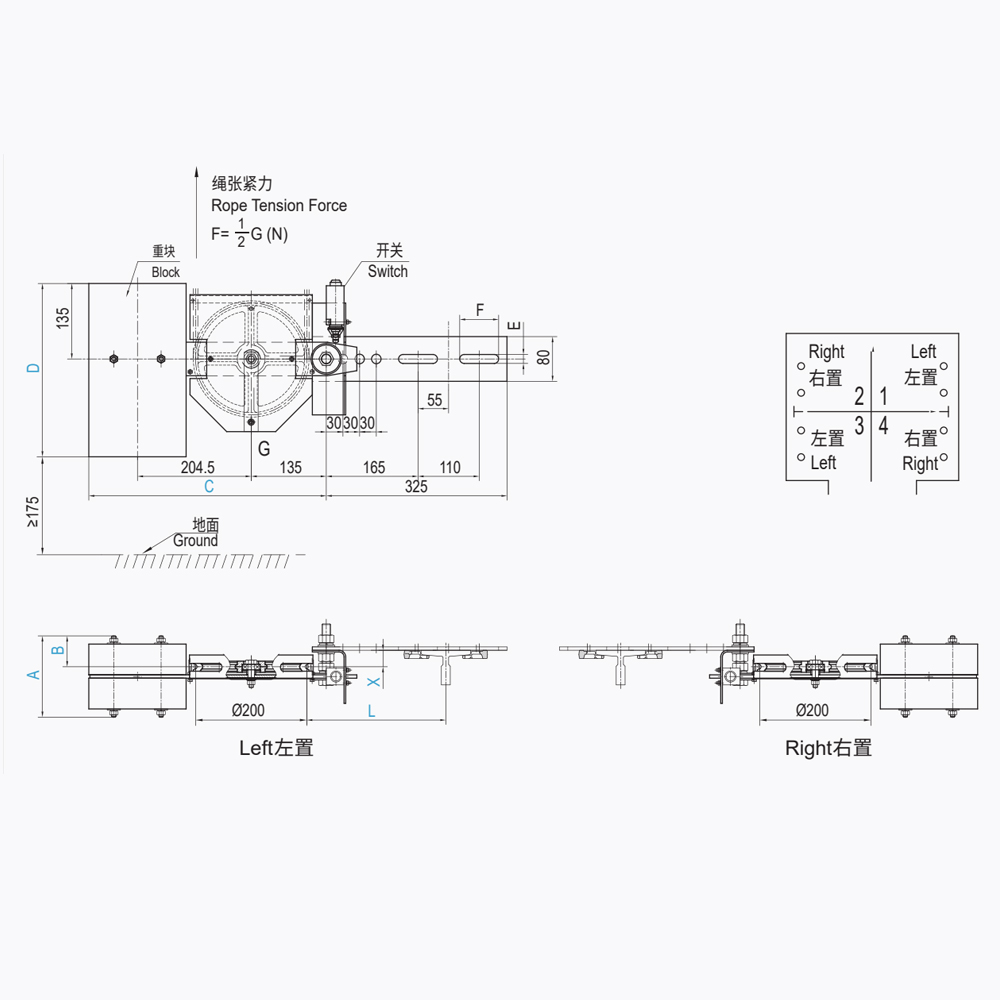
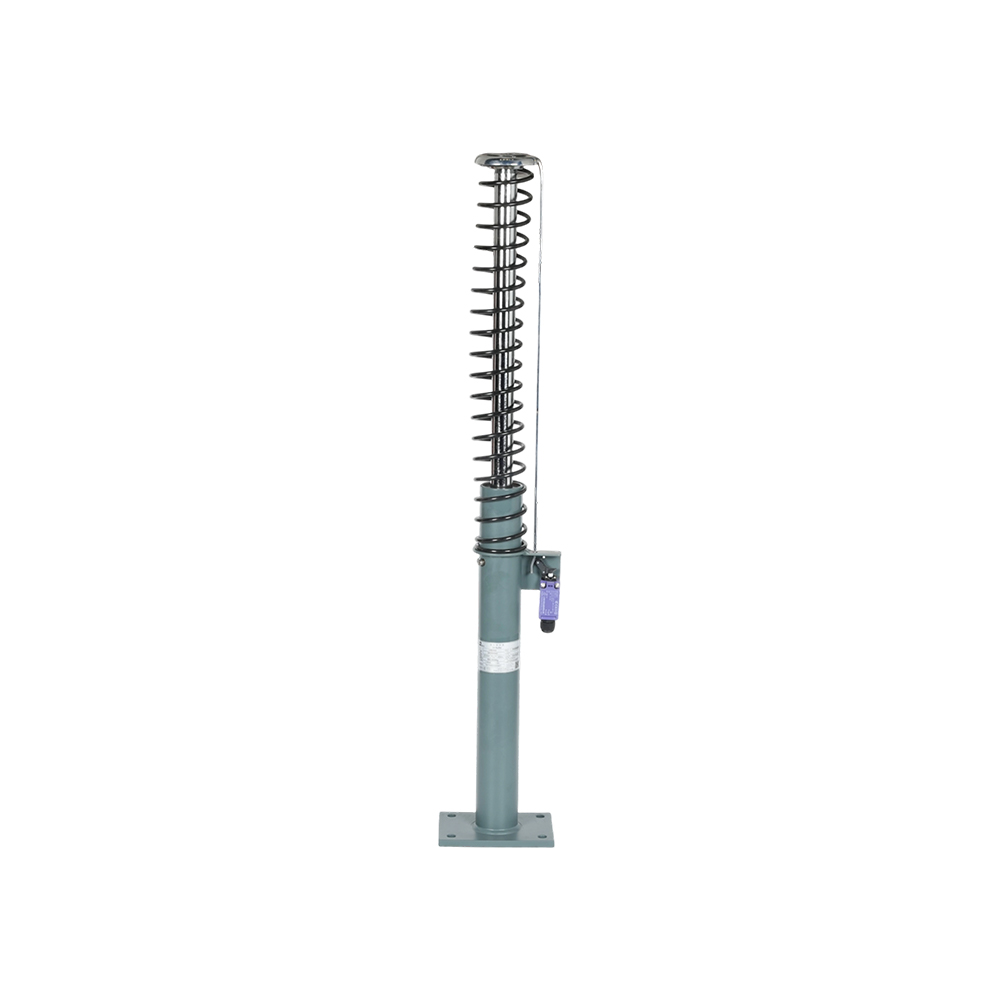
Traditional elevator safety maintenance is reactive or calendar-based, often missing subtle degradation that occurs between inspection intervals. Critical components sit idle for years, and their functional readiness is only tested periodically, leaving a significant latent risk window. Furthermore, diagnosing intermittent issues or understanding the root cause of a safety activation is difficult post-event. IoT-enabled monitoring solves these fundamental problems by providing continuous condition assessment, enabling the shift from scheduled to predictive maintenance. It identifies trends indicating wear or misadjustment long before a functional failure occurs. It also creates a forensic data record, capturing the precise state of all sensors milliseconds before, during, and after a safety event or fault, vastly improving incident analysis and component improvement cycles. For building owners and service providers, it eliminates the uncertainty about asset health, optimizes maintenance resource allocation, and provides demonstrable evidence of due diligence in safety management to insurers and regulators.
IoT-Enabled Elevator Safety Monitoring
-- Steady & Reliable Manufacturer --
IoT-Enabled Elevator Safety Monitoring represents a paradigm shift from periodic, manual inspections to continuous, data-driven oversight of critical safety components. This system integrates sensors, data loggers, and communication modules directly onto safety gears, overspeed governors, and buffers to collect real-time operational parameters such as vibration, temperature, position, engagement counts, and mechanical wear indicators. The data is transmitted via wireless (e.g., LoRaWAN, NB-IoT, 4G/5G) or wired networks to a cloud-based platform or local server, where advanced analytics software processes the information. The core function is to transform physical safety devices into intelligent nodes within a digital ecosystem, providing unprecedented visibility into their health and operational status. This goes beyond basic remote monitoring; it involves establishing baselines for normal operation, using algorithms to detect anomalies predictive of failure (e.g., increasing friction temperatures, changing vibration signatures, gradual calibration drift), and generating actionable alerts for preventative maintenance. The system serves as a digital twin of the physical safety chain, enabling condition-based maintenance, reducing unplanned downtime, and providing auditable data trails for compliance and liability management. It bridges the gap between the mechanical world of traditional elevator safety and the digital demands of modern smart building management, offering a proactive approach to risk management that complements, but does not replace, mandated physical inspections and functional tests.
Recommended Products
The Key Problem We Solve
Typical Applications
- High-traffic commercial buildings and skyscrapers where elevator uptime is critical.
- Portfolios of buildings managed by large property firms seeking centralized, data-driven asset management.
- Elevators in remote or difficult-to-access locations (e.g., offshore platforms, remote telecom towers).
- Modernization projects aiming to achieve “smart building” certification or integrate with Building Management Systems (BMS).
- Elevator OEMs offering premium, connected service packages for their new installations.
- Insurance companies incentivizing or requiring data-backed preventative maintenance programs.
- Government and public transportation facilities prioritizing maximum safety and availability.
Product Advantages
| Sensor Types Deployed | Tri-axial accelerometers (vibration), infrared/contact temperature sensors, Hall effect/magnetic sensors (position, engagement count), strain gauges (load), acoustic emission sensors. |
| Data Acquisition & Connectivity | On-device microprocessors with edge computing capability; wireless (LoRaWAN, NB-IoT, Cellular, Wi-Fi) or Power-over-Ethernet (PoE) connectivity; gateway devices for local aggregation. |
| Power Management | Long-life lithium batteries (10+ years), energy harvesting (kinetic, thermal), or hardwired low-voltage DC supply. |
| Data Platform & Analytics | Cloud-based SaaS platform with role-based dashboards; machine learning algorithms for anomaly detection; automated alerting via SMS, email, API to CMMS. |
| Cybersecurity | Data encryption in transit (TLS) and at rest; secure device authentication; regular OTA security updates. |
| Environmental Rating | IP67/IP68 for sensors in pits and hoistways; wide operating temperature range (-40°C to +85°C). |
| Regulatory Alignment | Designed as an add-on monitoring system that does not interfere with or replace the mandated safety function per EN 81-20/50, ASME A17.1. |
Selection & Compliance Considerations
Selecting an IoT monitoring system requires a clear strategy. First, define the key performance indicators (KPIs) you need: predictive maintenance alerts, utilization reports, or compliance logging. Evaluate the sensor suite: does it monitor the parameters most critical to your safety components (e.g., governor bearing vibration, safety gear jaw temperature)? Assess the connectivity solution for your building's infrastructure: wireless may require signal surveys in reinforced concrete shafts. Cybersecurity protocols are non-negotiable. The platform's analytics must be actionable, not just data-presenting. Crucially, the system must be installed and calibrated by qualified personnel to ensure sensor data is accurate and meaningful. Consider the total cost of ownership, including subscription fees for the cloud platform. Verify that the system provider offers integration support with existing Computerized Maintenance Management Systems (CMMS) or BMS.
FAQ
- Q: Does IoT monitoring replace the required annual safety test and inspection? A> No, absolutely not. IoT monitoring is a supplementary tool for condition-based maintenance and operational insight. The legally mandated periodic inspections, overspeed tests, and safety gear function tests conducted by a certified technician remain fully required. The IoT system provides data to make those physical inspections more targeted and effective.
- Q: How is the data from the safety system kept secure and private? A> Reputable providers implement industrial-grade cybersecurity. This includes hardware security modules on devices, end-to-end encryption for all data transmission, secure APIs, and compliance with data protection regulations like GDPR. Data ownership and access policies should be clearly defined in the service agreement.
- Q: What is the typical ROI for such a system? A> Return on Investment is realized through multiple channels: Preventing catastrophic failures that cause extended downtime and costly repairs. Optimizing maintenance schedules, reducing unnecessary visits and focusing on components that need attention. Extending component lifespan through timely intervention. Reducing insurance premiums through demonstrated proactive risk management. Enhancing building value with smart, data-driven infrastructure.
- Q: Can it be retrofitted to older elevators? A> Yes, retrofitting is a primary application. Sensors and communication nodes can be mounted on existing safety gears, governors, and in pits with minimal intrusion. Power can be supplied via batteries or small tap-offs. The key is ensuring the sensors can be mounted to accurately measure the desired parameters without affecting the mechanical function of the safety device.
About Us
Shanghai Liftech Elevator Accessories Co., Ltd.
Founded in 2004, Shanghai Liftech Elevator Accessories Co., Ltd. is a specialized enterprise dedicated to the R&D, manufacturing, testing, and sales of elevator safety components. With over two decades of sustained development, Liftech has established itself as a leading manufacturer in China's elevator safety sector, providing high-quality products and solutions to a wide range of major elevator brands and engineering clients across domestic and international markets. We are ,China Wholesale IoT-Enabled Elevator Safety Monitoring Suppliers and IoT-Enabled Elevator Safety Monitoring OEM/ODM Manufacturers
For over 20 years, LIFTECH (est. 2004) has been a trusted force in the R&D, manufacturing, and full lifecycle support of premium elevator safety components.
Material Selection Guide
| Monitoring Component | Sensor & Material Strategy |
| Governor Monitoring Node | Housing: Die-cast aluminum or engineering plastic for RF signal transparency and lightweight. Sensors: MEMS accelerometer for bearing vibration; infrared sensor for internal temperature near flyweights. Mounting: Non-invasive clamp or magnetic base secured to governor housing, ensuring no interference with moving parts. |
| Safety Gear Monitoring Kit | Wear Sensor: Thin-film or micro-insert sensors embedded in or attached to replaceable friction liners to measure remaining material thickness. Temperature Sensor: High-temp rated thermocouple or IR sensor focused on jaw/rail interface area. Strain Gauges: Applied to linkage rods to monitor force transmission during tests or rare events. |
| Pit & Buffer Area Sensor | Environment Sensor: IP68-rated node with temperature, humidity, and water detection sensors to monitor pit conditions. Position Sensor: Magnetic or ultrasonic sensor to verify buffer is in the reset (extended) position. Materials: Stainless steel enclosures and corrosion-resistant connectors for harsh pit environments. |

