

 English
 中文简体
中文简体 русский
 Español
 Deutsch


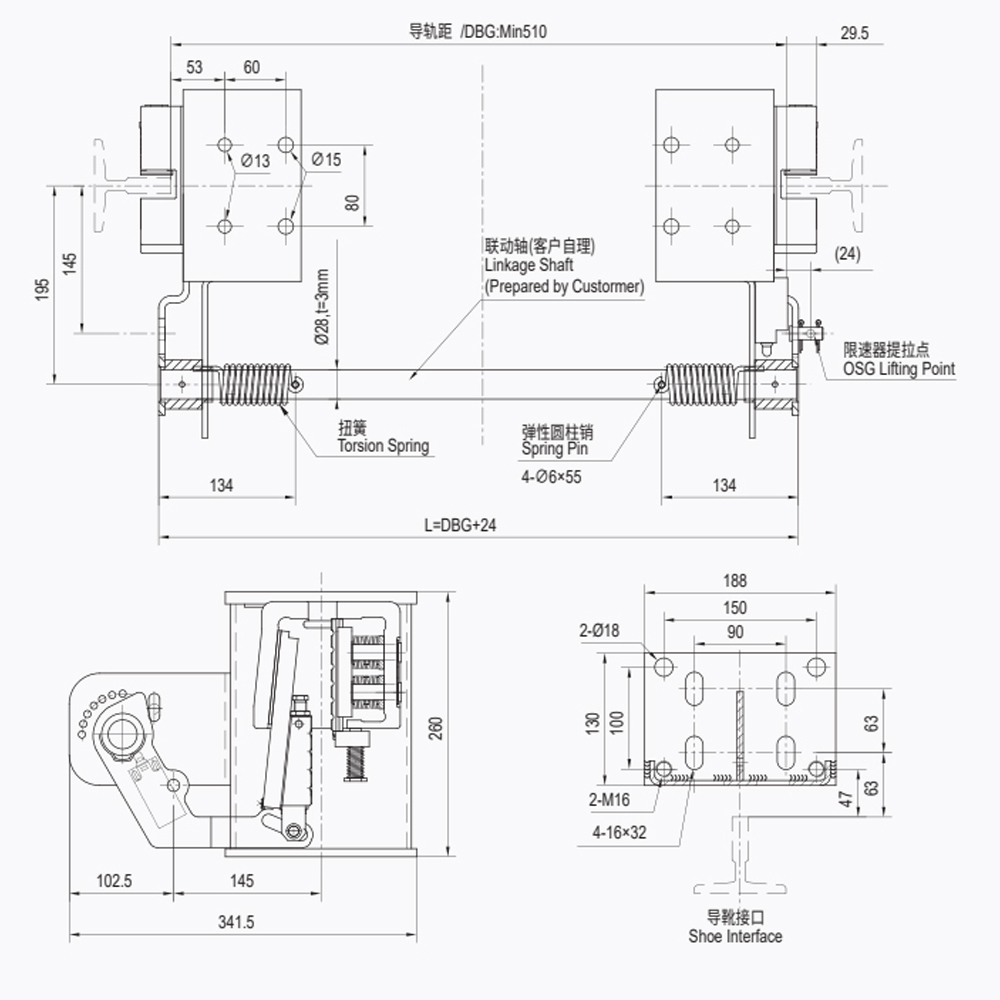
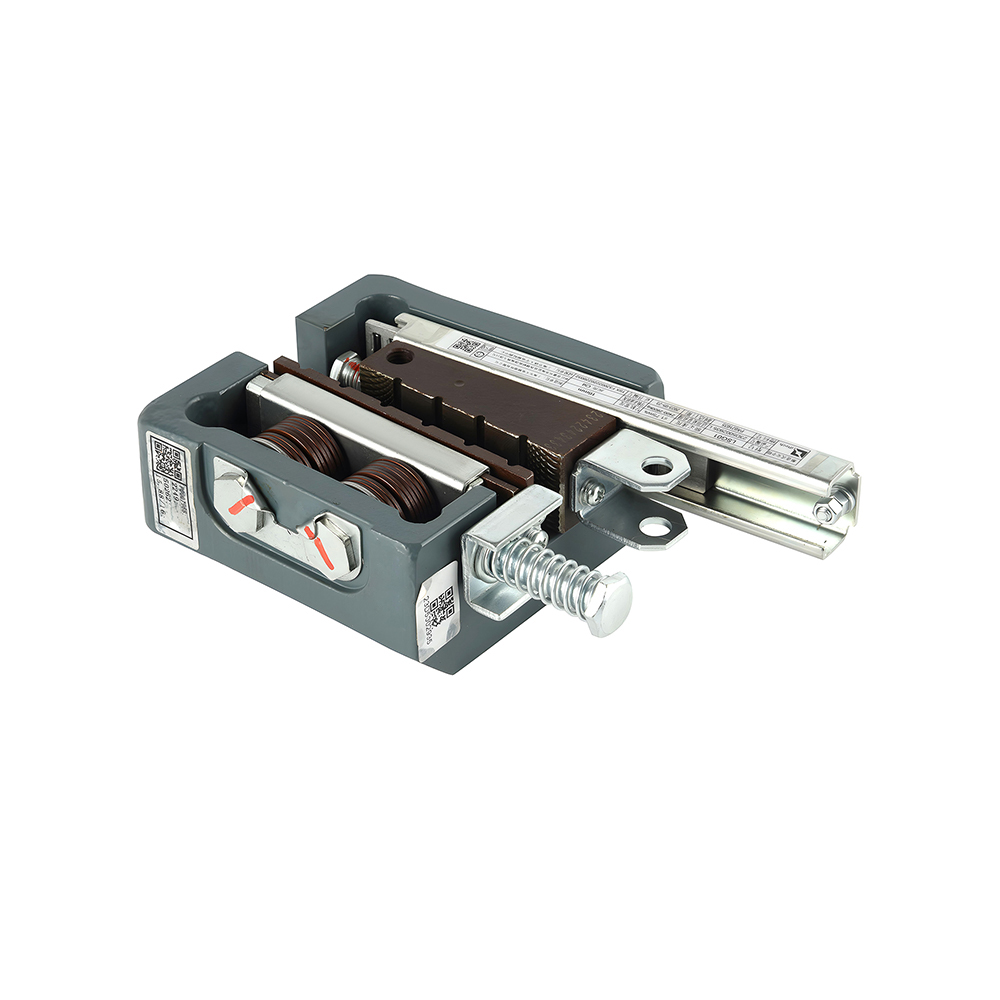
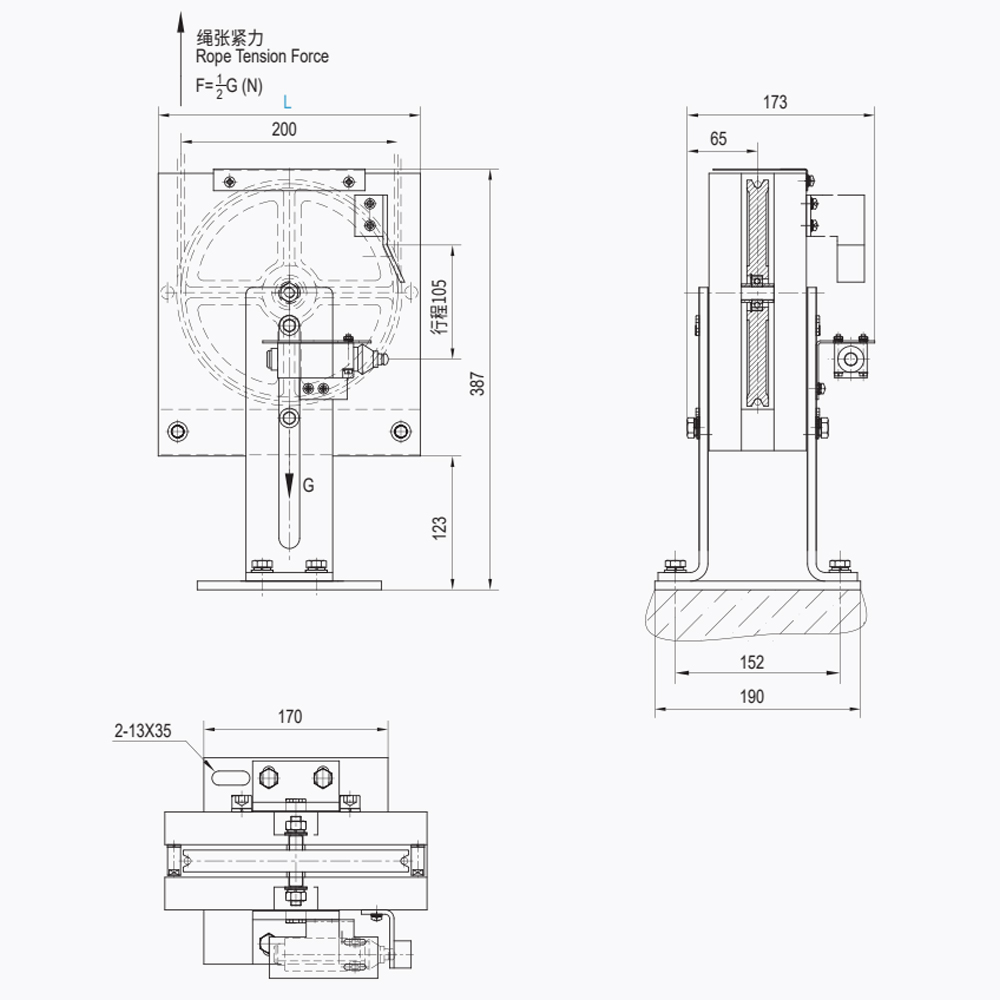
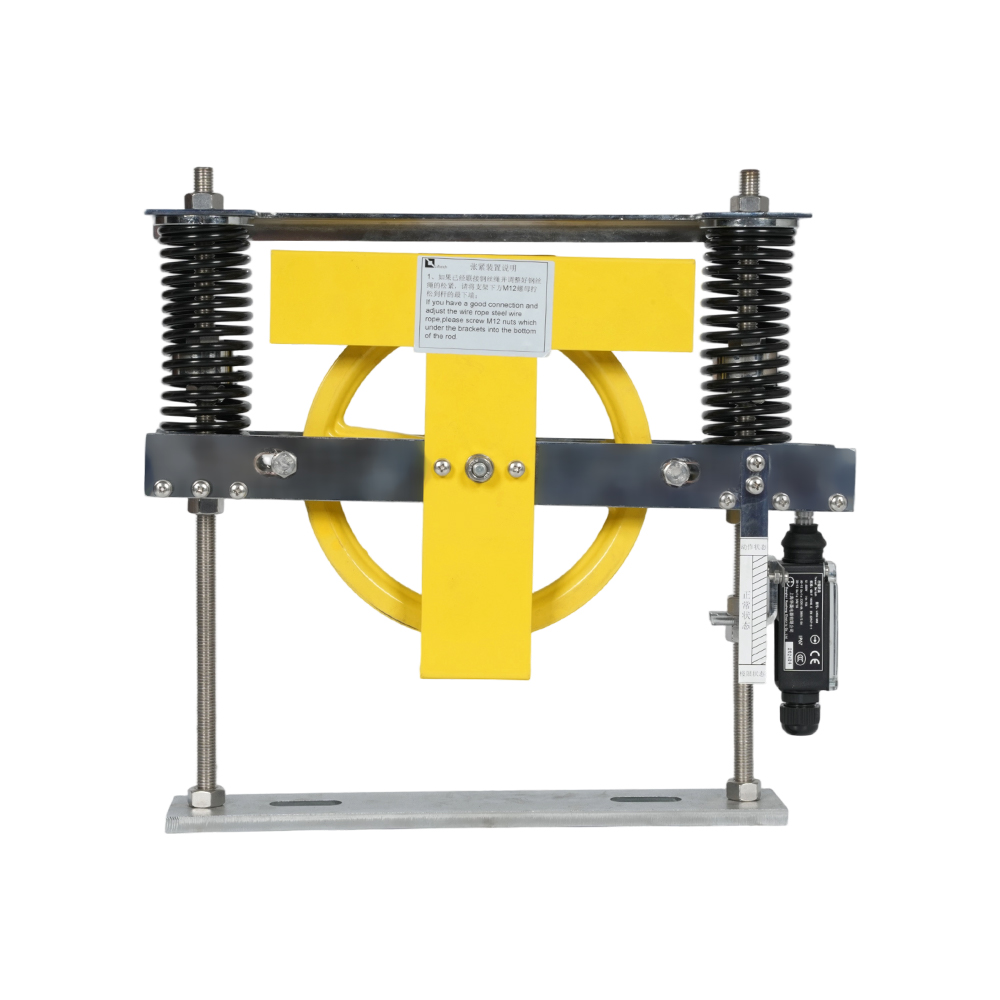
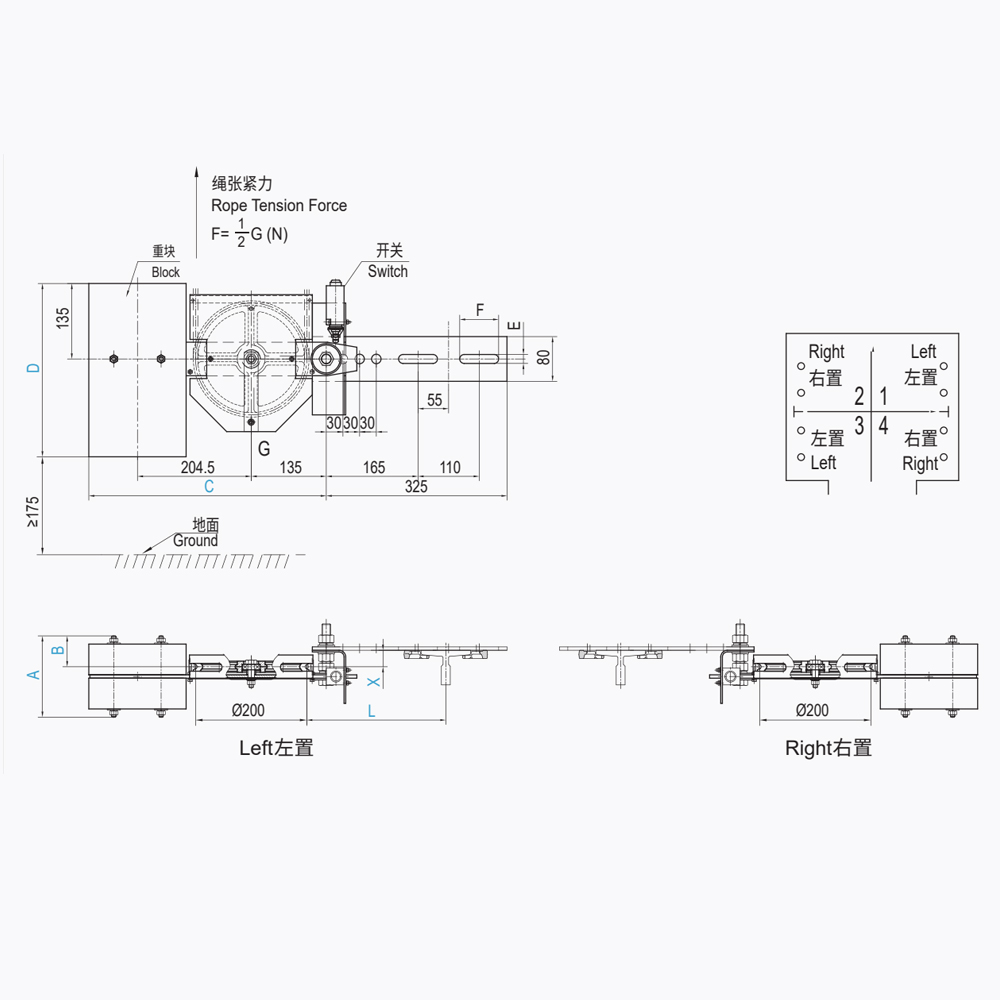
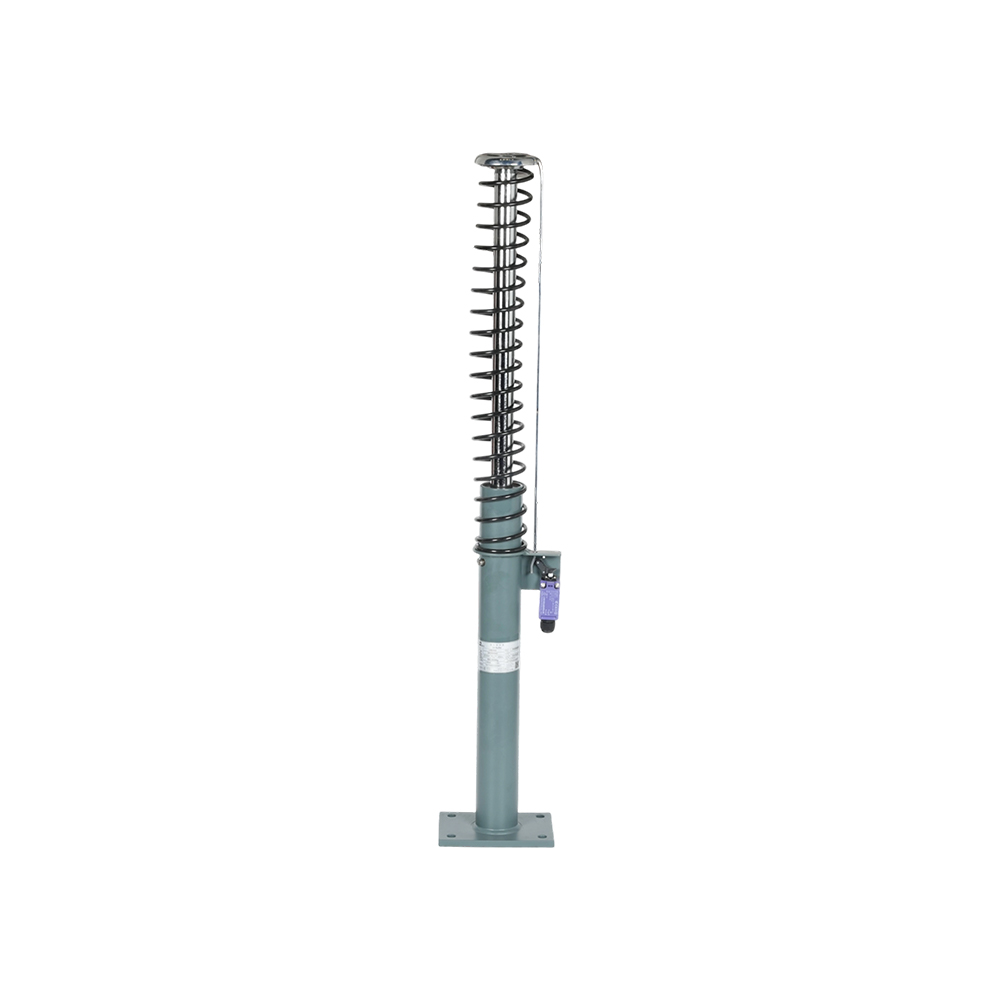
Safety components are often the least understood and most neglected part of elevator maintenance due to their infrequent activation. Technicians may lack specific knowledge on how to properly inspect for wear, calibrate trip settings, or interpret subtle signs of impending failure. This knowledge gap can lead to inadequate maintenance, misadjustment, or the inability to correctly diagnose faults, rendering the safety system unreliable. Formalized training solves this problem by systematically transferring expert knowledge from manufacturers and veteran technicians to the field workforce. It standardizes best practices, reduces human error, and creates a culture of safety-first maintenance, directly contributing to the long-term reliability and performance of the elevator.
Training for Elevator Safety System Maintenance
-- Steady & Reliable Manufacturer --
Specialized training for elevator safety system maintenance is an educational service designed for elevator technicians, mechanics, and facility engineers. It goes beyond generic elevator maintenance to focus intensely on the inspection, testing, adjustment, and troubleshooting of safety-critical components: overspeed governors, safety gears, buffers, and their interconnections. Effective training combines theoretical knowledge of safety principles and standards with hands-on practical skills using real components or detailed simulators. The goal is to empower maintenance personnel with the deep understanding necessary to ensure these life-critical systems are always in a state of functional readiness, thereby preventing accidents and ensuring regulatory compliance.
Recommended Products
The Key Problem We Solve
Typical Applications
- Elevator maintenance companies upskilling their field technician teams
- Large facility management firms with in-house engineering staff responsible for elevator oversight
- Vocational schools and technical colleges with elevator mechanic programs
- Government safety inspectors and surveyors
- Elevator OEMs training their own service personnel on new product technologies
Product Advantages
| Training Formats | On-site hands-on workshops, Virtual instructor-led sessions, Self-paced e-learning modules, Hybrid models. |
| Core Curriculum Modules | 1. Safety Standards Overview (ASME A17.1/2, EN 81-20/50, A17.3). 2. Governor Principles & Calibration. 3. Safety Gear Types, Inspection & Adjustment. 4. Buffer Functionality & Testing. 5. System Interaction & Troubleshooting. 6. Documentation & Record-Keeping. |
| Hands-On Tools | Use of training rigs with actual governors and safety gears, calibration test equipment, measurement tools (feeler gauges, torque wrenches). |
| Certification | Course completion certificates, optional competency assessments aligned with industry schemes (e.g., NAEC's CET program elements). |
| Materials Provided | Comprehensive training manuals, quick-reference guides, video libraries of procedures, inspection checklists. |
Selection & Compliance Considerations
When selecting a training provider, evaluate their direct experience with the specific types of safety components you maintain. The curriculum should be based on current codes and manufacturer recommendations. Hands-on components are non-negotiable for developing practical skills. Consider the trainer's credentials: they should be seasoned experts, not just theoreticians. For companies, training should be scalable and customizable to your team's existing knowledge level and the specific elevator models in your portfolio. Ensure the training includes a strong emphasis on safety protocols for working on energized and mechanical systems.
FAQ
- Q: How often should technicians receive refresher training on safety systems? A> A formal refresher course is recommended every 3-5 years, or whenever there is a major update to safety standards or introduction of significantly new technology (e.g., widespread adoption of bidirectional governors for UCMP). Continuous micro-learning through updated manuals and short video updates should be ongoing.
- Q: Can training help reduce liability and insurance costs? A> Yes, demonstrably. A documented training program for technicians is a key part of a company's safety management system. It shows due diligence to insurers and regulators, potentially lowering liability premiums. It also reduces the likelihood of maintenance errors that could lead to accidents and related claims.
- Q: Is online training effective for hands-on skills like safety gear adjustment? A> Online training is excellent for theory, standards, and procedural knowledge. However, for core psychomotor skills like setting a governor trip or adjusting safety gear spring tension, in-person, hands-on training is essential. A hybrid model (online theory + in-person practical) is often the most efficient and effective.
About Us
Shanghai Liftech Elevator Accessories Co., Ltd.
Founded in 2004, Shanghai Liftech Elevator Accessories Co., Ltd. is a specialized enterprise dedicated to the R&D, manufacturing, testing, and sales of elevator safety components. With over two decades of sustained development, Liftech has established itself as a leading manufacturer in China's elevator safety sector, providing high-quality products and solutions to a wide range of major elevator brands and engineering clients across domestic and international markets. We are ,China Wholesale Training for Elevator Safety System Maintenance Suppliers and Training for Elevator Safety System Maintenance OEM/ODM Manufacturers
For over 20 years, LIFTECH (est. 2004) has been a trusted force in the R&D, manufacturing, and full lifecycle support of premium elevator safety components.
Material Selection Guide
| Training Module | Key Learning Objectives & Technical Content |
| Governor Inspection & Calibration | Identify wear points (pivots, sheave groove). Understand centrifugal force/spring balance. Perform overspeed trip test using a calibrated tachometer. Adjust trip speed (if permitted) and verify using controlled acceleration equipment. Interpret "chatter" or irregular operation. |
| Safety Gear Functional Testing | Conduct the "Safety Test" per code: simulate governor trip to engage gear on guide rails in the pit. Measure and interpret stopping distance. Inspect jaw/rail contact for evenness. Check for free return after release. Adjust tension springs and linkage rod nuts to specified torque. |
| Buffer Inspection & Performance | Check oil buffers for leaks, fluid level, and corrosion. Verify reset time. Inspect spring buffers for corrosion, cracks, and full compression capability. Understand the difference between energy accumulation and dissipation types. |
| Systematic Troubleshooting | Use a logical fault tree to diagnose issues like "safety gear does not engage," "governor trips erratically," or "unusual noise from safety linkage." Understand how misadjustment in one component (e.g., governor rope tension) affects another (e.g., safety gear trip force). |

