

 English
 中文简体
中文简体 русский
 Español
 Deutsch


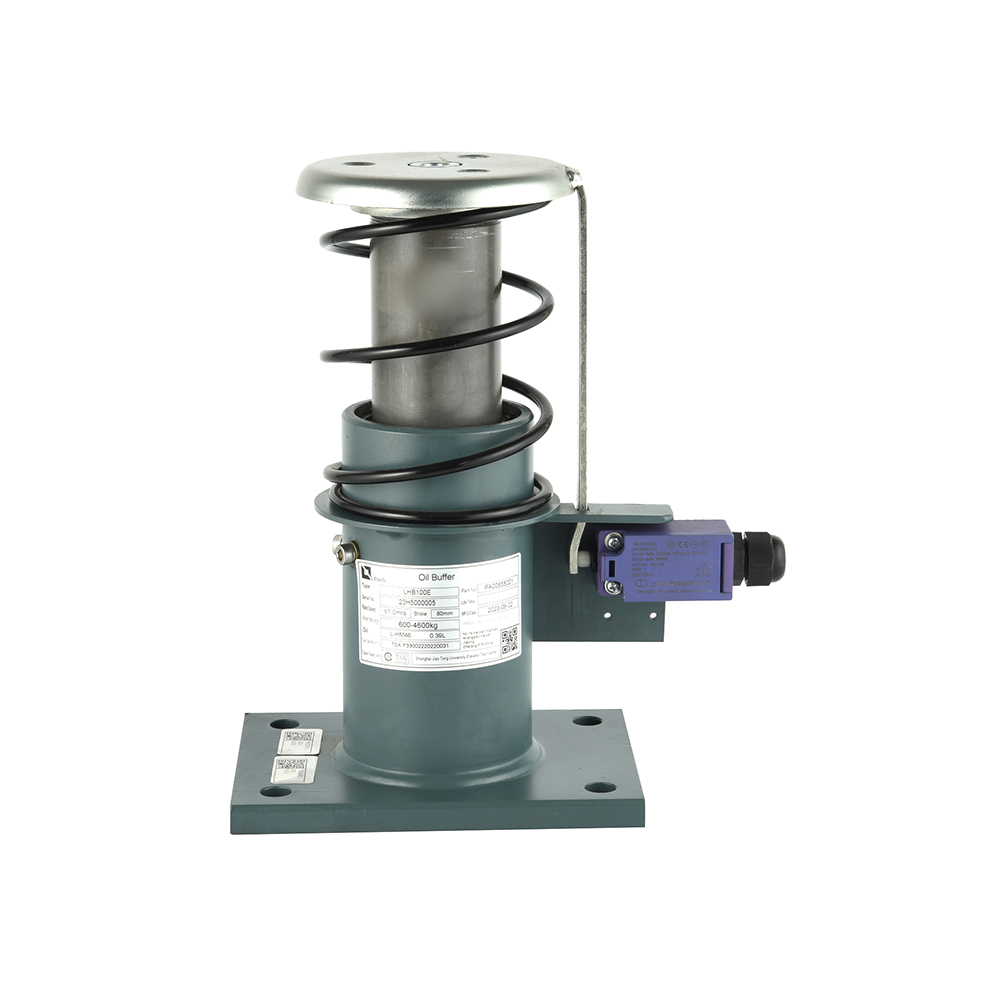
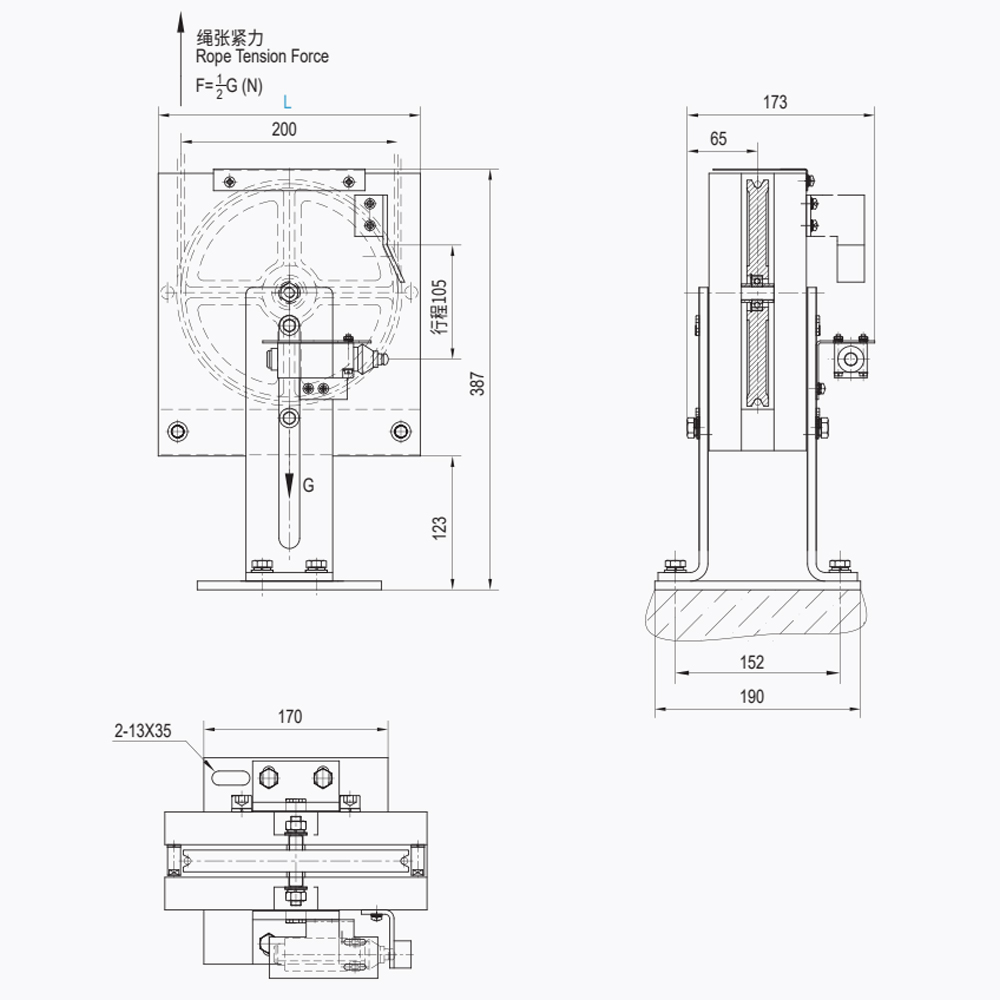
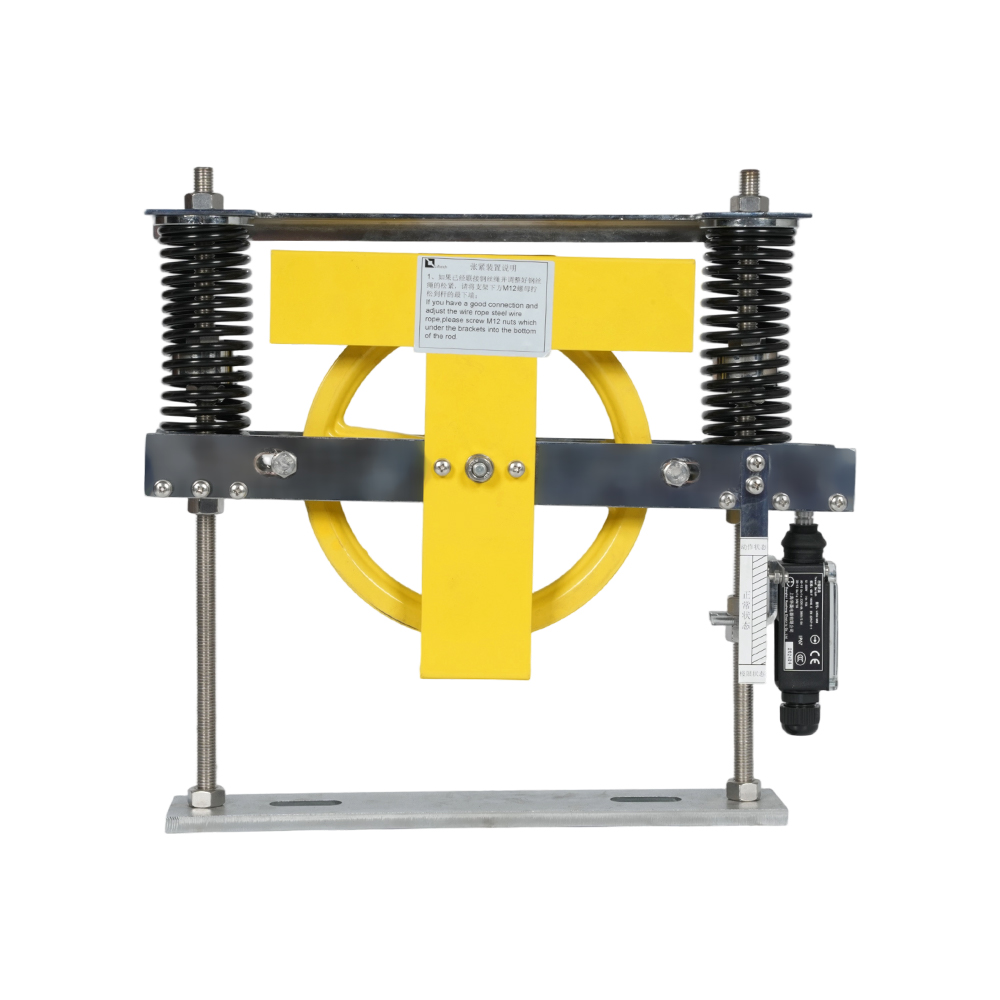
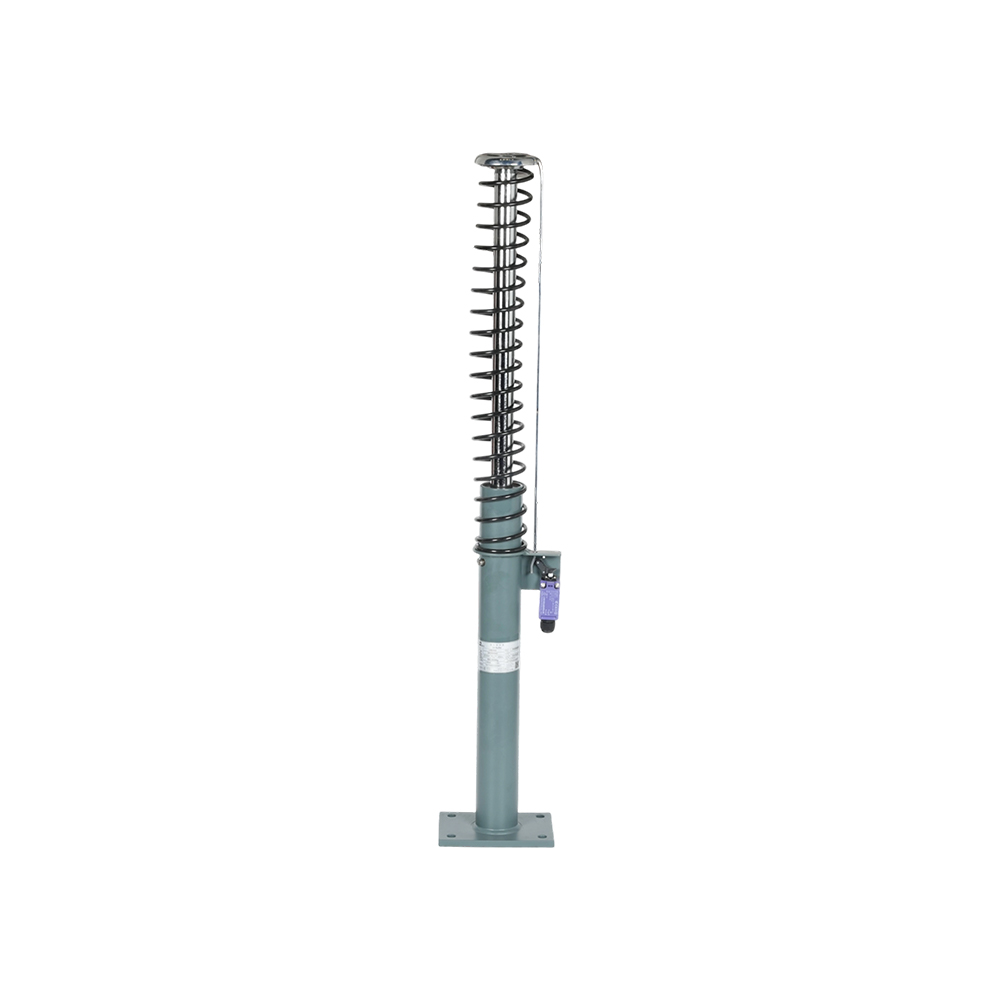
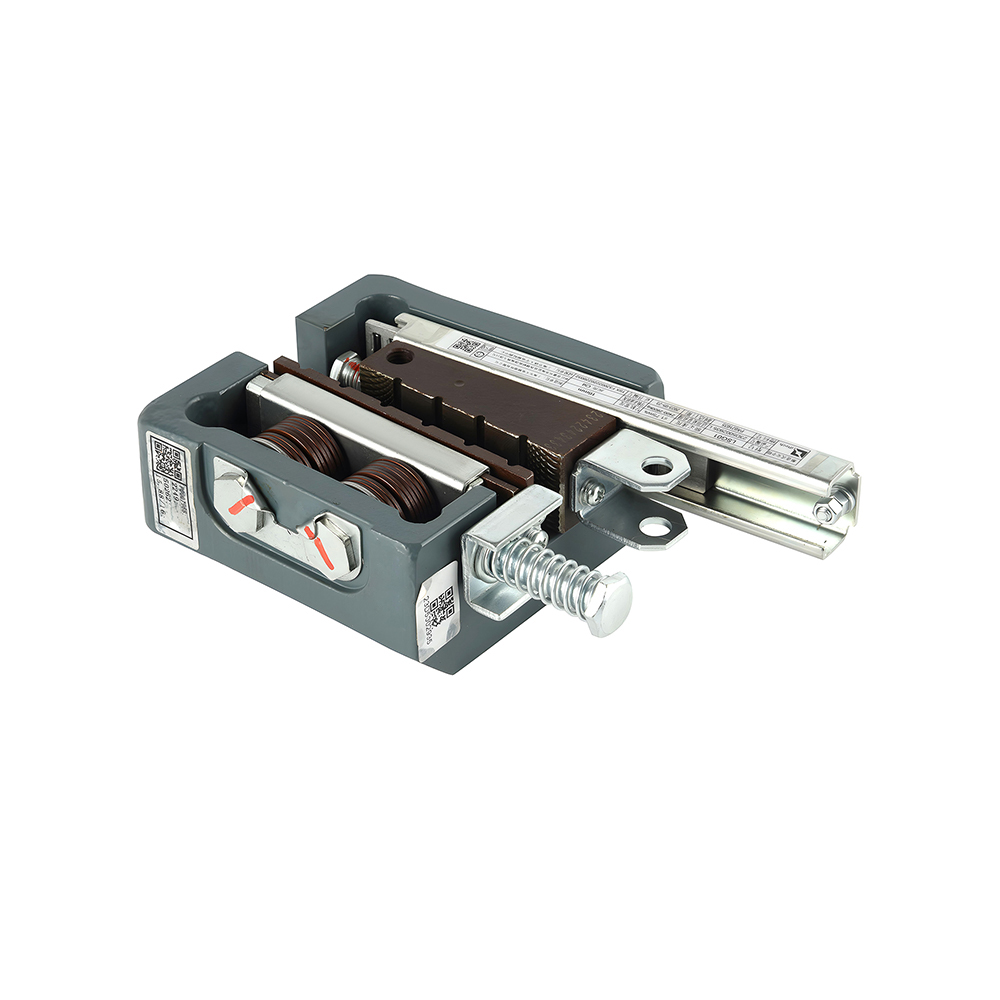
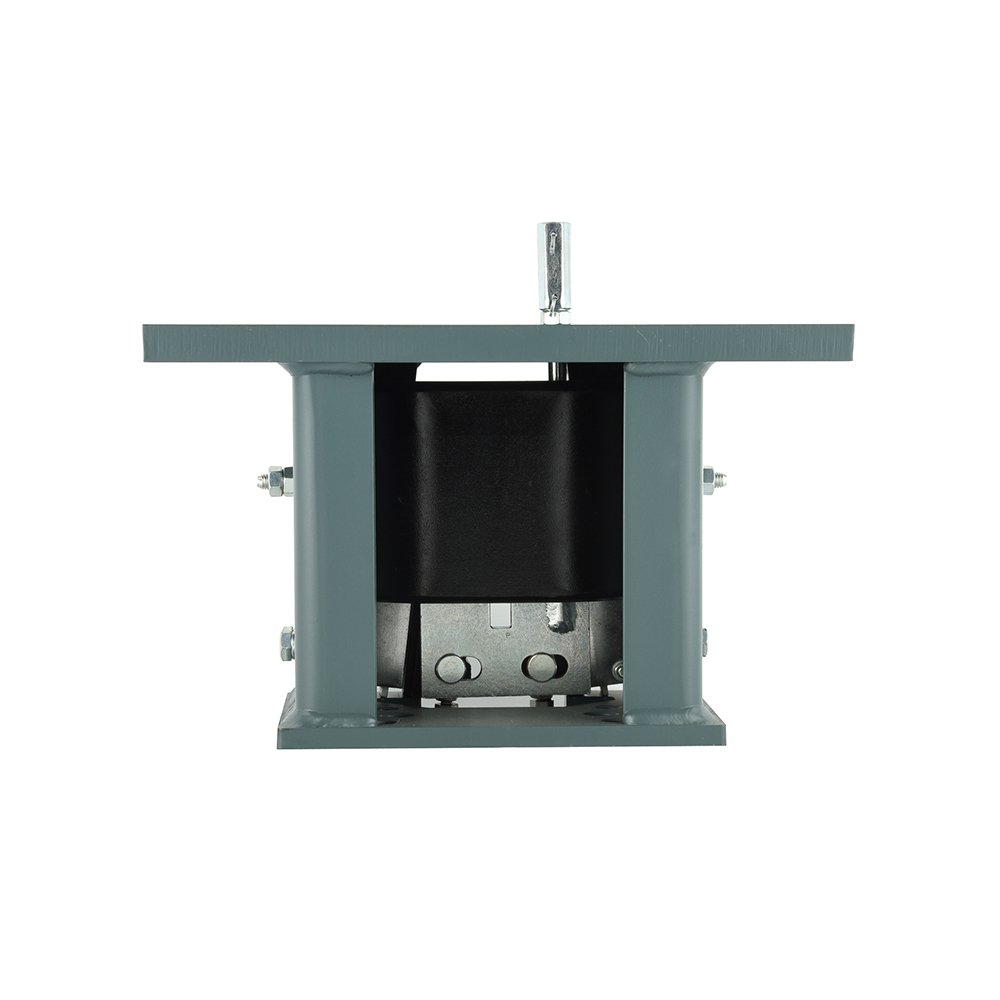
Standard carbon steel components with basic zinc plating will corrode prematurely in environments such as coastal regions, swimming pool areas, food processing plants, chemical facilities, or parking garages where de-icing salts are used. This corrosion can lock up governor mechanisms, prevent safety gear jaws from sliding freely, or cause buffer pistons to stick. The problem is the latent failure of a safety system when it is most needed. Corrosion-resistant components solve this by using materials and construction methods that actively resist the environmental attack, ensuring that the safety system remains mechanically sound and fully operational over decades, even in harsh conditions.
Corrosion-Resistant Safety Components
-- Steady & Reliable Manufacturer --
Corrosion-resistant elevator safety components are specifically engineered and finished to withstand aggressive environments where moisture, salt spray, chemicals, or high humidity are prevalent. Corrosion is not merely an aesthetic issue; it can seize moving parts, degrade structural integrity, alter friction coefficients, and lead to unpredictable or failed operation of safety-critical devices. This category encompasses components manufactured from stainless steels, specially coated carbon steels, non-ferrous metals like bronze or aluminum, and the use of seals and designs that prevent moisture ingress. The goal is to ensure the long-term functional reliability and safety performance of the elevator throughout its intended lifecycle in a corrosive setting.
Recommended Products
The Key Problem We Solve
Typical Applications
- Elevators in coastal cities and offshore platforms
- Buildings with indoor swimming pools, spas, or saunas
- Food and beverage processing plants, slaughterhouses, breweries
- Chemical and pharmaceutical manufacturing facilities
- Parking garages in cold climates using road salt
- Wastewater treatment plants and marine terminals
- Car ferries and cruise ships (marine elevators)
Product Advantages
| Material Grades | Stainless Steel (304, 316, 316L), Hot-Dip Galvanized Steel, Aluminum Bronze, Nickel-Plated Components. |
| Coating Systems | Multi-layer coatings (e.g., Zinc-rich primer, epoxy intermediate, polyurethane topcoat), Dacromet, Geomet, Xylan. |
| Protection Standards | Salt Spray Test compliance (e.g., 500+ hours to red rust per ASTM B117), IP ratings for ingress protection. |
| Design Features | Drain holes, avoidance of moisture traps, use of stainless steel fasteners throughout, sealed bearings. |
| Component Range | Full kits available: Stainless Steel Safety Gears, Coated Governors, Bronze Buffer Cylinders. |
| Compatibility | Ensure galvanic compatibility between dissimilar metals to prevent accelerated bimetallic corrosion. |
Selection & Compliance Considerations
The selection must be based on a detailed analysis of the corrosive agents: chlorides (salt), sulfides, acids, alkalis, or constant high humidity. For severe chloride environments (marine), AISI 316 stainless steel is the benchmark. For less severe but humid environments, AISI 304 or high-performance coatings may suffice. Consider the entire assembly: specifying a stainless steel safety gear with carbon steel bolts will create a galvanic cell and cause rapid bolt failure. All hardware must be of equal or greater corrosion resistance. Verify that protective coatings are suitable for the operating temperature range and will not chip or degrade from UV exposure if applicable.
FAQ
- Q: Is stainless steel always the best choice for corrosion resistance? A> Stainless steel offers excellent overall corrosion resistance and structural strength, making it ideal for core components. However, it is more expensive and can gall (cold-weld) under friction. For sliding surfaces like safety gear jaws, a stainless steel body with specialized, replaceable friction liners is often the optimal solution.
- Q: How do advanced coatings compare to stainless steel? A> High-quality multi-layer coatings (e.g., powder coating over zinc phosphate) can provide exceptional protection at a lower cost than solid stainless and are suitable for many industrial environments. However, they can be damaged by impact or abrasion, exposing the base metal. Stainless steel is monolithic protection and is better for high-wear or impact-prone areas.
- Q: Can we retrofit corrosion-resistant components into an existing, already corroded elevator? A> Yes, but extensive preparatory work is needed. The existing guide rails must be cleaned or replaced if pitted, as rust scale will damage new components. Mounting surfaces must be derusted and treated. It is often part of a full modernization package focused on longevity in a corrosive environment.
About Us
Shanghai Liftech Elevator Accessories Co., Ltd.
Founded in 2004, Shanghai Liftech Elevator Accessories Co., Ltd. is a specialized enterprise dedicated to the R&D, manufacturing, testing, and sales of elevator safety components. With over two decades of sustained development, Liftech has established itself as a leading manufacturer in China's elevator safety sector, providing high-quality products and solutions to a wide range of major elevator brands and engineering clients across domestic and international markets. We are ,China Wholesale Corrosion-Resistant Safety Components Suppliers and Corrosion-Resistant Safety Components OEM/ODM Manufacturers
For over 20 years, LIFTECH (est. 2004) has been a trusted force in the R&D, manufacturing, and full lifecycle support of premium elevator safety components.
Material Selection Guide
| Corrosion Threat Level & Environment | Recommended Material Strategy | Key Components & Notes |
| C1/C2 (Low - Indoor Heated) | Standard carbon steel with zinc plating or basic paint. Economical for benign interiors. | Governor housings, linkage rods. Not suitable for safety-critical sliding parts in any humid condition. |
| C3 (Medium - Urban/Industrial) | Hot-dip galvanizing or robust powder coating systems (epoxy-polyester). | Buffer exteriors, car safety gear housings. Provides good protection against moderate pollution and condensation. |
| C4/C5 (High/Very High - Industrial/Coastal) | Stainless Steel (304 for C4, 316 for C5) or advanced coating systems (Dacromet, fluoropolymers). | All exposed components: safety gear jaws & bodies, governor mechanisms, buffer rods, all fasteners. Stainless is preferred for permanent installations. |
| Immersed or Chemical Splash | High-grade stainless steel (316L, Duplex), Hastelloy, or fully encapsulated designs with IP68 seals. | Specialized applications like chemical plants or shipboard elevators. Requires consultation with materials engineers. |

