

 English
 中文简体
中文简体 русский
 Español
 Deutsch


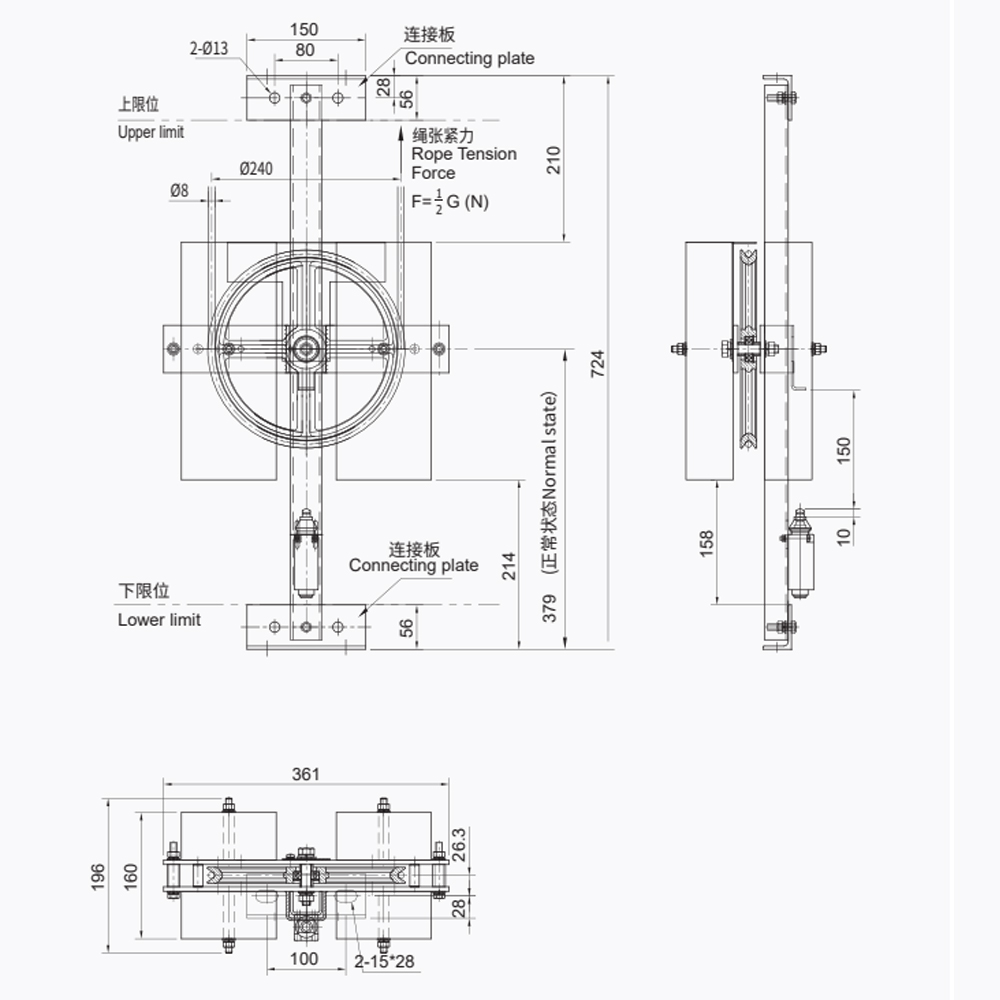
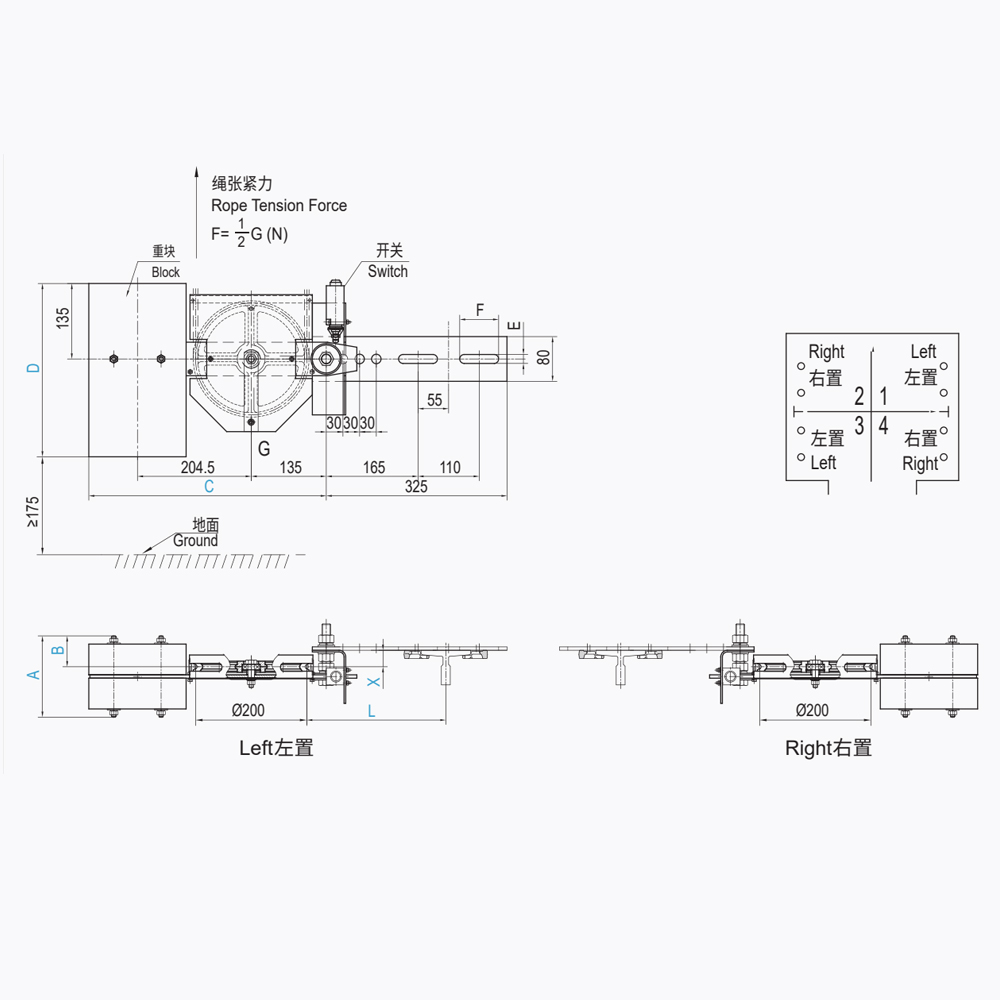
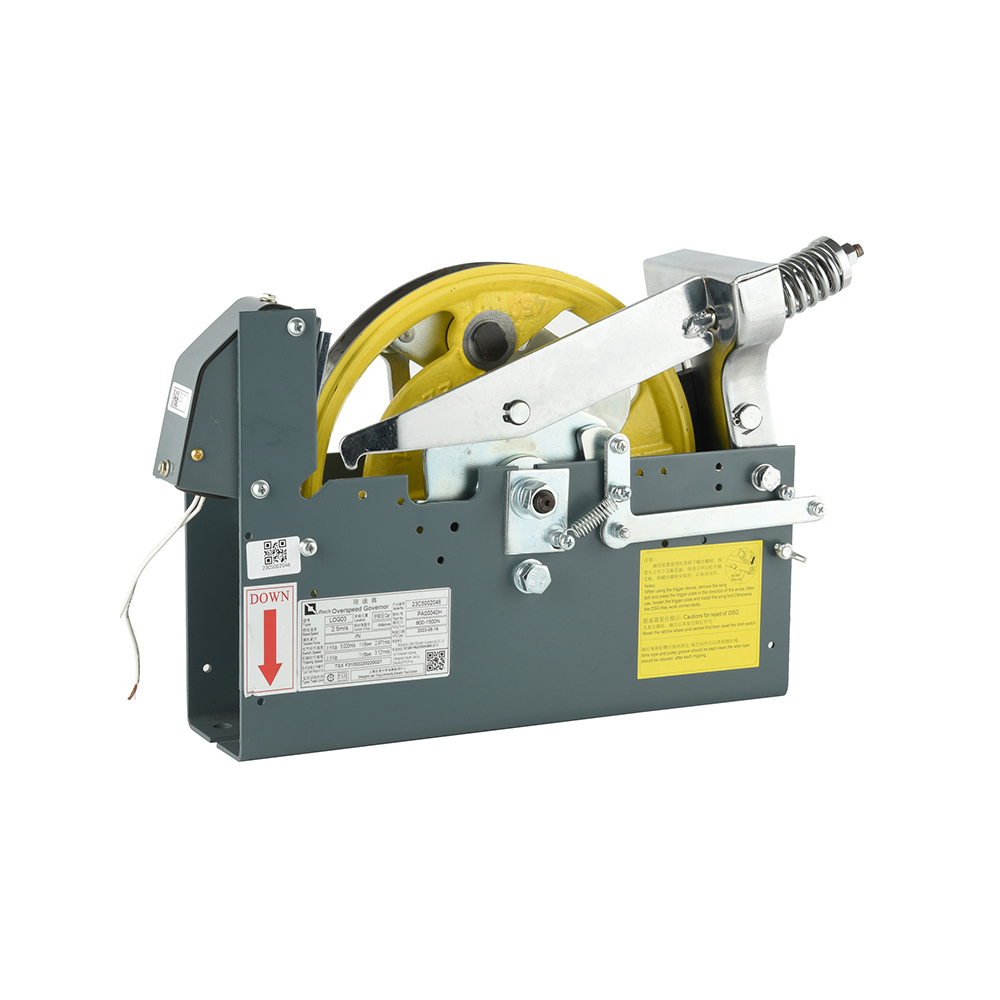
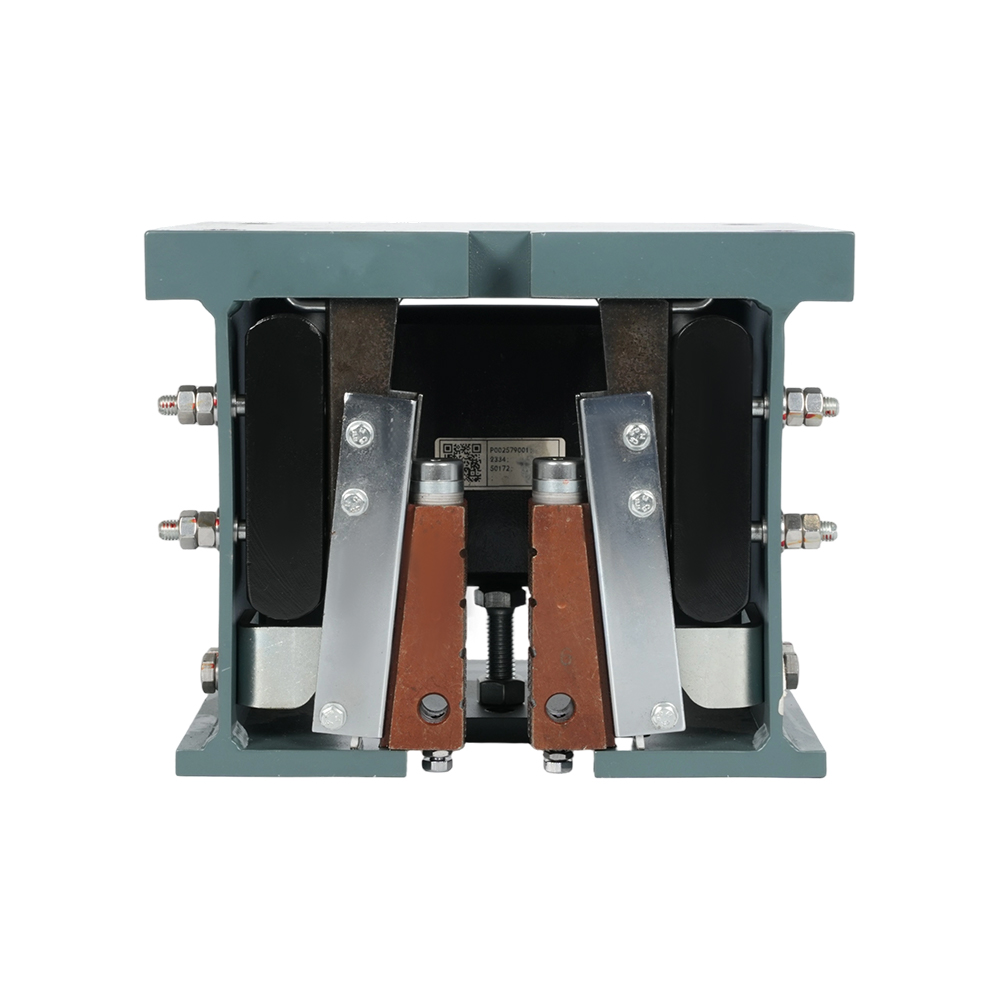
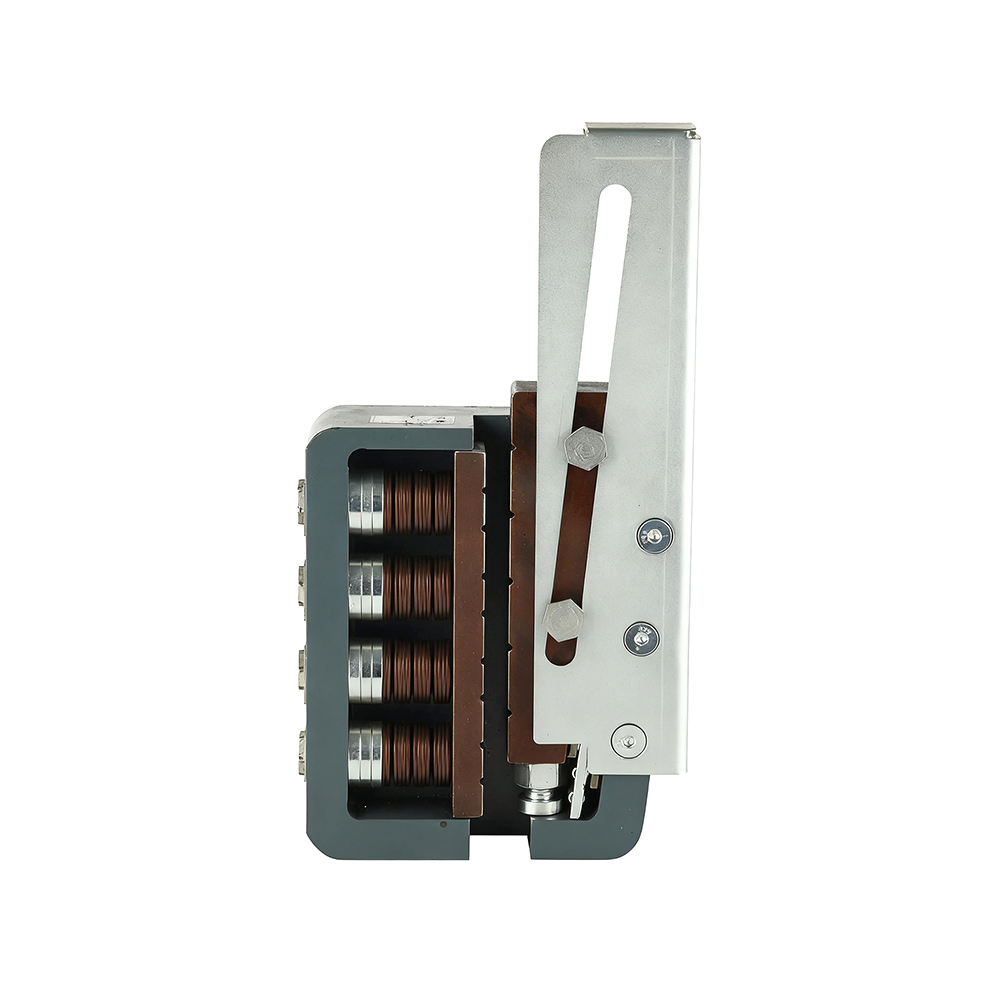
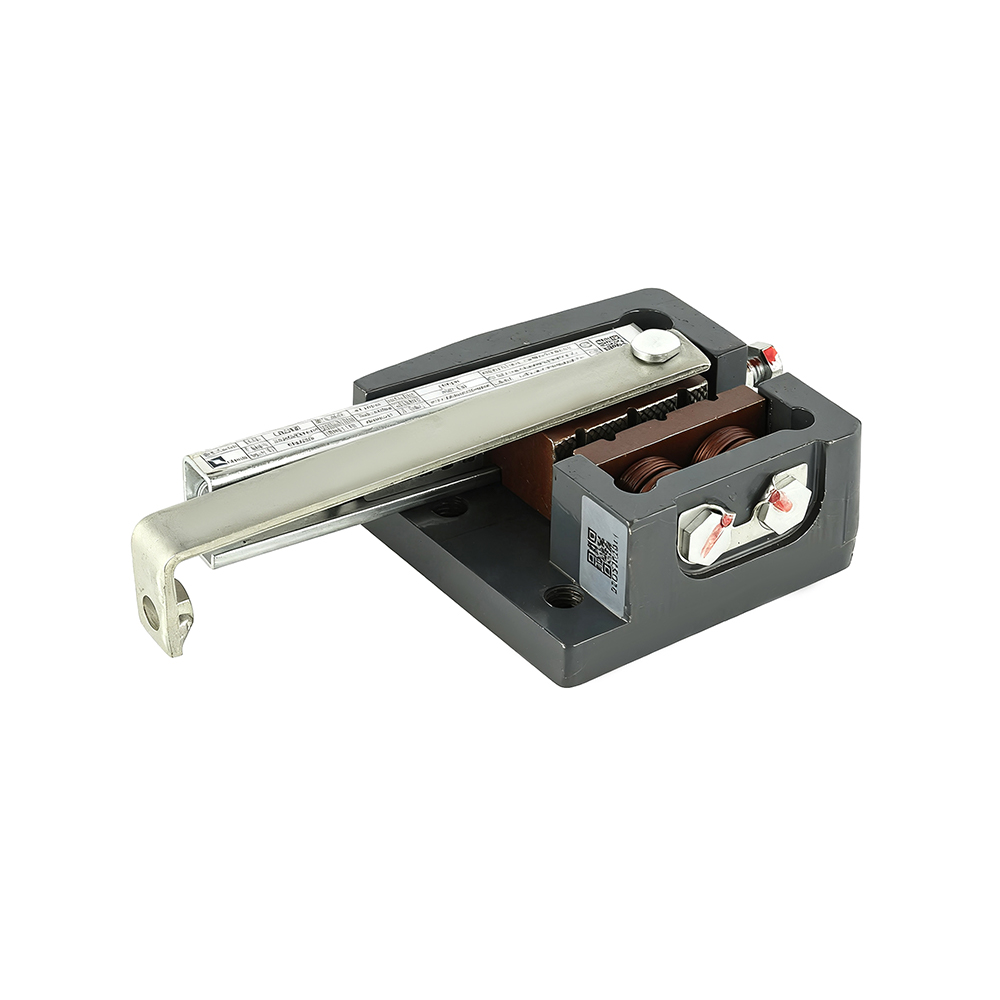
Elevators in cold storage warehouses and food processing freezers are essential for moving goods and personnel between temperature zones. However, the extreme cold cripples conventional safety components: grease in bearings and linkages turns to wax, causing mechanisms to seize; standard hydraulic oil in buffers becomes viscous, slowing or preventing reset; and metal components contract at different rates, potentially altering critical adjustments. An elevator with a frozen or sluggish safety system is a major liability. In the event of an overspeed or control failure, the safety devices may not engage at all, or may engage unpredictably. The problem is ensuring mechanical and hydraulic reliability in a deep-freeze environment. Cold storage safety parts solve this by being engineered for cryogenic performance. They use materials and substances proven to operate at specification down to the required temperature, ensuring that the safety gear will slide, the governor will trip, and the buffer will reset, even after prolonged exposure to sub-zero temperatures. This guarantees that safety is maintained 24/7, regardless of the ambient conditions in the facility.
Cold Storage and Freezer Elevator Safety Parts
-- Steady & Reliable Manufacturer --
Cold storage and freezer elevator safety parts are specialized components designed to operate reliably in temperatures as low as -30°C to -40°C, and in environments with high humidity, condensation, and potential exposure to cleaning chemicals. Standard elevator components use lubricants that solidify, materials that become brittle, and electronic components that fail at these extremes. Cold-rated safety systems address these challenges through a comprehensive material and engineering strategy. This includes using low-temperature grade steels that retain toughness and ductility; specialized lubricants (often synthetic, silicone-based, or food-grade H1 oils) that remain fluid and effective; seals and gaskets made from materials like fluorocarbon (FKM/Viton) or ethylene propylene diene monomer (EPDM) that do not harden or crack; and for any electrical components (e.g., governor switches), conformal-coated or potted electronics and cold-rated switches. Safety gears may feature adjustments to account for different thermal expansion coefficients between components. The design also considers the buildup of ice on guide rails, which can affect safety gear engagement, and may include features to prevent ice from jamming mechanisms. These components ensure that the elevator's last line of defense—its safety system—remains fully functional in an environment that is inherently hostile to most machinery, protecting both goods and personnel in cold chain logistics facilities.
Recommended Products
The Key Problem We Solve
Typical Applications
- Elevators linking ambient warehouses to blast freezers and cold storage rooms.
- Vertical lifts within multi-story freezer buildings for palletized goods.
- Service elevators in food processing plants that traverse chilled and frozen areas.
- Parking lifts for automated storage and retrieval systems (AS/RS) in cold environments.
- Personnel elevators in polar research stations or specialized industrial facilities.
Product Advantages
| Operating Temperature Range | Typically rated for -30°C to +40°C, with options for -40°C or lower. |
| Material Specifications | Steels with certified low-temperature impact toughness (e.g., fine-grain steels tested per Charpy V-notch at -40°C). |
| Lubricants & Hydraulic Fluids | Synthetic oils and greases with low pour points (e.g., ≤ -45°C). Food-grade options available. |
| Seals & Elastomers | FKM (Viton), EPDM, or specially formulated nitrile compounds rated for low-temperature flexibility. |
| Electrical Components (if any) | Governor switches rated for low-temperature operation; cables with cold-flexible insulation. |
| Ice & Condensation Mitigation | Designs that minimize cavities where ice can form; use of corrosion-resistant coatings. |
Selection & Compliance Considerations
The most critical selection factor is the minimum design temperature. Specify this clearly to the supplier. Ensure all components—safety gear, governor, buffer, and linkage—are part of a coordinated cold-rated package. Pay special attention to the buffer: it must be filled with the appropriate cold-temperature hydraulic fluid. Verify that material certifications (Charpy test reports) are provided for structural steel parts. Consider the potential for thermal cycling if the elevator travels between cold and warmer zones; components must withstand this without fatigue. Installation is also key: all lubricants applied during installation must be the correct low-temperature type. Regular maintenance should include checks for ice buildup that could impede movement.
FAQ
- Q: Can we just use standard parts and add low-temperature grease? A> No. This is a common and dangerous misconception. While lubrication is part of the solution, the base materials themselves are critical. Standard carbon steels can become brittle and fracture under impact at low temperatures. Seals will harden and leak. Springs may lose their temper. A comprehensive cold-rated design addresses materials, tolerances (for differential contraction), lubrication, and sealing as an integrated system.
- Q: How does the cold affect the overspeed governor's calibration? A> Temperature affects the spring constant of the governor's centrifugal spring. A standard spring will have a different trip speed at -30°C than at +20°C. Cold-rated governors either use spring materials with a very low temperature coefficient (like certain stainless steels) or are calibrated and tested at the low temperature to ensure the trip speed remains within the required tolerance across the entire operating range.
- Q: What about condensation and corrosion when the elevator goes to a warmer area? A> This is a significant challenge. When a cold component enters a warmer, humid environment, condensation forms, leading to corrosion. Cold storage components often use superior corrosion protection coatings (e.g., thick epoxy or zinc-rich paints) on top of their low-temperature materials. Stainless steel is also an option for critical parts, though its low-temperature mechanical properties must be verified.
- Q: Are there special requirements for buffers in freezers? A> Yes. The hydraulic fluid must be a synthetic type with an extremely low pour point. The seals must be compatible with this fluid and remain flexible at low temperatures. In some cases, an electric heater band may be installed around the buffer cylinder to ensure fluid mobility, though this adds complexity. The buffer's reset time will be longer in the cold, which must be accounted for in the control logic.
About Us
Shanghai Liftech Elevator Accessories Co., Ltd.
Founded in 2004, Shanghai Liftech Elevator Accessories Co., Ltd. is a specialized enterprise dedicated to the R&D, manufacturing, testing, and sales of elevator safety components. With over two decades of sustained development, Liftech has established itself as a leading manufacturer in China's elevator safety sector, providing high-quality products and solutions to a wide range of major elevator brands and engineering clients across domestic and international markets. We are ,China Wholesale Cold Storage and Freezer Elevator Safety Parts Suppliers and Cold Storage and Freezer Elevator Safety Parts OEM/ODM Manufacturers
For over 20 years, LIFTECH (est. 2004) has been a trusted force in the R&D, manufacturing, and full lifecycle support of premium elevator safety components.
Material Selection Guide
| Component & Critical Feature | Cold Storage Material & Specification |
| Structural Parts (Frames, Housings) | Steel: Fine-grained, killed steel (e.g., S355J2W per EN 10025-5) with guaranteed impact energy at low temperature (e.g., 27J at -40°C). Alternative: Austenitic stainless steel (304, 316) which remains ductile at low temps but is more expensive. |
| Pivots, Bearings & Slides | Lubricant: Synthetic, silicone-based, or PTFE-filled greases with a pour point below -50°C. Bushings: PTFE-based or specially formulated polymer composites that do not become brittle. |
| Springs (Governor, Safety Gear) | Material: Stainless steel (e.g., 17-7 PH or 302) or music wire specifically selected and tested for consistent spring rate across the temperature range. |
| Hydraulic Buffer Fluid & Seals | Fluid: Synthetic hydrocarbon or ester-based hydraulic fluid with a pour point of -50°C or lower and high viscosity index. Seals: FKM (Viton) or perfluoroelastomer (FFKM) compounds specified for low-temperature flexibility and fluid compatibility. |
| Coatings & Finishes | Multi-layer epoxy coating systems or hot-dip galvanizing provide good corrosion protection against condensation. Avoid standard zinc plating which can embrittle. |

