
 English
 中文简体
中文简体 русский
 Español
 Deutsch


CE Marking for Lifts: A Practical Compliance Guide for Elevator Safety Components
Content
- 1 What CE Marking for Lifts Actually Requires
- 2 Which Lift Safety Components Need CE Marking
- 3 CE Marking for Lifts: The Conformity Assessment Path
- 4 Documentation for CE Marking of Lift Components
- 5 Common Gaps in CE Marking for Lifts
- 6 FAQs on CE Marking for Lifts
- 6.1 Is CE marking required for lift safety components made outside the EU?
- 6.2 What is the difference between CE marking for a lift and CE marking for a safety component?
- 6.3 Can a component manufacturer use a supplier's Declaration of Conformity without own testing?
- 6.4 How does UCMP affect CE marking for overspeed governors and rope brakes?
An EU lift assembler reviewing a new supplier's quotation for progressive safety gears will usually stop at one line item: "CE marking included." For safety components under the Lifts Directive 2014/33/EU, that line decides whether the component can legally enter the European Economic Area, appear on a nameplate, and be documented in a lift's technical file. Since 1999, every lift and every Annex III safety component placed on the EU market has had to carry the CE mark. For a component manufacturer outside Europe, the real task is not affixing the symbol. It is building a conformity assessment trail that survives a notified body audit and market surveillance. For a manufacturer like Shanghai Liftech Elevator Accessories Co., Ltd., the same path applies whether the component is a safety gear, an overspeed governor, or an oil buffer.
CE marking for lifts has been mandatory since 1999 for every Annex III safety component placed on the EU market.
What CE Marking for Lifts Actually Requires
CE marking for lifts is the manufacturer's declaration that the product meets the essential health and safety requirements in Annex I of EU Directive 2014/33/EU, completed through European conformity assessment procedures.
The CE mark is a legal statement, not a quality badge. The manufacturer places it after completing a conformity assessment route, creating a technical file, and issuing a signed Declaration of Conformity.
For a complete lift, the lift assembler owns the process. For a safety component, the component manufacturer owns it independently. The directive applies to two distinct product groups: lifts permanently installed in buildings for the transport of persons and goods, and safety components listed in Annex III that are placed on the market for use in such lifts.
For a safety component supplier, four obligations follow: the component needs its own CE marking; the supplier must select a conformity assessment module from Annexes VIII to XII; the supplier must prove compliance with harmonised standards such as EN 81-20 and EN 81-50; and the Declaration of Conformity must identify the notified body when one is involved.
Which Lift Safety Components Need CE Marking
The Lifts Directive groups CE marking for safety components in Annex III, concentrating on equipment that prevents falls, runaways, overtravel and unintended car movement.
The main categories in that list are:
- Devices for locking landing doors
- Safety gear, acting instantaneously or progressively
- Overspeed governors
- Energy-accumulating or energy-dissipating buffers
- Safety devices fitted to the drive for unintended car movement
- Safety devices for unintended car movement, or UCMP
For a company producing safety gears, overspeed governors and oil buffers, the classification is direct: these are Annex III items, and each item needs individual CE marking before the lift assembler can accept it.
A safety component CE mark is independent of the lift CE mark. The assembler does not re-assess a CE-marked component if it is installed as designed.
One nuance matters. Rope brakes and safety linkage devices are not listed as standalone safety components in Annex III. In practice, a rope brake and its linkage are assessed as part of the safety gear system that performs the fall-prevention function. A manufacturer can still supply these parts and reference EN standards, but the CE responsibility sits at the system level.
| Component | Annex III role | Assessment focus |
| Progressive safety gear | Fall and runaway prevention | Friction coefficient, trip force, stopping distance |
| Instantaneous safety gear | Fall and runaway prevention | Guide rail gripping, deceleration path |
| Overspeed governor | Overspeed detection | Trip thresholds, response latency, reset |
| Oil buffer | Energy dissipation | Stroke, deceleration limit, reset behaviour |
| Rope brake and linkage | Part of safety gear system | Trigger transmission, release function |
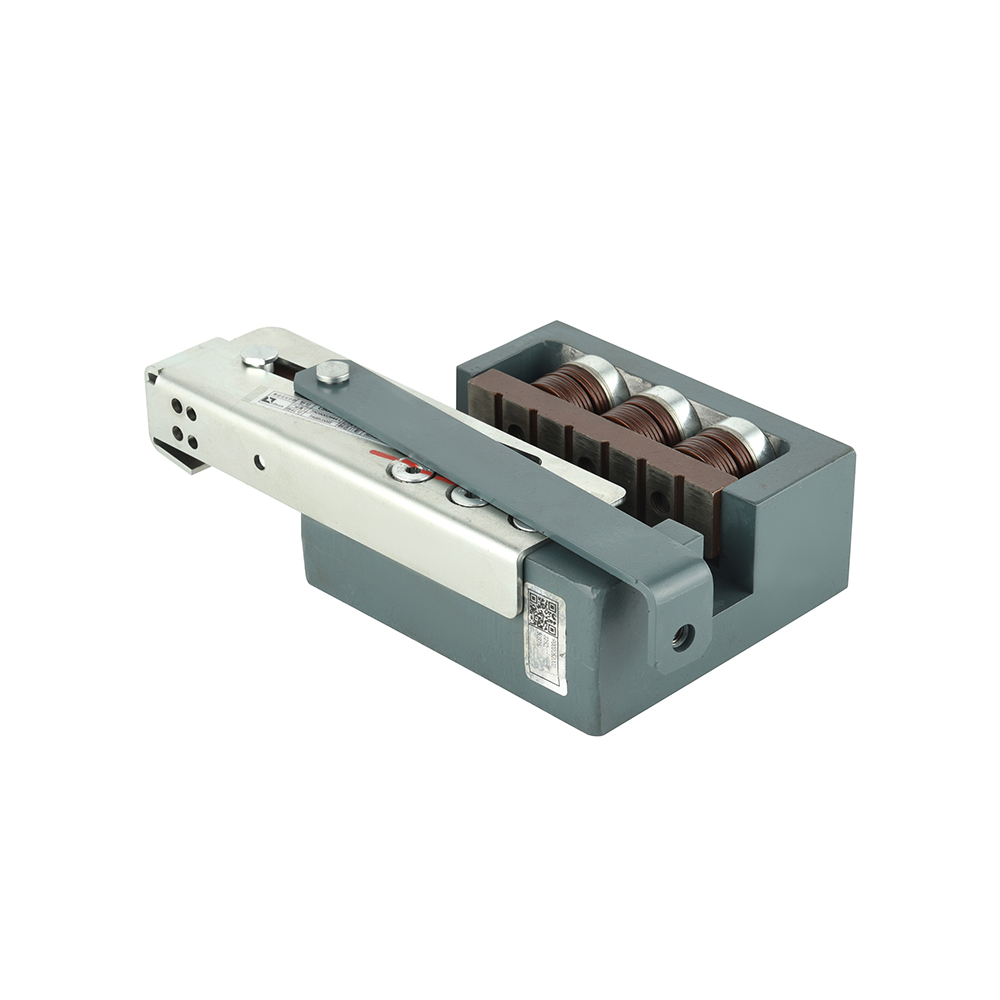
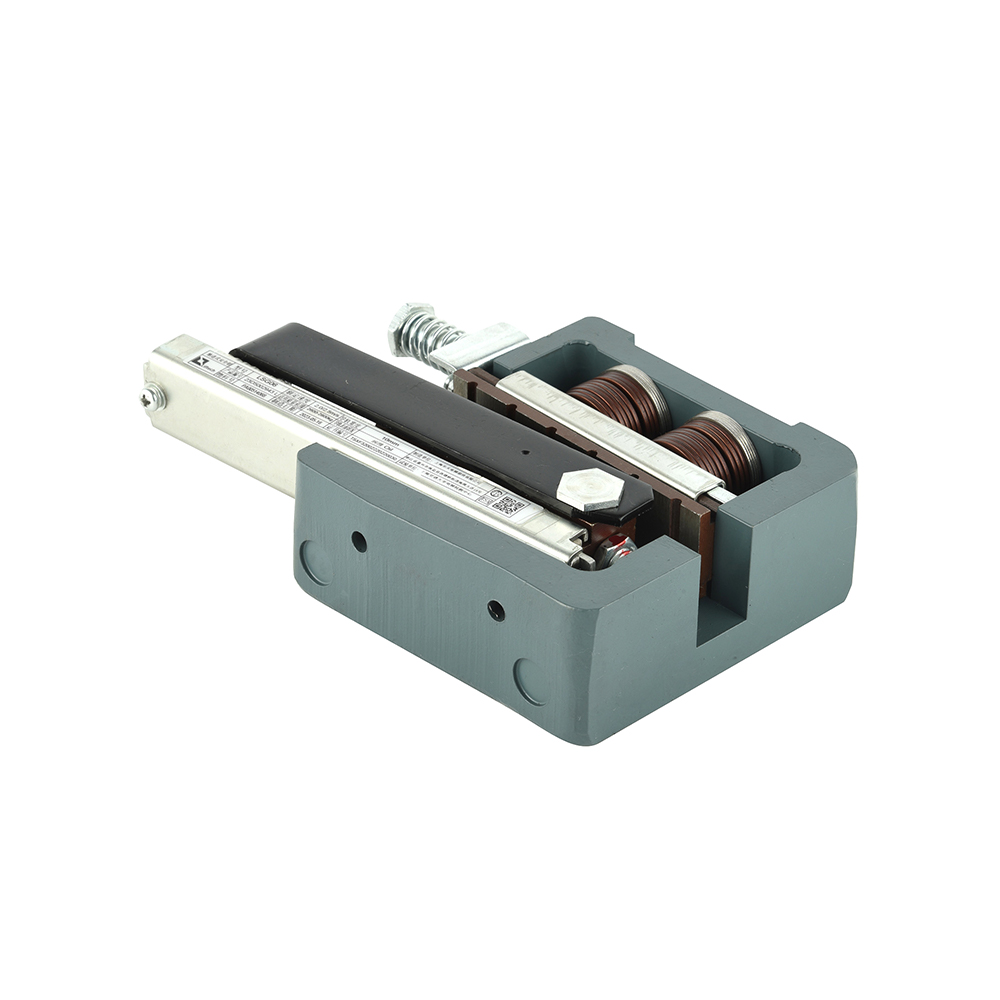 LSG06 Elevator Safety Gear with Forged Shell and Friction MaterialThe LSG06 safety gear uses precision forging to avoid casting defects, integrates a guide plate for smooth wedge action, and includes a resettable jaw. It is a key part of the safety gear system where CE responsibility lies at system level.View Product →
CE Marking for Lifts: The Conformity Assessment Path
The conformity assessment path is a sequence of engineering, testing and documentation decisions that a component manufacturer must complete before placing the CE mark on the product.
The sequence a European notified body expects:
- Identify the component category and the applicable Annex III entry.
- Select a conformity assessment route. For safety components, Module C2, Module D and Module H1 are common.
- Involve a notified body when type examination or full quality assurance is required.
- Test the component against the applicable EN harmonised standard.
- Prepare the technical file with design data, calculation notes, test results and risk assessment.
- Issue the Declaration of Conformity and affix the CE mark.
- Keep the technical file for at least ten years after the last product is manufactured.
Each step creates evidence. If the technical file cannot prove a test result, the conformity assessment fails. A serious gap is testing a safety gear with a friction coefficient that does not match the actual car guide rails. That single mismatch invalidates the CE marking and makes a whole shipment non-compliant.
Relative verification depth by conformity assessment module
Verification depth grows as assurance moves from product checks to full quality management.
Module C2
Internal production control plus product verification by a notified body. Suitable for a clear component range with a stable design.
Module H1
Full quality assurance approved by a notified body. Common when the supplier manufactures a broad safety component portfolio.
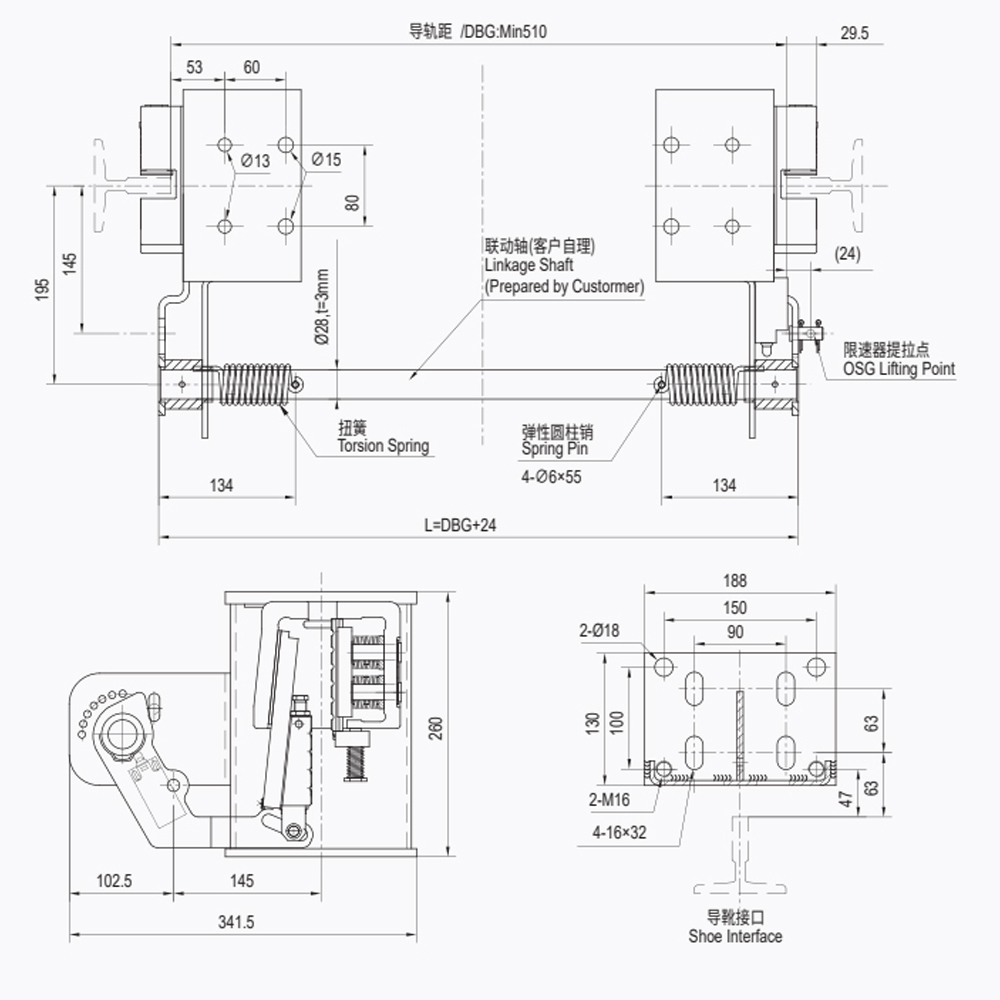
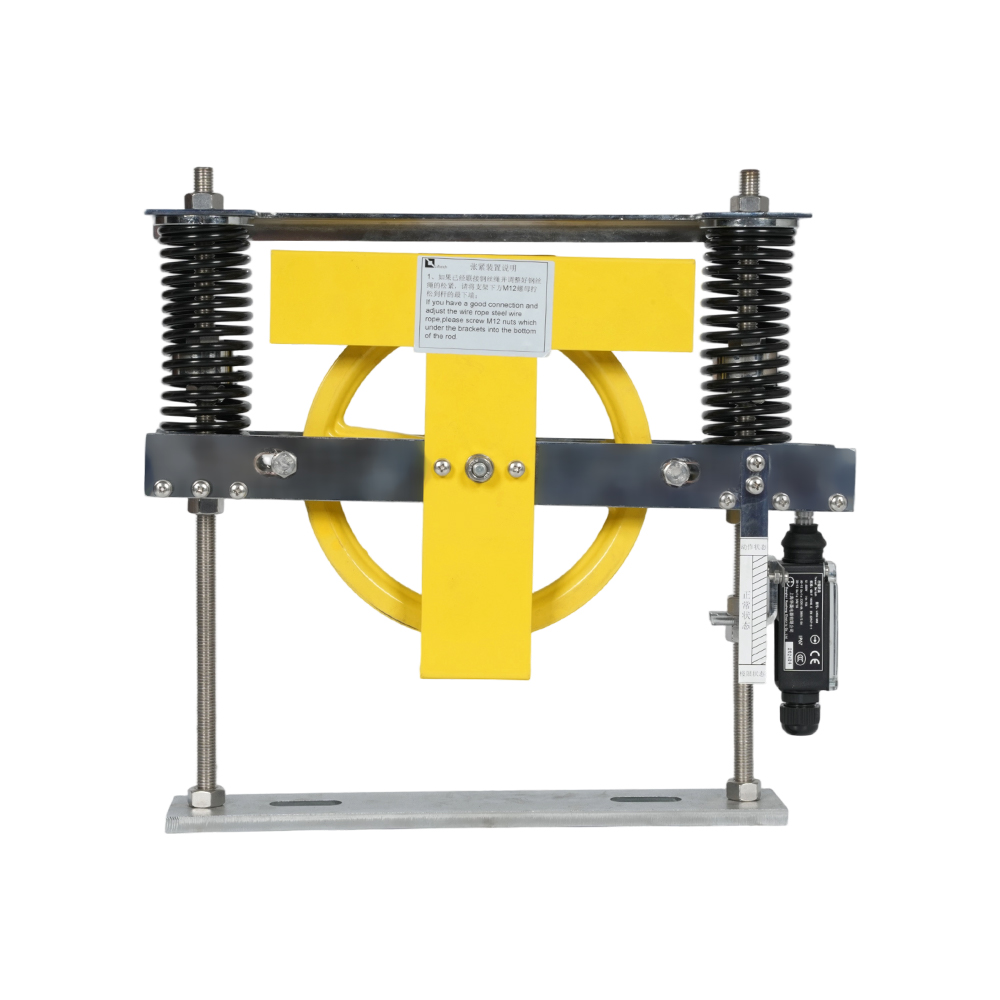
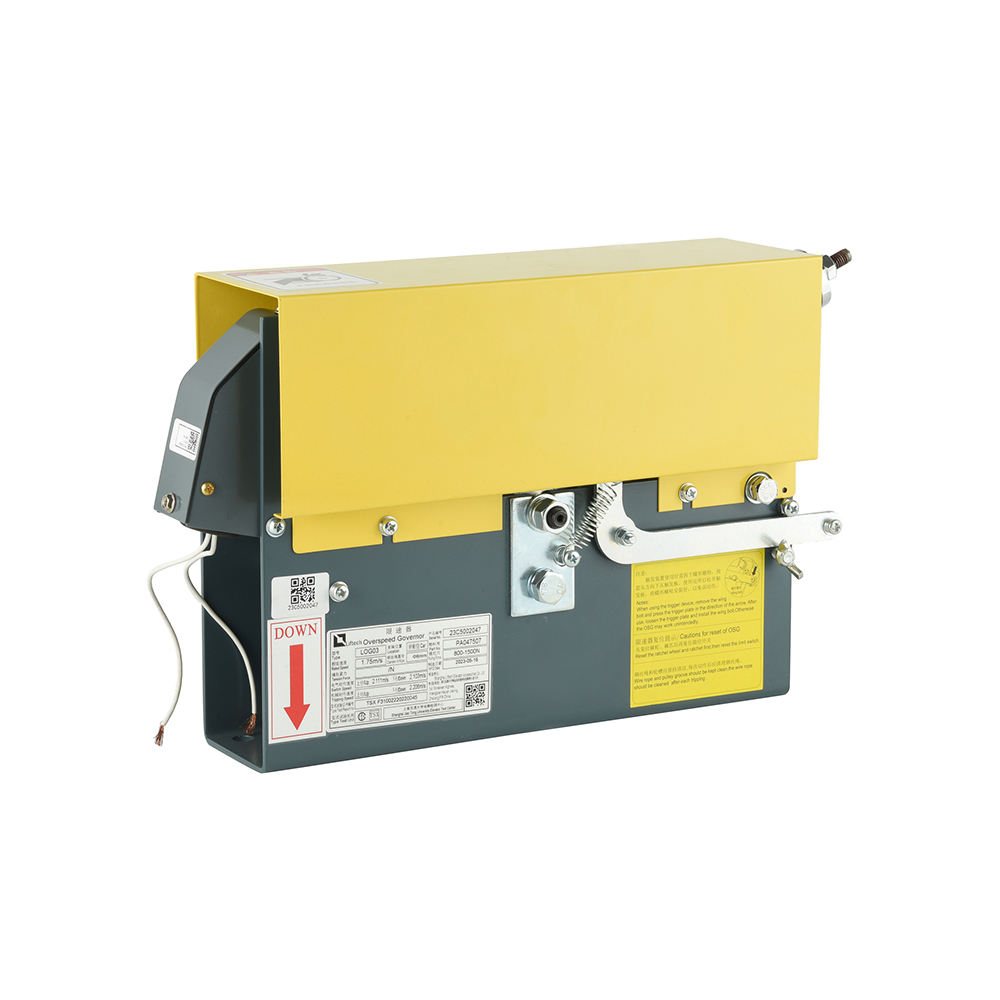 LOG03 Overspeed Detection Device for Machine-Room LiftsThe LOG03 overspeed governor uses a centrifugal swing-block that trips an electrical switch at 115% rated speed. Available in multiple contact options, it supports the technical file and conformity assessment for lift safety systems.View Product →
Documentation for CE Marking of Lift Components
Documentation is where CE marking for lifts most often breaks down. A notified body can verify conformity only through a complete technical file.
The technical file must contain:
- A general description of the component and its intended use
- Design drawings, assembly layouts and material specifications
- Calculations for speed, load, braking force and trip parameters
- Test reports from the conformity assessment procedure
- A risk assessment following EN ISO 12100 or the relevant standard
- A copy of the Declaration of Conformity and any EC type-examination certificate
The Declaration of Conformity must identify the manufacturer or authorised representative, the product model, the compliance route, the notified body number and the harmonised standards applied.
Keep the technical file for at least ten years after the last product is manufactured.
As a non-EU supplier, you also need an EU authorised representative or importer, because that entity often signs the DoC for EU placement. Without that arrangement, the technical file cannot satisfy market surveillance requirements.
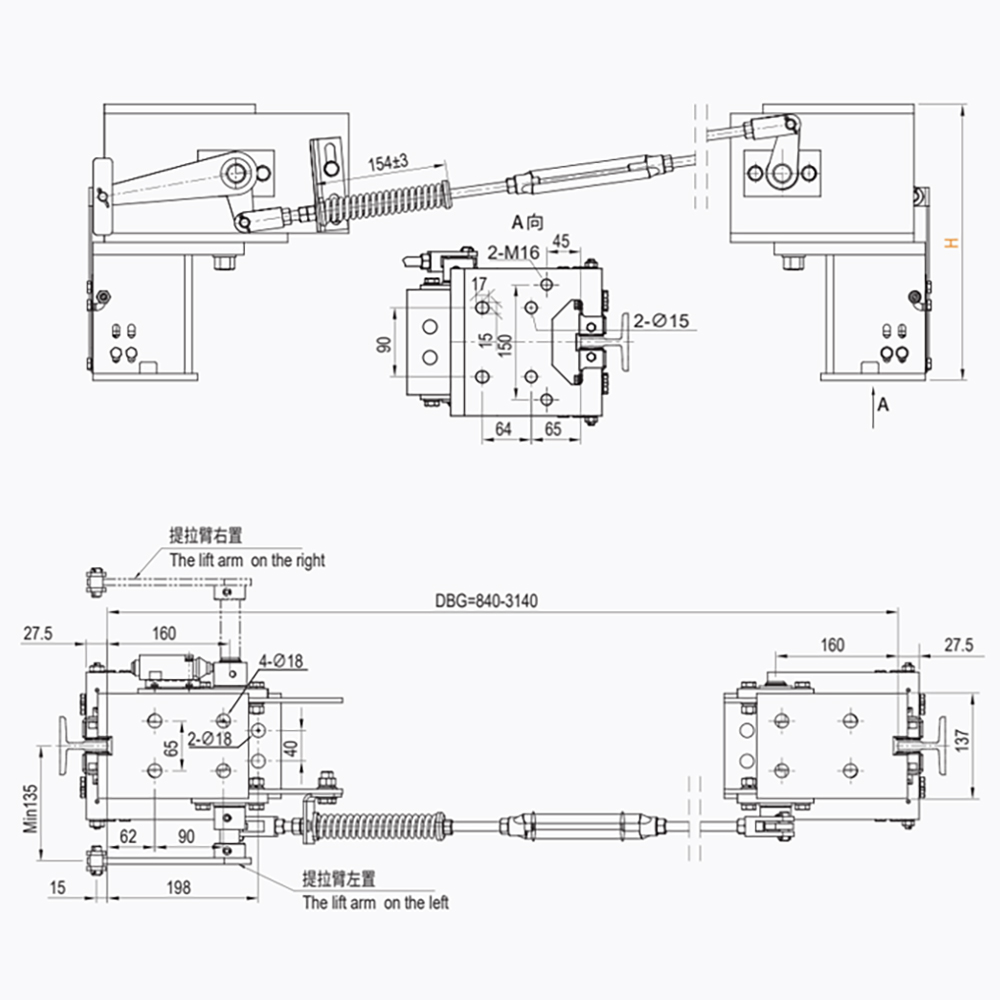
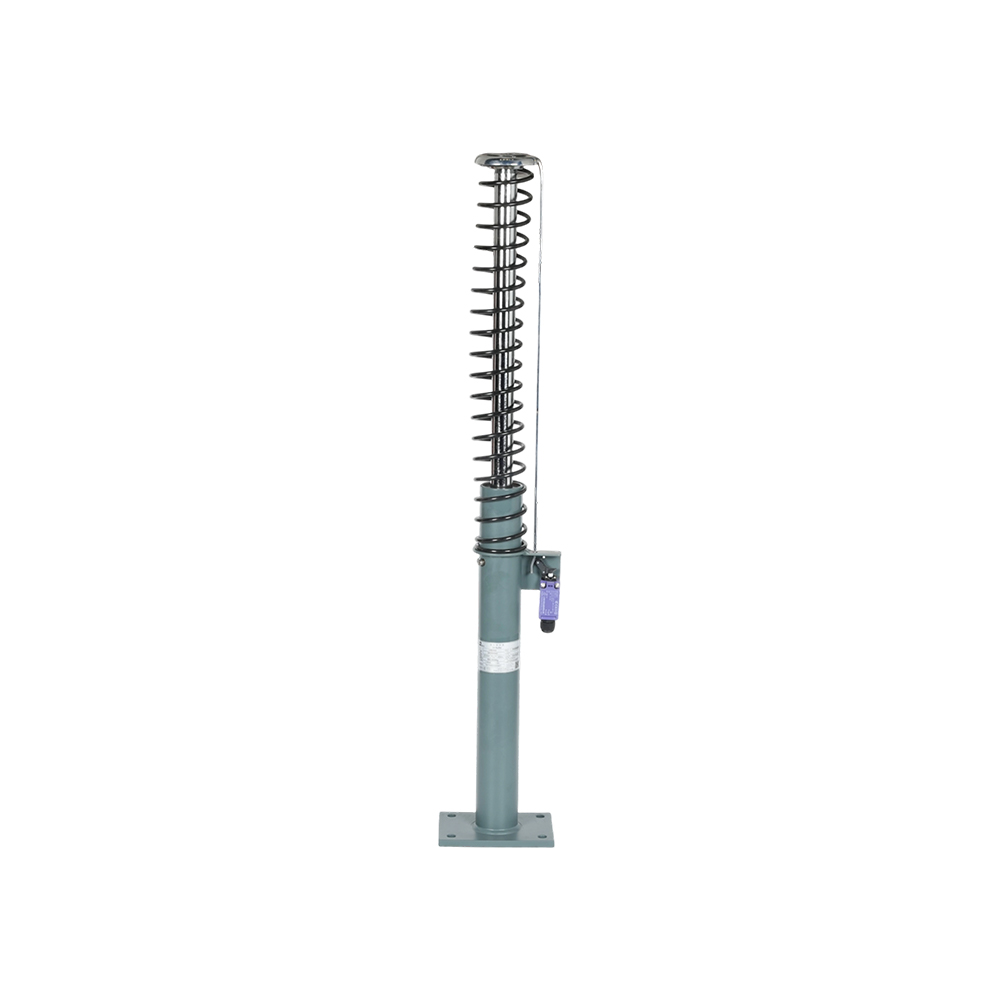
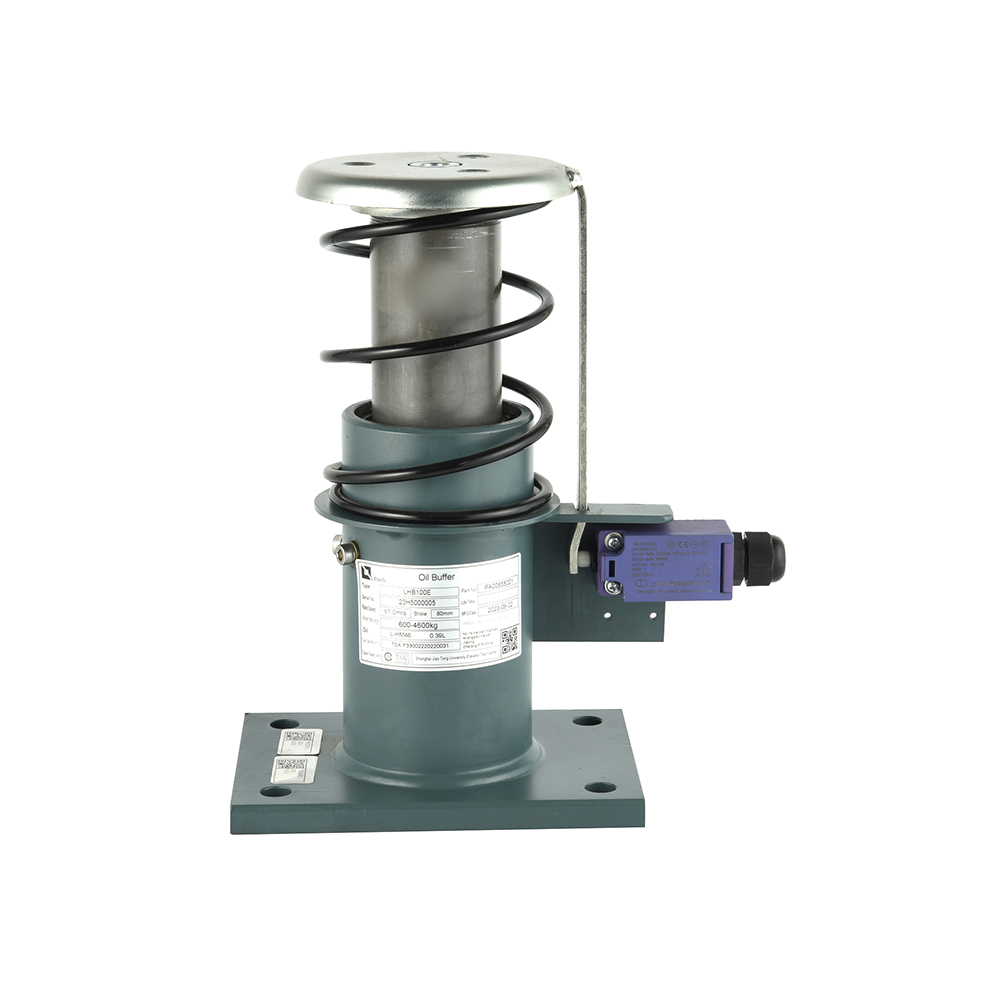
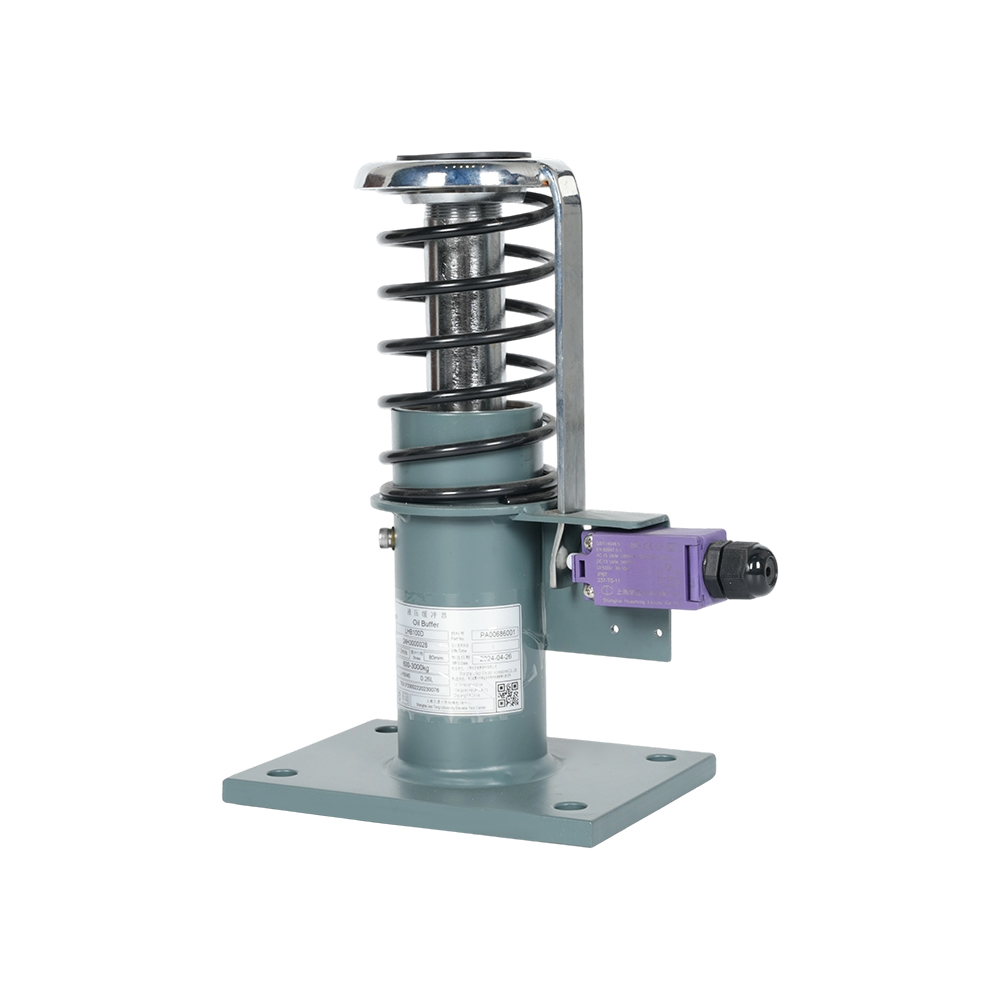 LHB100D Elevator Oil Buffer with Dual Spring and Hydraulic DampingThe LHB100D buffer combines spring and hydraulic oil to absorb impact energy during uncontrolled descent. Installed at the shaft bottom, it suits low-speed elevators and retrofit projects, helping meet documentation and EU representation requirements.View Product →
Common Gaps in CE Marking for Lifts
Frequent audit findings at component supplier level are avoidable, and addressing them early separates a compliant batch from a rejected one.
Gaps we see most often:
- Friction coefficient mismatch between the safety gear test and the actual guide rails used in the lift
- Confusing progressive safety gear with instantaneous safety gear in the DoC
- UCMP requirements evaluated only at lift level instead of component level
- Rope brakes and linkage devices documented without reference to the safety gear system they support
- Supplier declarations accepted without verifying the underlying test evidence
When you buy or sell safety components from outside the EU, ask for the test report and the exact EN standard applied. If the test report does not exist, or the standard does not match the component function, the CE mark is not worth the metal it is printed on.
FAQs on CE Marking for Lifts
Is CE marking required for lift safety components made outside the EU?
Yes. CE marking applies to any safety component placed on the EU market, regardless of manufacturing location. A supplier in China, Turkey or India must complete the same conformity assessment procedure as a European manufacturer, and the Declaration of Conformity must identify the manufacturer or authorised representative.
What is the difference between CE marking for a lift and CE marking for a safety component?
A lift CE mark is issued by the person placing the complete lift on the market. A safety component CE mark is issued by the component manufacturer and covers the component alone. A lift assembler does not re-assess a CE-marked safety component if it is installed as designed.
Can a component manufacturer use a supplier's Declaration of Conformity without own testing?
No. A supplier's DoC covers only the parts that supplier delivered. The component manufacturer remains responsible for the complete component. Using a sub-component DoC without verification is a common compliance gap and is unacceptable in a notified body audit.
How does UCMP affect CE marking for overspeed governors and rope brakes?
An overspeed governor that detects unintended car movement must satisfy the UCMP performance criteria in EN 81-20 and EN 81-50. A rope brake is usually assessed as part of the safety gear system. The complete solution must be tested and documented together, with clear evidence of the trigger and the braking response.