
 English
 中文简体
中文简体 русский
 Español
 Deutsch


Rope Tension Measuring Device: Types, Selection, and Elevator Applications
Content
Why a Rope Tension Measuring Device Is Not Optional
Consider a governor rope that has become slack after a car re-leveling adjustment. The rope still looks straight, but when the overspeed governor needs to trip, the rope can slip on the sheave instead of transmitting motion. A rope tension measuring device catches this condition before it becomes a failure. It converts a subjective “feels tight enough” check into a number that can be compared with the manufacturer’s specification.
In rope-operated systems, tension is not only a wear issue. It is a response-time issue. If the rope is too loose, the mechanical safety chain may not trigger at the intended speed. If it is too tight, bearings, sheaves, and terminations age faster. The measuring device is the common tool that verifies both limits.
What a Rope Tension Measuring Device Reads
A rope tension meter measures the force in a rope or cable, usually in newtons or kilograms-force. The reading is only valid for the exact part of the rope being measured; damaged sections, corrosion, and local bends can change the value within one span.
Common measuring principles
The main device families differ in contact method and in whether they are portable or fixed.
| Device type | Measuring method | Typical application |
|---|---|---|
| Clamp-on tensiometer | Clamps around the rope and senses force over a defined contact length | Spot checks on installed governor, hoist, and crane ropes |
| Deflection / sag gauge | Deflects the rope by a fixed amount and reads the lateral force | Accessible spans where the rope end cannot be opened |
| Inline tension load cell | Sits between the rope termination and anchorage and reads axial load directly | Permanent monitoring, test rigs, and acceptance checks |
| Frequency-based meter | Measures vibration frequency and calculates tension from cable mass and span length | Long spans where touching the rope is difficult |
Portable versus installed instruments
Portable clamp-on meters are the standard field tool for elevator maintenance because they can be moved from one car to another. Installed load cells are justified when a tension value must be logged continuously, for example in a test setup or on a critical hoist. The choice is a trade-off between convenience, accuracy, and installation cost.
Selecting a Rope Tension Measuring Device
Start with the expected working tension, not the rope’s breaking strength. A meter with too wide a range will show small real changes as tiny variations; a meter with too narrow a range may be damaged by a peak load on the rope.
Key selection criteria
- Measuring range: The upper limit should be at least 20 percent above the maximum expected dynamic tension, but no more than roughly five times the normal working tension.
- Rope diameter compatibility: Check the range of diameters that fits the contact grooves or clamps. A 6 mm wire rope and a 16 mm rope are not measured with the same head.
- Calibration proof: Ask for a calibration certificate and confirmation that the device was calibrated with a wire rope of similar construction, if possible.
- Data output: For periodic inspections, a memory or data-logging function makes the record easier to compare over time.
- Environmental rating: Confirm that the meter can operate at the temperature and humidity of the site; a dry workshop meter may not work reliably in a pit with condensation.
If you plan to use the same meter for elevator governor ropes, crane ropes, and structural cables, choose changeable contact heads or a model with an open measuring frame. This is more flexible than a closed-jaw device sized for a single rope diameter.
Elevator Applications: Governor Ropes and Tension Hardware
In an elevator, the overspeed governor is driven by a rope looped around the governor sheave and connected to the safety mechanism. The tension of that rope affects how quickly the governor responds and whether it can reliably pull the safety linkage into action. A rope tension measuring device verifies that the governor rope is neither slack enough to slip nor tight enough to overload its pulley.
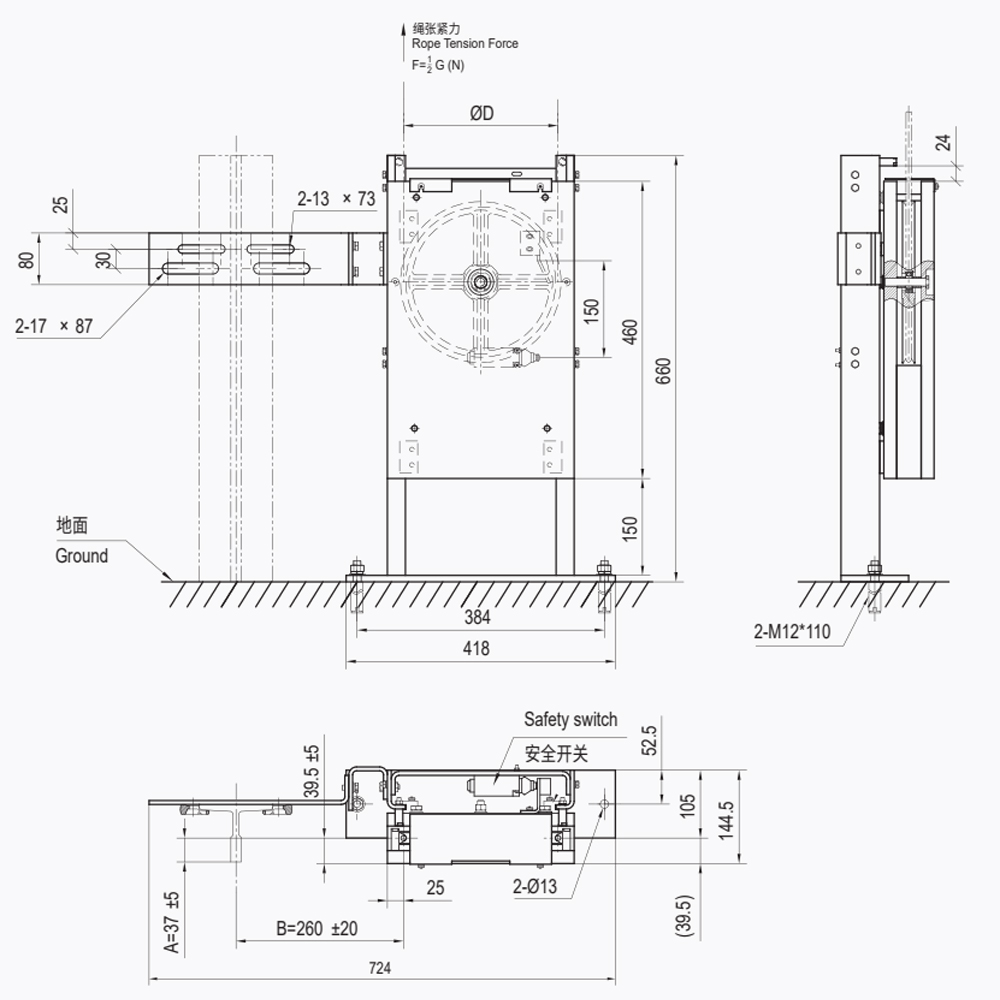
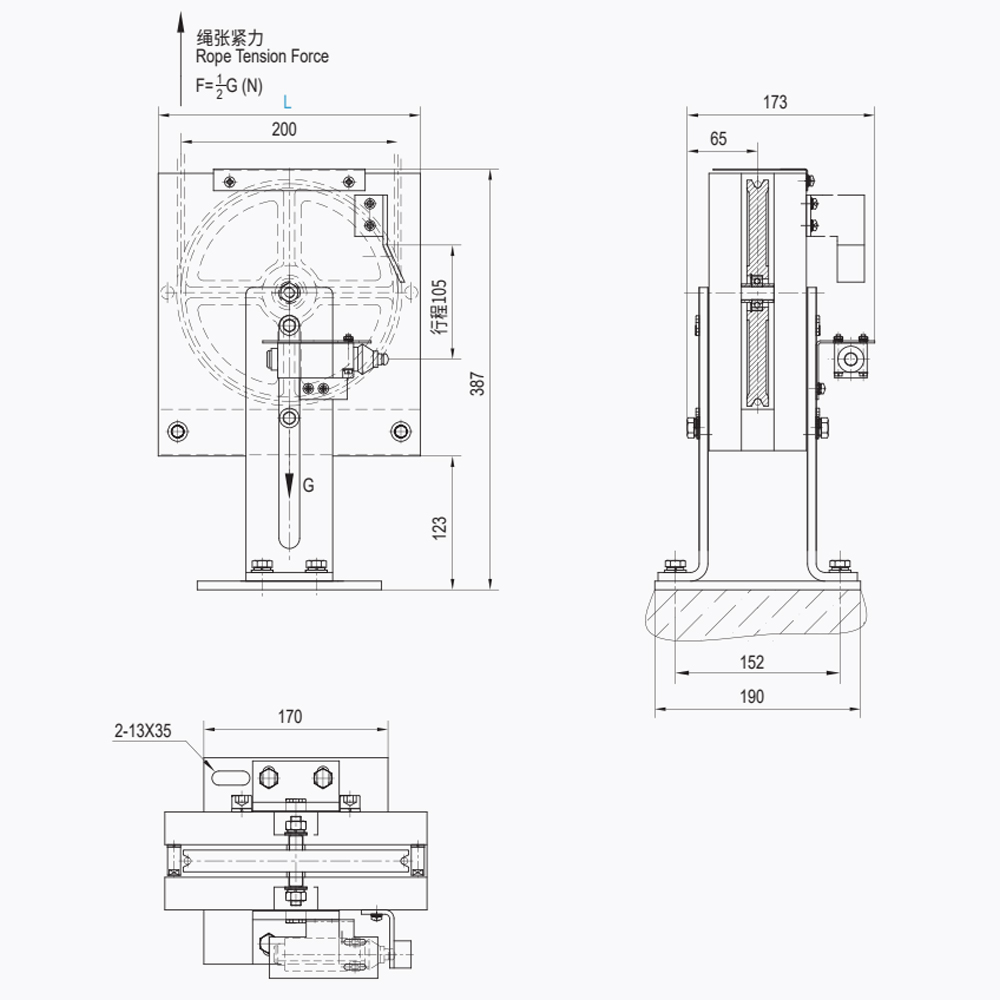
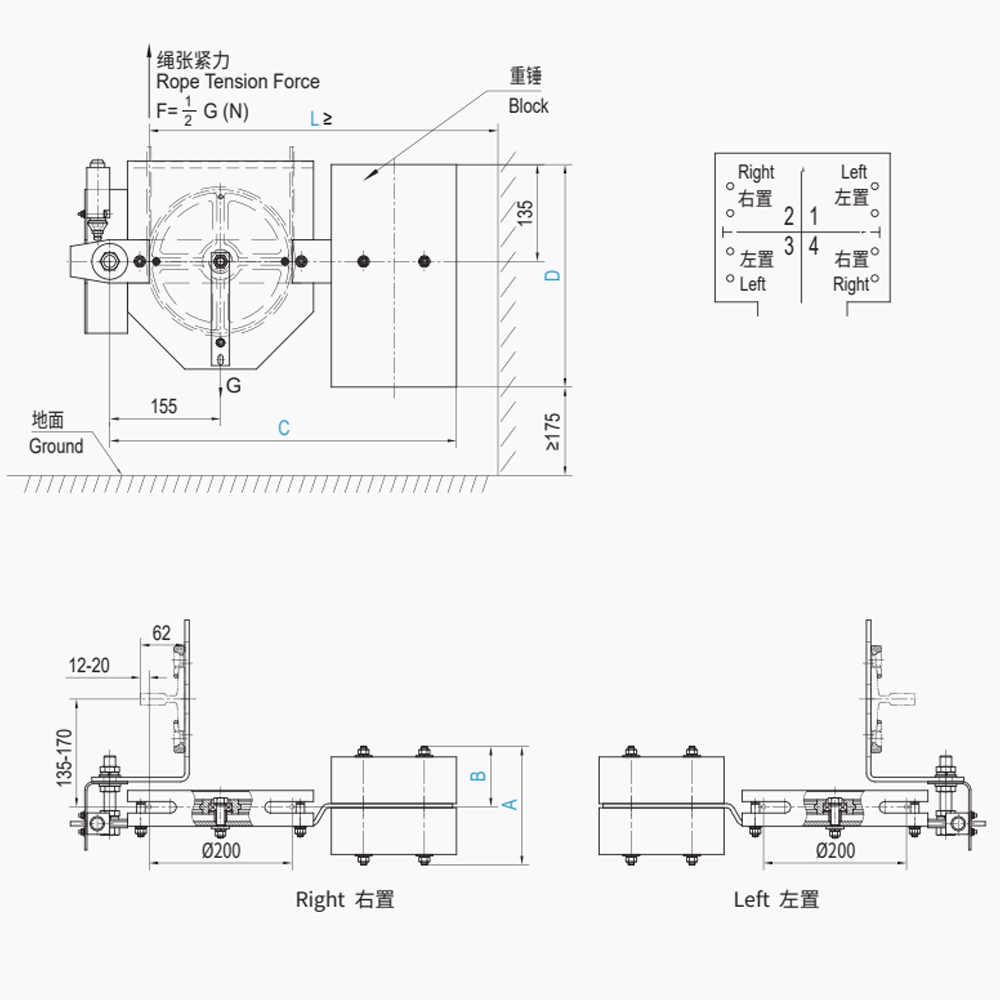
It is important to distinguish between measuring tension and maintaining it. A measuring device gives you a reading; the tension device in the hoistway actually applies the force. Liftech supplies elevator tension devices for the two common mounting arrangements. In a horizontal run with limited depth, the LTD01 horizontal-hang elevator tension device fits into a compact envelope. In a conventional hoistway with a vertical rope drop, the LTD03 vertical-hang elevator tension device provides a direct vertical stroke.
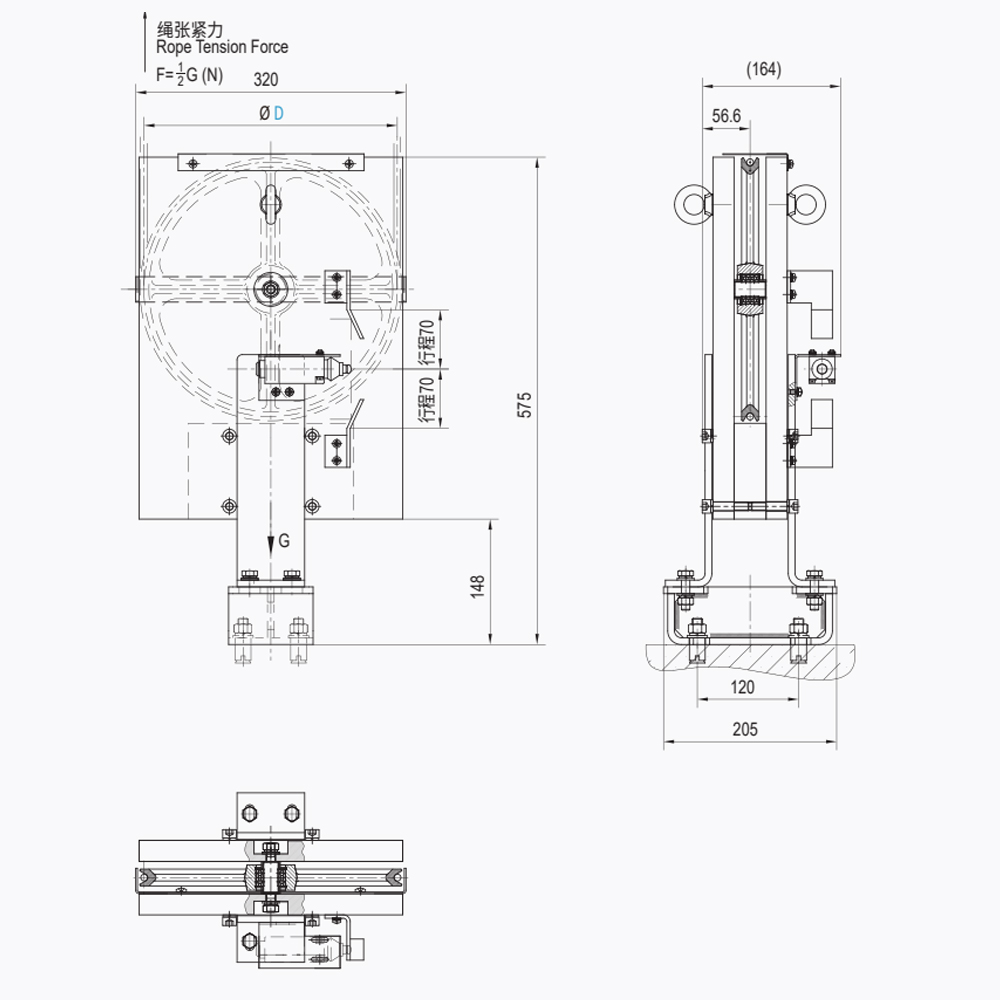 Wholesale LTD03 Elevator Tension Device Elevator Safety Components Suppliers, MaShanghai Liftech Elevator Accessories Co., Ltd is China Wholesale OEM LTD03 Elevator Tension Device Elevator Safety Components Suppliers ...View Product →
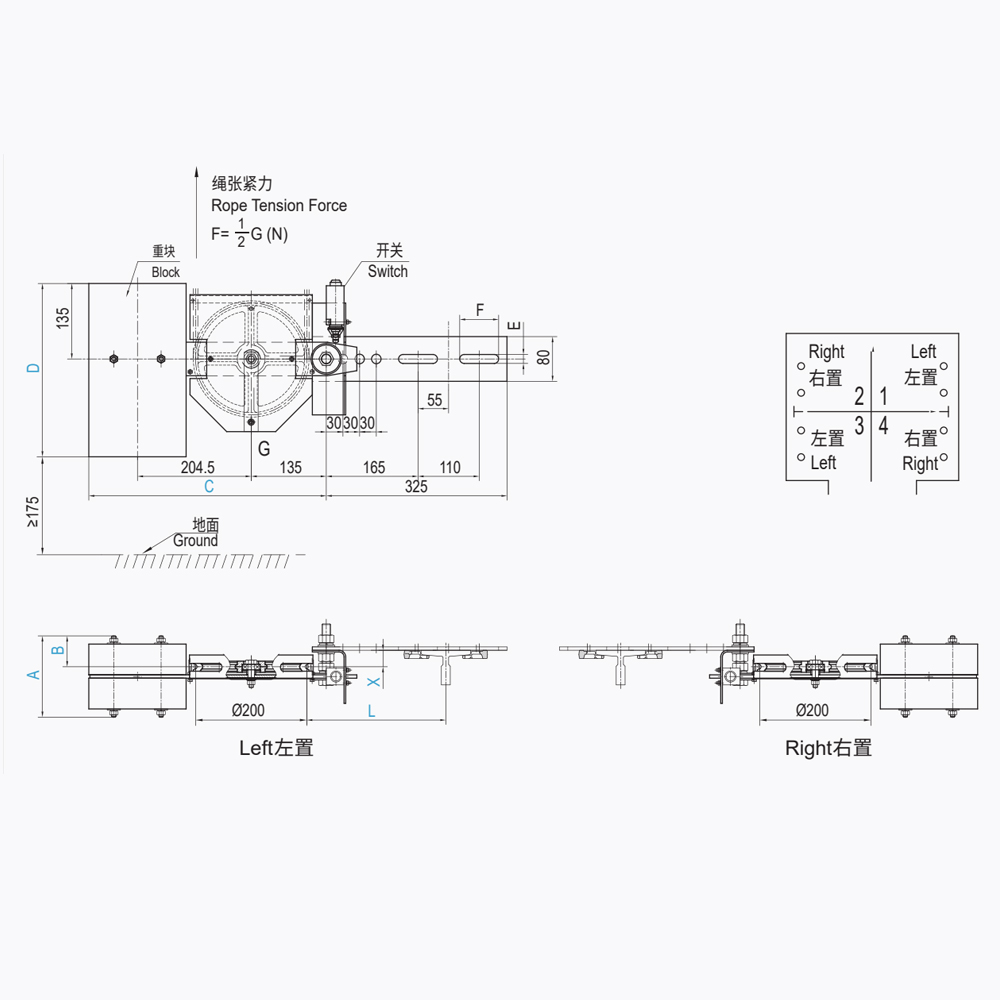
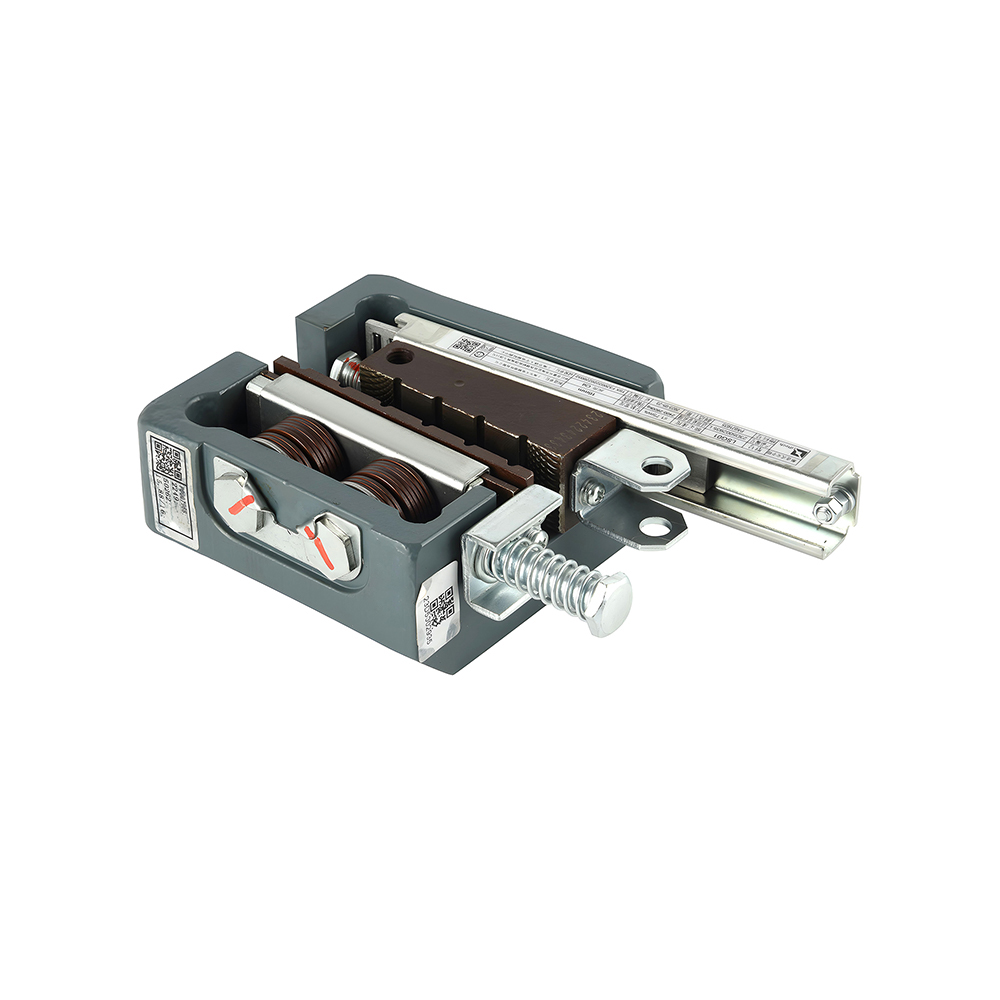
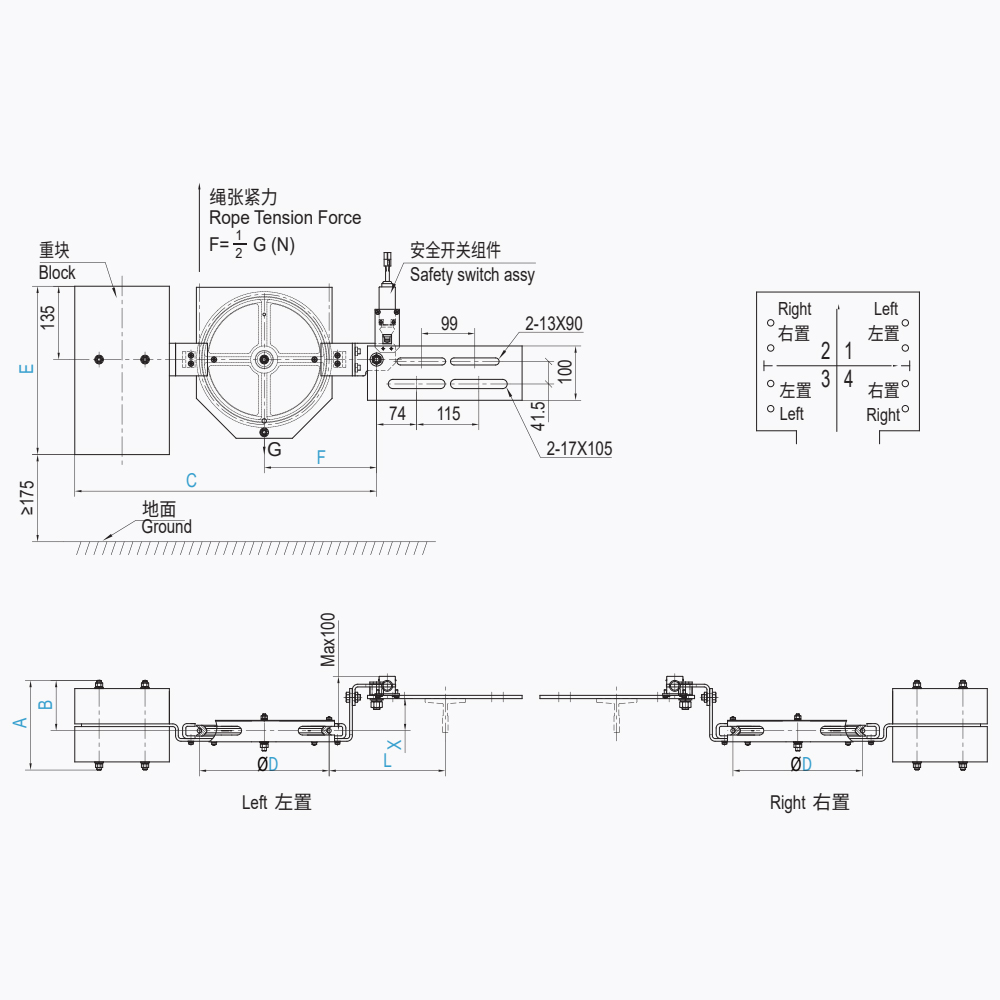 Wholesale LTD01 Elevator Tension Device Lift Safety Parts Suppliers, ManufactureShanghai Liftech Elevator Accessories Co., Ltd is China Wholesale OEM LTD01 Elevator Tension Device Lift Safety Parts Suppliers and Manuf...View Product →
Spring-based tensioning for compact layouts
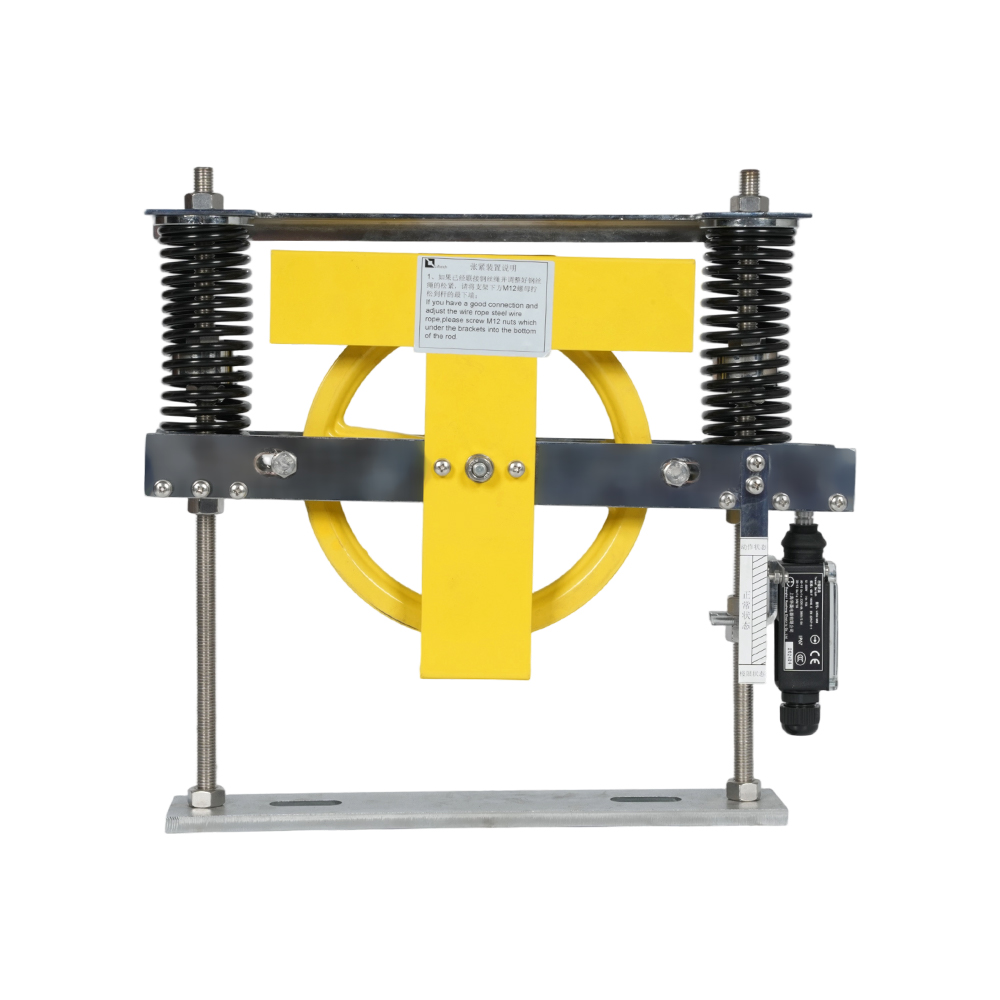
Some machine-room-less and villa elevator layouts cannot accept a long weighted arm. For these cases, a spring-based unit such as the LTD07 spring tension device keeps the rope loaded within a shorter travel range. After any of these units is installed, the tension should still be checked with a calibrated meter; the mechanical position of the device alone is not a precise tension reading.
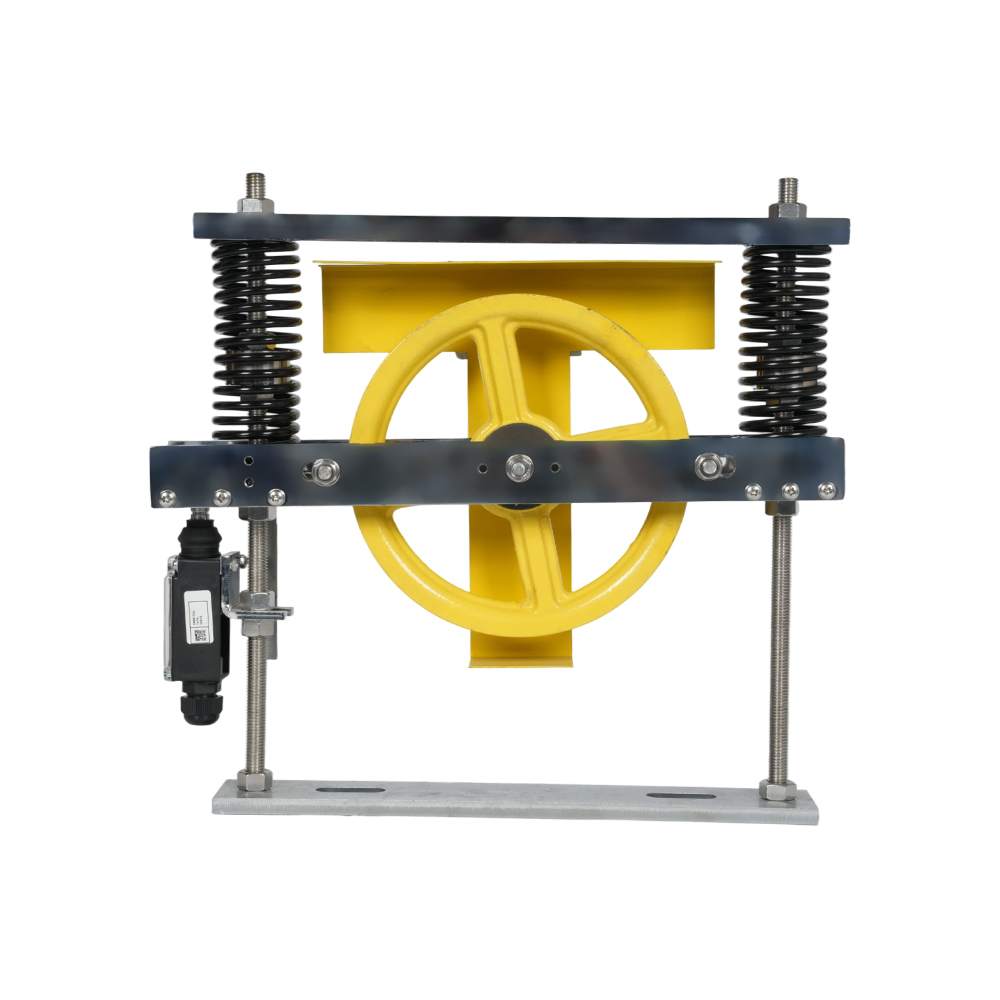 Wholesale LTD07 Lift Tension Device Elevator Safety Components Suppliers, ManufaShanghai Liftech Elevator Accessories Co., Ltd is China Wholesale OEM LTD07 Lift Tension Device Elevator Safety Components Suppliers and ...View Product →
An overview of the available mounting variants is on the elevator tension device category page. The article on elevator tension device parts and applications explains how these components interact with the governor rope and safety linkage.
How to Take Reliable Readings
Measurement error comes more often from placement than from the instrument itself. A reading taken near a sheave or at a sharp bend is not representative of the average rope tension.
Field measurement procedure
- Mark the measuring point three to four rope diameters away from any termination, sheave, or clamp.
- Clean the rope surface and inspect the section for broken wires or rust. A damaged surface will distort the reading.
- Zero the meter according to the manufacturer’s instructions before each series of measurements.
- Take three readings at the same point and use the average value.
- Compare the result with the tension range given in the elevator installation manual or the tension device datasheet.
Common mistakes
- Measuring a moving or lightly loaded rope as if it were static.
- Using the wrong contact head for the rope diameter.
- Recording a single reading without repeating the measurement after the tension device has settled.
- Ignoring temperature effects in outdoor or machine-room-less installations.
If the measured value is outside the specified range, adjust the tension device and measure again. Do not compensate for a low reading by over-tightening; this simply moves stress to the sheave bearings and terminations.
Using Measured Tension Data in Maintenance and Compliance
A rope tension log is useful evidence that a safety component is still within its adjustment window. During commissioning, the measured tension should be recorded together with the governor trip speed and the safety gear test result. During periodic inspection, the same measurements make drift visible before a failure occurs.
For elevator safety components, the relevant design and test requirements in Europe are given in EN 81-20 and EN 81-50. A field tension check does not replace a full component test, but it helps confirm that the installation matches the design assumption. The relationship between governor rope slip and trip delay is covered in more detail in the article on overspeed governor response latency. When you standardize on an elevator tension device family and pair it with a calibrated measuring device, you can keep rope tension inside its defined range from acceptance to the next service.