
 English
 中文简体
中文简体 русский
 Español
 Deutsch


Custom Overspeed Governor: Specify Trip Speed, Rope Tension, and Test-Safe Tripping Force
Content
- 1 What a Custom Overspeed Governor Does Before the Safety Gear Moves
- 2 Three Numbers Decide Whether a Custom Overspeed Governor Passes
- 3 How to Specify a Custom Overspeed Governor in Five Steps
- 4 Machine-Room and Machine-Room-Less Lifts Need Different Governor Bodies
- 5 Where Custom Overspeed Governor Specs Quietly Break: Rope Slip and Early Trips
- 6 When High-Speed and UCMP Duty Force a Custom Build
- 7 Frequently Asked Questions About Custom Overspeed Governors
What a Custom Overspeed Governor Does Before the Safety Gear Moves
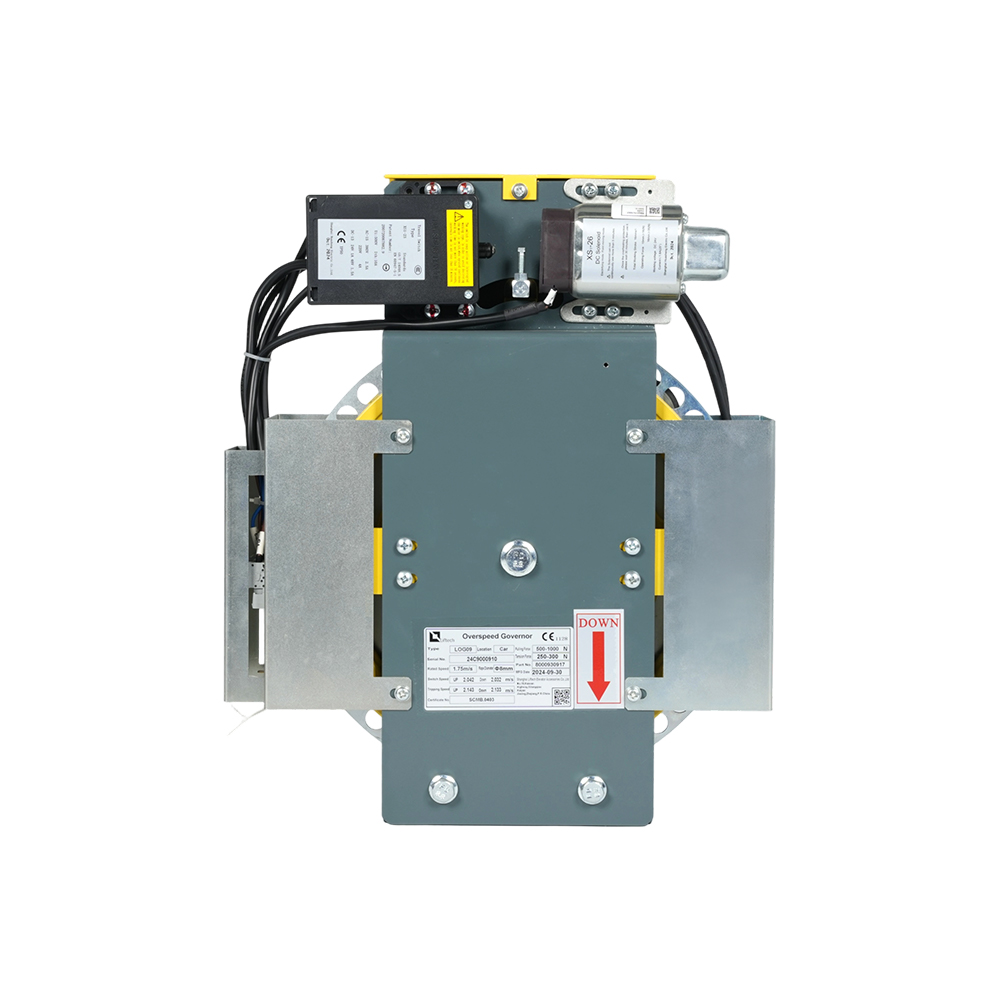
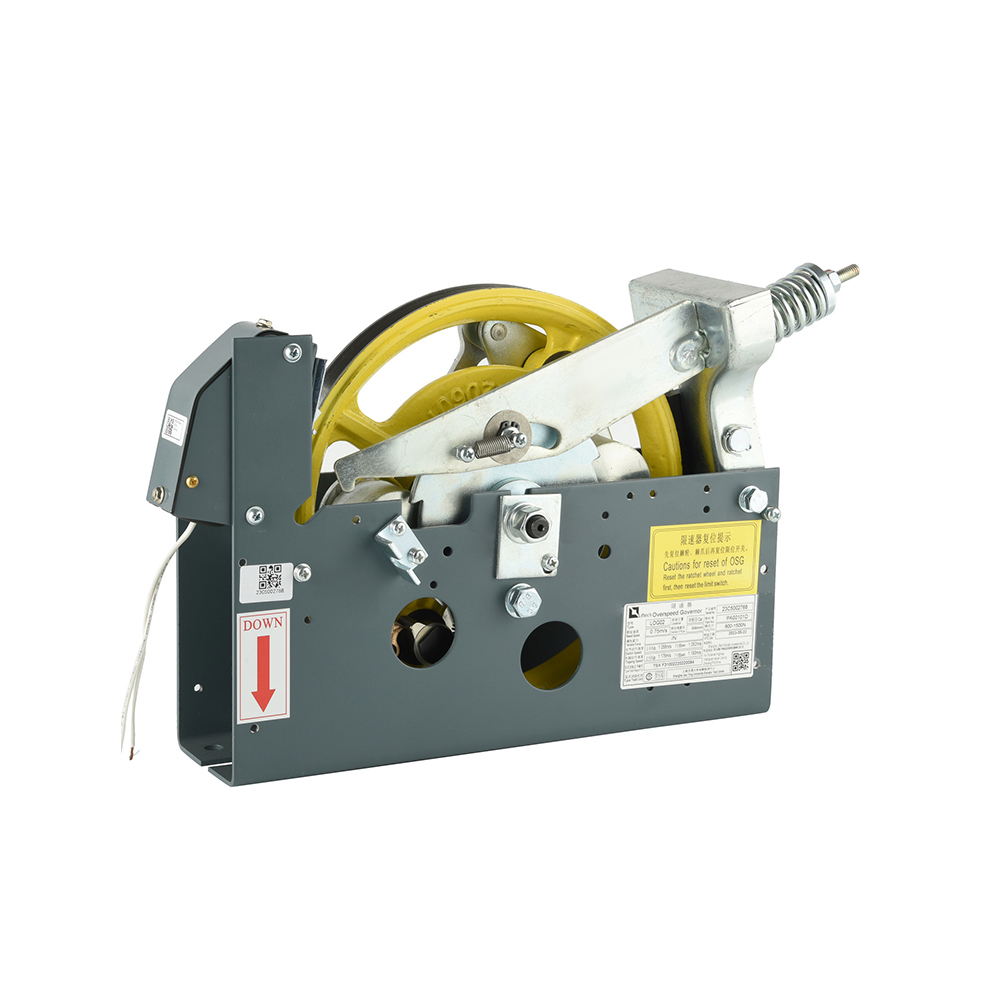
A custom overspeed governor is a centrifugal speed-sensing device built to trip at a defined speed above the lift's rated speed and, through the governor rope and linkage, force the safety gear to grip the guide rails.
It performs two jobs at once. Mechanically, flyweights swing outward as the sheave spins faster, overcome a calibrated spring and close a jaw onto the governor rope. The rope then pulls the safety gear linkage, the wedges ride up and the car stops. Electrically, a contact changes state at the same instant, cutting the drive and telling the controller that a trip has occurred. Because both actions depend on the same rope, the governor, the linkage and the tension device are specified as one system.
DefinitionA custom overspeed governor is a standard governor platform configured to one lift design: a specific rated speed, governor rope diameter, direction of travel, mounting position and tension device, so that its tripping speed and gripping force match the installation instead of a catalogue average.
Custom rarely means a blank-sheet design. It covers the variables a stock unit cannot absorb:
- Rated speed bands, including low-speed villa and home lifts where a passenger governor would never trip.
- Governor rope diameter, because the sheave groove has to match the rope that is actually installed.
- Direction of travel, since a traction lift can overspeed with the car running down or the counterweight running up.
- Mounting and access, from a machine-room bedplate to a bracket inside the shaft.
- The electrical interface, including encoder output for the drive controller.
Two rules frame the selection. EN 81-20 and GB 7588 require tripping at not less than 115 percent of rated speed, and every traction lift must be able to trigger in both directions of travel. The sequence behind those rules is set out in our guide to how an elevator overspeed governor works.
Three Numbers Decide Whether a Custom Overspeed Governor Passes
Tripping speed, rope diameter and rope tension decide the result of an acceptance test. Miss one and the governor either fails to grip the rope or trips before the lift reaches its limit.
| Specification point | What it controls | Typical value to confirm |
| Rated speed band | Spring preload and flyweight mass, and therefore the tripping point | 0.4 m/s to 6.0 m/s, in defined steps |
| Governor rope diameter | Sheave groove profile and how hard the jaw can bite the rope | 6 mm, 6.3 mm and 8 mm cover most installations |
| Tripping speed window | The moment the jaw closes during an overspeed event | Minimum 115 percent of rated speed |
| Direction of travel | Whether one or two sets of flyweights are required | Traction lifts normally need bidirectional tripping |
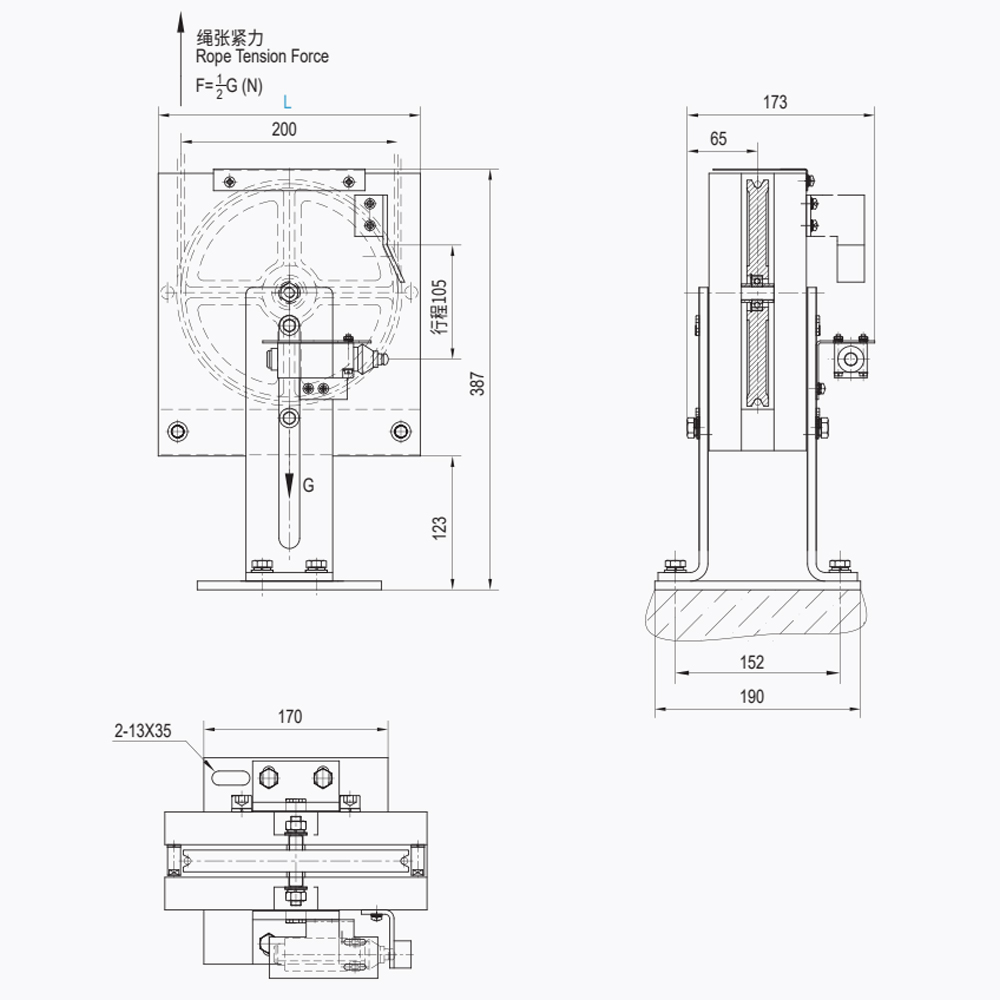
| Rope tension | Whether the jaw grips the rope or the rope slides through it | Fixed by tension device mass, travel and guide position |
How to Specify a Custom Overspeed Governor in Five Steps
Five checks remove almost every mismatch between an order and the lift the governor has to protect.
- Lock the rated speed and the direction of travel first. The figure on the nameplate is the number the governor is calibrated against, and a traction lift needs coverage for both up and down travel.
- Measure the installed governor rope instead of assuming it. A 6.3 mm rope running in a sheave cut for 8 mm loses contact area, and the safety gear test becomes unreliable.
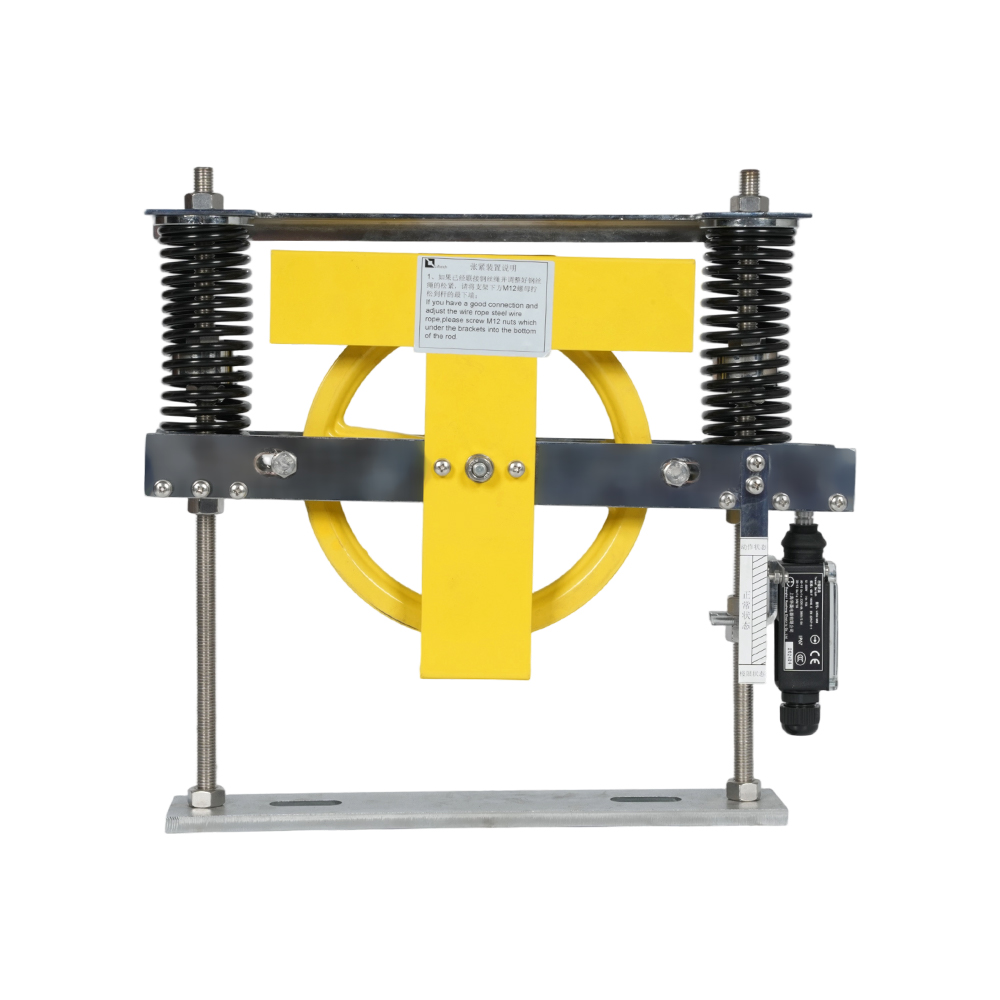
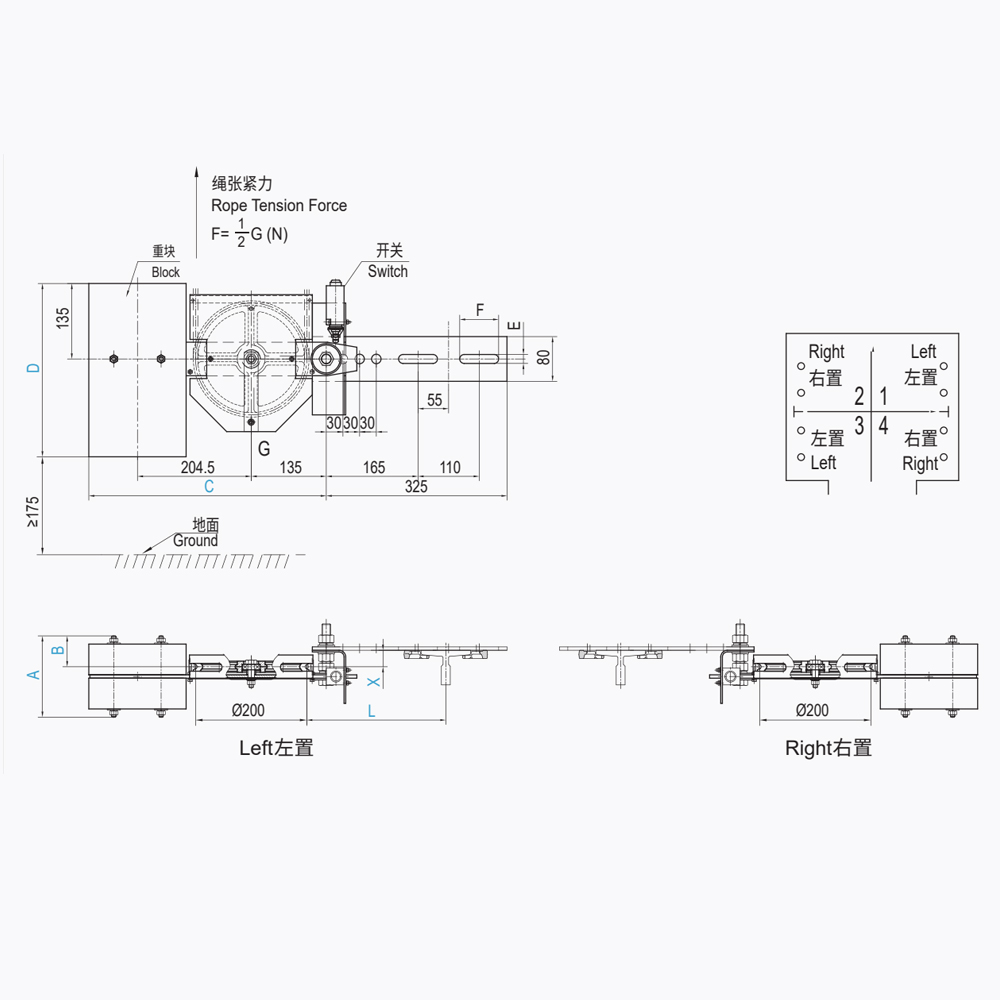
- Size the tension device together with the governor. The device keeps the rope taut and takes up elongation, and its travel must not bottom out over the life of the rope.
- Define the electrical interface. Encoder pulses for the drive, a trip contact for the controller, and a wiring diagram that matches the panel rather than the catalogue.
- Check the certificate against the delivered setting. The test report should record the tripping speed actually set, not the range the platform can cover.
Machine-Room and Machine-Room-Less Lifts Need Different Governor Bodies
The same rated speed produces different hardware depending on where the governor is mounted and who has to reach it during maintenance.
- Mounted on the bedplate or a wall bracket
- Larger sheave and easier rope grip
- Setting readable from the machine room floor
- Encoder normally supplied as a separate item
- Mounted on the car top or inside the shaft
- Compact body with a smaller sheave
- Adjustment reached from the car top
- Encoder often integrated into the governor
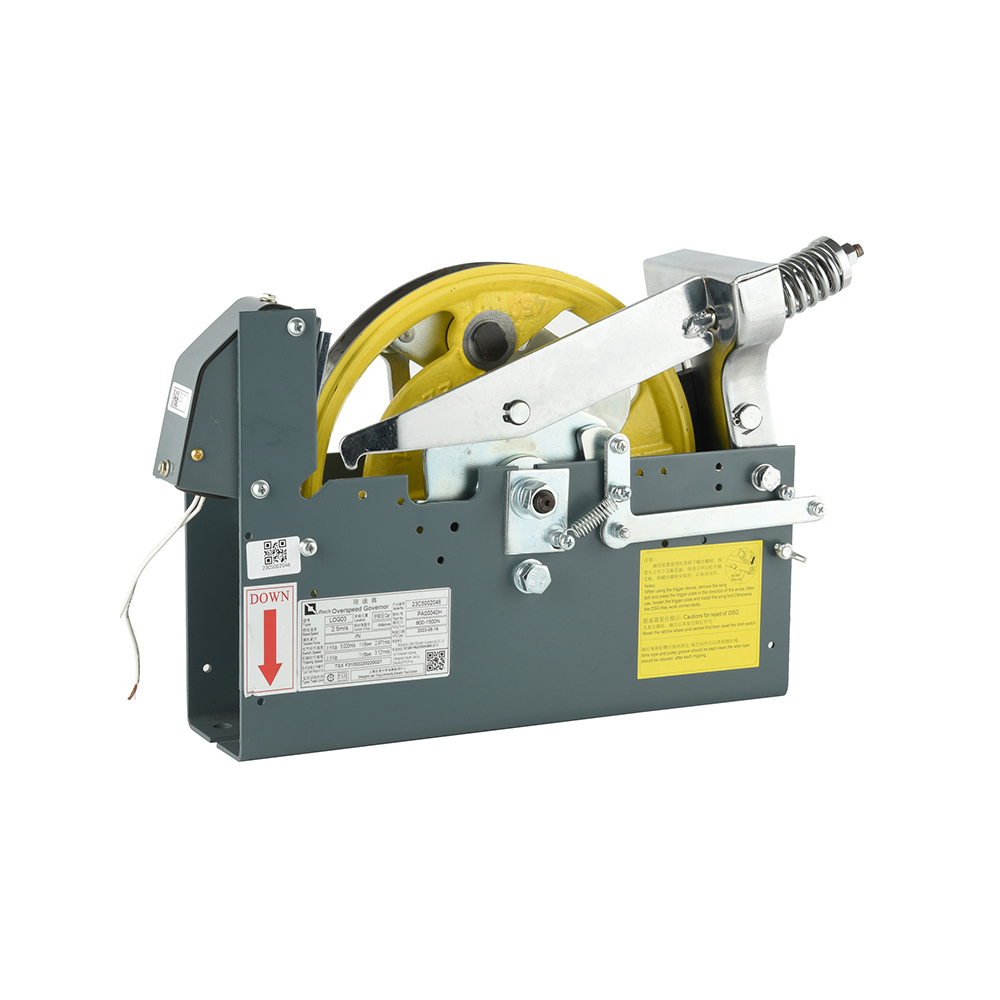
A machine-room-less governor such as the LOG03B is built around that constraint: a shorter body, a reduced sheave and an adjustment point a technician can reach without a machine room, and it is usually ordered together with its tension device and linkage.
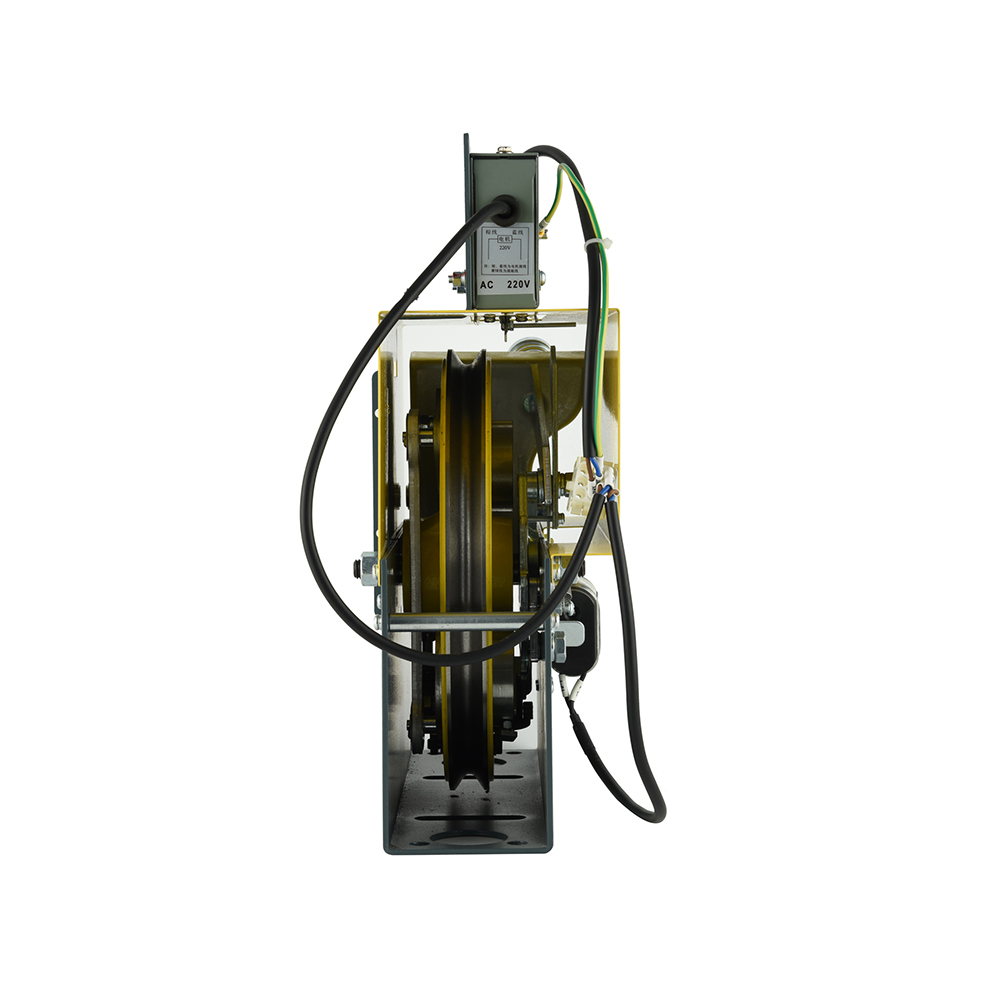 LOG03B Machine-Roomless Elevator Overspeed GovernorFor machine-room-less shafts where tripping speed alone is not enough, this compact governor uses centrifugal swing-mass activation and fits shaft-top or side installation.View Product →
Where Custom Overspeed Governor Specs Quietly Break: Rope Slip and Early Trips
A governor that reaches its tripping speed on the bench can still fail in the shaft, because tripping speed only decides when the jaw closes, not whether it holds the rope.
Rope slip is the failure that hides longest. If the tension device is too light, or its travel has bottomed out after the rope stretched, the jaw closes on a slack rope and the safety gear never receives the force it needs. Too much tension carries its own cost: faster rope wear, higher sheave loading and nuisance trips on a lift whose speed control is perfectly healthy.
When High-Speed and UCMP Duty Force a Custom Build
Above roughly 2.0 m/s, a governor stops being a simple mechanical switch and becomes part of the drive control loop. High-speed lifts need heavier flyweights, larger sheaves and an encoder that reports car speed back to the controller, which is why a single-direction or ultra-thin body will not do.
The LOG20 is configured for that duty band, with a sheave and spring set sized for the higher tripping speeds involved.
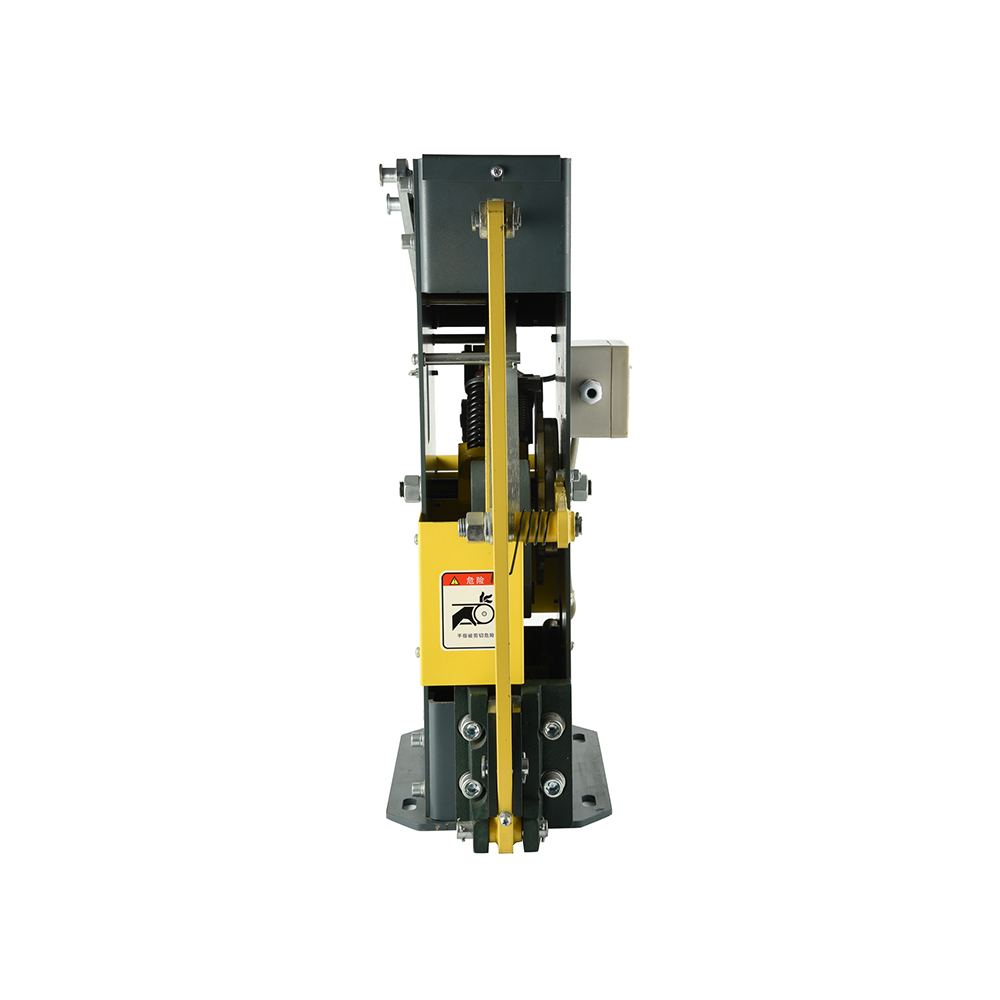 LOG20 High Speed Elevator Overspeed GovernorConfigured for higher tripping speeds, this CE-compliant 6 m/s governor uses a sheave and spring set suited to varied elevator rated speed ranges.View Product →
UCMP is the other case that changes the hardware. Unintended car movement protection requires the car to be stopped and held at the landing, so a governor specified for that duty is paired with a rope brake or a linkage device that clamps the governor rope. The LUC03 is built for exactly that role.
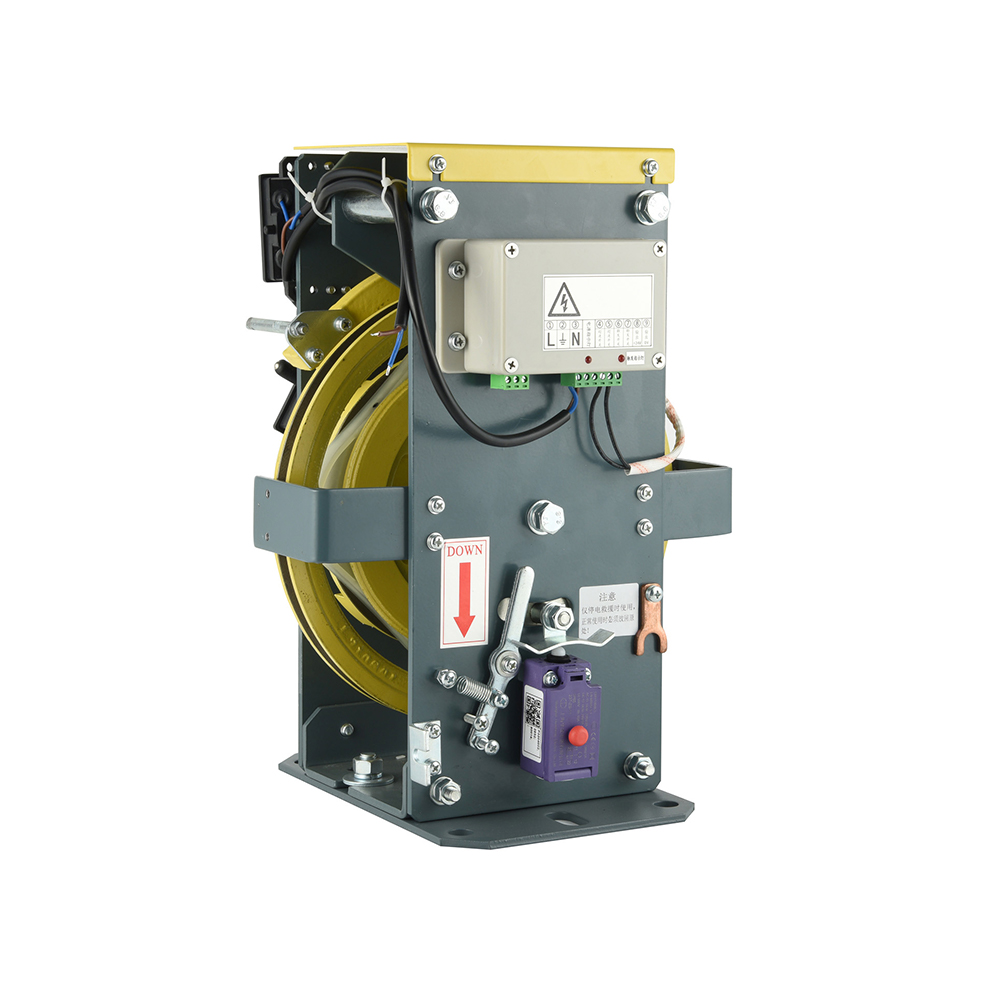 LUC03 Overspeed Governor for UCMP Elevator SystemsFor UCMP stopping duties, this cam-based governor provides two-way mechanical triggering and pairs with a rope brake or linkage.View Product →
None of this is a one-off exercise for a manufacturer that already builds the surrounding parts. Shanghai Liftech Elevator Accessories Co., Ltd. has produced governors, safety gears, oil buffers and rope brakes since 2004, and completed that four-part safety component range in 2015. A supplier that builds the governor, the linkage and the tension device in one plant can also test them as a set, which is the only reliable way to confirm the tripping force that is actually delivered.
Frequently Asked Questions About Custom Overspeed Governors
What is the minimum tripping speed for a custom overspeed governor?
The governor must trip at no less than 115 percent of the lift's rated speed under EN 81-20 and GB 7588. A lift rated at 1.6 m/s therefore needs a governor set to trip at 1.84 m/s or above, with an upper limit that depends on the standard's table for that speed band.
Can one governor serve a passenger lift and a goods lift at the same rated speed?
Rarely without further checks. Rope diameter, tension device mass and direction of travel usually differ, and a governor that trips correctly can still slip on a rope that is too thin for its groove. Confirm rope and tension data before a model is reused across two lift types.
Does the safety gear type change the governor setting?
Yes. Instantaneous safety gears are limited to lower rated speeds, normally up to 0.63 m/s, while progressive safety gears cover the higher bands. The governor must be matched to the gear that is fitted, because the trigger and the grip work as one mechanism.
How often should a custom overspeed governor be checked?
Test it at commissioning and at every statutory periodic inspection, which in most markets means an annual functional check. The tripping speed setting is normally sealed after calibration, so any change of setting should be treated as a re-certification event rather than routine maintenance.