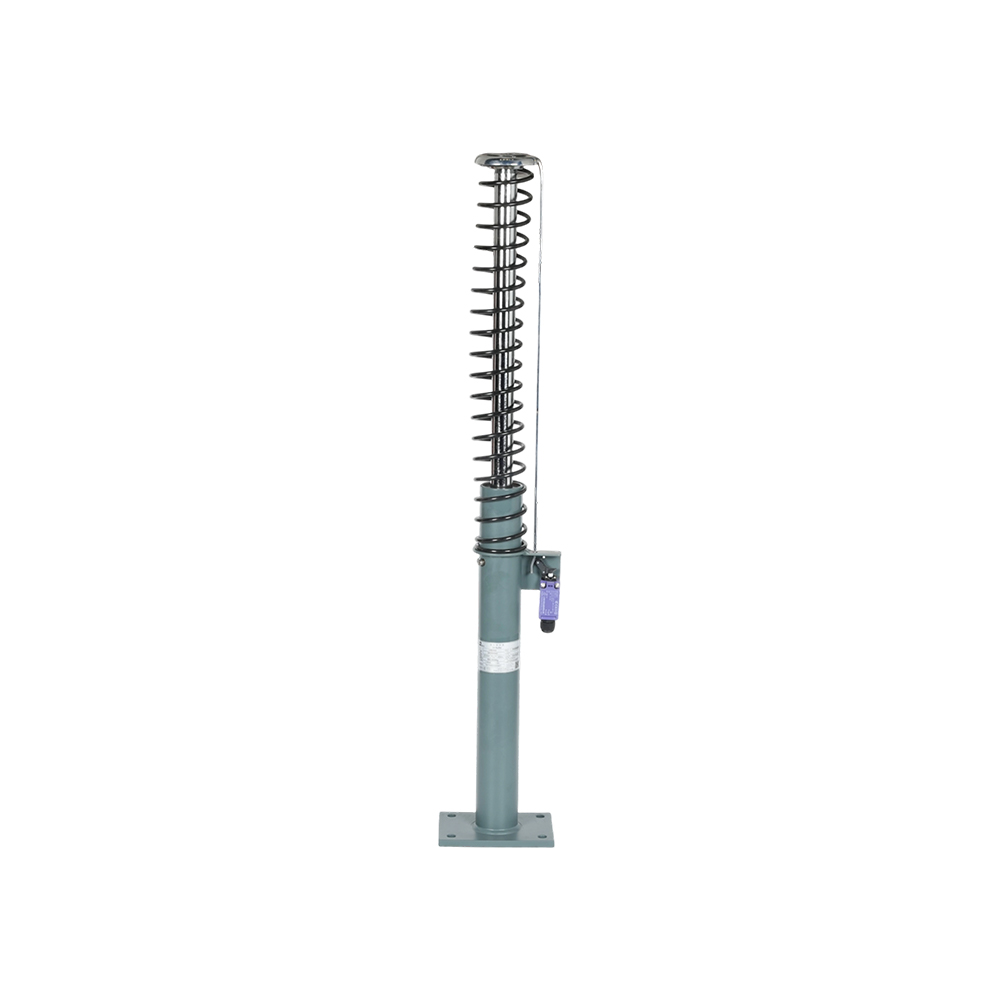

 English
 中文简体
中文简体 русский
 Español
 Deutsch


Elevator Brake System Selection: Types, Components, Standards, and Maintenance
Content
What an Elevator Brake System Actually Does
An elevator brake system is the complete set of electrical and mechanical devices that stops the elevator car or counterweight when drive power is lost, overspeed is detected, or a safety circuit opens. It combines a holding brake on the traction machine with independent safety devices that act on the guide rails or suspension ropes.
The holding layer includes the electromagnetic machine brake. The safety layer consists of the overspeed governor, the safety gear, the rope brake, and the safety linkage. The machine brake alone cannot stop a car in free fall, because the motor shaft can rotate without load after rope slip. The safety layer is designed to operate even when all electrical power is gone, which is why codes such as EN 81-20 and GB/T 7588 require the safety gear and governor to be purely mechanical devices.
Core Components That Make Up an Elevator Brake System
Five components define a complete elevator brake system, and each one must be matched to the others for safe operation.
The Machine Brake
The machine brake is a spring-applied, electrically released brake mounted on the traction machine. It applies when power is removed, holding the car at floor level with the traction sheave locked. A typical specification requires the brake to hold the car stationary with 125 percent of rated load.
The Overspeed Governor
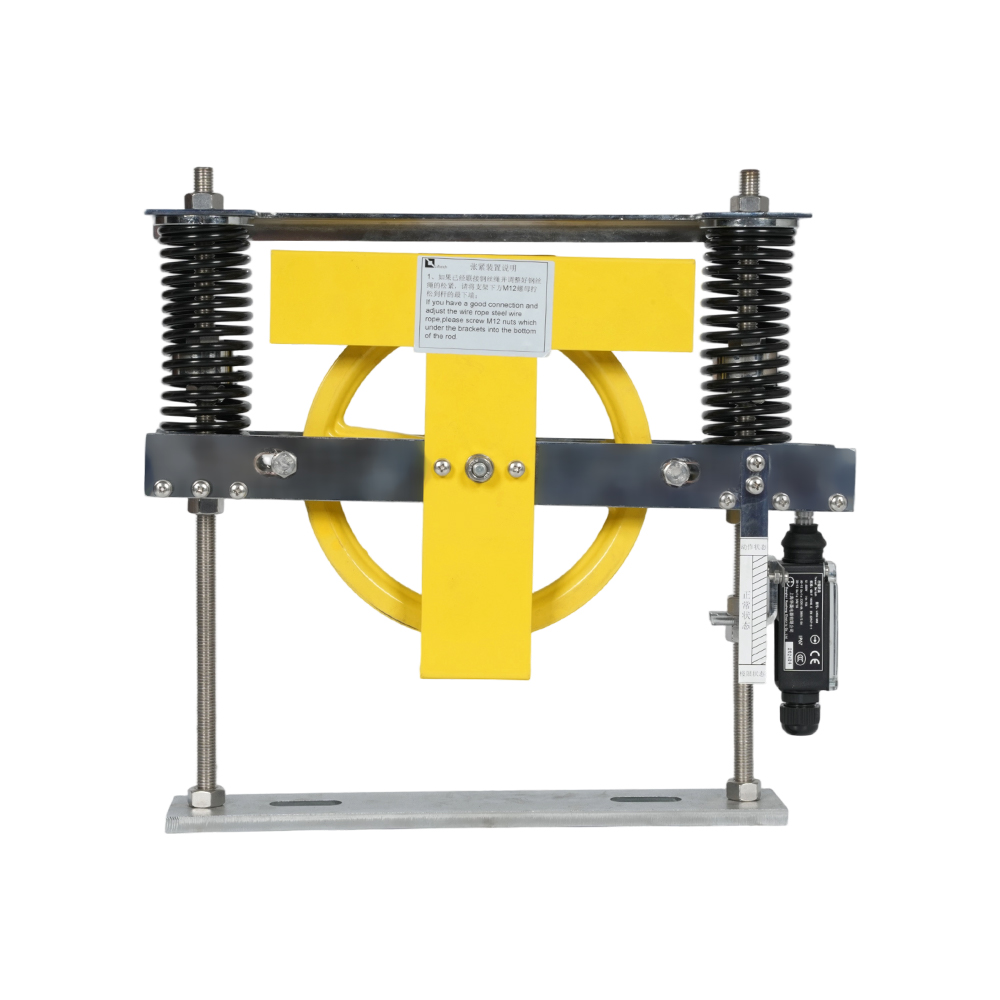
The overspeed governor monitors car speed through a separate rope looped around a pulley at the top of the shaft. When the car exceeds the governor tripping speed, commonly 115 percent of rated speed, the governor latches and pulls the safety linkage. Response timing is documented in this overspeed governor response analysis.
The Safety Gear
The safety gear is the wedge or roller mechanism that grips the guide rail. Progressive safety gears slide to create a controlled deceleration, while instantaneous safety gears lock rigidly. For progressive devices, the average deceleration is limited between 0.2g and 1.0g under EN 81-20.
The Rope Brake
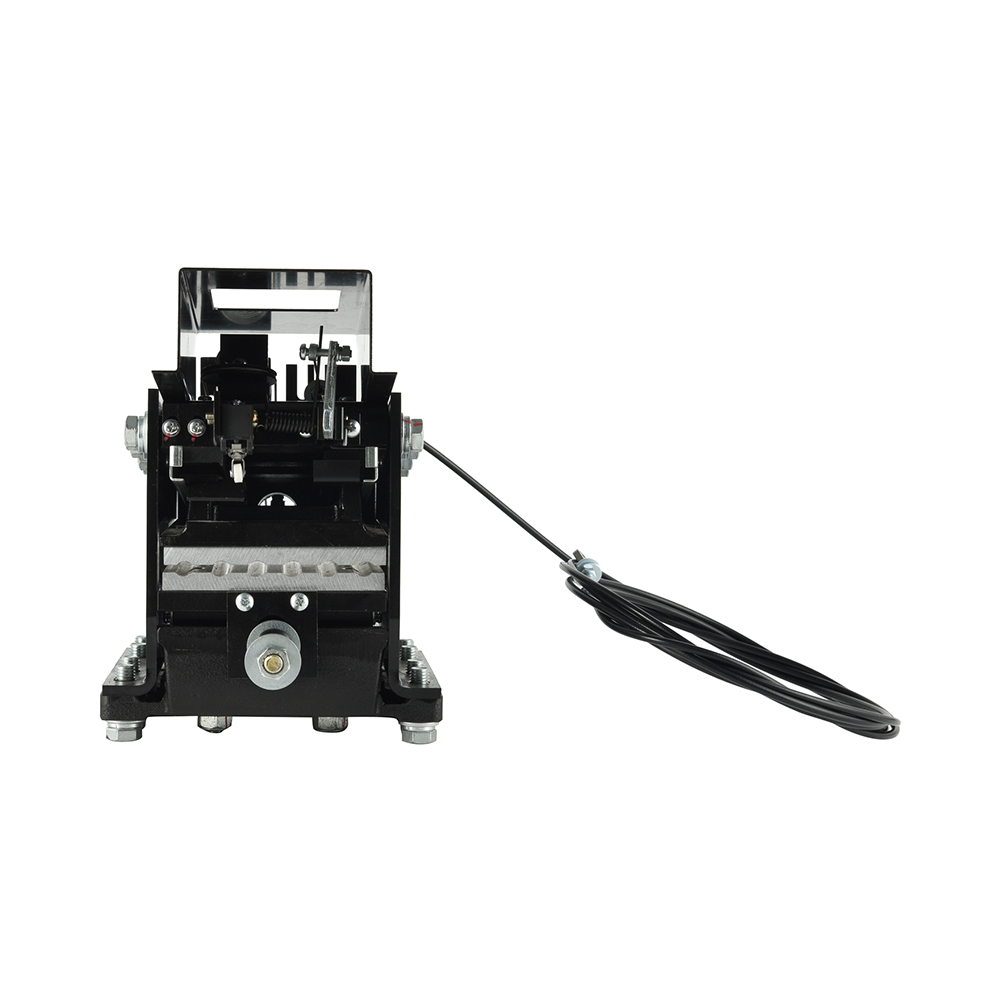
An elevator rope brake clamps the suspension ropes directly rather than the guide rails. It is especially useful in machine-roomless systems, where the car safety gear may not engage before the car reaches the end of the travel.
The Safety Linkage and Release Device
The linkage transmits the governor rope pull to the safety gear. It must move freely with minimal lost motion, because a 50 ms delay at 2.5 m/s changes the stopping distance by roughly 15 cm. A release device ensures the safety gear can be reset after a test or activation.
| Component | Primary Function | Trigger Condition | Safety Role |
| Machine brake | Holds traction sheave stationary | Drive power loss | Prevents movement at floor level |
| Overspeed governor | Monitors car speed | 115 percent of rated speed | Initiates safety sequence |
| Safety gear | Grips guide rail | Governor linkage pull | Stops car on the rail |
| Rope brake | Clamps suspension ropes | Overspeed or safety circuit | Stops car on the ropes |
| Safety linkage | Transmits governor pull | Governor latch | Connects detection to actuation |
Types of Elevator Brake Systems and Their Applications
Elevator safety brakes fall into two main families: car safety gear and rope brakes. Within each family, the design must match the car rated speed and application.
Progressive vs Instantaneous Safety Gear
Instantaneous safety gear is limited to low-speed lifts, typically rated at 0.63 m/s or less, because it locks the wedges onto the rail as soon as the governor trips. Progressive safety gear allows the wedge to slide and absorb kinetic energy over a longer distance, which is why it is specified for rated speeds above 0.63 m/s.
- Wedges slide along the rail during braking
- Average deceleration of 0.2g to 1.0g
- Approved for rated speeds from 0.63 m/s up to 4.0 m/s
- Specified for passenger, freight, and high-rise lifts
- Wedges lock rigidly onto the guide rail
- Very rapid stop with high deceleration
- Approved only for rated speeds up to 0.63 m/s
- Used in low-speed goods and villa lifts
How to Specify an Elevator Brake System
Specifying a brake system requires matching the safety device to five core parameters: rated speed, rated load, traction ratio, installation space, and the applicable safety standard.
The rated speed of the elevator determines the safety gear family. The rated load sets the safety gear size and the guide rail width. Machine-roomless systems usually need a rope brake in addition to the car safety gear. Home lifts and villa lifts often use instantaneous gears, while passenger, freight, and high-rise elevators use progressive gears.
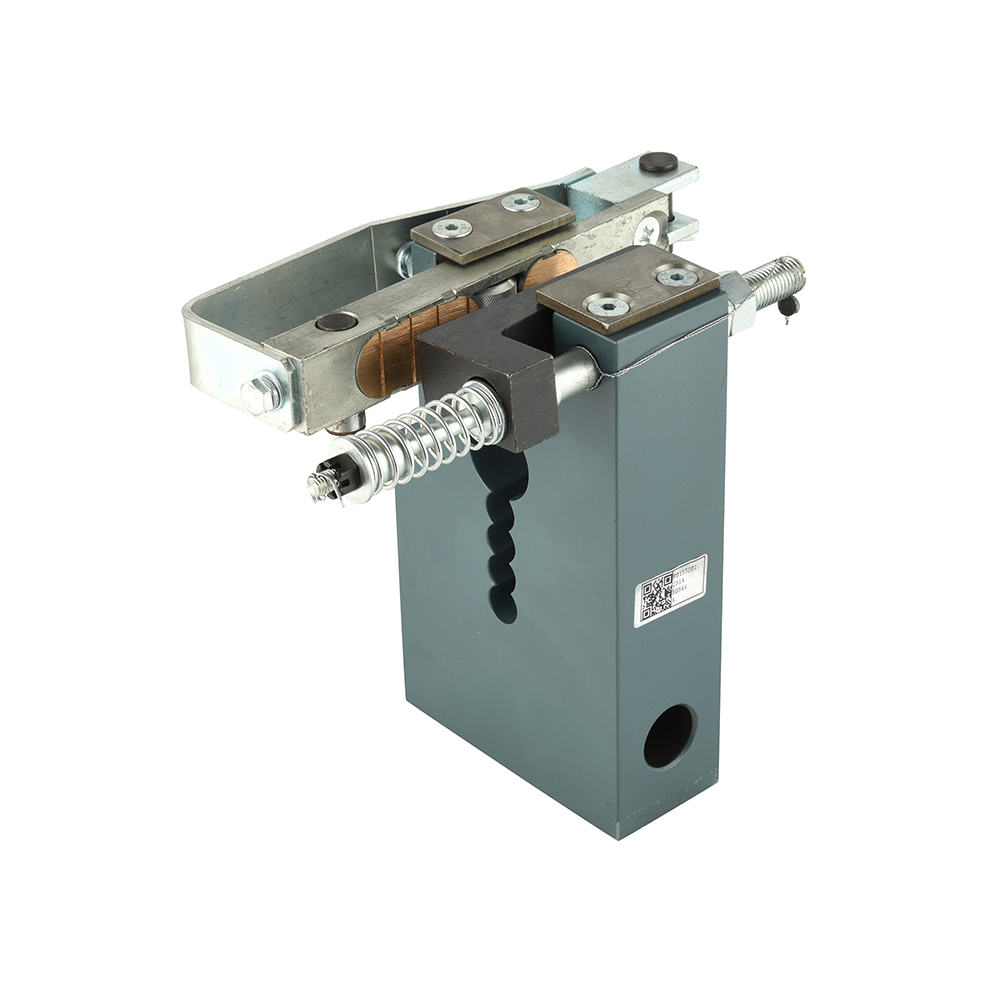 High-Speed Elevator Safety Gear for Speeds up to 4 m/sLSG10 progressive safety gear designed for high-speed elevators up to 4 m/s, featuring integrated elastic components for reliable braking and reduced impact on car and guide rails. Suitable for passenger and high-rise installations.View Product →
Shanghai Liftech Elevator Accessories Co., Ltd. manufactures these components in matched families, covering speeds from 0.63 m/s to 4.0 m/s and loads from home lift systems to heavy-duty freight elevators. For high-speed installations, a dedicated high-speed safety gear must be selected separately from the rope brake.
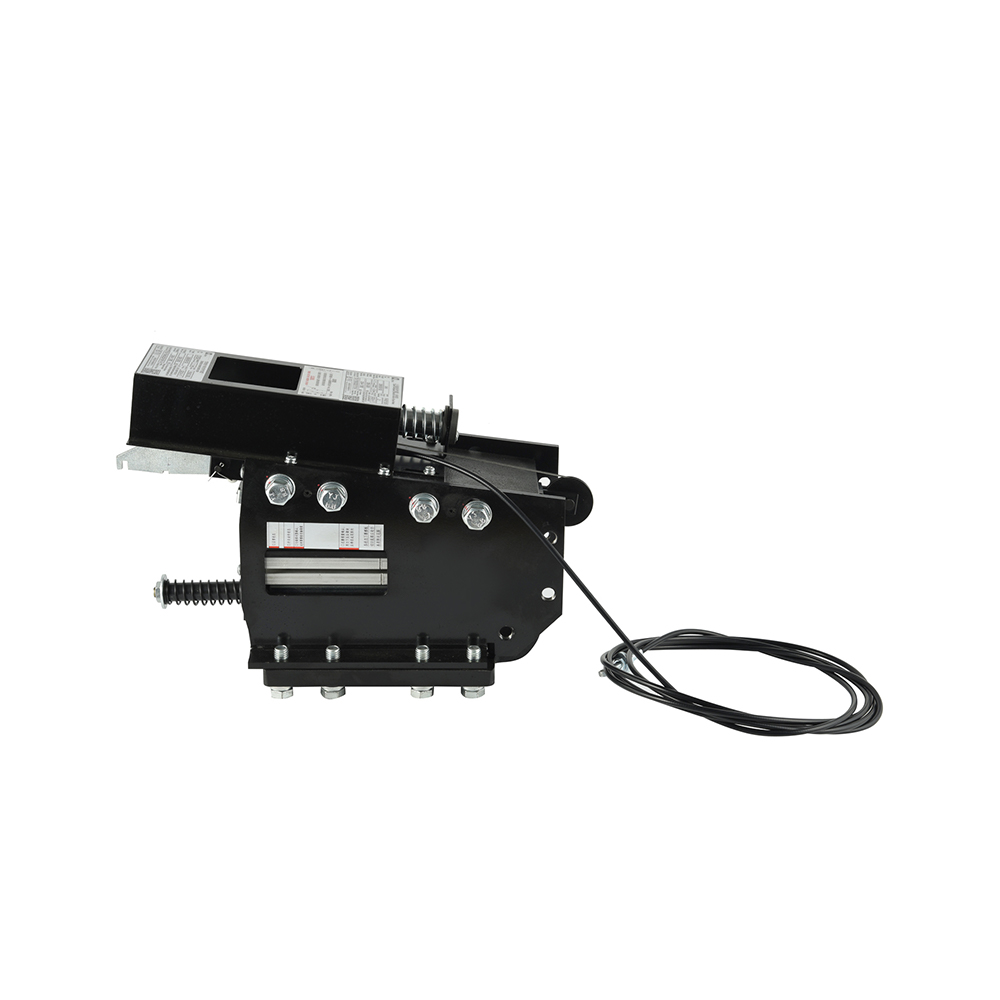 Elevator Rope Brake with Multiple Installation OptionsLRB02 rope brake works with the speed governor to clamp wire ropes during overspeed or unintended movement. Available in upright, inverted, widened, and extra-wide configurations for flexible system integration.View Product →
When a machine-roomless elevator requires unintended car movement protection, an emergency brake actuation system links the governor to the rope brake. This linkage must be verified for travel and preload before installation.
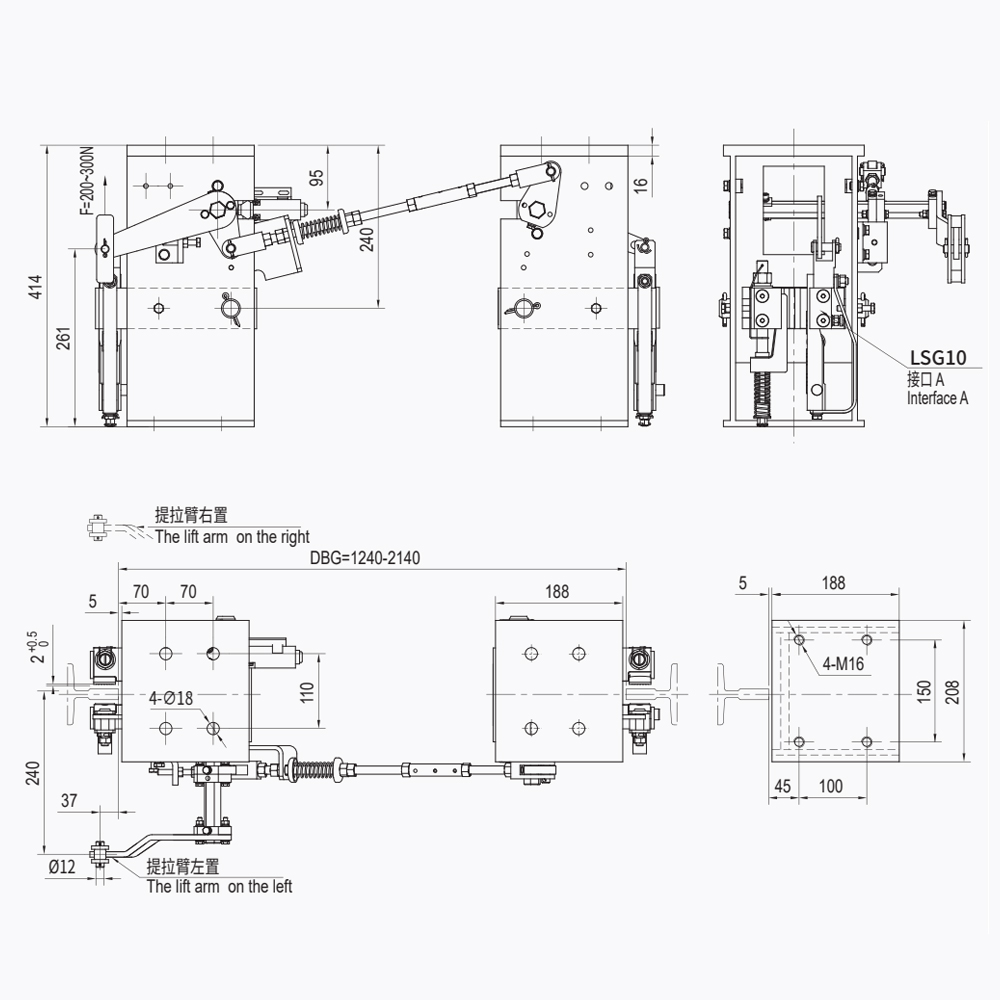 Emergency Brake Actuation System for Elevator SafetyLSD08 mechanical linkage system triggers the safety gear during overspeed or abnormal conditions, engaging clamp blocks against guide rails to stop the car. Provides multiple safety protections for elevator systems.View Product →
- Car rated speed determines the safety gear family, with instantaneous devices limited to 0.63 m/s and below
- Rated load and traction ratio set the safety gear size and the guide rail width requirement
- Machine-roomless configuration requires a rope brake or an unintended car movement protection system
- Application type, such as home lift, freight, or high-rise passenger, determines the performance class
- Compliance standard, including EN 81-20, GB/T 7588, or local code, defines the testing and certification requirement
Maintenance and Inspection Requirements
Elevator brake systems degrade silently, and two parameters determine their reliability: free travel clearance and component wear. This means the brake system needs scheduled inspection and functional testing.
- Check governor rope tension and lubrication monthly
- Inspect safety gear wedge surfaces and guide rail condition quarterly
- Verify linkage travel and spring preload after each activation
- Measure machine brake air gap annually
- Function test the overspeed governor at 115 percent of rated speed during periodic maintenance
- Record buffer stroke and oil level after any emergency braking event
Frequently Asked Questions
What is the difference between an elevator machine brake and an elevator safety brake?
The machine brake holds the traction sheave stationary when the drive is de-energized. The safety brake is a mechanical device that grips the guide rail or suspension ropes after the governor detects overspeed. The machine brake is a holding device, while the safety brake is a stopping device for emergency situations.
At what speed does the overspeed governor trigger the safety gear?
The governor tripping speed is typically set at 115 percent of the rated speed for passenger elevators. The safety gear must then engage when the governor latches, within the deceleration limits defined by EN 81-20.
How often should an elevator brake system be tested?
A functional test of the overspeed governor and safety gear is required during periodic maintenance. National regulations or the elevator manufacturer set the interval, and many jurisdictions require a test after major repairs, safety gear activations, or at least every six to twelve months.
Can a rope brake replace the car safety gear?
No. A rope brake is an additional protective device, primarily used in machine-roomless elevators for unintended car movement protection. It supplements, but does not replace, the car safety gear required by code.