
 English
 中文简体
中文简体 русский
 Español
 Deutsch


Elevator Governor Rope: EN 81-20 Compliance, Selection and Maintenance Guide
Content
During a routine annual lift inspection, the test engineer drives the car at reduced speed and deliberately trips the overspeed governor. Whether the car stops safely depends on a component that is barely visible from the machine room: the governor rope. It connects the car to the governor sheave, transmits the trip signal, and converts the governor's mechanical action into a force that actuates the safety gear. In most cases, a governor rope failure is not a sudden break. It is a gradual loss of tension, corrosion, or wear that makes the safety chain unresponsive exactly when it is needed.
What a Governor Rope Does in the Elevator Safety Chain
A governor rope is the mechanical transmission line that converts elevator car movement into a rotation signal at the overspeed governor and then carries the governor's trip force to the safety gear actuation mechanism.
Unlike the hoisting ropes that carry the car, a governor rope is a small diameter steel rope dedicated to the overspeed safety system. It runs over the governor sheave, descends through the shaft, and connects to a safety trip lever mounted on the car frame. As the car moves, the rope drives the governor sheave at a speed proportional to car speed, which is the only way the governor can detect overspeed.
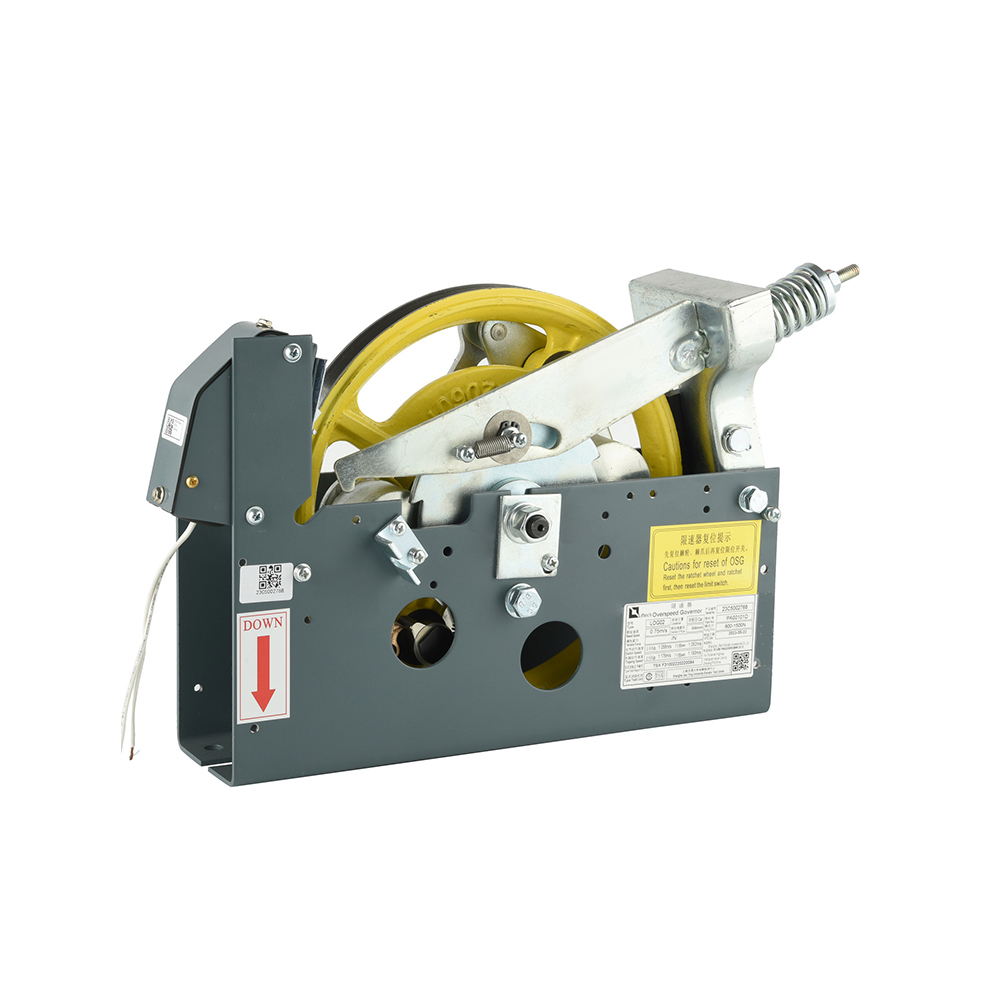
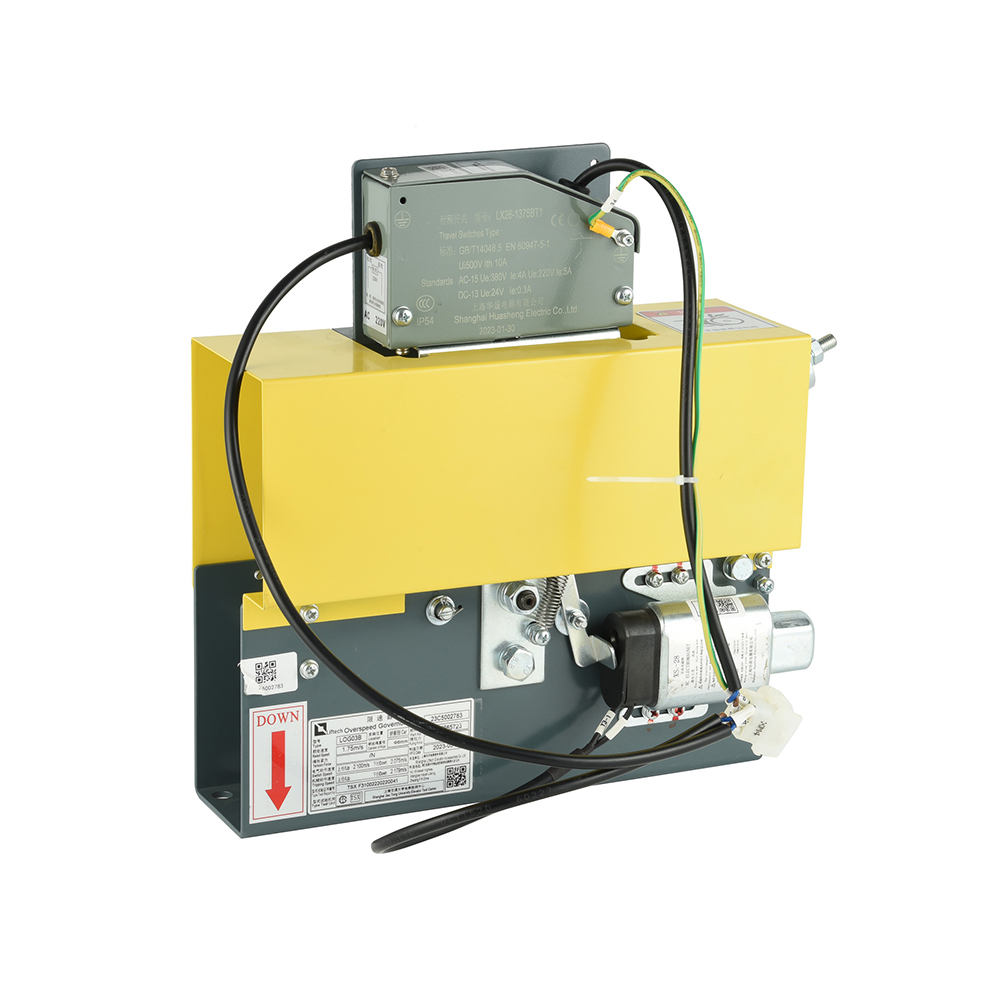
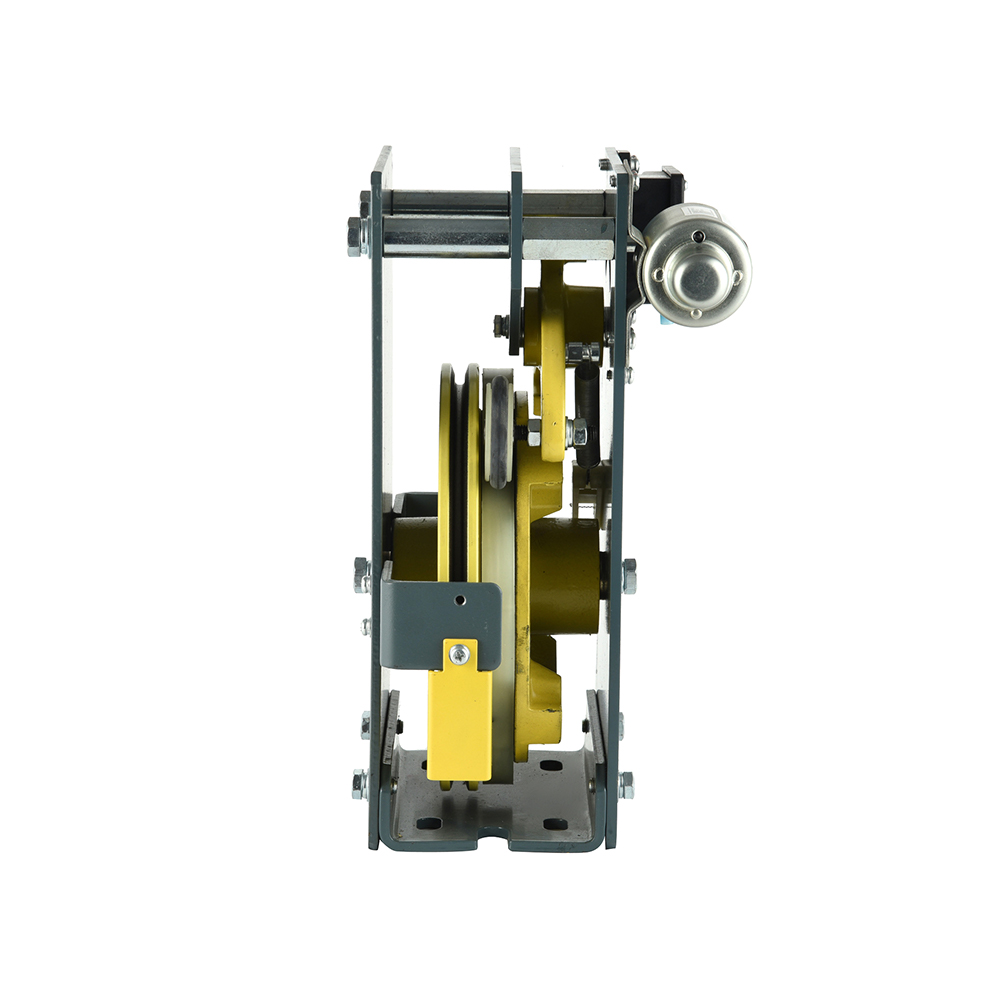 LOG01 Bidirectional Overspeed Governor with Remote Trigger and ResetThis cam-type governor meets GB7588 and EN81, supports remote triggering and resetting for safe inspections, and fits both machine-room and machine-roomless elevator systems. Its dual-contact switch and 220VAC/24VDC input make it versatile for various configurations.View Product →
When the car exceeds the governor's tripping speed, the governor jaws grip the rope. The rope is then tensioned by the continued movement of the car, which pulls the trip mechanism and sets the safety gear. The rope experiences a sudden tensile load that can be several times its normal running tension, so its safety factor is a design decision, not a margin of convenience.
EN 81-20/50 Governor Rope Requirements That Decide Selection
EN 81-20:2020 requires a governor rope to comply with EN 12385-5 for stranded steel ropes, achieve a calculated safety factor after tripping, and fit a sheave diameter that satisfies the D/d ratio.
European lift safety standards divide governor rope requirements into four practical categories. The table below maps them to what a procurement engineer or lift maintenance planner should verify.
| Requirement | EN 81-20/50 approach | Practical impact |
| Rope material standard | EN 12385-5 stranded steel rope | Governs wire construction, coating, and breaking force |
| Safety factor after trip | Calculated from rope breaking force divided by trip tension | For progressive safety gear systems, commonly set at a minimum of 2.0 |
| Sheave diameter ratio D/d | At least 25 times the rope nominal diameter | Prevents excessive bending fatigue at the governor sheave |
| Tensile force FE to actuate safety gear | Depends on safety gear design and rope path | Sets the minimum rope breaking force for reliable tripping |
The maximum permissible movement of the governor rope relative to the car to operate the safety mechanism is another limit. For Type B safeties, this movement is strictly bounded, and a rope with excessive elongation can delay safety gear engagement long enough to overshoot the protection zone.
This relationship between car movement, rope tension, and governor response is described in more detail in our guide on overspeed governor operation.
The governor rope is the only elevator rope designed to work under a sudden tensile load, because during a governor trip it must transmit a force determined by the safety gear's tripping characteristics rather than by the rated load of the car.
Selecting the Right Governor Rope for Each Elevator Profile
Governor rope selection starts with the trip speed, the safety gear tripping force, and the available sheave diameter; the rope diameter and breaking strength follow from those three values.
Start with the tripping force required by the safety gear. The safety gear manufacturer provides FE, the minimum tensile force that must be transmitted by the rope to engage the mechanism. Dividing this force by the safety factor required by EN 81-20 sets the minimum breaking force of the rope.
Then account for the sheave diameter. The D/d ratio requirement means an 8 mm rope needs at least a 200 mm sheave when the standard factor is 25. For compact machine-roomless or villa lift installations, the governor sheave is smaller, so the rope diameter must be reduced to fit the available envelope, which in turn changes the breaking force and the safety factor that can be achieved.
Different elevator profiles also change the governor rope requirements. For high-speed elevators, the governor is typically a bidirectional type with electronic monitoring, and the rope must be long enough to cover the full shaft without affecting the governor's response time. For villa and home lifts, the governor sheave is compact and the rope path is short, so a smaller rope diameter with an appropriate safety factor becomes the limiting factor.
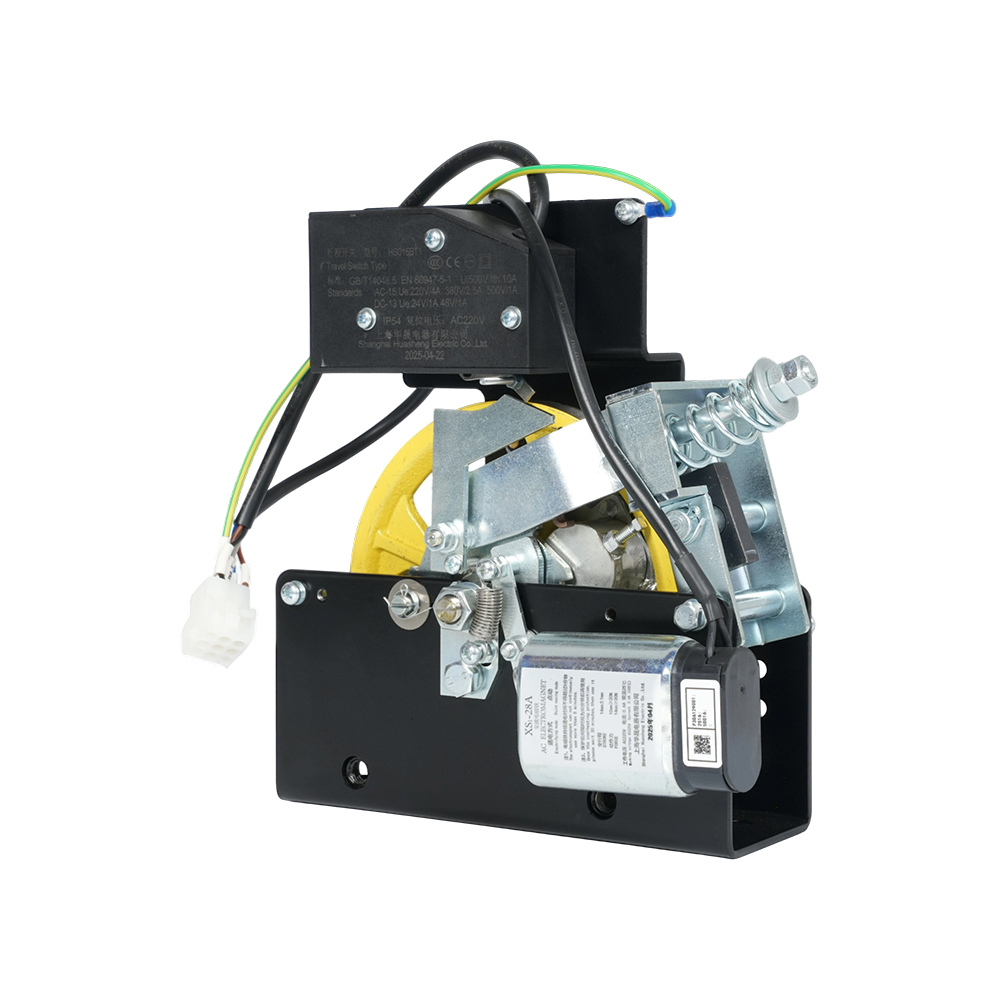 LOG07 Compact Overspeed Limiter for Villa and Home LiftsDesigned for villa lifts, this centrifugal-block limiter operates on 220VAC or 24VDC, triggering an electrical contact to cut the safety circuit on overspeed. Its compact structure suits short rope paths while ensuring reliable protection.View Product →
Finally, verify the rope construction class. EN 12385-5 specifies wire constructions that are suitable for lift governor ropes. Choosing a non-compliant construction can produce premature wear at the sheave groove or poor grip when the governor jaws close on the rope.
For the safety gear side of the chain, see our safety gear selection guide.
Inspection Points That Prevent Governor Rope Failures
Governor rope inspection during periodic maintenance should cover broken wires, diameter loss, elongation, rust, and the correctness of tension at the governor sheave.
A practical inspection checklist for maintenance engineers:
- Check for broken wires at the rope ends, at sheave contact points, and at the car attachment.
- Measure rope diameter with a calliper at three points along the rope. EN 12385-5-based replacement limits typically allow 10% diameter loss before removal.
- Verify that the rope tension is even and that the governor sheave does not slip when the car moves.
- Inspect the rope-to-car attachment for rust and deformation at the safety gear trip lever.
- Run the governor at reduced speed twice a year to confirm the jaws engage and the rope moves freely through the sheave groove.
Governor Rope Wear Response Levels
Governor rope wear response levels based on measured diameter loss.
FAQ: Governor Rope Questions from Maintenance Teams
How often should an elevator governor rope be replaced?
There is no universal interval. Replacement is driven by inspection results, not by a fixed calendar. Most manufacturers recommend replacing the rope when diameter loss exceeds 10%, when broken wires appear in the contact zones, or when visible rust reduces the rope's cross section.
Can a governor rope be reused after a safety gear test?
In most cases, yes, after a full visual and dimensional inspection. If the safety gear engagement was clean and no kink or local deformation is visible, the rope can stay in service. Any sign of flattening, birdcaging, or broken wires means replacement before the next test.
What happens if the governor rope has too much slack?
Slack reduces the rope speed at the sheave, delays the governor's trip signal, and can cause the governor jaws to slip instead of gripping. The correct tension is specified by the governor manufacturer and must be checked with a tension gauge during every maintenance visit.
Is a governor rope the same as a hoisting rope?
No. A governor rope is a dedicated steel rope that runs in a separate path and mechanically links the car to the overspeed governor. It is not rated to carry the car or the rated load, and its construction, diameter, and breaking force are selected around the governor and safety gear design.