

 English
 中文简体
中文简体 русский
 Español
 Deutsch


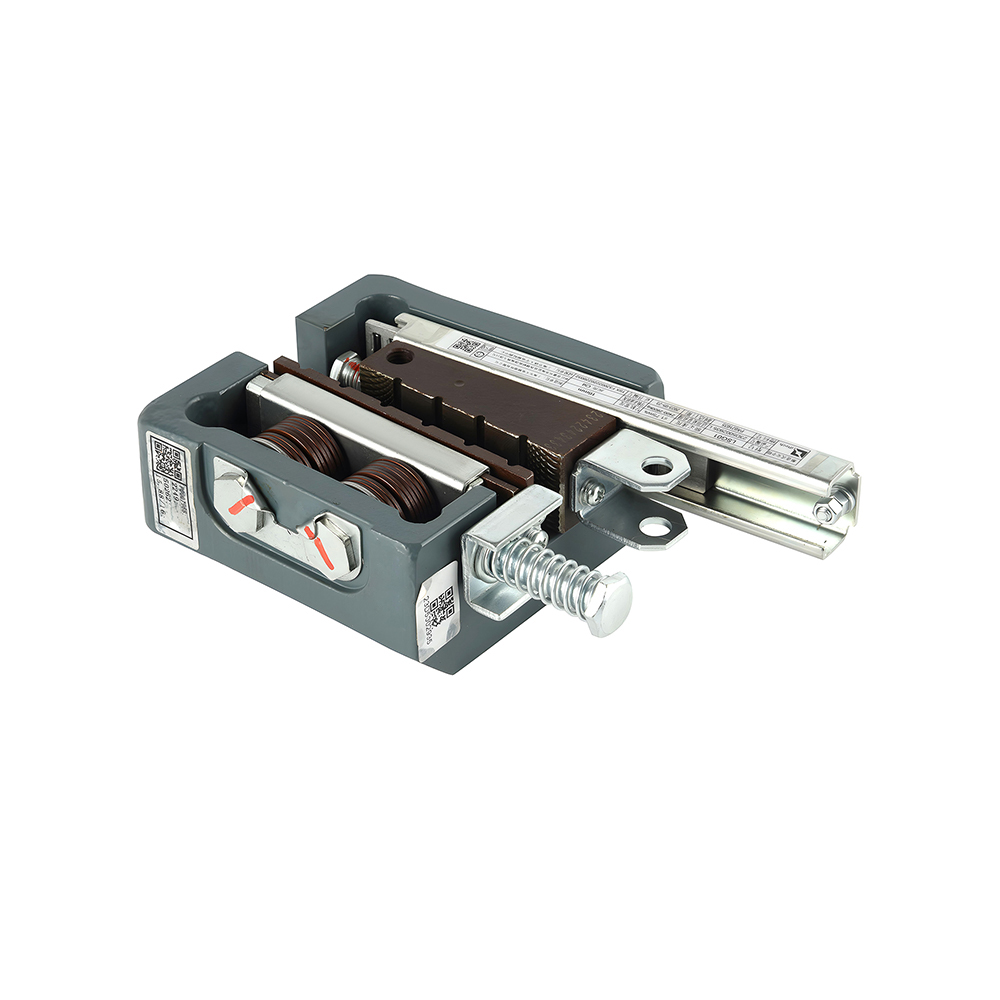
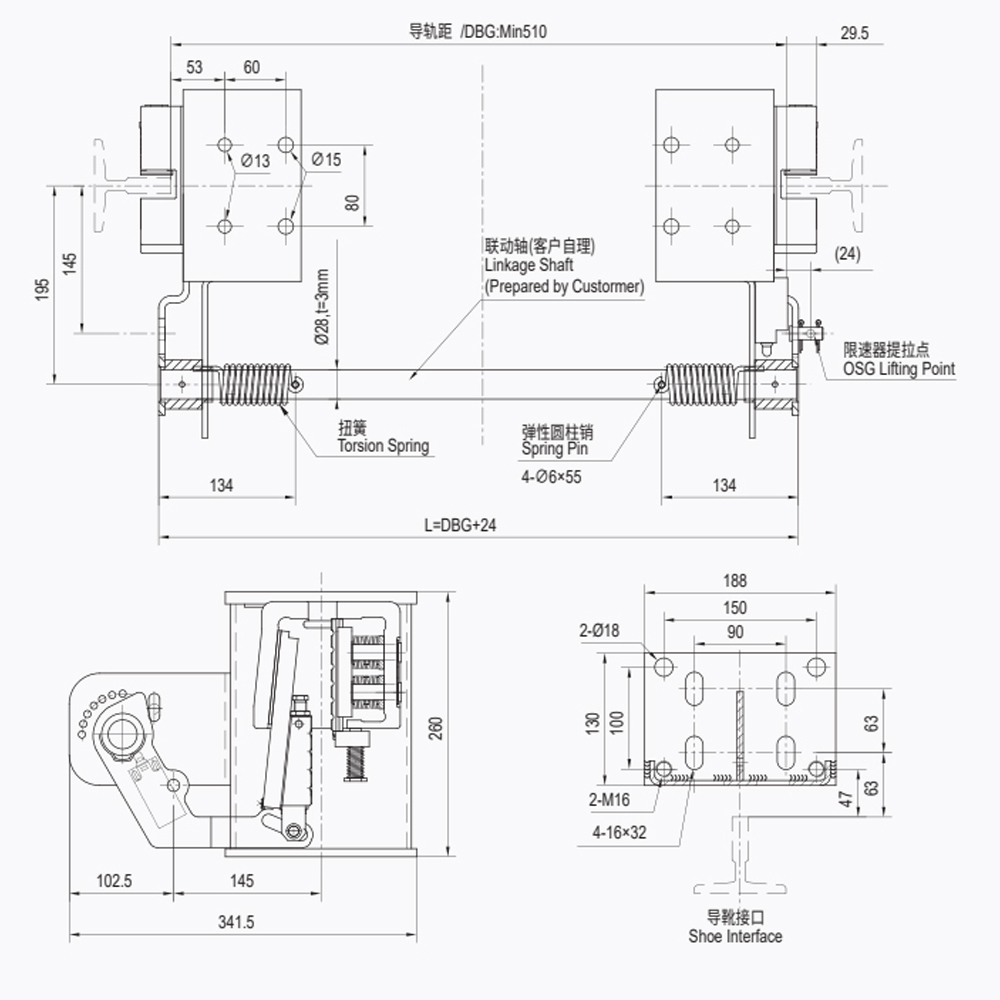
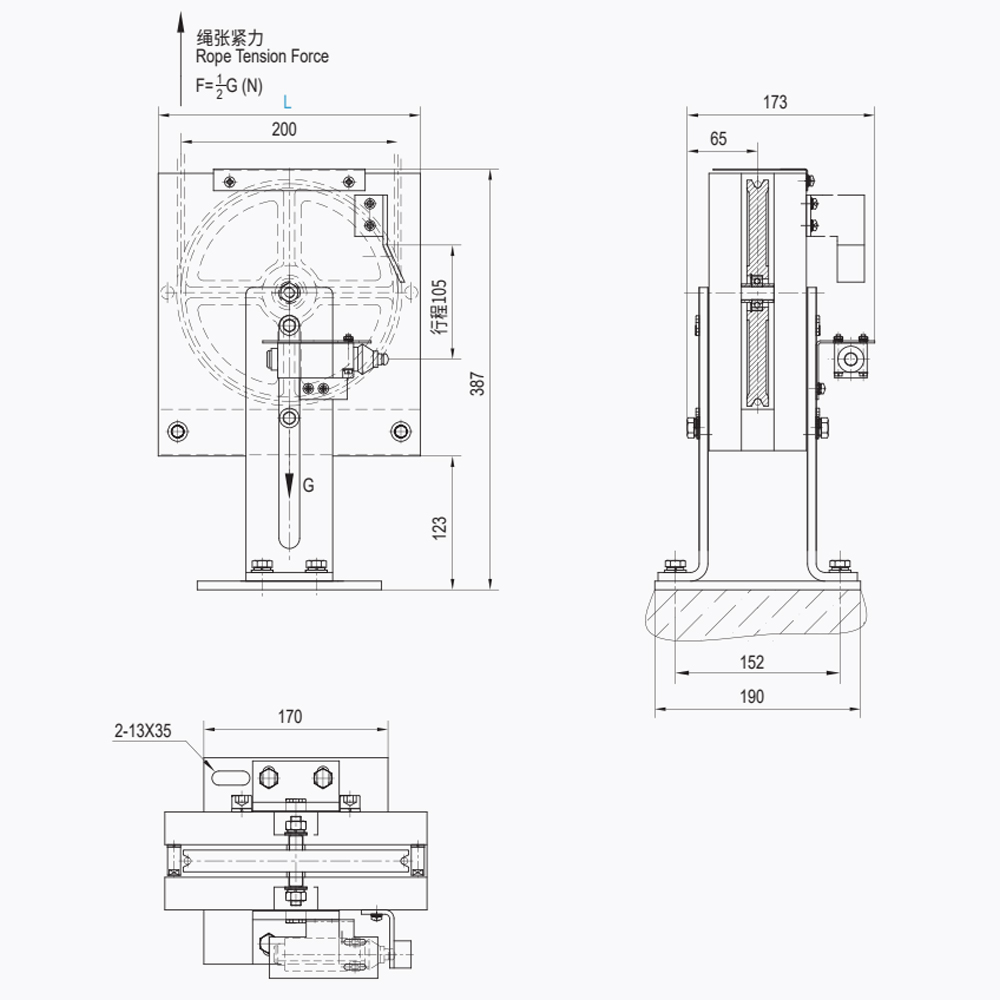
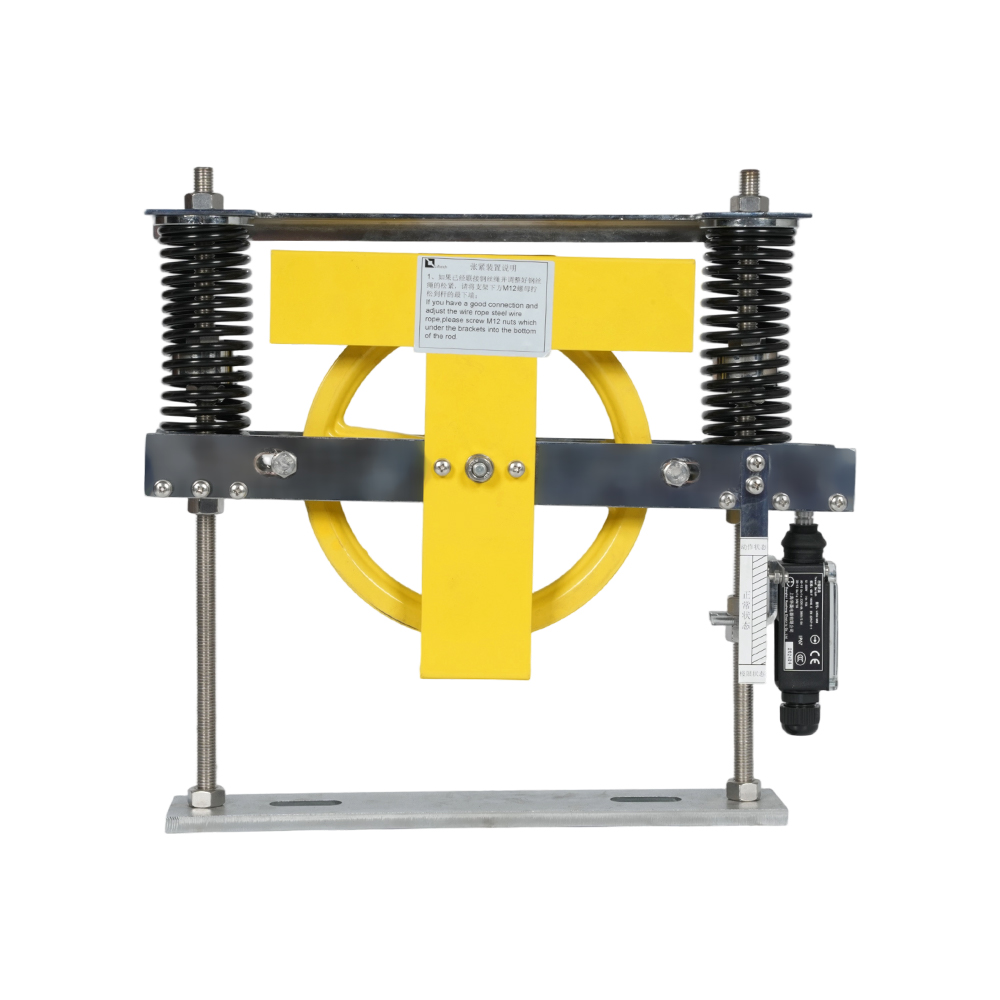
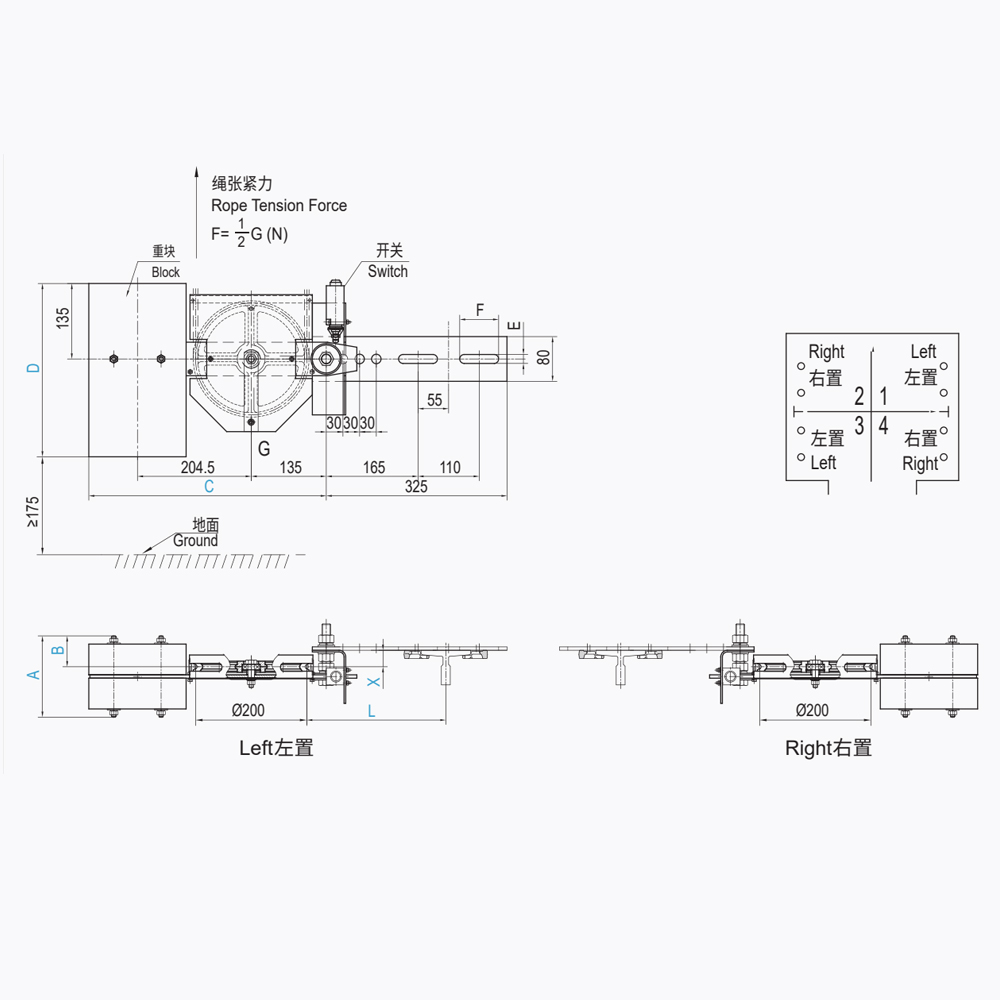
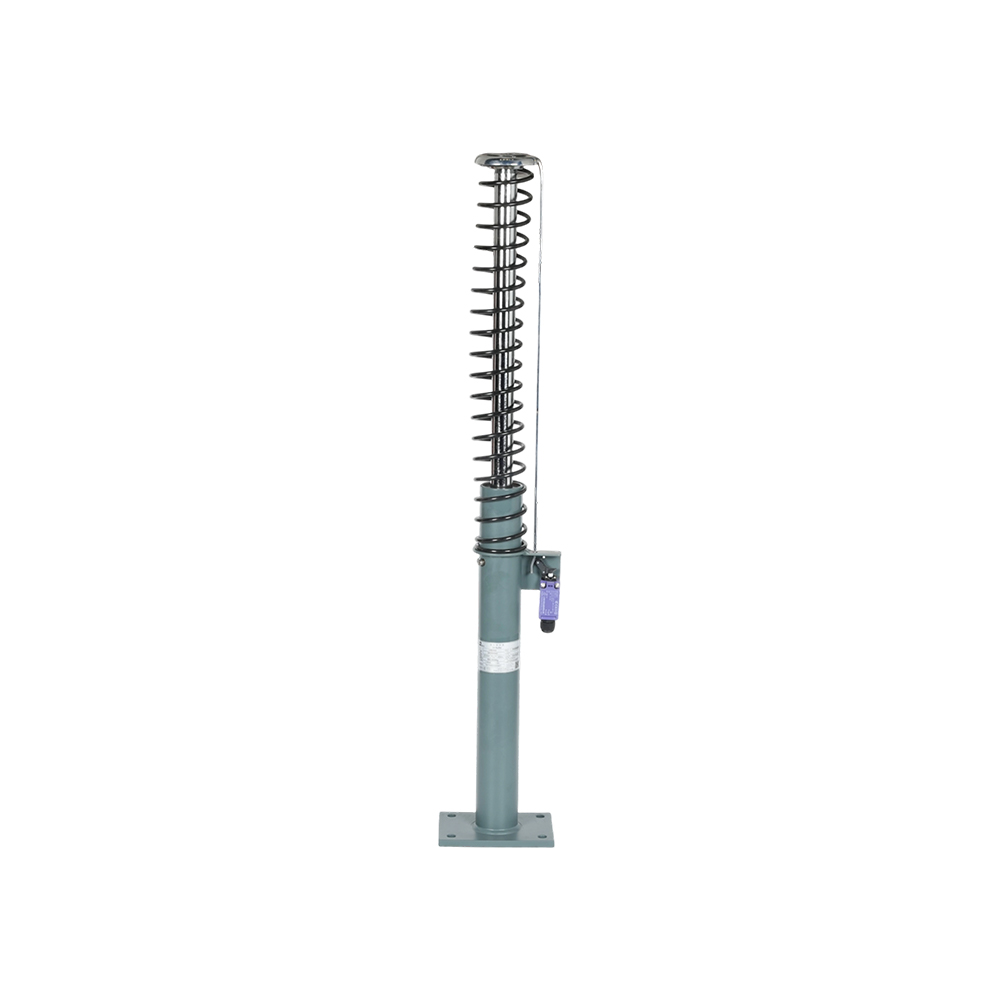
The fragmentation of the safety component supply chain creates significant hidden costs and risks for elevator projects. Engineering teams must spend time verifying the compatibility of disparate parts—ensuring the governor's pull force is sufficient for the safety gear, the linkage geometry is correct, and the buffer energy ratings align. This process is prone to error, especially when dealing with components from different generations or regions. Logistically, managing multiple orders, shipments, and suppliers is inefficient. If a problem arises during installation or commissioning, suppliers may engage in finger-pointing, leaving the installer to diagnose interface issues. For the final building owner, a system built from unmatched parts may have inconsistent certification documentation, complicating regulatory approvals and insurance. Our Complete Safety Package Solution directly addresses these pain points. We solve the compatibility problem by performing the system integration engineering in-house. Our packages are built around matched components whose performance parameters are aligned from the outset. We solve the procurement and logistics headache by providing a single order, a coordinated shipment, and one invoice. We eliminate the responsibility ambiguity by being the single point of contact for all technical and warranty matters related to the safety system. For the installer, it reduces on-site troubleshooting time because the components are designed to fit and work together. For the project owner, it delivers a cohesive system with unified certification and documentation, simplifying the path to regulatory sign-off and providing greater long-term maintainability through a clear parts ecosystem.
Complete Elevator Safety Package Solutions
-- Steady & Reliable Manufacturer --
A Complete Elevator Safety Package Solution represents a holistic approach to elevator safety, moving beyond the procurement of individual components to the supply of a fully integrated, compatible, and certified system. This package typically includes all the mechanical devices mandated by safety codes to arrest an elevator in an emergency: the car safety gear, overspeed governor, buffers (for both car and counterweight where required), and the interconnecting safety linkage. The core value proposition lies in the pre-engineering and compatibility assurance. Instead of sourcing a gear from one supplier, a governor from another, and buffers from a third—each with its own specifications, lead times, and documentation—the package provides a single-source solution where all elements are selected and sometimes even pre-adjusted to work together for a defined elevator configuration (specific load, speed, and travel). This approach is underpinned by system-level calculations that ensure the kinetic energy management is coherent: the governor trips at the correct speed to allow sufficient stopping distance for the safety gear, and the buffers are sized to absorb any residual energy. For the customer, whether an elevator OEM, a modernization contractor, or an end-user project manager, this simplifies procurement, reduces engineering overhead, minimizes compatibility risks, and provides a single point of technical responsibility. The package is often complemented by comprehensive documentation, including a consolidated technical file, overall system layout drawings, and a unified set of installation and adjustment instructions. This strategy is particularly advantageous for standard elevator models, common modernization scenarios, and export projects where local technical support for multiple component brands may be limited.
Recommended Products
The Key Problem We Solve
Typical Applications
- Elevator Original Equipment Manufacturers (OEMs) integrating safety systems into new elevator designs.
- Elevator modernization and retrofit companies undertaking comprehensive safety upgrades.
- Architects and consultants specifying elevator packages for new building projects.
- Direct procurement by large property developers or facility managers for specific projects.
- Export projects to regions where sourcing individual components locally is difficult or quality is inconsistent.
- Standardization programs for elevator maintenance companies seeking consistent, reliable parts kits for common models.
Product Advantages
| Standard Package Inclusions | Car Safety Gear, Overspeed Governor, Car Buffer, Safety Linkage Assembly, Mounting Hardware. |
| Extended Package Inclusions | Standard + Counterweight Safety Gear, Counterweight Buffer, Governor Rope, Tensioning Device. |
| Configuration Basis | Defined by elevator's rated load (kg), rated speed (m/s), travel (m), and guide rail type. |
| Certification Level | All individual components carry required certification (CE, ASME, etc.); package may include a system conformity statement. |
| Engineering Outputs | System layout drawing, bill of materials, installation manual, individual component certificates. |
Selection & Compliance Considerations
Selecting a Complete Safety Package requires providing the supplier with precise and complete elevator data. This is not a generic off-the-shelf product but a configured solution. Essential information includes: Car tare weight and rated load, rated speed, total travel height, guide rail profile (e.g., T89, T127), and whether the application is for passenger or freight service. For freight, indicate the nature of the cargo. Specify any special requirements: seismic zone, corrosive environment, need for UCMP compliance, or preference for low-noise components. The supplier will use this data to select the appropriate models from their component portfolio and perform any necessary system calculations (like kinetic energy for buffer sizing). It is crucial to review the proposed package's bill of materials and drawings to confirm it matches your car frame design and hoistway layout. Clarify what is excluded: often, guide rails, installation labor, and the final commissioning are not part of the package scope. Understand the warranty and support structure—does it cover the system as a whole? Finally, for projects in regulated markets, ensure the package documentation includes all necessary Declarations of Conformity for the individual components, as these are the legal basis for compliance.
FAQ
- Q: What are the cost implications of buying a package vs. individual components?
- A: The initial purchase price of a package is often comparable to or slightly less than the sum of the individual high-quality components due to volume pricing and reduced sales overhead. However, the true cost savings are in the total project cost. These savings come from: 1) Reduced engineering time for compatibility checks. 2) Lower procurement administrative costs (one PO vs. several). 3) Fewer shipping and handling fees. 4) Reduced risk of installation errors and delays due to mismatched parts. 5) Minimized risk of future finger-pointing between component suppliers. When evaluating cost, consider the entire project lifecycle, not just the component invoice.
- Q: Can a safety package be customized for a non-standard or one-off elevator project?
- A: Absolutely. While standard packages exist for common configurations, a key service from package providers is custom configuration. Based on your unique parameters, they will select the appropriate models from their range, which may include heavy-duty, high-speed, or compact variants. For highly unique projects (e.g., a stage lift, a lift with an unusual guide system), the package may form the basis, but additional custom engineering for brackets or interfaces might be required. The package provider acts as the systems integrator, managing that customization process for the safety system.
- Q: Who is responsible for installing and commissioning the safety package?
- A: Typically, the installation and physical integration of the safety components into the elevator car frame, counterweight, and hoistway is the responsibility of the elevator installer or contractor. The package supplier provides the components, detailed drawings, and instructions. Commissioning—the functional testing and adjustment of the installed safety system—is also usually the installer's responsibility, following the supplier's procedures. However, the package supplier provides technical support during this phase. For complex projects, on-site supervision or commissioning support from the package supplier's engineers can often be arranged as a separate service.
About Us
Shanghai Liftech Elevator Accessories Co., Ltd.
Founded in 2004, Shanghai Liftech Elevator Accessories Co., Ltd. is a specialized enterprise dedicated to the R&D, manufacturing, testing, and sales of elevator safety components. With over two decades of sustained development, Liftech has established itself as a leading manufacturer in China's elevator safety sector, providing high-quality products and solutions to a wide range of major elevator brands and engineering clients across domestic and international markets. We are ,China Wholesale Complete Elevator Safety Package Solutions Suppliers and Complete Elevator Safety Package Solutions OEM/ODM Manufacturers
For over 20 years, LIFTECH (est. 2004) has been a trusted force in the R&D, manufacturing, and full lifecycle support of premium elevator safety components.
Material Selection Guide
| Package Tier / Application | Core Components | Enhanced Features | Basic Package (Standard Passenger) | Progressive Safety Gear, Governor, Oil Buffer, Linkage. | Pre-set components, standard documentation. |
| Advanced Package (UCMP Ready / High-Speed) | Bi-directional or dual governor, matched safety gear & buffers, reinforced linkage. | System calculation report, CAD models, pre-assembled sub-kits. | |||
| Freight / Industrial Package | Heavy-duty safety gear (prog. or inst.), high-capacity buffers, robust governor. | Corrosion-resistant finishes, enhanced wear parts, load calculation for variable cargo. | |||
| Modernization Retrofit Kit | Components plus custom adapter brackets, extended linkage rods, detailed retrofit manual. | Pre-site survey support, installation video guide, post-installation check sheet. |

