

 English
 中文简体
中文简体 русский
 Español
 Deutsch


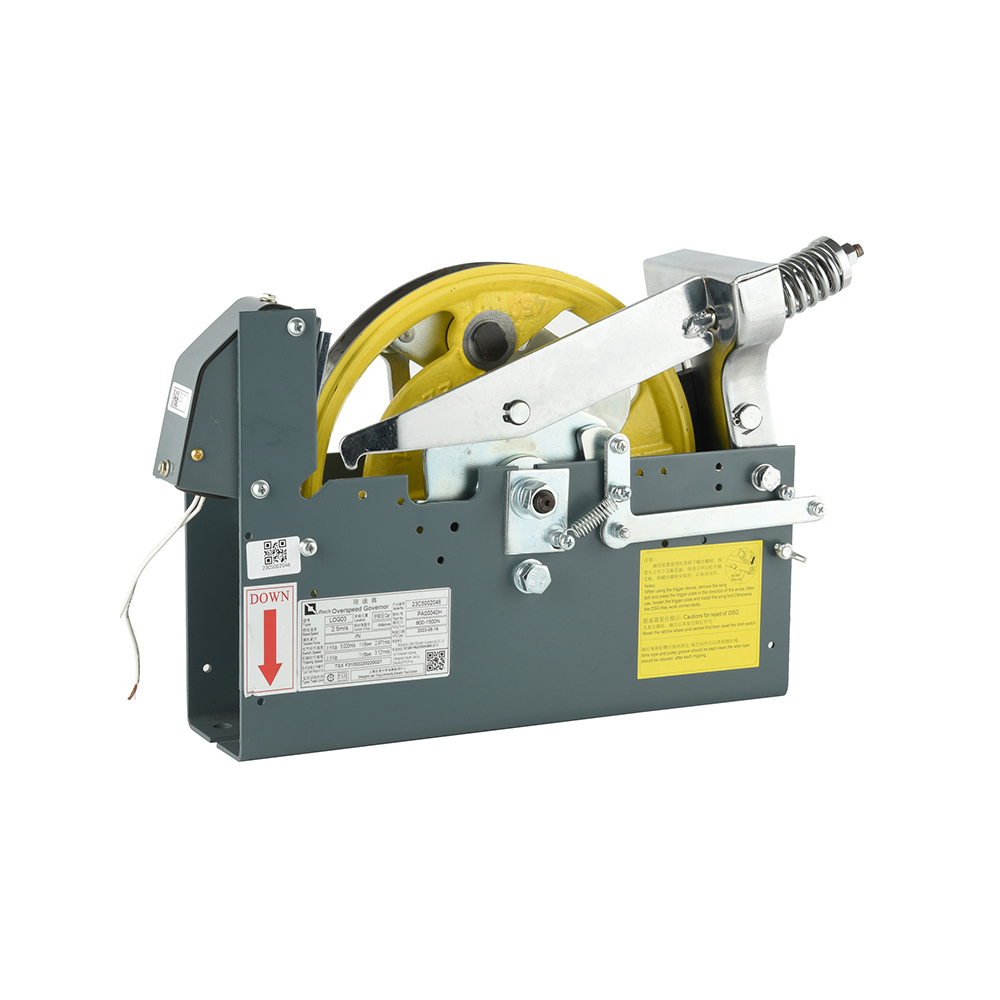
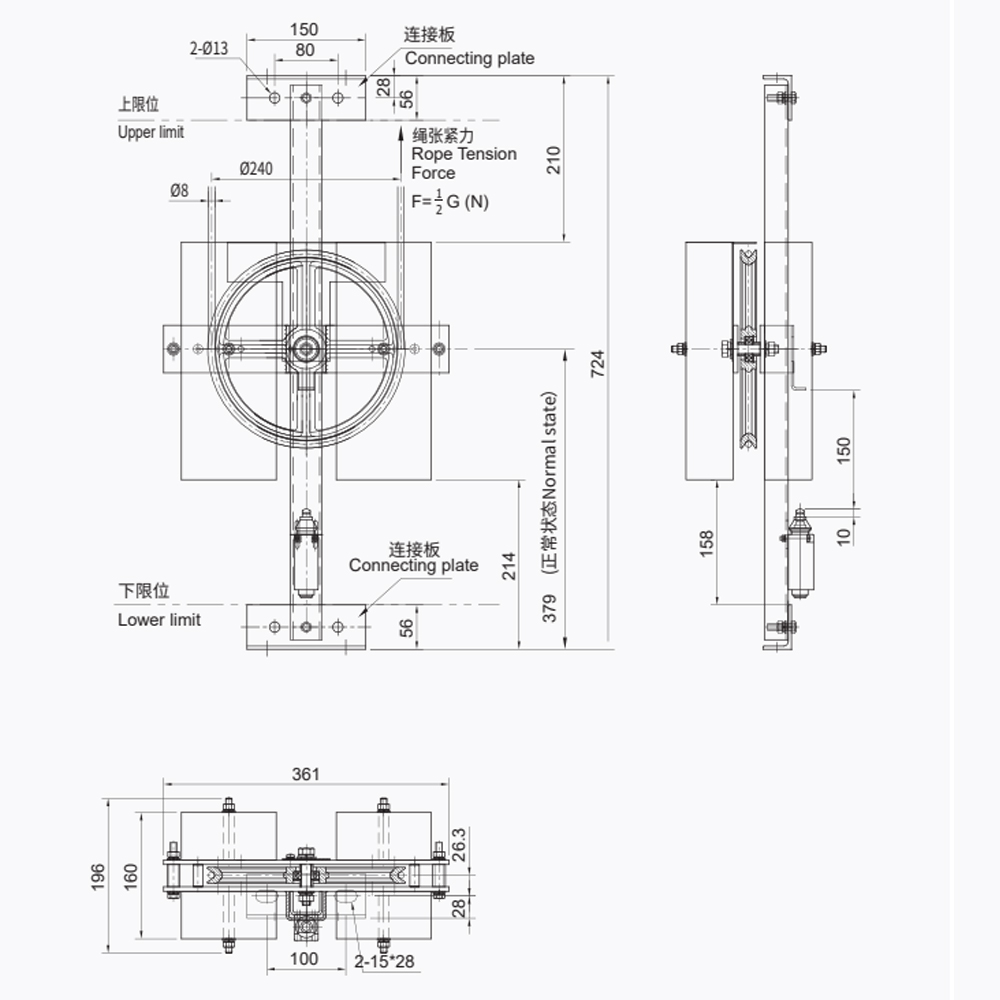
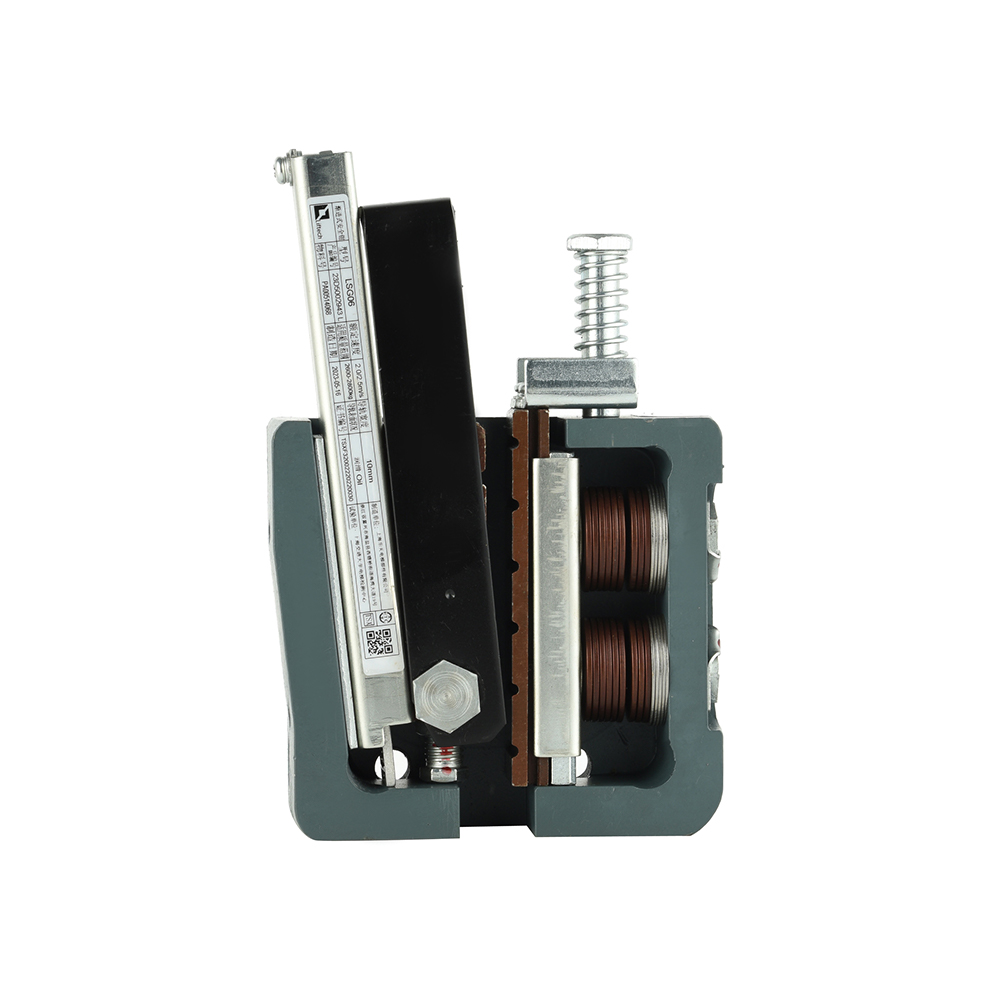
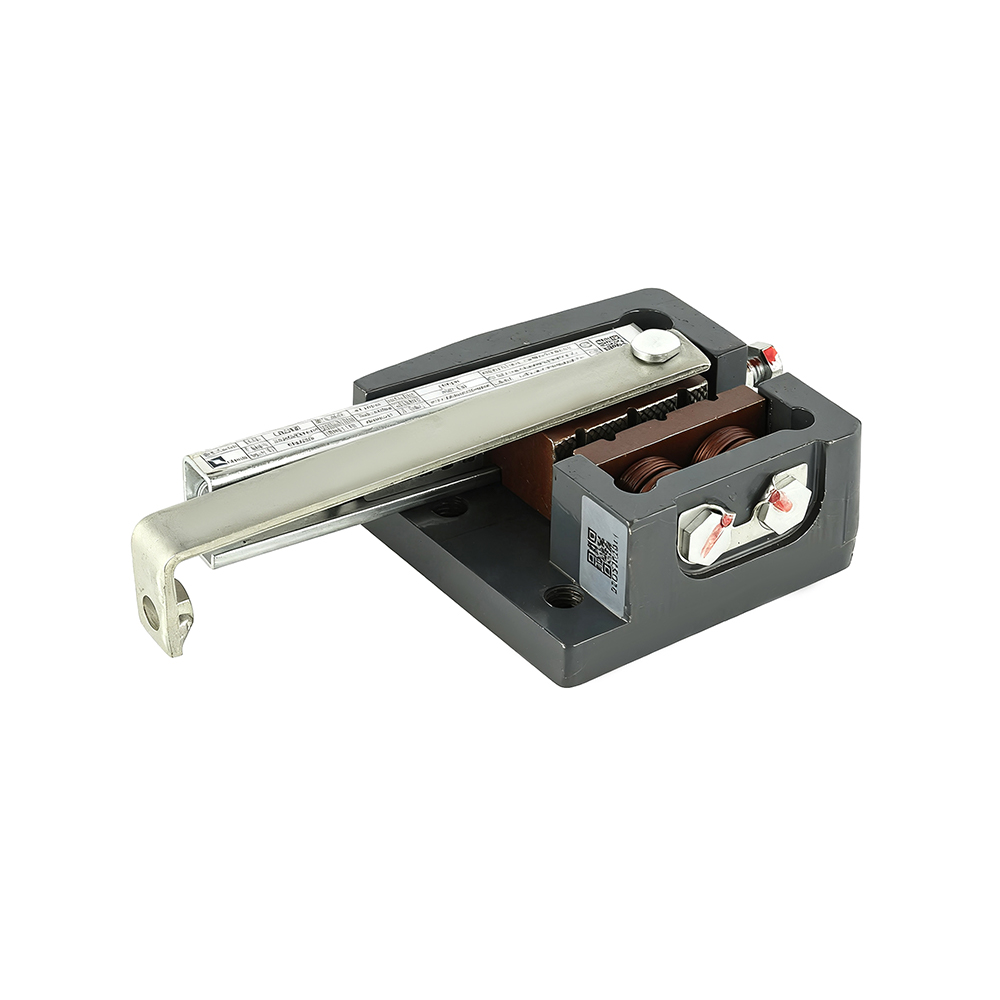
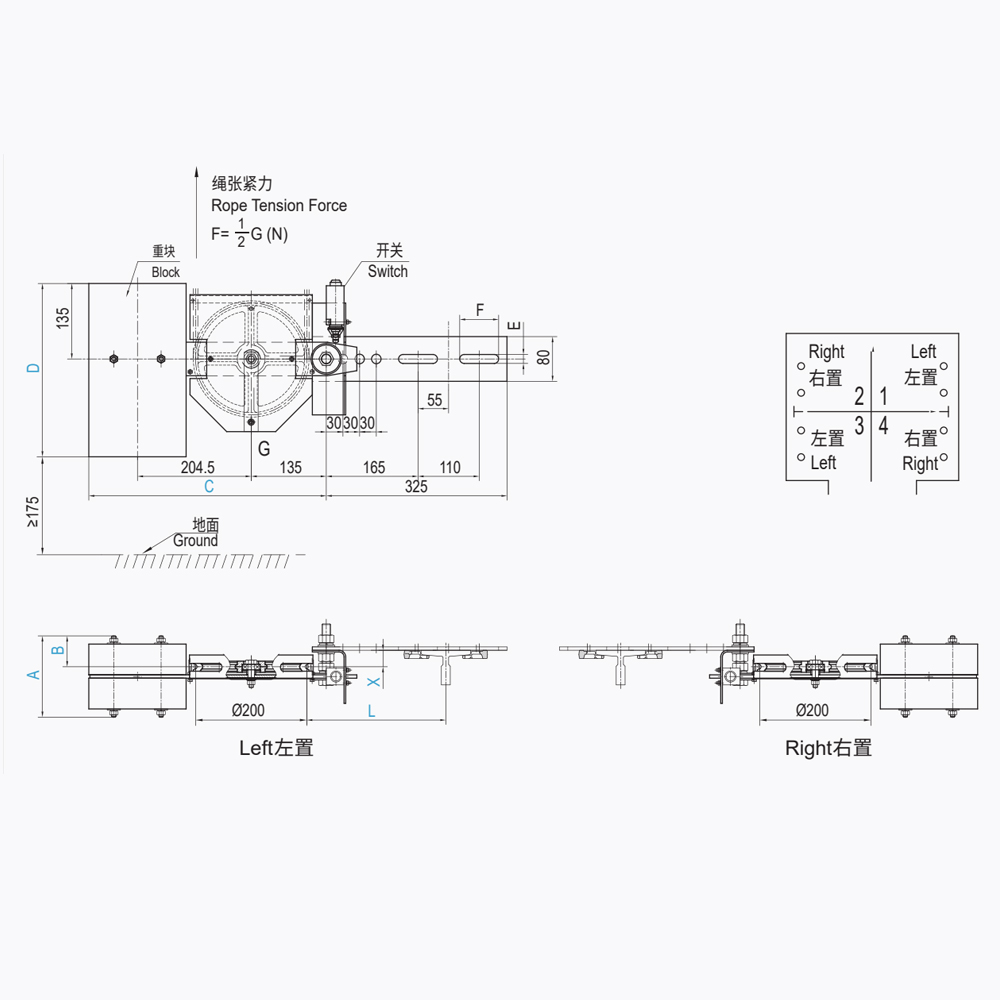
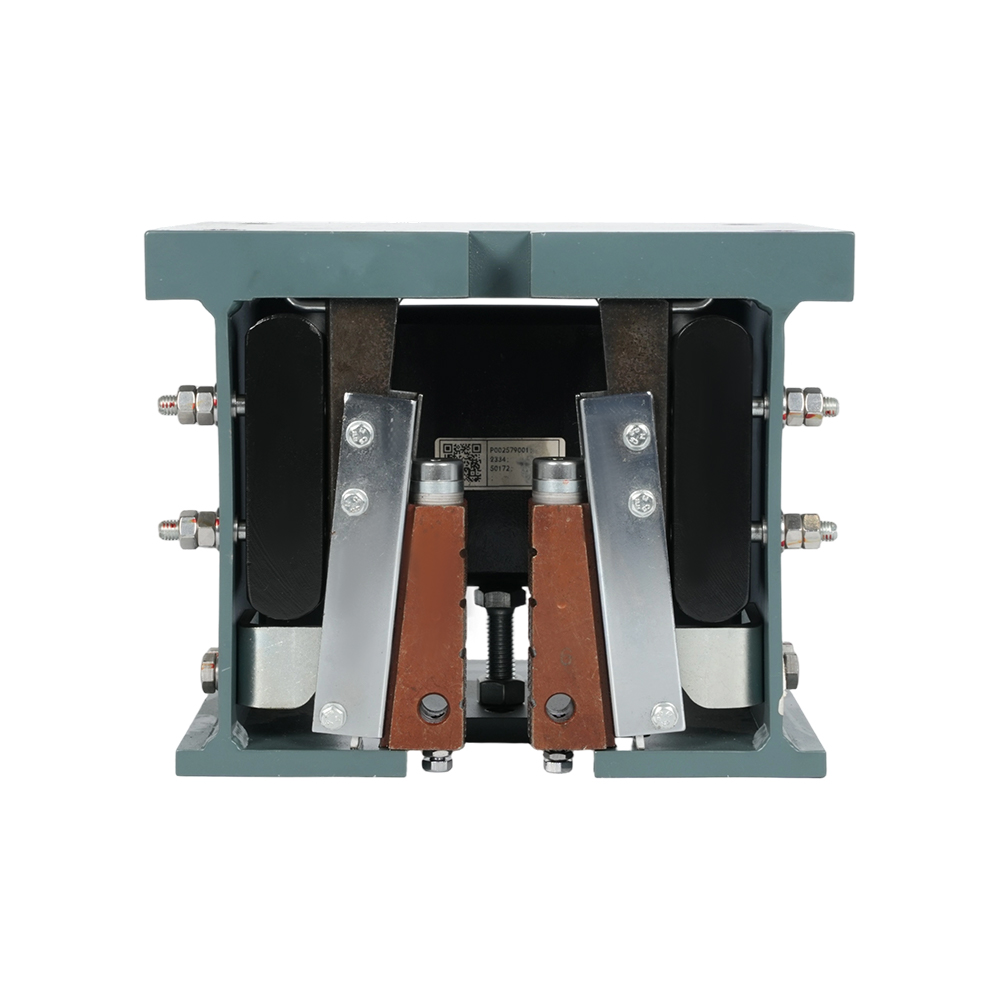
Traditional elevator safety components are designed for machine room (MR) installations with ample space for mounting, adjustment, and maintenance. In an MRL elevator, this space simply does not exist. Attempting to fit standard, bulky components into the hoistway results in installation difficulties, interference with other systems, and compromised maintenance access. Furthermore, the weight and inertia of standard components can negatively impact the efficiency of the gearless traction machine. The core problem is adapting proven safety technology to a radically different physical layout without compromising performance or reliability. MRL-optimized safety parts solve this spatial and integration challenge. They provide full code-compliant safety functionality in packages that fit seamlessly into the tight confines of the hoistway, are designed for easy integration with MRL machine packages, and facilitate maintenance from within the car top or through strategically placed hoistway access panels, thereby making the benefits of MRL elevator technology achievable without any sacrifice in safety system integrity.
Machine Roomless (MRL) Elevator Safety Parts
-- Steady & Reliable Manufacturer --
Machine Roomless (MRL) elevator safety parts are specifically engineered variants of traditional safety components—overspeed governors, safety gears, and buffers—that are optimized for installation within the constrained space of the elevator hoistway, eliminating the need for a dedicated machine room. This design paradigm demands compactness, lightweight construction, and often innovative mounting configurations. MRL governors are typically smaller in diameter and may be designed for direct mounting on the hoist machine or within the hoistway wall, featuring low-friction mechanisms to minimize power consumption from the regenerative drive system. MRL safety gears are often more streamlined and may be integrated with the car frame or guide shoe assembly to save space. Buffers are designed with minimal overhead and stroke requirements to fit into shallow pits. The materials and finishes must also withstand the potentially less controlled environment of the hoistway compared to a protected machine room. These components retain all the critical safety functions and certifications of their conventional counterparts but are re-imagined from a spatial and integration perspective to enable the architectural and economic benefits of the MRL elevator, which include greater design flexibility, reduced building costs, and improved energy efficiency.
Recommended Products
The Key Problem We Solve
Typical Applications
- New construction projects seeking to maximize net leasable area by eliminating the machine room.
- Building retrofits and modernizations where adding a machine room is structurally or economically impractical.
- Low to mid-rise commercial, residential, and hotel buildings where MRL technology is the market standard.
- Elevators in existing shafts where space above the hoistway is limited.
- Applications where a clean, minimalist architectural aesthetic is desired for the rooftop or penthouse level.
Product Advantages
| Compact Design | Governor sheave diameter typically ≤ 400mm; safety gear profiles designed for minimal projection from car frame. |
| Weight Optimization | Use of aluminum alloys or high-strength composites where possible to reduce moving mass and inertia. |
| Mounting Flexibility | Governors with multiple mounting options (side-wall, machine-integrated); safety gears with low-profile mounting brackets. |
| Environmental Suitability | Components rated for wider temperature ranges and higher humidity levels common in hoistways. |
| Maintenance Accessibility | Designed for adjustment and inspection from car top or through limited access hatches. |
| Compliance | Meet all safety requirements of EN 81-20/50 and ASME A17.1 for MRL applications, with specific type-testing for compact configurations. |
Selection & Compliance Considerations
Selection must be coordinated with the chosen MRL drive package manufacturer. Verify dimensional compatibility and mounting interface details between the safety components and the machine/car frame. Pay close attention to the available space in the overhead and pit areas for governor and buffer installation. The governor rope length and path must be carefully planned in the confined hoistway. Ensure that all components are specifically certified for MRL use, as some standards have specific clauses for hoistway-mounted equipment. Consider the ease of future maintenance; components should be accessible without requiring complete disassembly of other systems. For projects in noisy environments, consider the acoustic profile of the components, as they are now located directly within the building envelope.
FAQ
- Q: Are MRL safety parts as safe as traditional machine room parts? A> Yes, absolutely. MRL safety components undergo the same rigorous type-testing and certification processes (e.g., EN 81-20/50) as traditional parts. The safety principle (centrifugal governor triggering a safety gear) is identical. The difference is purely in the packaging and mounting to suit the space constraints. Their performance in stopping the elevator is held to the same strict deceleration and force limits.
- Q: How is the governor maintained if it's in the hoistway? A> Maintenance is performed from the top of the elevator car when it is positioned at the highest landing, providing access to the governor and its linkage. Modern MRL governors are designed for minimal maintenance, often featuring sealed bearings and corrosion-resistant materials. Adjustment points are accessible from this position. Safe working procedures for car top maintenance are strictly followed.
- Q: Can MRL safety parts be used to retrofit an old elevator with a machine room? A> Technically possible, but not usually the goal. The retrofit would involve removing the old machine and governor, which defeats the purpose. However, compact MRL-style components can be beneficial in a standard hoistway if space is exceptionally tight for other reasons. The key is ensuring the new components are compatible with the existing car frame, rails, and control system, and that their certification is valid for the application.
- Q: Do MRL elevators use different types of buffers? A> They often use the same types (oil or spring) but in more compact form factors. "Short-stroke" oil buffers or compact polyurethane buffers are popular for MRL applications to minimize the required pit depth. The energy capacity is calculated based on the elevator's rated load and speed, just like a traditional elevator, ensuring equivalent safety performance.
About Us
Shanghai Liftech Elevator Accessories Co., Ltd.
Founded in 2004, Shanghai Liftech Elevator Accessories Co., Ltd. is a specialized enterprise dedicated to the R&D, manufacturing, testing, and sales of elevator safety components. With over two decades of sustained development, Liftech has established itself as a leading manufacturer in China's elevator safety sector, providing high-quality products and solutions to a wide range of major elevator brands and engineering clients across domestic and international markets. We are ,China Wholesale Machine Roomless (MRL) Elevator Safety Parts Suppliers and Machine Roomless (MRL) Elevator Safety Parts OEM/ODM Manufacturers
For over 20 years, LIFTECH (est. 2004) has been a trusted force in the R&D, manufacturing, and full lifecycle support of premium elevator safety components.
Material Selection Guide
| MRL Component | Material & Design Strategy for Space and Weight Saving |
| Governor Assembly | Housing: Die-cast aluminum or precision-stamped steel for light weight and strength. Sheave: Aluminum or composite sheave to reduce rotational inertia. Internal Mechanism: Miniaturized flyweights and springs made from high-strength alloys to maintain performance in a smaller footprint. |
| Safety Gear | Housing/Frame: Fabricated from high-tensile steel plate, optimized with cut-outs to reduce weight while maintaining rigidity. Jaws: Compact wedge design using high-density materials to achieve required braking force with less mass. |
| Buffers | Oil Buffer: Slim-line cylinder design. Use of high-energy-absorbing fluid to reduce required oil volume and stroke length. Spring/Poly Buffer: Compact, high-density energy-absorbing materials to minimize overall installed height. |
| Linkage | Rods & Levers: Lightweight tubular steel or aluminum rods where permissible by force calculations. |

