

 English
 中文简体
中文简体 русский
 Español
 Deutsch


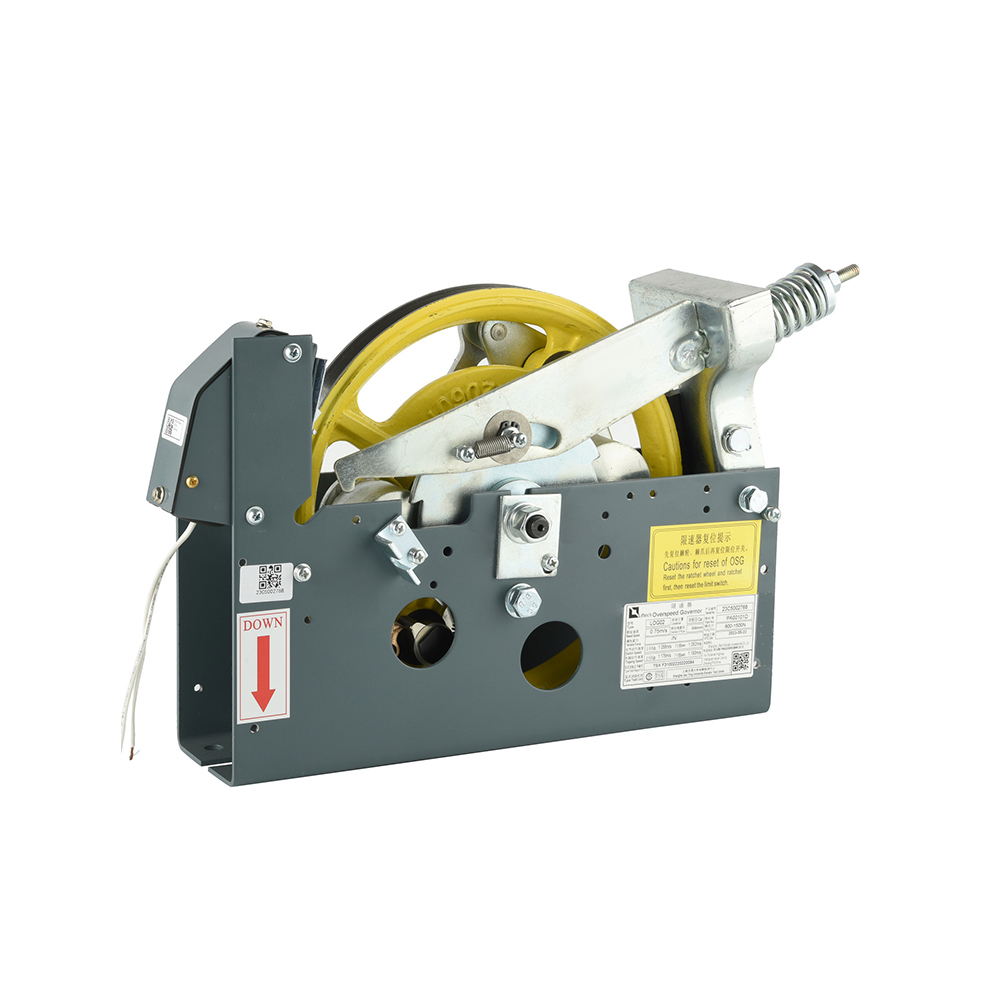
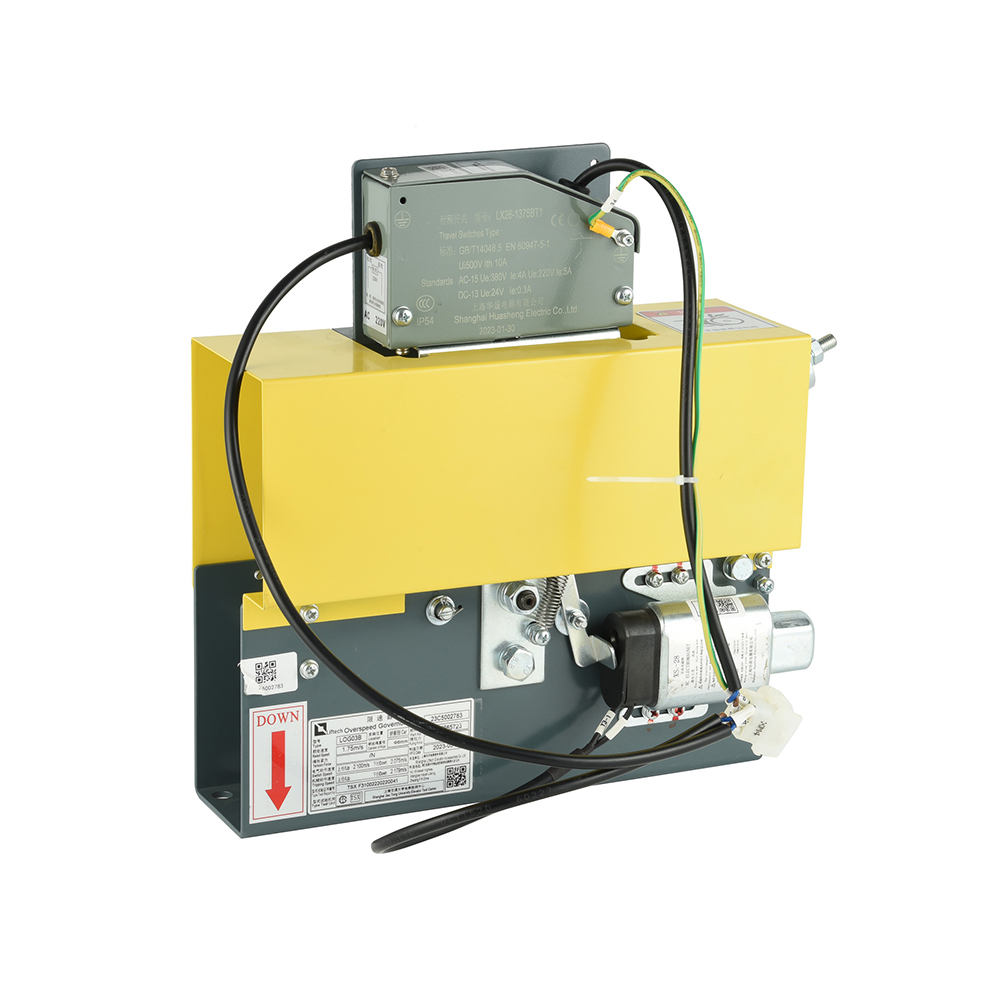
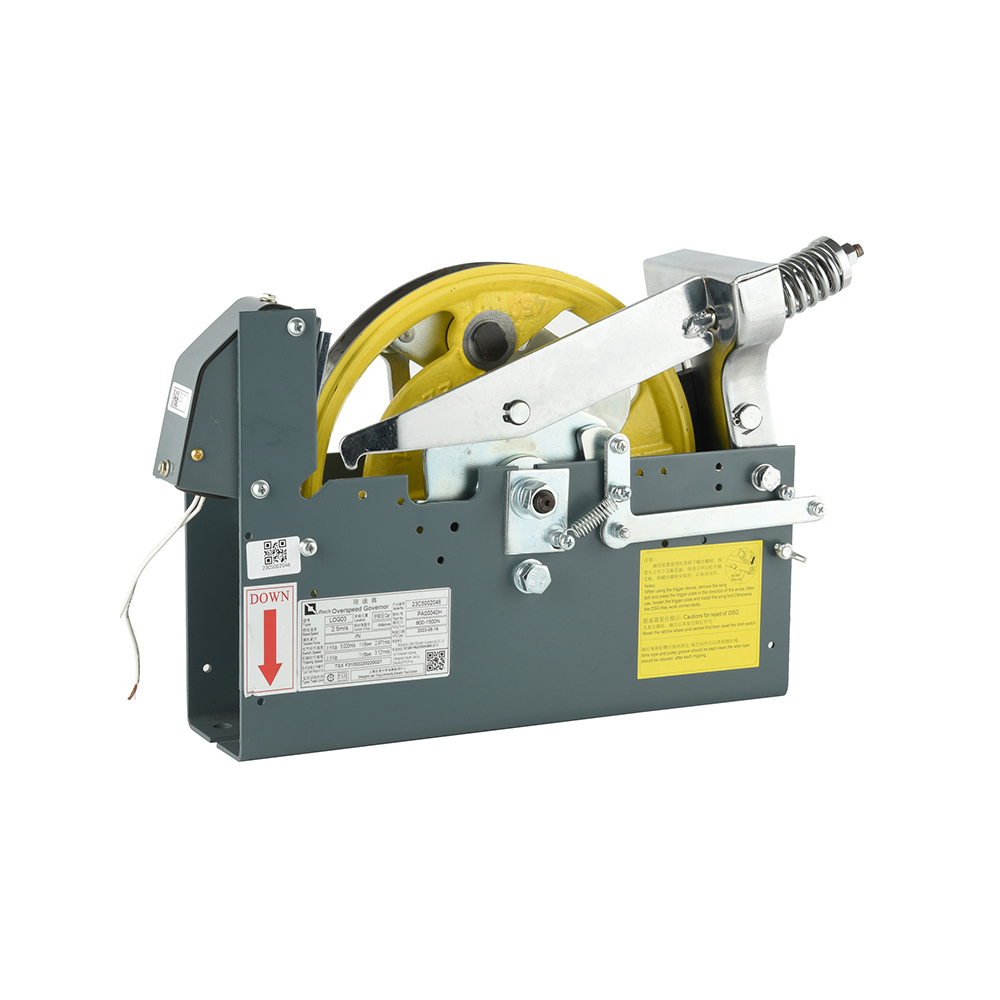
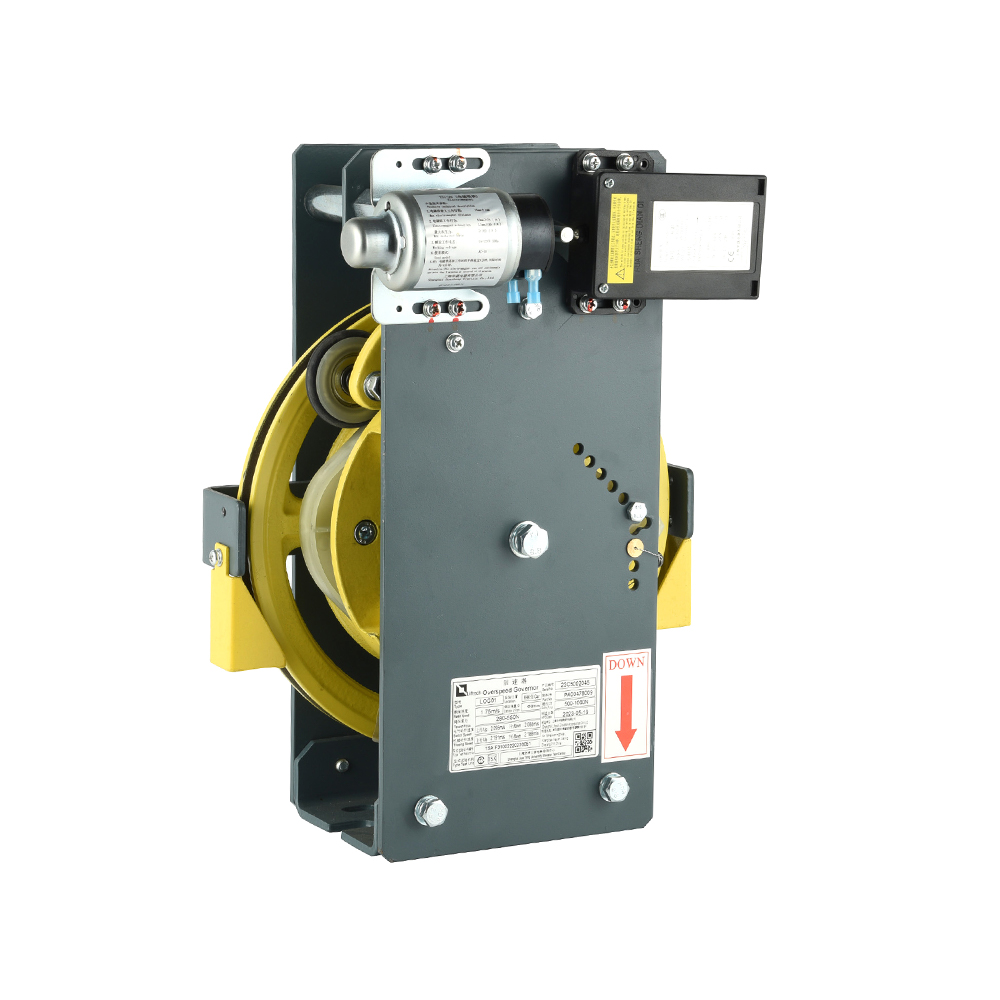
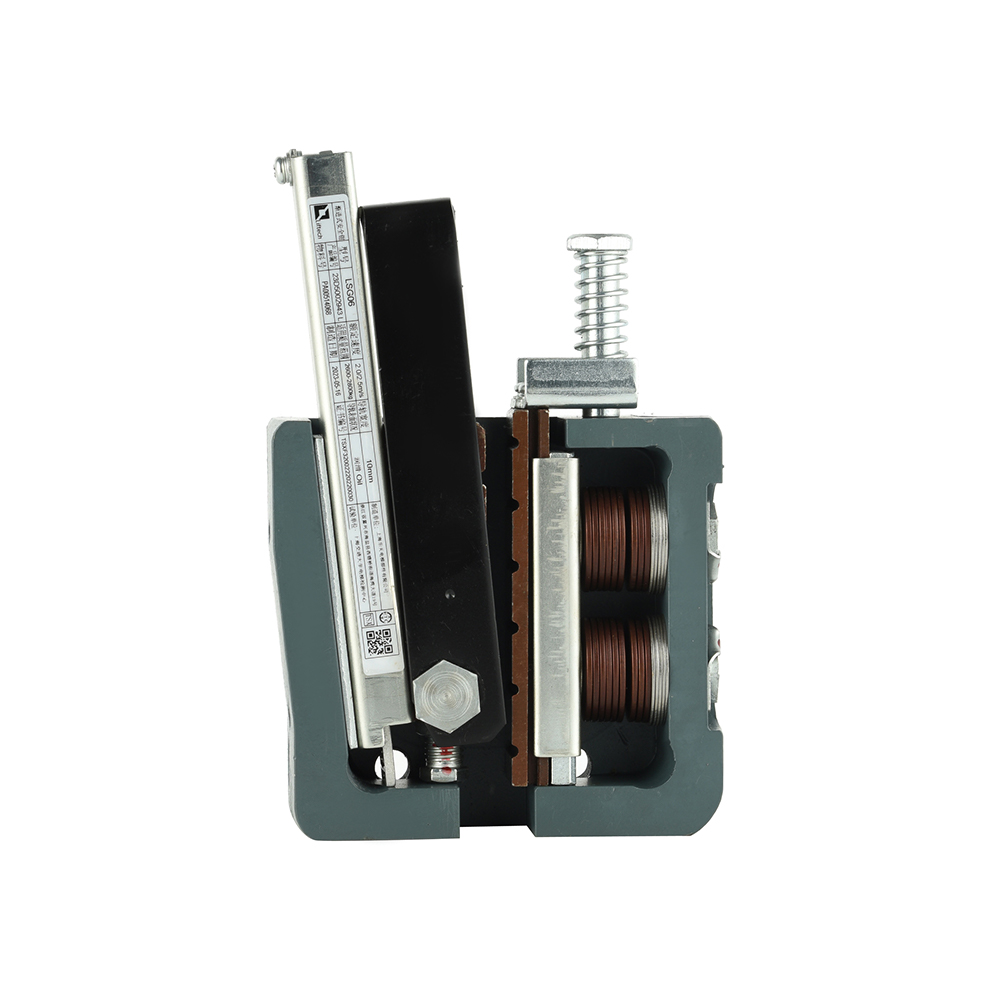
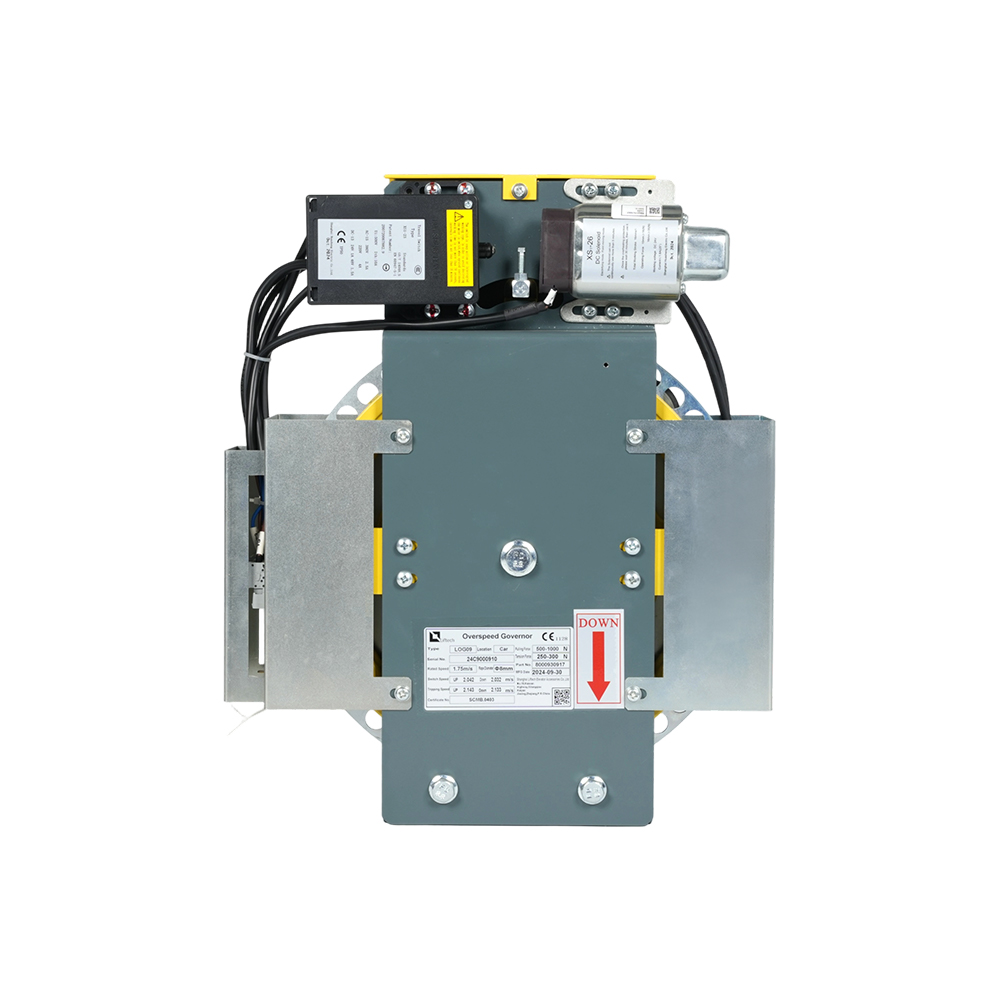
The shift towards MRL elevator systems, driven by space and cost savings in building design, creates a specific challenge: how to reliably house and maintain the critical overspeed governor outside the protected environment of a machine room. Standard MR governors are not suitable for direct hoistway installation due to their size, potential noise transmission, and lack of environmental sealing. Attempting to adapt them can lead to calibration drift from temperature changes, contamination of internal mechanisms, and difficult access for testing and maintenance. Conversely, using an MRL-specific governor in a traditional MR setup might be possible but could incur unnecessary cost for compactness features not needed. This mismatch can compromise the governor's performance—the cornerstone of elevator safety. Our dedicated MR and MRL governor parts solve this problem by providing purpose-designed solutions for each environment. For MRL applications, we supply governors with enhanced sealing (higher IP ratings), corrosion-resistant materials, and compact geometries that fit within strict hoistway clearances. Their designs account for heat buildup from nearby machinery in the shaft. For MR applications, we offer robust, service-friendly designs where maintainability and precise calibration over a long lifespan are prioritized. By offering the correct part for the specific installation context, we ensure that the governor performs its vital monitoring function with the intended reliability, regardless of whether it operates in a climate-controlled room or within the dynamic environment of the elevator shaft itself, thereby preserving the integrity of the entire safety system.
Machine Room and Machine Roomless Governor Parts
-- Steady & Reliable Manufacturer --
The evolution of elevator design has bifurcated governor technology into two distinct installation categories: traditional Machine Room (MR) and modern Machine Roomless (MRL) systems. While the core centrifugal overspeed detection principle remains unchanged, the form factor, mounting configuration, and environmental operating conditions differ substantially. MR governor parts are designed for installation in a dedicated, controlled environment—the machine room—where space is less constrained, allowing for larger housings and potentially more accessible maintenance points. In contrast, MRL governor parts are engineered for compactness and resilience, as they are mounted directly within the elevator hoistway, exposed to greater temperature fluctuations, potential dust, and limited physical access. This category encompasses not just the complete governor units, but also the critical wear components, mounting hardware, and interface parts specific to each system type. For MR systems, this includes standard base plates, pulley systems for governor rope diversion, and traditional linkage connections. For MRL systems, it includes low-profile governor housings, integrated mounting brackets that attach to guide rails or hoistway walls, and often, compact rope tensioning devices. The selection between MR and MRL governor parts is fundamentally dictated by the architectural design of the building and the chosen elevator drive technology. Understanding the specific requirements and constraints of each installation type is crucial for ensuring the governor's reliability, accurate calibration, and long-term serviceability, as it remains the irreplaceable mechanical initiator of the elevator's primary safety chain regardless of its location.
Recommended Products
The Key Problem We Solve
Typical Applications
- New construction projects selecting between traditional machine room (MR) or machine roomless (MRL) elevator designs.
- Modernization projects converting an existing MR elevator to an MRL system, requiring a full governor replacement.
- Replacement of worn or obsolete governor components (sheaves, switches, bearings) in both MR and MRL installations.
- Architectural projects with space constraints that mandate the use of compact MRL governor units.
- Maintenance and spare parts procurement for building portfolios containing a mix of MR and MRL elevator types.
Product Advantages
| Installation Type | Machine Room (MR) or Machine Roomless (MRL). Determines form factor and environmental rating. |
| Key Differentiator | MR: Larger, service-oriented design. MRL: Compact, sealed, hoistway-rated design. |
| Typical Mounting | MR: On wall or structural beam in machine room. MRL: On guide rail or hoistway wall within shaft. |
| Environmental Protection (IP Rating) | MR: Typically IP20-IP40. MRL: Minimum IP54, often IP65 for dust/moisture resistance. |
| Governor Rope Path | MR: May use diversion pulleys to reach car. MRL: Often direct vertical or minimal diversion path. |
| Common Components | Governor sheave, flyweight assembly, tripping switch, housing, mounting bracket, bearings. |
Selection & Compliance Considerations
The selection between MR and MRL governor parts is a foundational decision dictated by the elevator's overall design. For new installations, consult the elevator manufacturer's specifications. For modernizations, a site survey must confirm the available space at the top of the hoistway for an MRL governor or the existence of a machine room. When selecting MRL parts, pay close attention to the IP rating; a rating of IP54 or higher is standard to protect against dust and water splashes within the shaft. Verify the physical dimensions against the available clearances in the hoistway, considering required maintenance access space. The governor rope path must be planned to avoid sharp bends and ensure proper tension; MRL systems often have integrated tensioners. For both types, ensure the governor's speed rating encompasses the elevator's rated speed and that the tripping speed can be accurately set to the required value (e.g., 115% of rated speed). Consider future maintenance: MR governors are generally easier to access for switch replacement or calibration checks. If the MRL governor is in a hard-to-reach location, inquire about extended service intervals or the availability of long-life components (e.g., ceramic bearings, sealed switches). Always specify that components must be certified (CE, ASME) for the target market, regardless of installation type.
FAQ
- Q: Can I retrofit an MRL governor into an existing elevator that has a machine room?
- A: Technically, yes, an MRL governor can be installed in a machine room, as it is designed for harsher conditions. However, this is often not cost-effective, as you are paying for compactness and environmental sealing features that are unnecessary in a controlled machine room environment. It is usually more economical and service-friendly to use a standard MR governor designed for that application. The reverse—installing an MR governor in an MRL hoistway—is not recommended and likely non-compliant due to inadequate environmental protection.
- Q: How does the lack of a machine room affect governor maintenance and testing?
- A: MRL governors require maintenance planning from the outset. Since they are located in the hoistway, accessing them typically requires taking the elevator out of service and working from the car top. This makes routine checks slightly more involved. To mitigate this, high-quality MRL governors are built for extended service intervals with sealed bearings and long-life switches. The functional trip test (required by regulation) is still performed but requires safe access procedures for the technician. Some modern MRL governors have diagnostic ports or indicators that can be read from the landing to reduce the frequency of physical inspections.
- Q: Are the internal working parts (flyweights, switch) different between MR and MRL governors?
- A: The core mechanical operating principle—centrifugal flyweights overcoming a spring to trigger a switch—is identical. The differences lie in the ancillary design. MRL governors often use hermetically sealed reed switches instead of open micro-switches to prevent dust ingress. They may use stainless steel or coated components for corrosion resistance. The bearings are typically higher grade and sealed for life. The housing is the most obvious difference: compact and sealed vs. larger and more accessible. So, while the function is the same, the components are often upgraded for durability in the MRL environment.
About Us
Shanghai Liftech Elevator Accessories Co., Ltd.
Founded in 2004, Shanghai Liftech Elevator Accessories Co., Ltd. is a specialized enterprise dedicated to the R&D, manufacturing, testing, and sales of elevator safety components. With over two decades of sustained development, Liftech has established itself as a leading manufacturer in China's elevator safety sector, providing high-quality products and solutions to a wide range of major elevator brands and engineering clients across domestic and international markets. We are ,China Wholesale Machine Room and Machine Roomless Governor Parts Suppliers and Machine Room and Machine Roomless Governor Parts OEM/ODM Manufacturers
For over 20 years, LIFTECH (est. 2004) has been a trusted force in the R&D, manufacturing, and full lifecycle support of premium elevator safety components.
Material Selection Guide
| Component | Machine Room (MR) Governor | Machine Roomless (MRL) Governor | Housing | Larger, sheet metal or cast aluminum, designed for heat dissipation and access. | Compact, cast aluminum or engineered polymer, sealed with gaskets (IP54/IP65). |
| Sheave & Bearings | Standard ductile iron sheave, greasable bearings. | Coated or stainless sheave, double-sealed or lifetime-lubricated bearings. | |||
| Tripping Switch | Industrial micro-switch with exposed lever. | Sealed reed switch or potted electronic sensor. | |||
| Shaft & Flyweights | Standard steel. | Stainless steel or coated components to resist humidity. | |||
| Mounting Bracket | Simple L-bracket or base plate. | Integrated bracket for guide rail or wall mounting, often with vibration damping. |

