

 English
 中文简体
中文简体 русский
 Español
 Deutsch


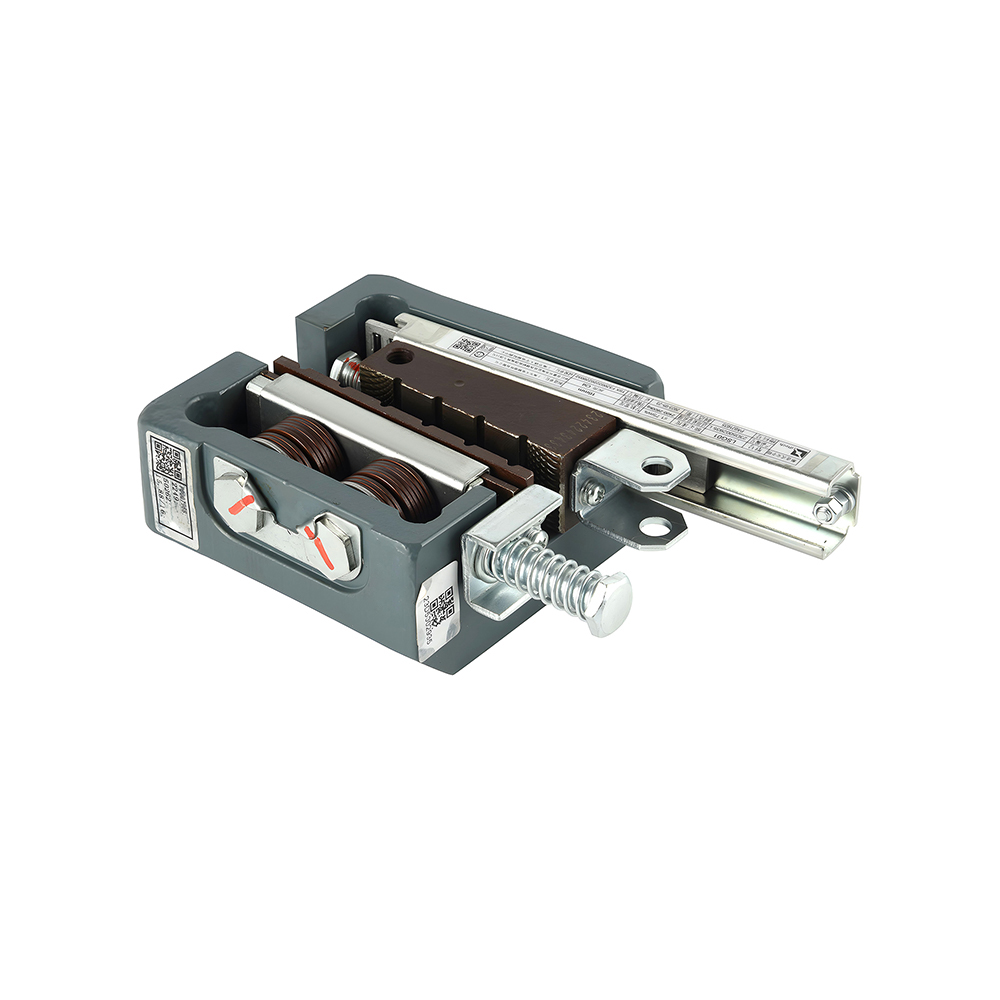
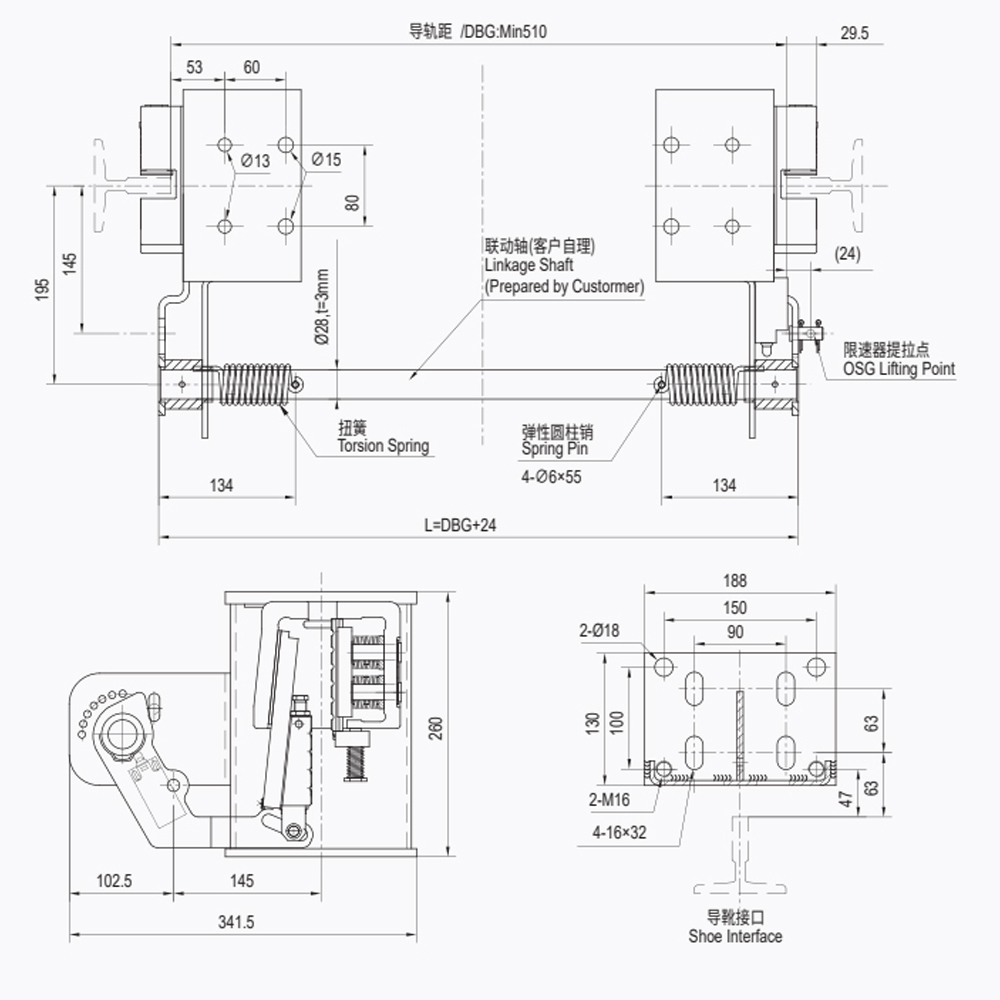
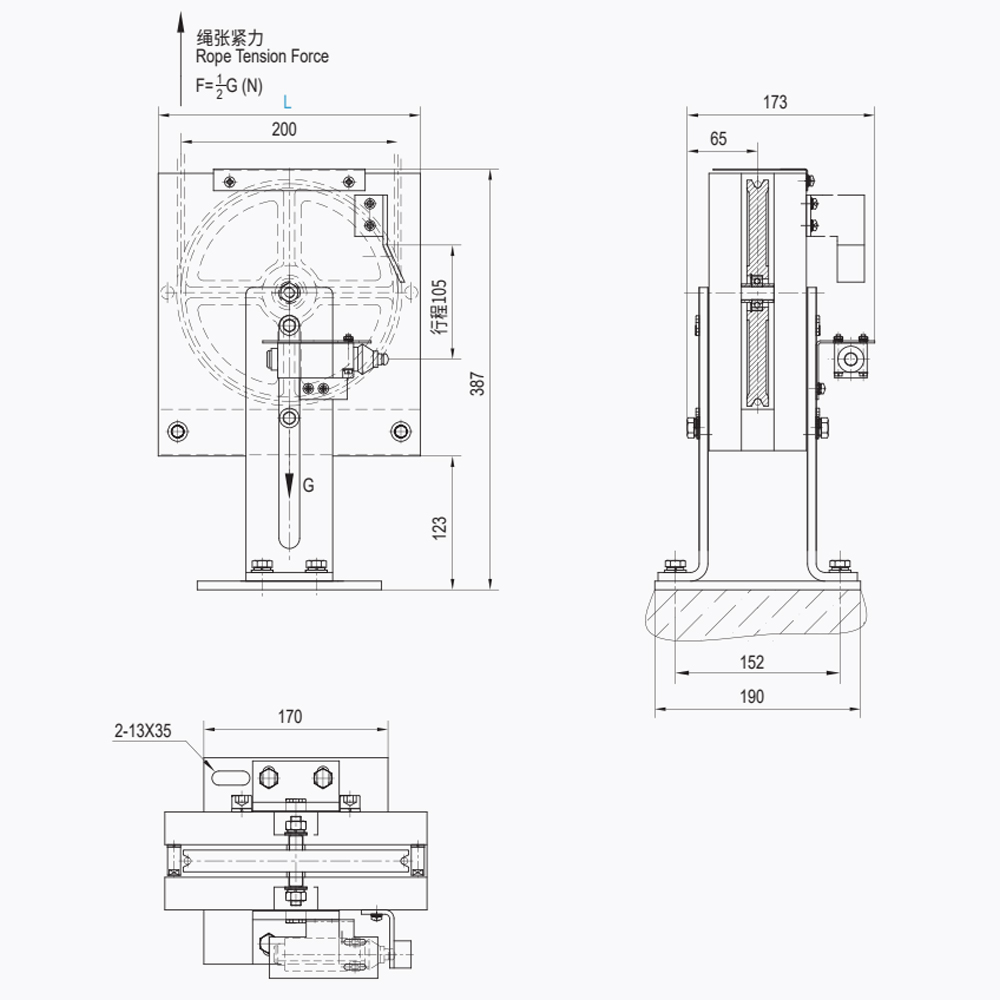
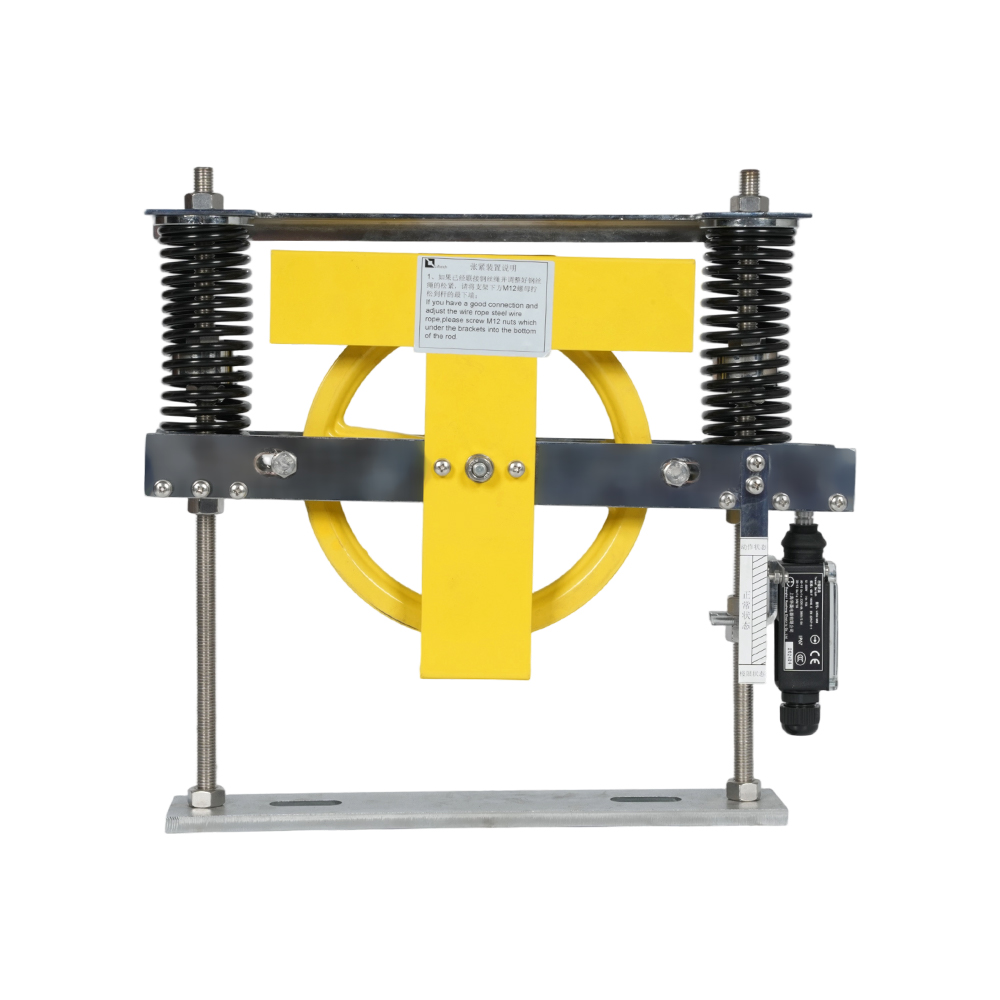
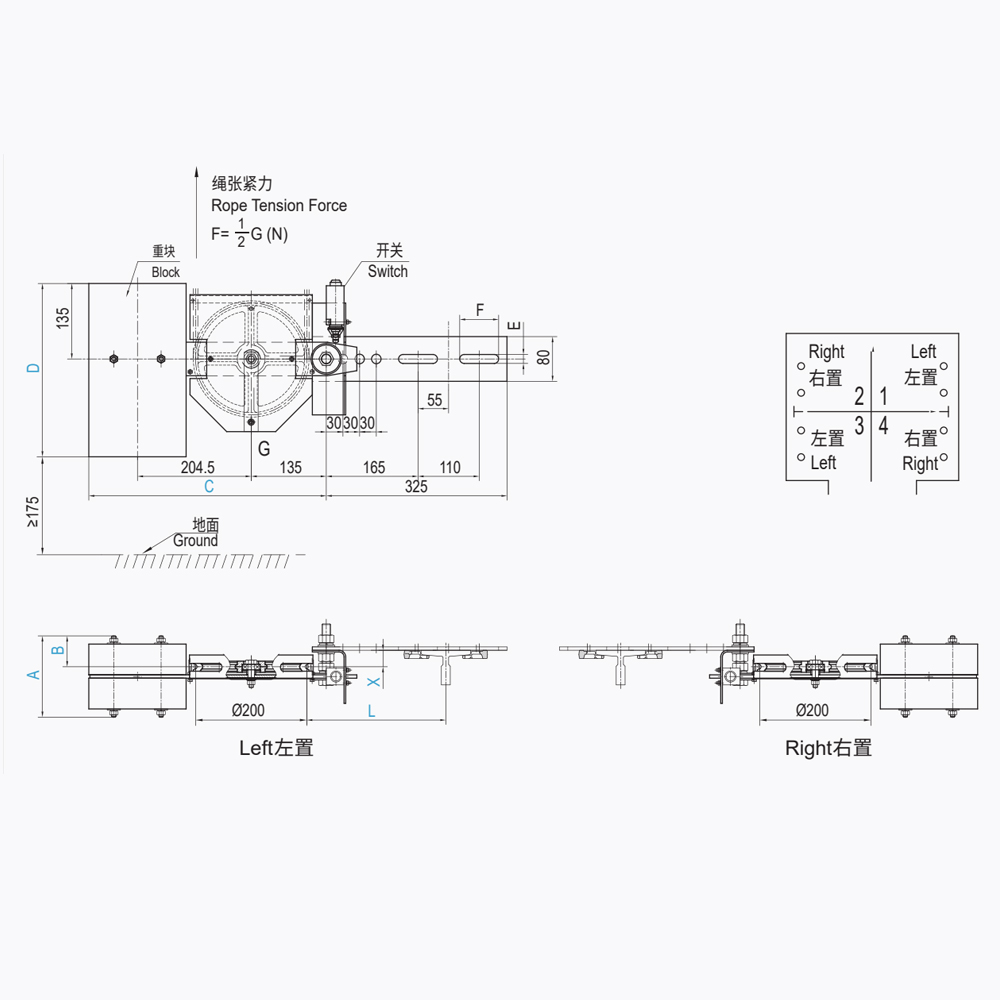
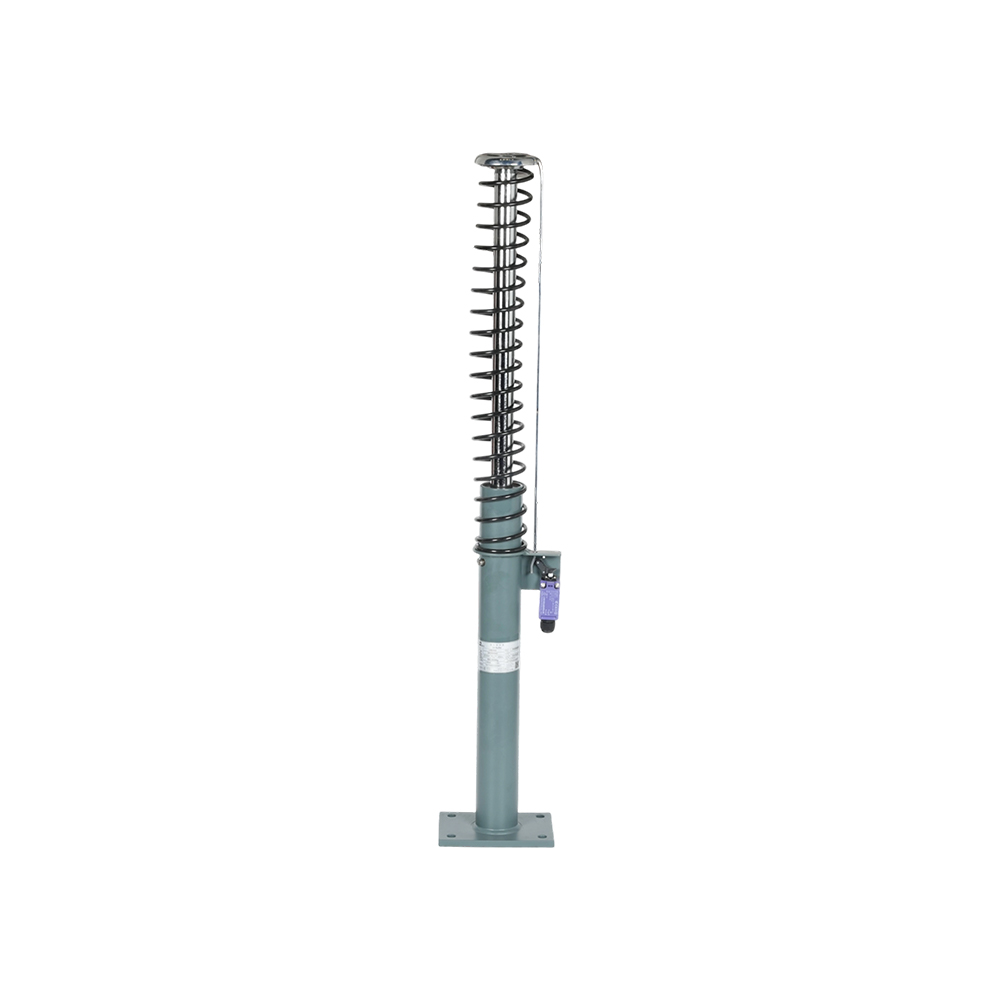
Off-the-shelf safety components are designed for common elevator configurations. Projects involving special architectures (historic buildings, ships, industrial plants), unique operational profiles (extreme speeds, massive loads), or emerging technologies (magnetic levitation, rack-and-pinion) often face a mismatch. Custom engineering solves this by bridging the gap between standardized safety principles and the project's unique realities, ensuring safety is not compromised by design constraints.
Custom-Engineered Elevator Safety Devices
-- Steady & Reliable Manufacturer --
When standard catalog components cannot meet the unique physical, performance, or regulatory requirements of a project, custom-engineered safety devices are the solution. This involves adapting existing designs or creating new ones from the ground up to address specific challenges such as extreme load capacities, unusual space constraints, integration with non-standard systems, or compliance with niche industry standards. The process combines application engineering, finite element analysis (FEA), prototyping, and rigorous testing.
Recommended Products
The Key Problem We Solve
Typical Applications
- Elevators for ships, offshore platforms, and other marine vessels.
- Stage lifts, orchestra pits, and theatrical machinery with unique motion profiles.
- Industrial material handling systems and custom freight elevators with non-standard guides.
- Elevators in heritage buildings with severe space and weight restrictions.
- Prototype and R&D projects for next-generation elevator systems.
- Applications requiring compliance with specific national or industry standards beyond mainstream elevator codes.
Product Advantages
| Engineering Process | Requirement analysis → Concept design → FEA/Calculations → Prototyping → Testing → Production. |
| Typical Lead Time | Significantly longer than standard parts, from several months to over a year for complex systems. |
| Key Deliverables | Custom 3D models & drawings, engineering calculations dossier, test reports, installation manuals. |
| Certification Path | Often requires project-specific certification by a notified body or classification society (e.g., Lloyd's, DNV). |
| Cost Structure | Driven by engineering hours, prototyping, and low-volume manufacturing; significantly higher than standard parts. |
Selection & Compliance Considerations
Clear Requirement Specification: The foundation of custom work is a precise, written specification covering all functional requirements (load, speed, stroke, environment), interface details (mounting, connections), and compliance targets (specific standards). Ambiguity leads to cost overruns and delays.
Realistic Budget and Timeline: Custom engineering is resource-intensive. Establish a realistic budget that includes design, prototyping, testing, and certification. The timeline must accommodate iterative design reviews, prototype fabrication, and potentially lengthy third-party certification processes.
Intellectual Property (IP) Agreements: Clearly define IP ownership for any new designs developed during the project upfront in a contract. This prevents disputes over who owns the design for future production or similar applications.
Supplier Capability Assessment: Not all manufacturers have true engineering and prototyping capabilities. Assess the supplier's past custom projects, in-house engineering team, test facilities, and experience with relevant certification bodies.
FAQ
- Q: What is the first step in initiating a custom safety device project?
- A: The first step is a comprehensive feasibility study or concept design phase. This involves our engineers reviewing your requirements, constraints, and goals to propose one or more technical solutions, outline a development path, identify potential risks, and provide a preliminary cost and timeline estimate. This phase helps both parties understand the project's scope before committing significant resources.
- Q: Can you certify a custom device to EN 81 or ASME A17.1?
- A: If the device is intended for a standard elevator application but with non-standard parameters, yes, it can be type-tested and certified to the relevant elevator standard. For truly novel applications (e.g., a stage lift), it may be assessed under the Machinery Directive (CE) or other applicable machinery safety standards by a notified body, which will evaluate it against Essential Health and Safety Requirements (EHSRs).
- Q: Who is responsible for the final performance and safety of a custom device?
- A: Responsibility is shared but defined by contract. The manufacturer is responsible for designing and manufacturing the device to meet the agreed specification and applicable standards. The integrator (e.g., elevator OEM or installer) is responsible for correctly integrating the device into the overall system and ensuring the complete system's safety. Clear demarcation of responsibilities is critical.
About Us
Shanghai Liftech Elevator Accessories Co., Ltd.
Founded in 2004, Shanghai Liftech Elevator Accessories Co., Ltd. is a specialized enterprise dedicated to the R&D, manufacturing, testing, and sales of elevator safety components. With over two decades of sustained development, Liftech has established itself as a leading manufacturer in China's elevator safety sector, providing high-quality products and solutions to a wide range of major elevator brands and engineering clients across domestic and international markets. We are ,China Wholesale Custom-Engineered Elevator Safety Devices Suppliers and Custom-Engineered Elevator Safety Devices OEM/ODM Manufacturers
For over 20 years, LIFTECH (est. 2004) has been a trusted force in the R&D, manufacturing, and full lifecycle support of premium elevator safety components.
Material Selection Guide
| Project Phase | Key Activities | Customer Involvement |
| Feasibility & Concept | Requirements review, concept sketches, preliminary calculations. | Provide detailed specs; review and approve concepts. |
| Detailed Design | 3D CAD modeling, FEA analysis, material selection, drawing creation. | Review and approve design drawings and calculations. |
| Prototyping & Testing | Fabrication of prototype(s); functional and load testing; possibly witnessed testing. | Witness key tests; provide feedback on prototype. |
| Certification | Prepare technical file; engage with certification body; address findings. | Provide system context; may need to participate in audits. |
| Production & Delivery | Manufacturing of final batch; final inspection; packaging and shipping. | Conduct final inspection (FAT); arrange logistics. |

