

 English
 中文简体
中文简体 русский
 Español
 Deutsch


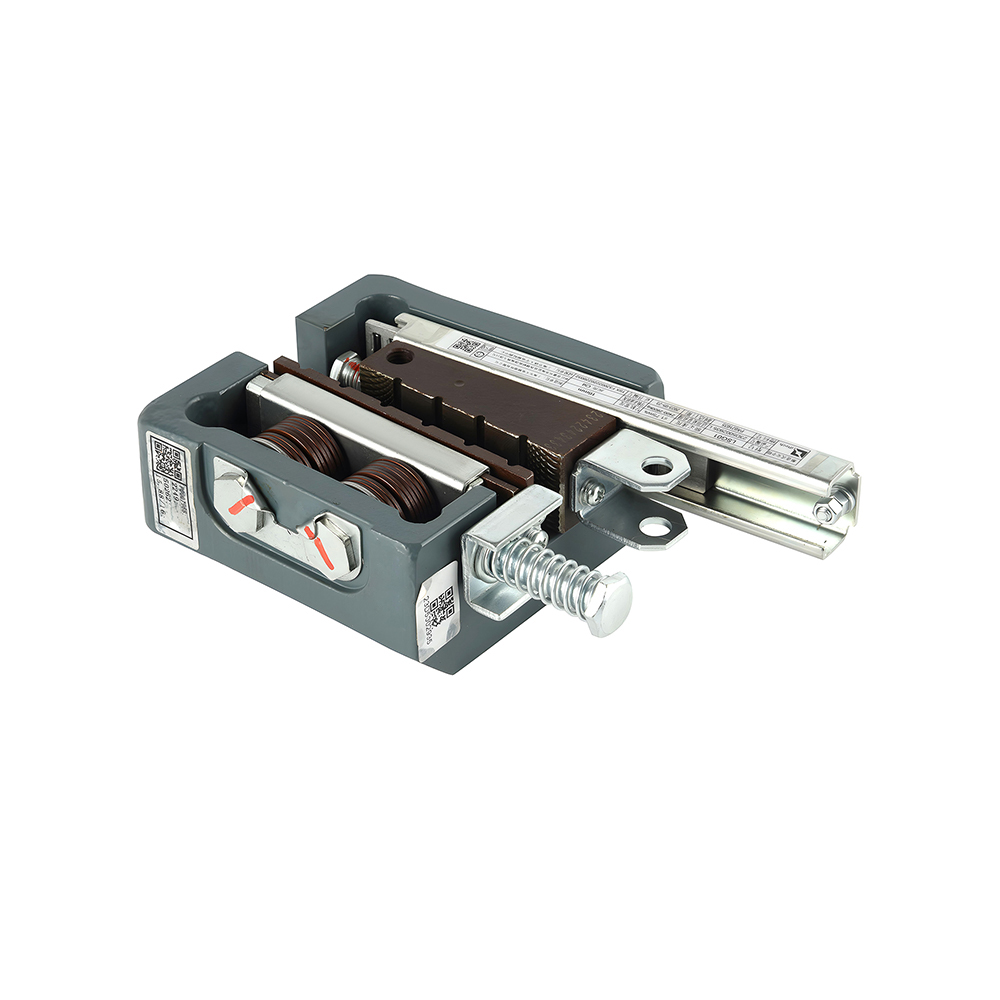
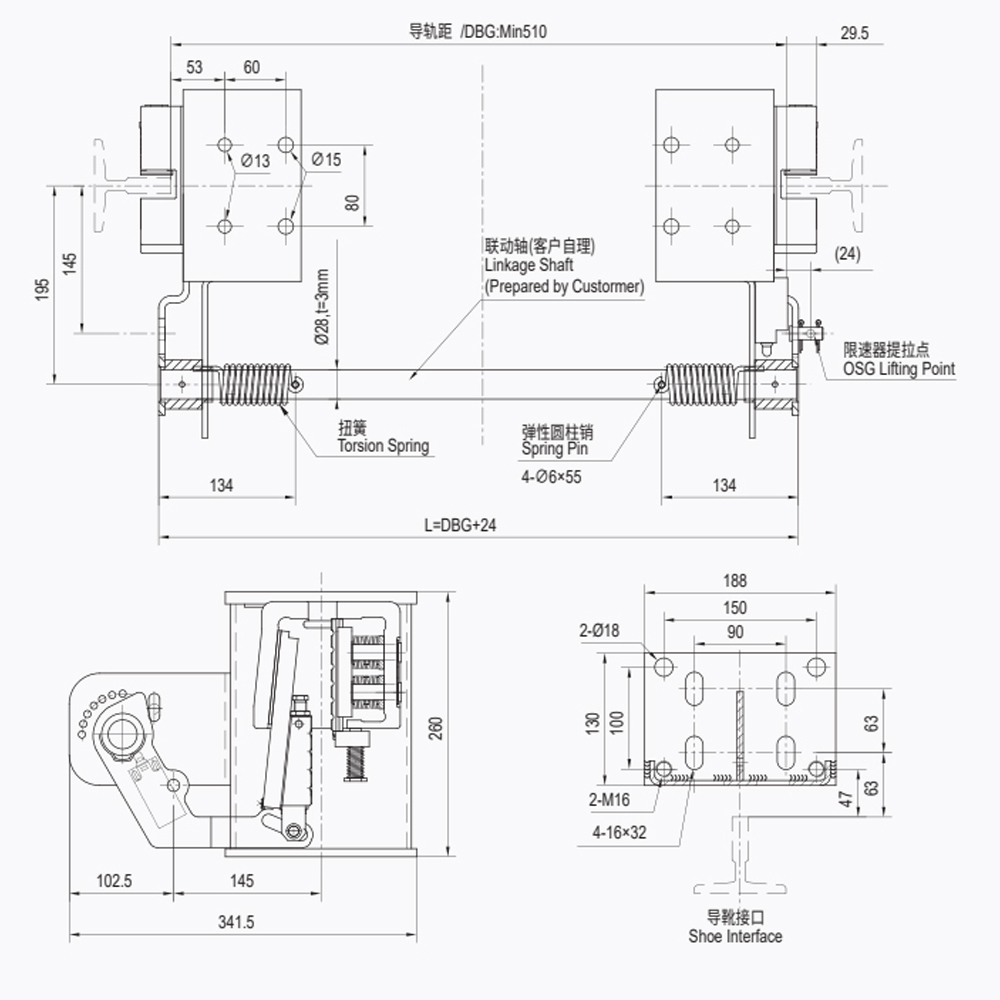
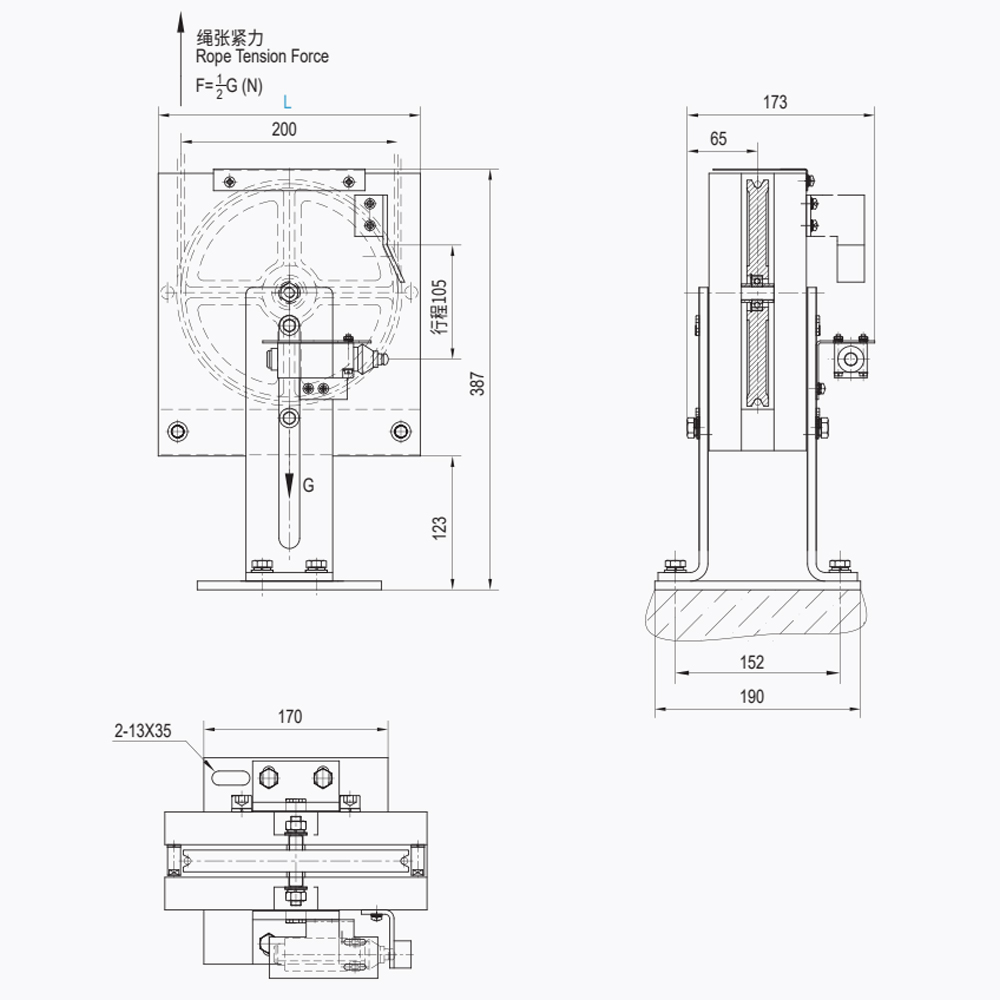
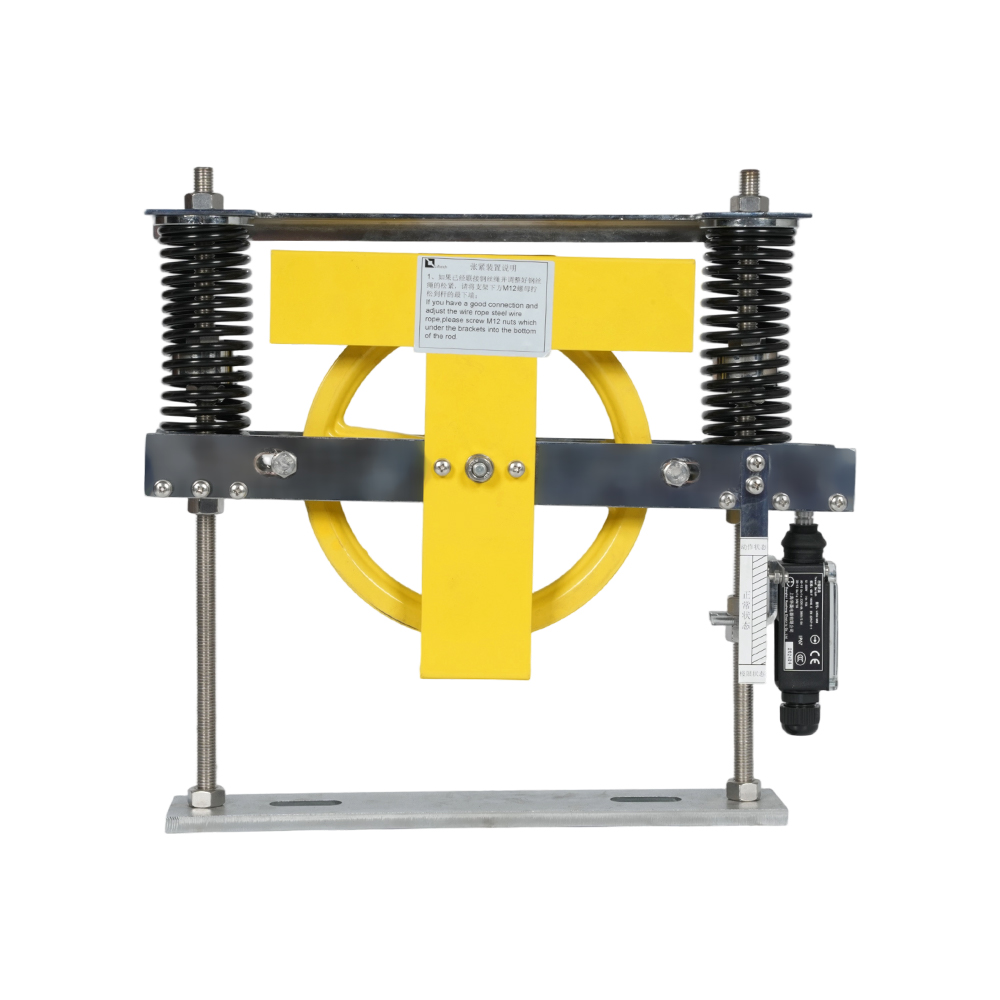
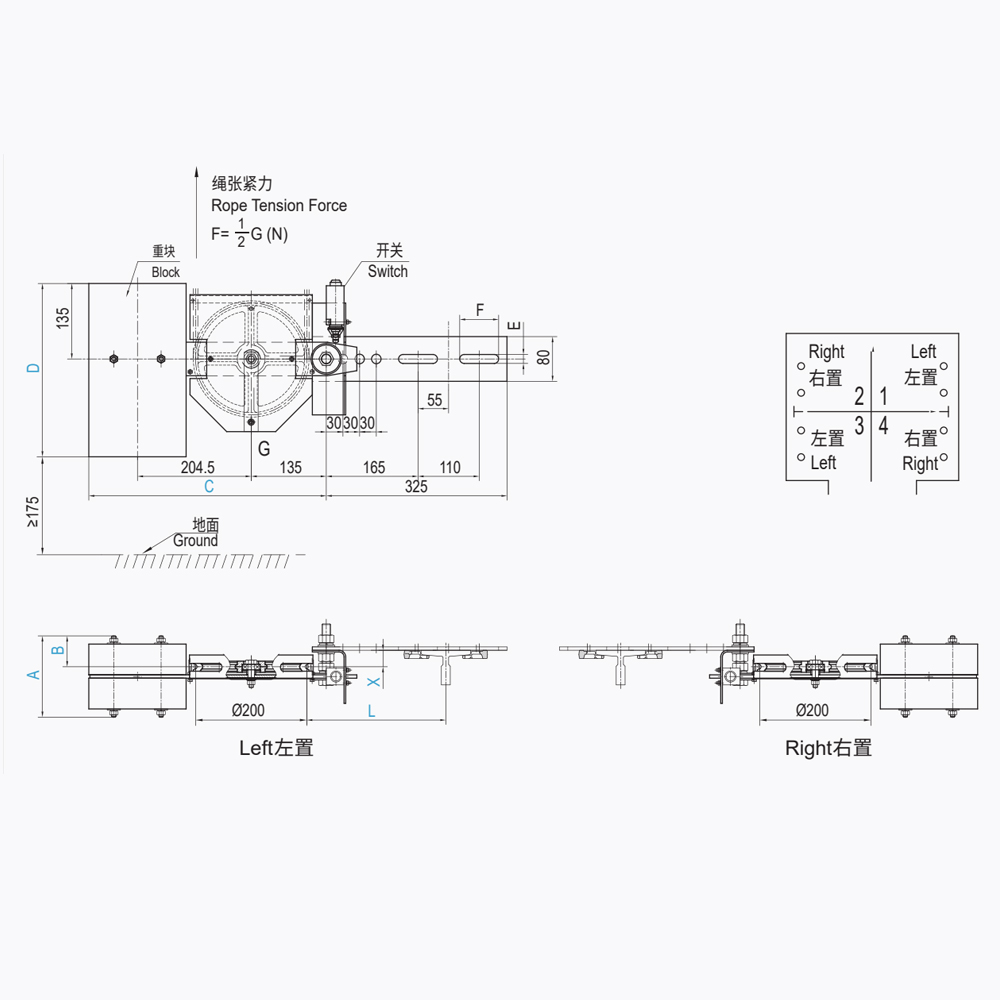
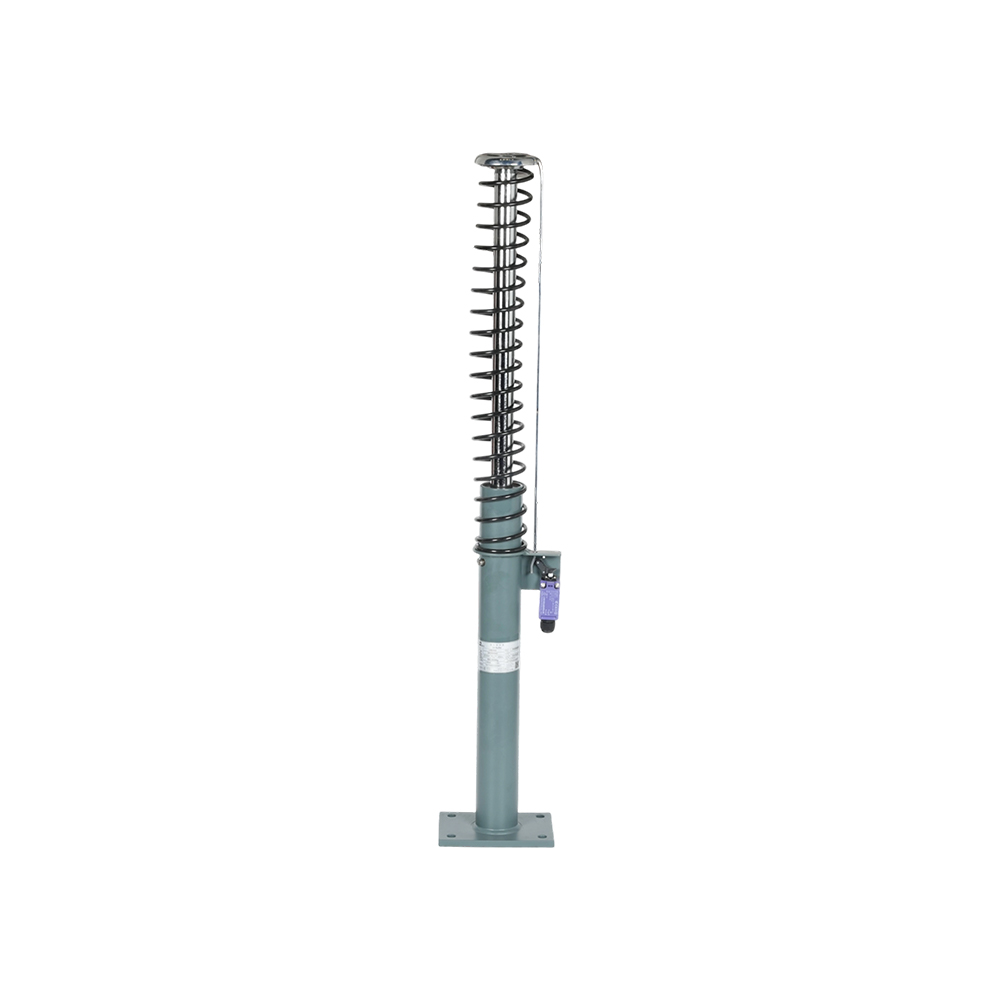
Purely mechanical safety devices, while robust, offer limited diagnostic and integration capabilities. They cannot easily provide status feedback to the control system or participate in complex safety sequences like UCMP (Unintended Car Movement Protection). Electromechanical devices solve this by adding an electrical interface for monitoring (e.g., "switch closed" = healthy) and controlled activation, allowing for pre-travel detection, system self-checks, and layered safety strategies that meet modern code requirements.
Electromechanical Elevator Safety Devices
-- Steady & Reliable Manufacturer --
This category encompasses safety devices that utilize an electrical signal for monitoring or control, coupled with a mechanical action for the final safety function. They bridge the elevator's electronic control system with the physical safety chain. Examples include solenoid-released rope brakes, electrically monitored overspeed switches, and safety gear with electronic position sensors. These devices enable more sophisticated safety logic, remote monitoring, and integration with building management systems while retaining a fail-safe mechanical core.
Recommended Products
The Key Problem We Solve
Typical Applications
- Modern elevator systems requiring UCMP compliance.
- Elevators with remote monitoring and diagnostic capabilities.
- Systems utilizing safety-rated programmable logic controllers (PLCs) or safety relays.
- Elevators where safety device status must be integrated into the main controller for door operation interlocking.
- Automated goods lifts and industrial material handling systems.
- Modernization projects upgrading from purely mechanical to monitored safety systems.
Product Advantages
| Core Principle | Electrical signal triggers or monitors a mechanical safety action. |
| Common Types | Solenoid-actuated brakes, monitored overspeed switches, safety gear with position sensors. |
| Electrical Interface | Typically 24VDC or 110VDC for solenoids; dry contacts (NO/NC) or PNP/NPN signals for sensors. |
| Fail-Safe Design | De-energized state typically corresponds to the safe condition (e.g., brake applied, switch open). |
| Safety Integrity | Designed for use in safety circuits, often suitable for up to SIL 2 / PL d per IEC 61508/ISO 13849. |
| Key Standards | EN 81-20/50, IEC 61508, ISO 13849-1, Machinery Directive. |
Selection & Compliance Considerations
Circuit Design & Safety Integrity: The electrical integration must be designed by a competent person. Consider the required Performance Level (PLr) or Safety Integrity Level (SIL) of the overall safety function. Use safety-rated components (relays, PLCs) and wiring practices (separated channels, cross-monitoring) to achieve the target.
Power Supply Reliability: The electrical power for solenoids or sensors must be highly reliable. Consider redundant power supplies, uninterruptible power supplies (UPS), or capacitors that can provide enough energy for at least one full safety operation during a power failure.
Diagnostics & Testing: Electromechanical devices allow for automated self-testing. The control system can periodically pulse a solenoid (without allowing full engagement) to verify it is not seized, or monitor sensor continuity. Define a test routine that satisfies code requirements without causing unnecessary wear.
Environmental Protection of Electronics: Solenoid coils and sensor electronics must be protected from moisture, dust, and temperature extremes. Specify an appropriate IP rating (e.g., IP65 for dust and water jets) for the operating environment.
FAQ
- Q: What is the advantage of a monitored overspeed switch over a purely mechanical governor switch?
- A: A monitored switch provides a continuous electrical signal to the control system indicating its state (normally closed circuit = healthy). If the switch opens (due to overspeed or wire break), the control system immediately detects a fault and can initiate a controlled stop, potentially before the mechanical governor would trigger the safety gear. It adds a diagnostic layer and can be part of a dual-channel safety system.
- Q: How do you prevent an electromechanical brake from accidentally engaging due to an electrical fault?
- A: They are designed as "fail-safe" or "de-energize-to-brake." The braking force is applied by a spring. An electromagnet (solenoid) compresses the spring and holds the brake open when power is applied. If power is lost (due to a fault, cut wire, or system shutdown), the solenoid de-energizes, the spring is released, and the brake engages. Thus, an electrical failure causes a safe (braked) state.
- Q: Can electromechanical safety devices replace mechanical ones entirely?
- A: No, not in most elevator codes. Mechanical safety devices (like the governor-triggered safety gear) are typically required as the ultimate, independent backup. Electromechanical devices are used to enhance safety (e.g., UCMP), provide monitoring, or act as secondary systems. They complement, but do not replace, the core mechanical safety chain, ensuring redundancy.
About Us
Shanghai Liftech Elevator Accessories Co., Ltd.
Founded in 2004, Shanghai Liftech Elevator Accessories Co., Ltd. is a specialized enterprise dedicated to the R&D, manufacturing, testing, and sales of elevator safety components. With over two decades of sustained development, Liftech has established itself as a leading manufacturer in China's elevator safety sector, providing high-quality products and solutions to a wide range of major elevator brands and engineering clients across domestic and international markets. We are ,China Wholesale Electromechanical Elevator Safety Devices Suppliers and Electromechanical Elevator Safety Devices OEM/ODM Manufacturers
For over 20 years, LIFTECH (est. 2004) has been a trusted force in the R&D, manufacturing, and full lifecycle support of premium elevator safety components.
Material Selection Guide
| Sub-Assembly | Standard Industrial Environment | High Duty Cycle / Frequent Activation | Harsh Environment (Moisture, Chemicals) |
| Solenoid Coil | Class F insulation, standard encapsulation. | Class H insulation, vacuum impregnated for better heat dissipation. | Fully potted coil with epoxy resin, high IP rating (IP67). |
| Position Sensor (Proximity) | Inductive sensor, PNP output. | Redundant dual-channel sensor for diagnostics. | Stainless steel housing, chemically resistant sensing face. |
| Wiring & Connectors | PVC cable, standard industrial connector. | Flexible PUR cable, vibration-resistant connector. | Sealed, glass-filled polymer connector (e.g., M12), silicone cable. |
| Mechanical Actuator Linkage | Steel linkage, standard bushings. | Stainless steel linkage, needle roller bearings for low friction and long life. | Corrosion-resistant materials throughout; sealed bearings. |
| Enclosure/Housing | Sheet steel, painted. | Aluminum for heat dissipation. | Stainless steel or engineered polymer with high IP rating. |

