

 English
 中文简体
中文简体 русский
 Español
 Deutsch


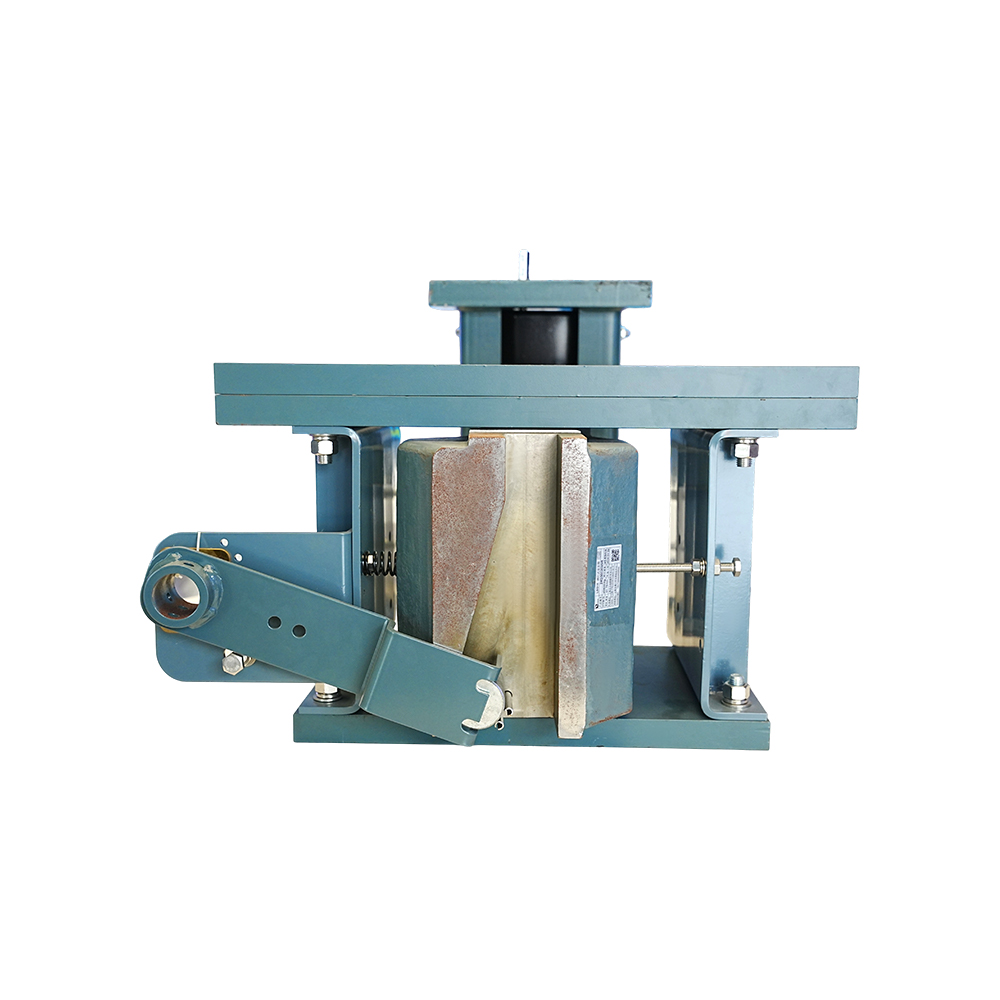
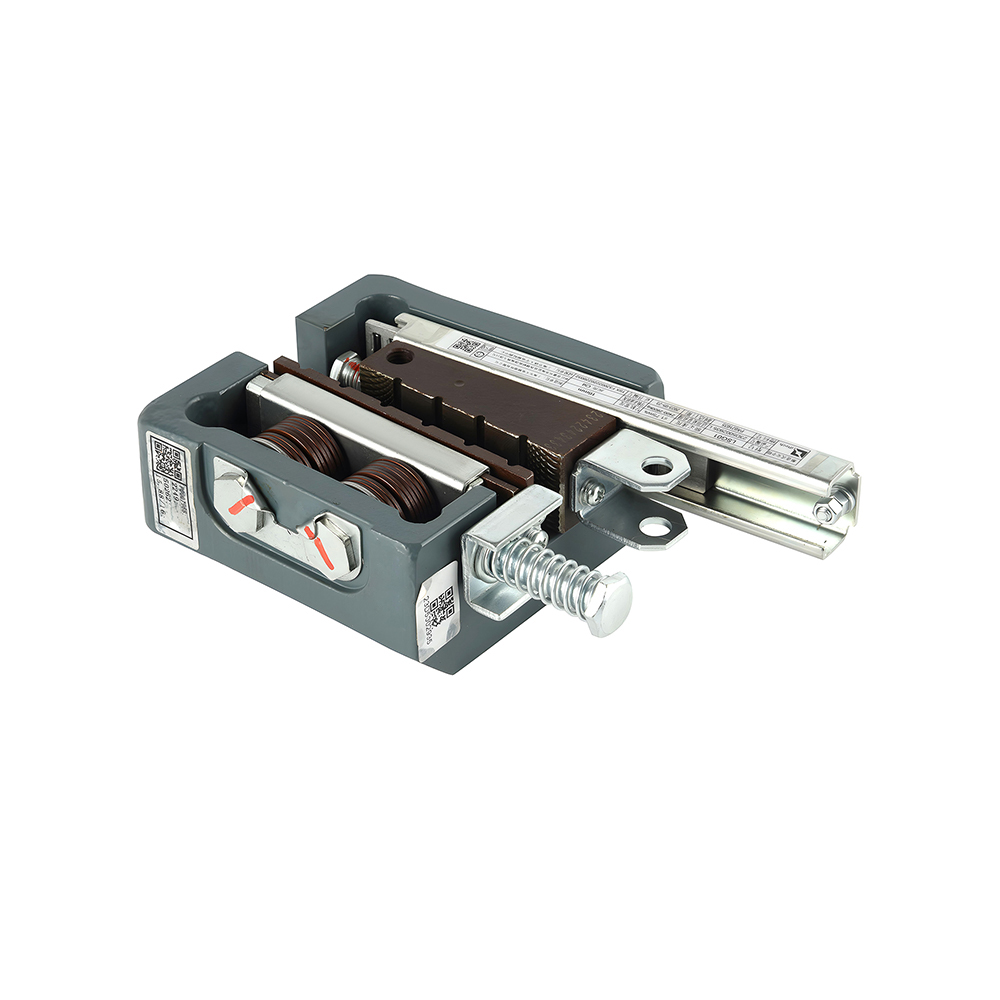
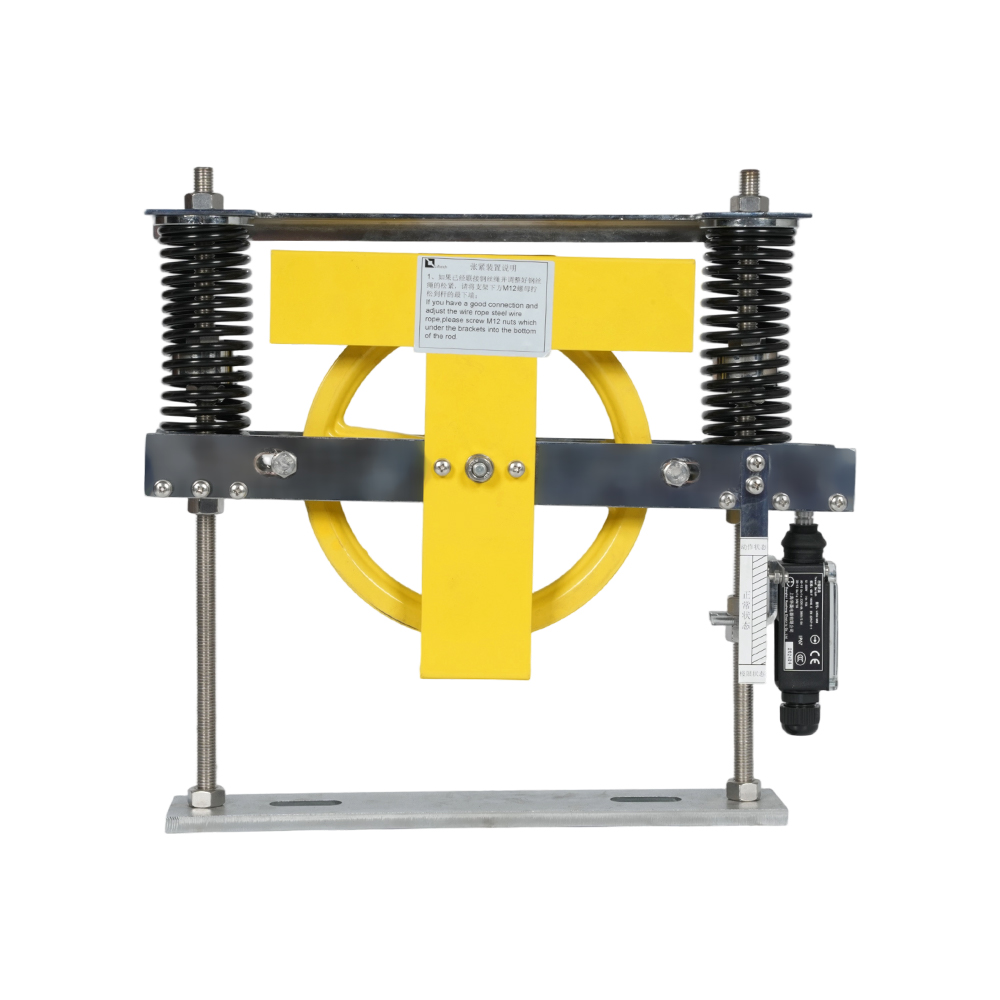
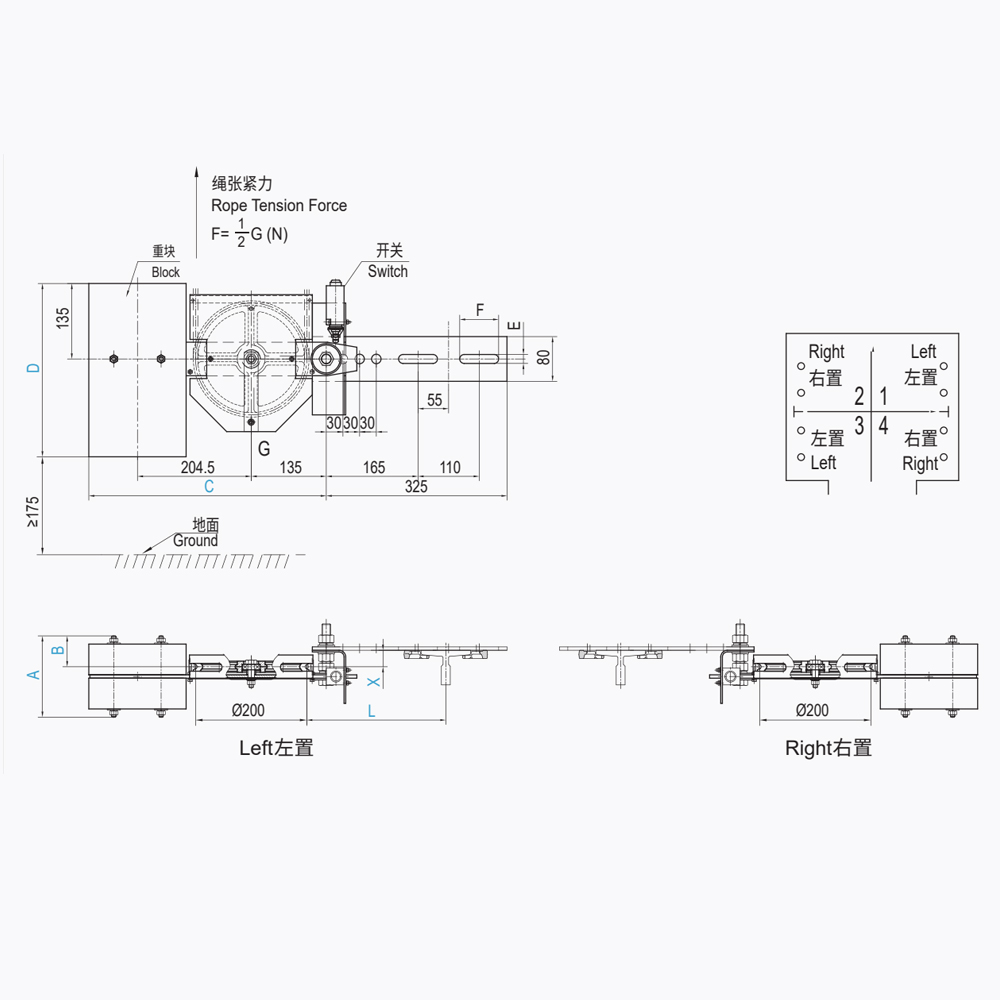
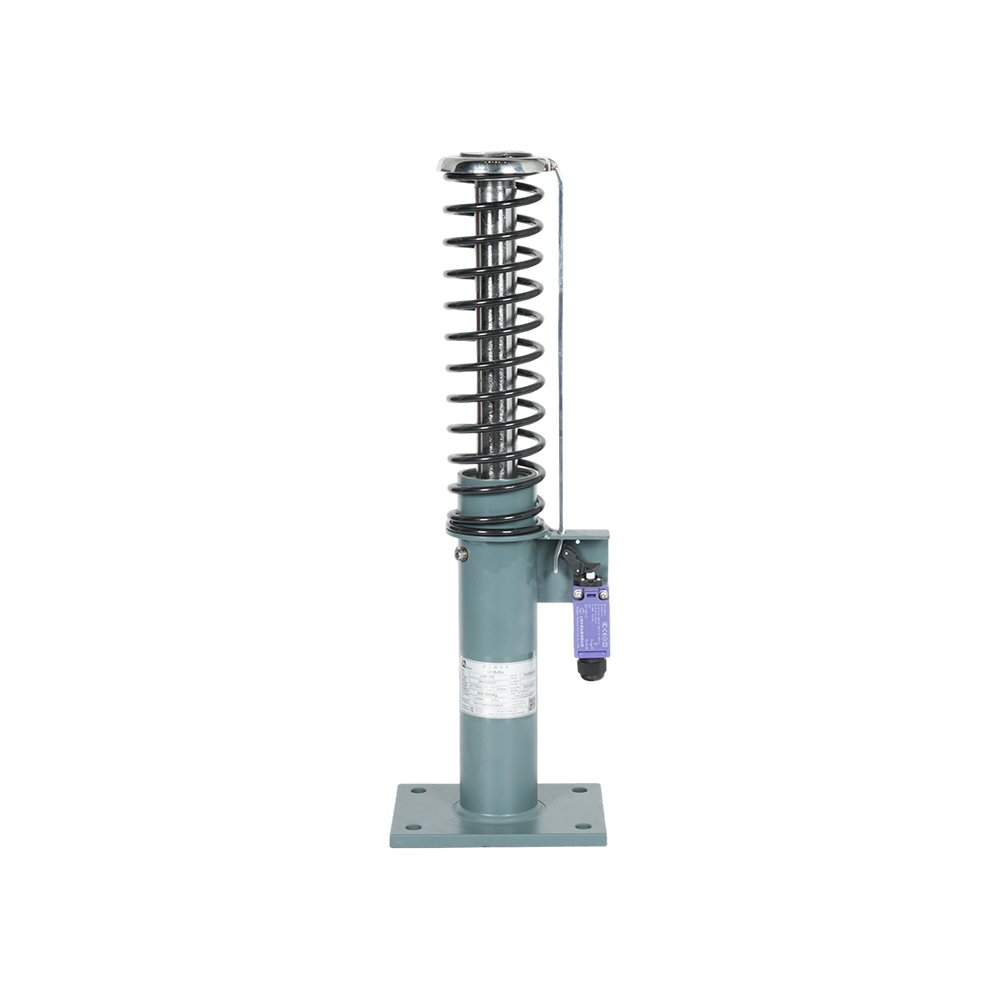
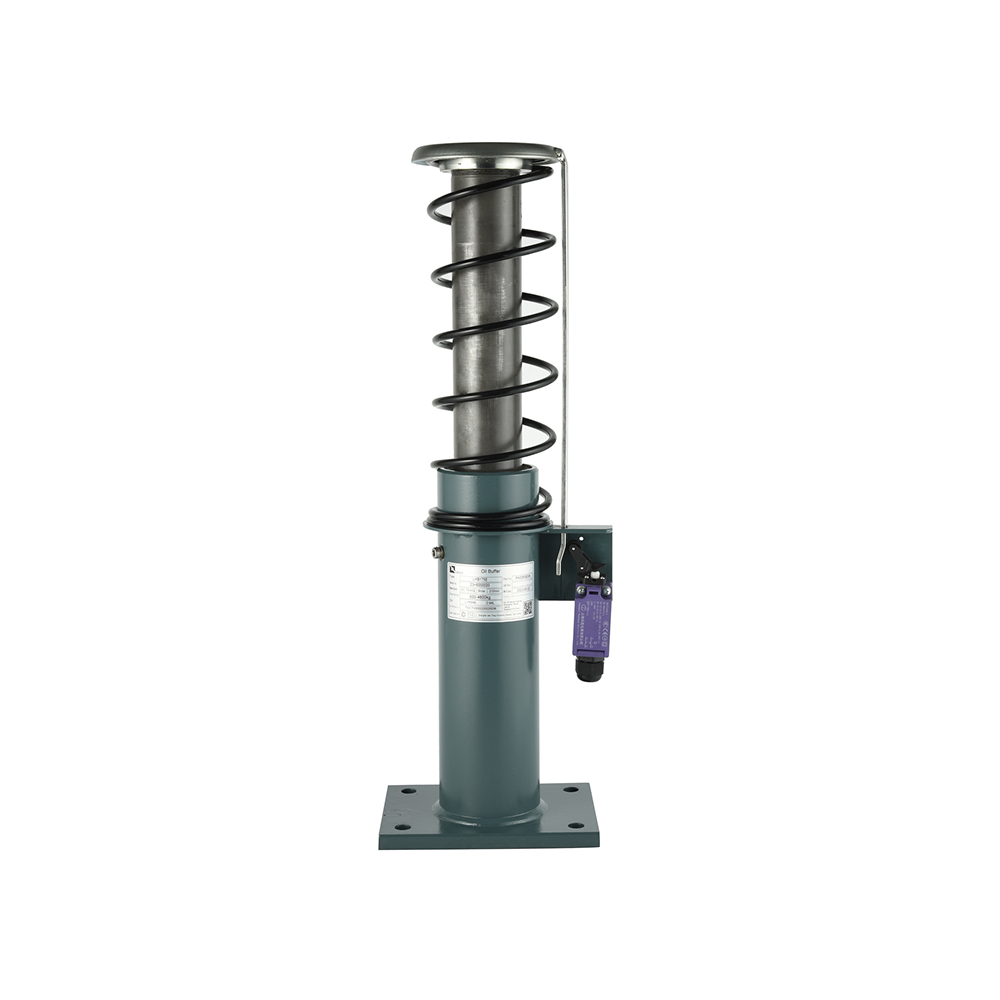
Standard commercial elevator safety parts can fail prematurely in harsh industrial settings due to dust ingestion, corrosion from humidity or chemicals, and fatigue from constant high-load cycles. Furthermore, the consequence of a failure—downtime in a production facility or logistics hub—is extremely costly. This TAG addresses the problem of finding safety components that are not just rated for the load and speed, but are also "hardened" for the physical and environmental realities of factories, warehouses, and processing plants, thereby maximizing uptime and lifecycle while ensuring safety compliance.
Warehouse and Industrial Plant Lift Safety
-- Steady & Reliable Manufacturer --
Elevators and lifts in warehouse and industrial environments operate under uniquely demanding conditions. They must reliably transport heavy, often uneven loads (pallets, machinery, raw materials) through dusty, humid, or chemically active atmospheres, with frequent cycling and potential for impact. Safety components for these applications are engineered with a focus on extreme durability, high static and dynamic load ratings, and enhanced protection against environmental contaminants. This encompasses reinforced safety gears, robust governors, heavy-duty buffers, and designs that facilitate maintenance in often cramped or dirty pit areas.
Recommended Products
The Key Problem We Solve
Typical Applications
- Freight elevators in distribution centers and logistics warehouses
- Material lifts in automotive, steel, and heavy manufacturing plants
- Service elevators in food processing facilities and breweries
- Lifts in mining support facilities and power generation plants
- Parking tower lifts for vehicle storage and retrieval systems
- Loading dock lifts and vertical reciprocating conveyors (VRCs)
Product Advantages
| Load Capacity Emphasis | Components rated for 5,000 kg to 20,000+ kg, with high factors of safety. |
| Environmental Protection | IP54 or higher ingress protection ratings for governors; corrosion-resistant finishes or stainless steel. |
| Durability Features | Extra-thick wear plates, hardened pivot pins, sealed bearings in safety gears. |
| Maintenance Accessibility | Designs allowing for inspection and adjustment without complete disassembly, even in dirty conditions. |
| Buffer Type | Often large-capacity oil buffers or high-cycle spring buffers to handle frequent, heavy impacts. |
| Standards | Compliance with freight elevator standards (e.g., EN 81-31, ASME A17.1 for freight). |
Selection & Compliance Considerations
The primary selection criteria are the maximum rated load and speed. Following this, a thorough assessment of the environment is critical: presence of conductive dust (requires sealed switches), abrasives (requires extra protection on sliding surfaces), humidity, or wash-down procedures (mandates stainless steel or superior coatings). Consider the maintenance regime; components should be designed for ease of service. For facilities with low headroom or shallow pits, compact or short-stroke buffer solutions may be necessary. Verify that the safety gear type (usually instantaneous) matches the operational profile of a freight lift.
FAQ
- Q: How do we protect safety components from dust and debris in a warehouse? A> Specify governors with sealed housings and labyrinth seals on shaft openings. Opt for safety gears with protective covers or shrouds over linkage mechanisms. Regular cleaning of the guide rails and pit area is also a crucial part of preventative maintenance.
- Q: Our lift is used infrequently but for very heavy loads. Does this affect selection? A> Yes. Infrequent but extreme loading can be more demanding than frequent moderate loads. Ensure all components, especially buffers and safety gear jaws, are rated for the single-impact energy of the fully loaded car at rated speed. Corrosion protection is also key for seldom-used equipment.
- Q: Can industrial lift safety parts be used to upgrade an older, under-rated lift? A> Possibly, but this is a complex engineering task. Upgrading safety components often requires verifying that the guide rails, car frame, and building structure can withstand the new, higher forces involved. A professional engineering assessment is mandatory before such a retrofit.
About Us
Shanghai Liftech Elevator Accessories Co., Ltd.
Founded in 2004, Shanghai Liftech Elevator Accessories Co., Ltd. is a specialized enterprise dedicated to the R&D, manufacturing, testing, and sales of elevator safety components. With over two decades of sustained development, Liftech has established itself as a leading manufacturer in China's elevator safety sector, providing high-quality products and solutions to a wide range of major elevator brands and engineering clients across domestic and international markets. We are ,China Wholesale Warehouse and Industrial Plant Lift Safety Suppliers and Warehouse and Industrial Plant Lift Safety OEM/ODM Manufacturers
For over 20 years, LIFTECH (est. 2004) has been a trusted force in the R&D, manufacturing, and full lifecycle support of premium elevator safety components.
Material Selection Guide
| Component Area | Industrial-Grade Material & Feature Recommendations |
| Safety Gear Jaws/Wedges | Forged alloy steel, through-hardened or with hardened inserts. Surface treatments like nitriding for extreme wear resistance. |
| Governor Housing & Mechanism | Cast iron or heavy-gauge steel housing with gasketed seals. Stainless steel springs and fasteners internally to resist condensation. |
| Linkages & Pivots | Oversized pivot pins with grease fittings for periodic lubrication. Linkage rods with abrasion-resistant sleeves where they pass through guides. |
| Buffers | Heavy-duty oil buffers with large oil reservoirs and heat dissipation fins. Or, spring buffers with corrosion-resistant coatings and protective boots. |
| Fasteners Throughout | High-grade bolts (10.9 or higher) with zinc-flake or hot-dip galvanized coating for superior corrosion protection. |

