

 English
 中文简体
中文简体 русский
 Español
 Deutsch


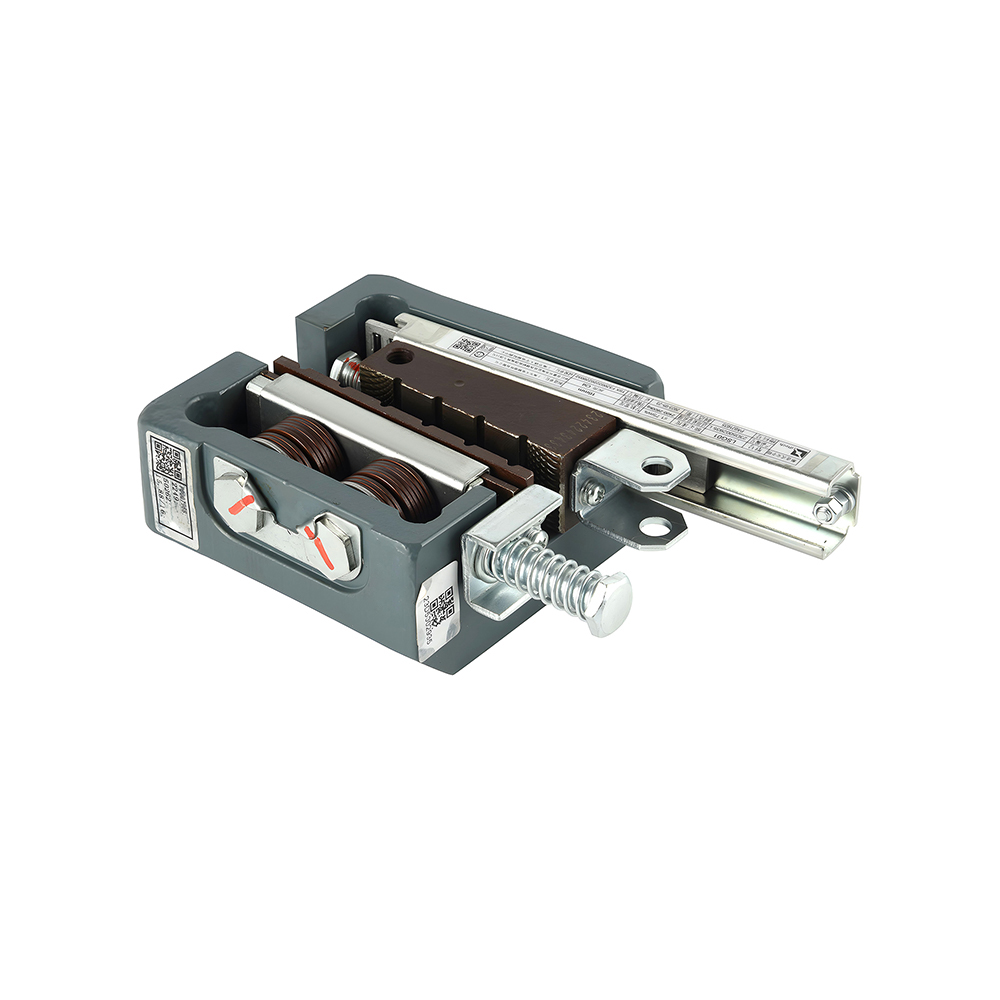
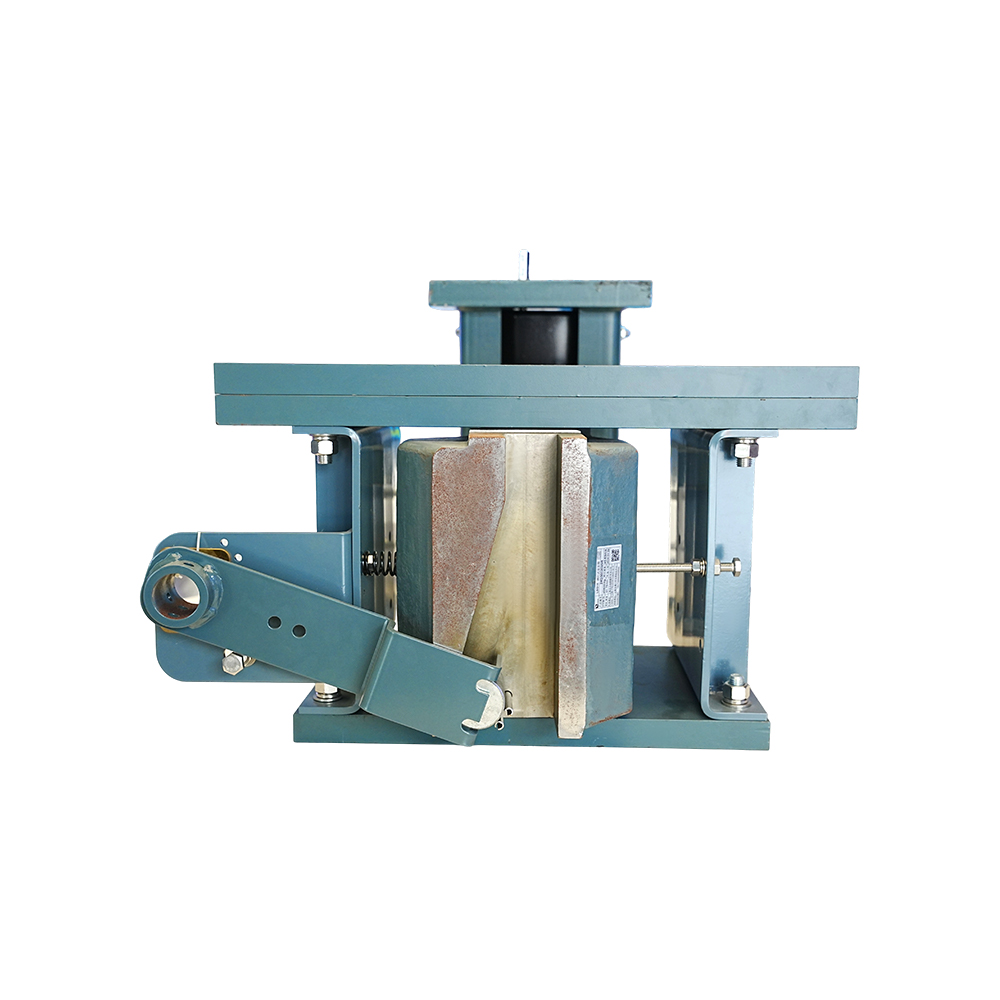
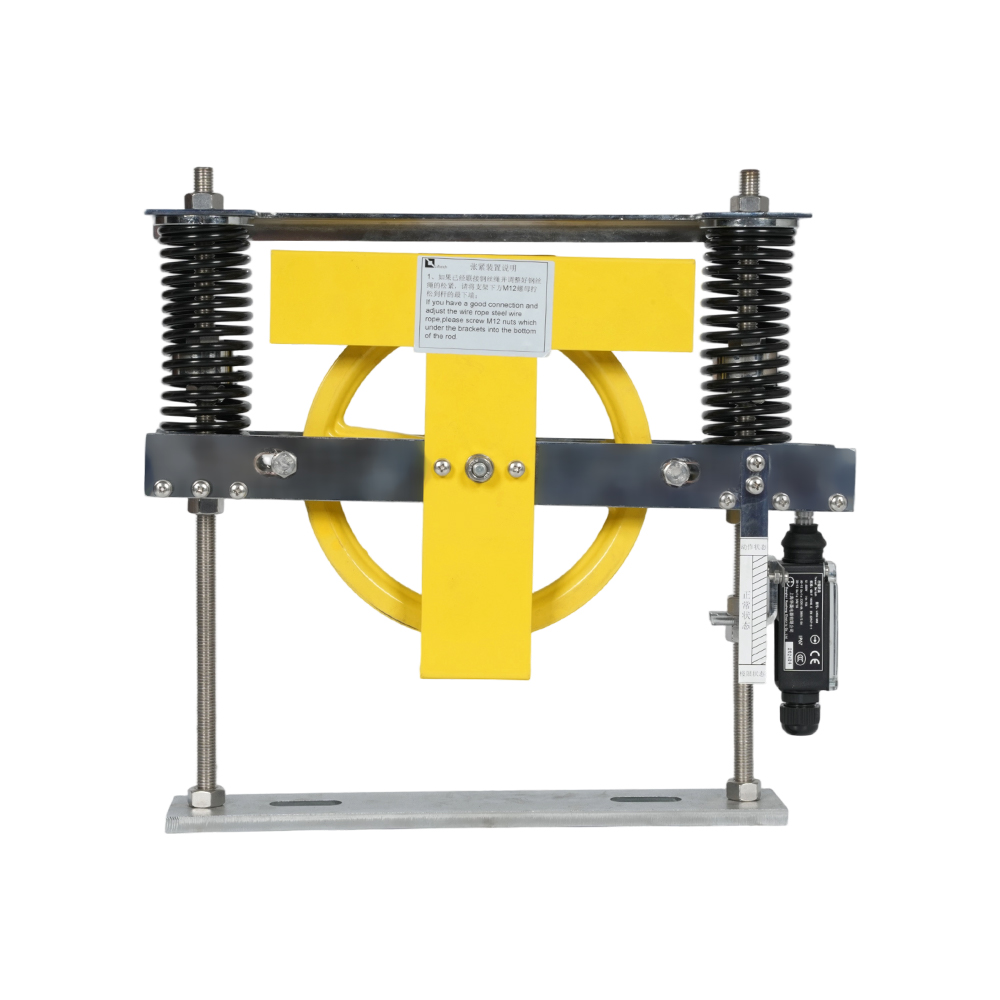
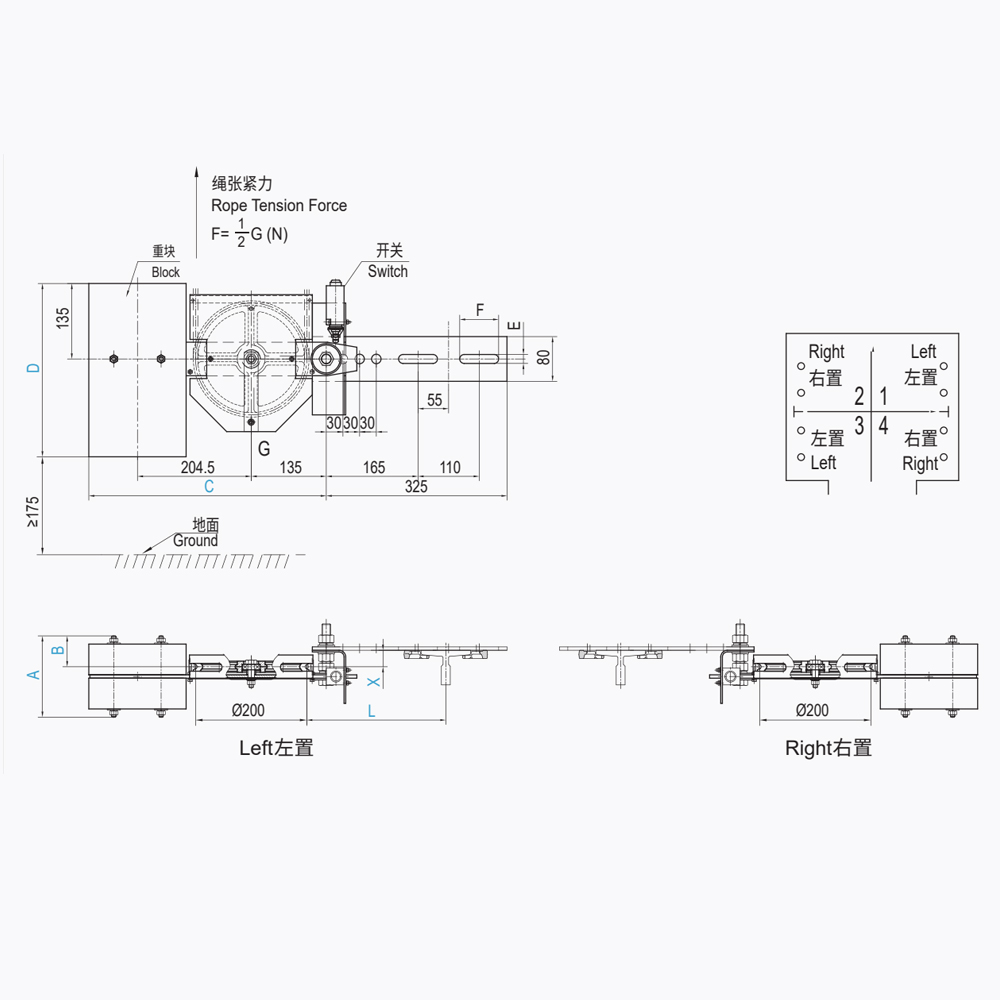
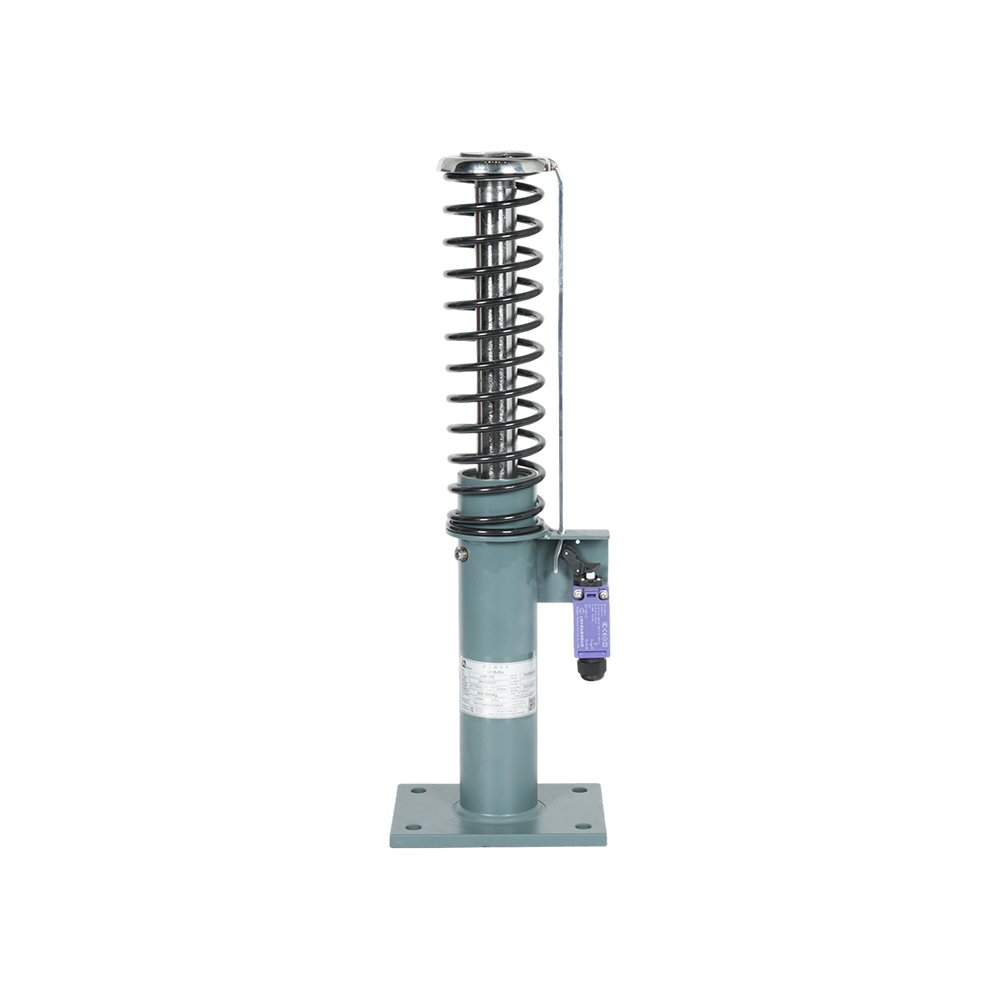
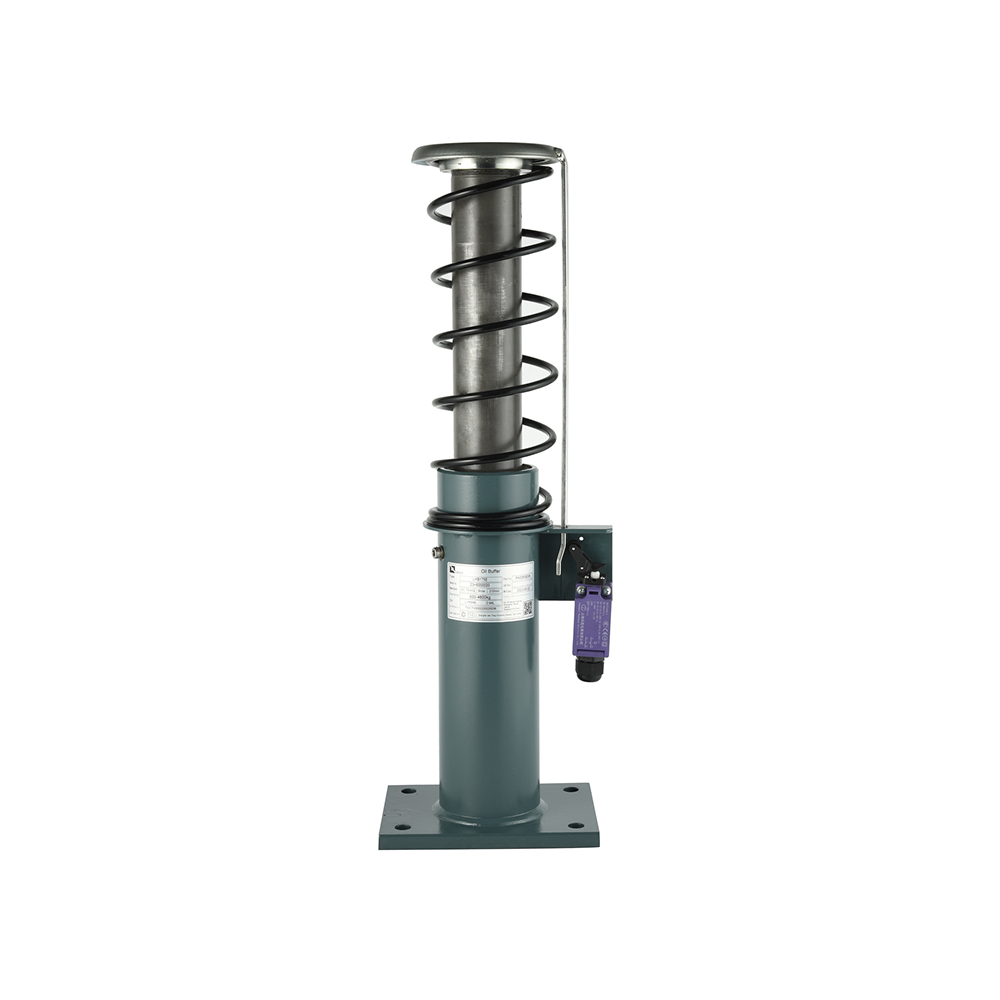
Standard passenger elevator safety systems are ill-suited for the dynamic and creative demands of stage technology. A progressive safety gear designed for a straight vertical T-rail cannot function on a curved or raked guide path. The consequence of a failure in a stage lift—such as a slowly descending orchestra pit during a concert or a rotating platform moving unexpectedly—can lead to severe injury, property damage, and show stoppage. The core problem is providing life-safety protection for equipment that is inherently non-standard in its geometry, motion, and load case. Theatrical lift safety devices solve this by offering customized braking and locking solutions tailored to the specific mechanics of the lift. They provide reliable protection against falling, unintended movement, and hydraulic failure in an environment where both safety and artistic reliability are paramount. This ensures the safety of performers, crew, and audience members while enabling the complex stage machinery that modern productions rely on.
Stage and Theatrical Lift Safety Devices
-- Steady & Reliable Manufacturer --
Stage and theatrical lift safety devices encompass a specialized category of equipment designed for elevators and lifts used in performance venues, including orchestra pits, stage lifts, actor lifts, and scenery hoists. These applications have unique requirements: they often involve non-standard travel paths (tilting, rotating, complex curves), extremely low speed and precise positioning for dramatic effect, high static loads from heavy sets or large groups of people, and operation in close proximity to performers and crew. Safety systems for these lifts must therefore be highly adaptable, offering reliable arrestment and holding capabilities in multiple axes of movement. This can include custom-engineered safety gears that engage on non-linear guide rails, robust hydraulic circuit safety valves for hydraulic stage lifts, and redundant mechanical locking devices (such as screw jacks or positive locking pins) that engage when the lift is parked at a level. Overspeed protection may be achieved through hydraulic flow monitoring or customized governors. The emphasis is on absolute positive holding to prevent any unintended movement during a performance, fail-safe design to ensure safety in the event of power loss, and often quiet operation to avoid interfering with the performance. Compliance with entertainment industry standards (such as ANSI E1.42 in the US) in addition to regional elevator codes is often required.
Recommended Products
The Key Problem We Solve
Typical Applications
- Motorized orchestra pits in concert halls, opera houses, and theaters.
- Main stage lifts and platforms for scene changes.
- Actor lifts and traps (e.g., for dramatic entrances/exits).
- Orchestra risers and choir stands with elevating sections.
- Scenery and prop handling lifts in workshop and fly tower areas.
- Museum and exhibition dynamic display platforms.
Product Advantages
| Customization Level | High. Systems are often engineered to order based on specific lift geometry and performance requirements. |
| Arrestment Principle | May include rail clamps, hydraulic lock valves, mechanical screw locks, or custom safety gears. |
| Load Capacity | Designed for very high static loads, often with large safety factors (e.g., 5:1 or higher). |
| Speed Range | Typically very low speed (0.01 - 0.5 m/s) for controlled movement. |
| Control Integration | Safety devices are fully integrated into the stage lift's programmable logic controller (PLC) with redundant monitoring. |
| Standards | May need to comply with both elevator standards (e.g., ASME A17.1 for lifting devices) and entertainment standards (ANSI E1.42). |
Selection & Compliance Considerations
Selection requires close collaboration with the stage machinery designer and a rigorous risk assessment. Identify all potential failure modes (mechanical, hydraulic, control). The safety system must address the worst-case scenario, often a loss of power or control with the lift fully loaded. For hydraulic lifts, safety is often achieved through dual redundant hydraulic locks and rupture valves. For mechanical lifts, positive mechanical locks or rail clamps are key. Consider the need for manual release mechanisms for emergency evacuation or maintenance. The system must be designed for the specific environment, which may include exposure to stage lighting (heat), fog effects (moisture), and paint/dust. Certification by a third-party specializing in performance equipment is highly recommended.
FAQ
- Q: Why can't a standard elevator safety gear be used on a stage lift? A> Standard safety gears are designed for vertical, linear guide rails (T-type). Stage lifts often use different guiding systems (e.g., square tube, round bar, or no continuous rail) and may travel on an incline or curve. The engagement kinematics and rail compatibility are fundamentally different. A custom safety device is needed to match the specific guiding and loading conditions.
- Q: How is "overspeed" defined and detected on a very slow-moving stage lift? A> Overspeed protection is still critical but is achieved differently. For hydraulic lifts, flow sensors monitor pump output and cylinder speed; excess flow triggers safety valves. For electric drives, the motor encoder provides speed feedback to the safety-rated PLC. The threshold is set just above the maximum intended operating speed. The response is to cut power and engage a mechanical lock or brake.
- Q: What is a "positive mechanical lock" and how does it work? A> It is a device that physically prevents movement by inserting a pin, bolt, or wedge into a mating hole or rack. For example, a solenoid-actuated pin that engages into a series of holes along the lift's travel path. When engaged, it can hold the lift's full weight statically, independent of brakes or hydraulics. It is often used as a parking or maintenance lock and may also be a secondary safety device.
- Q: Are there specific regulations for actor lifts? A> Yes, actor lifts have particularly stringent requirements because they carry people. They are often classified as "personnel lifts" and must meet all relevant elevator or lifting device codes for passenger safety (ASME A17.1, EN 81). This includes requirements for guarded hoistways, emergency stop buttons, and safety devices that limit speed and force. The design must also consider the unique scenarios of performance, such as quick costume changes or dramatic movements near the lift edge.
About Us
Shanghai Liftech Elevator Accessories Co., Ltd.
Founded in 2004, Shanghai Liftech Elevator Accessories Co., Ltd. is a specialized enterprise dedicated to the R&D, manufacturing, testing, and sales of elevator safety components. With over two decades of sustained development, Liftech has established itself as a leading manufacturer in China's elevator safety sector, providing high-quality products and solutions to a wide range of major elevator brands and engineering clients across domestic and international markets. We are ,China Wholesale Stage and Theatrical Lift Safety Devices Suppliers and Stage and Theatrical Lift Safety Devices OEM/ODM Manufacturers
For over 20 years, LIFTECH (est. 2004) has been a trusted force in the R&D, manufacturing, and full lifecycle support of premium elevator safety components.
Material Selection Guide
| Device Type | Material & Construction for Theatrical Duty |
| Hydraulic Safety Valve (Rupture Valve) | Body: Forged steel or ductile iron rated for high pressure. Seat & Poppet: Hardened steel or stainless steel for leak-free sealing and long cycle life. Calibrated spring for precise cracking pressure. |
| Mechanical Rail Clamp or Brake | Jaws/Clamps: Forged steel with replaceable high-friction liners (often non-sparking bronze or composite for safety near stages). Actuator: Spring-applied, hydraulic or pneumatic release cylinder to ensure fail-safe engagement. |
| Positive Locking Pin System | Pin: Hardened and ground steel pin, often with a tapered end for easy engagement. Actuator: Electric solenoid or hydraulic cylinder with position sensors to confirm locked/unlocked status. Striker Plate: Steel plate with precision-drilled holes or a rack gear. |

