

 English
 中文简体
中文简体 русский
 Español
 Deutsch


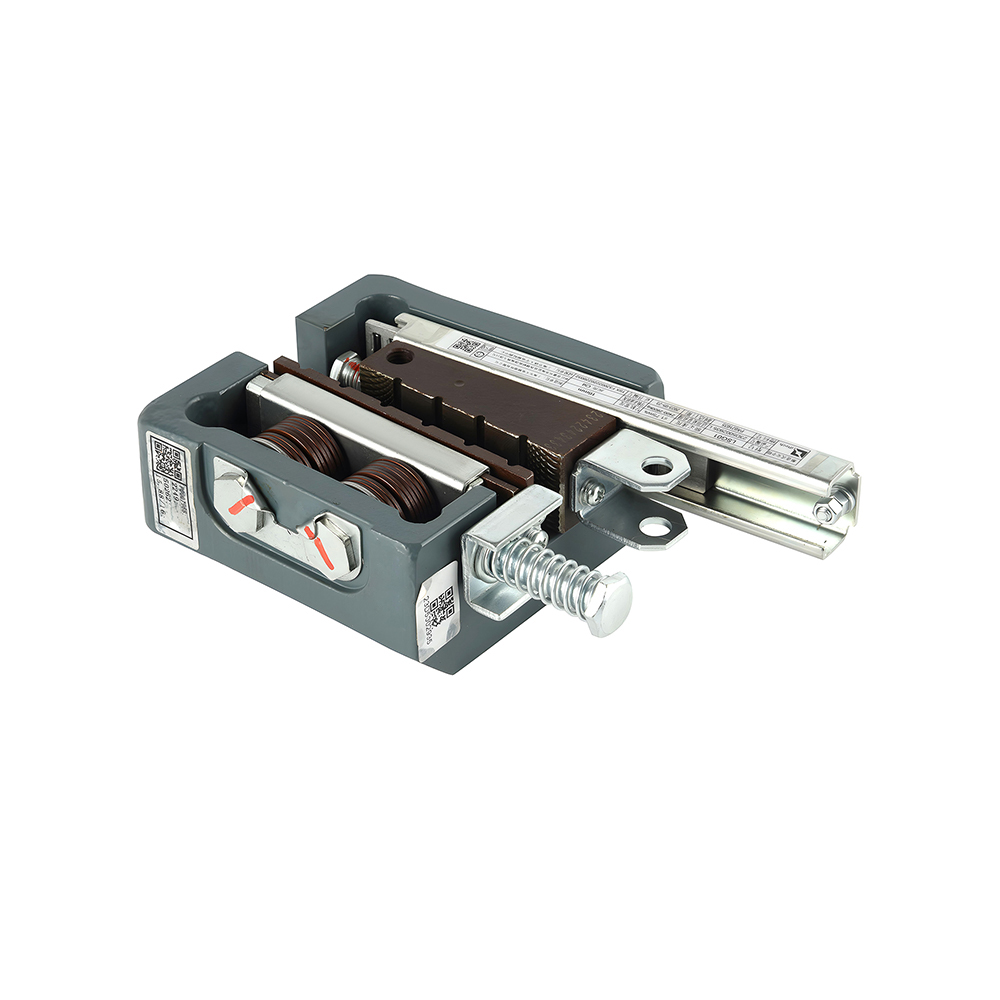
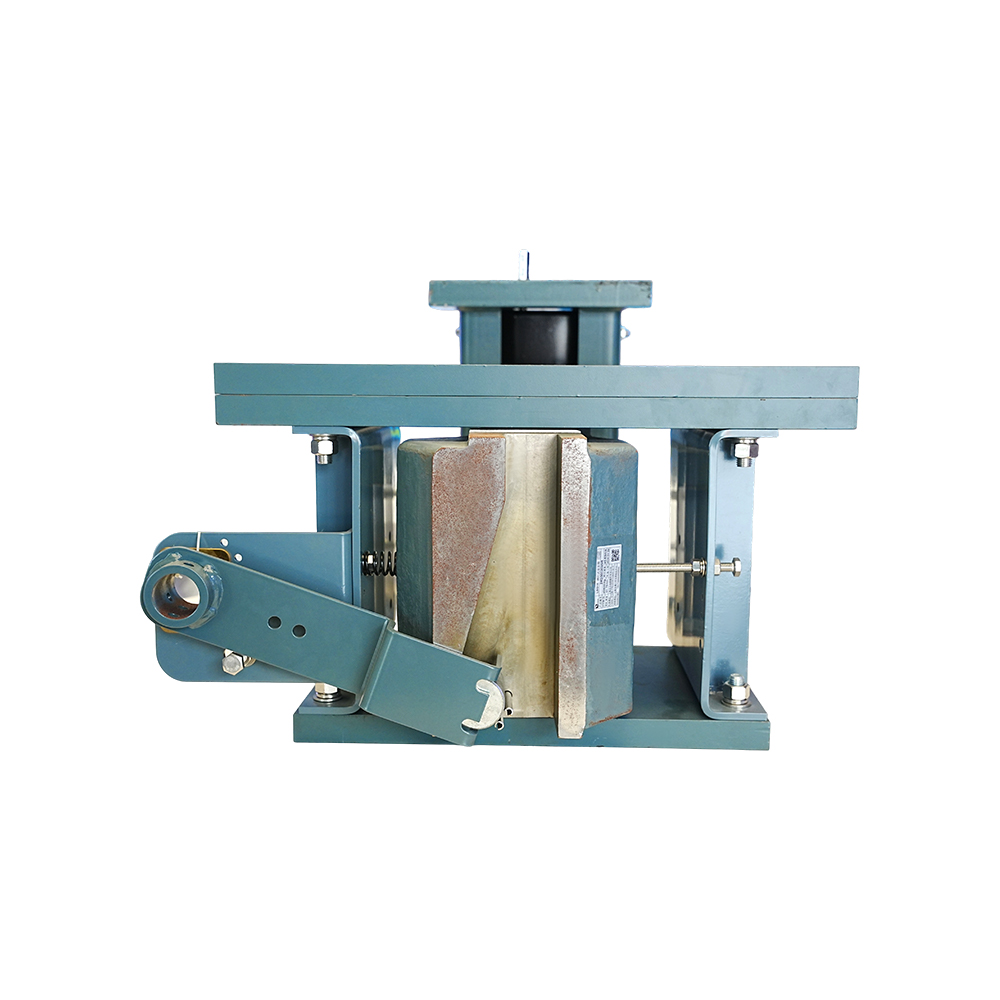
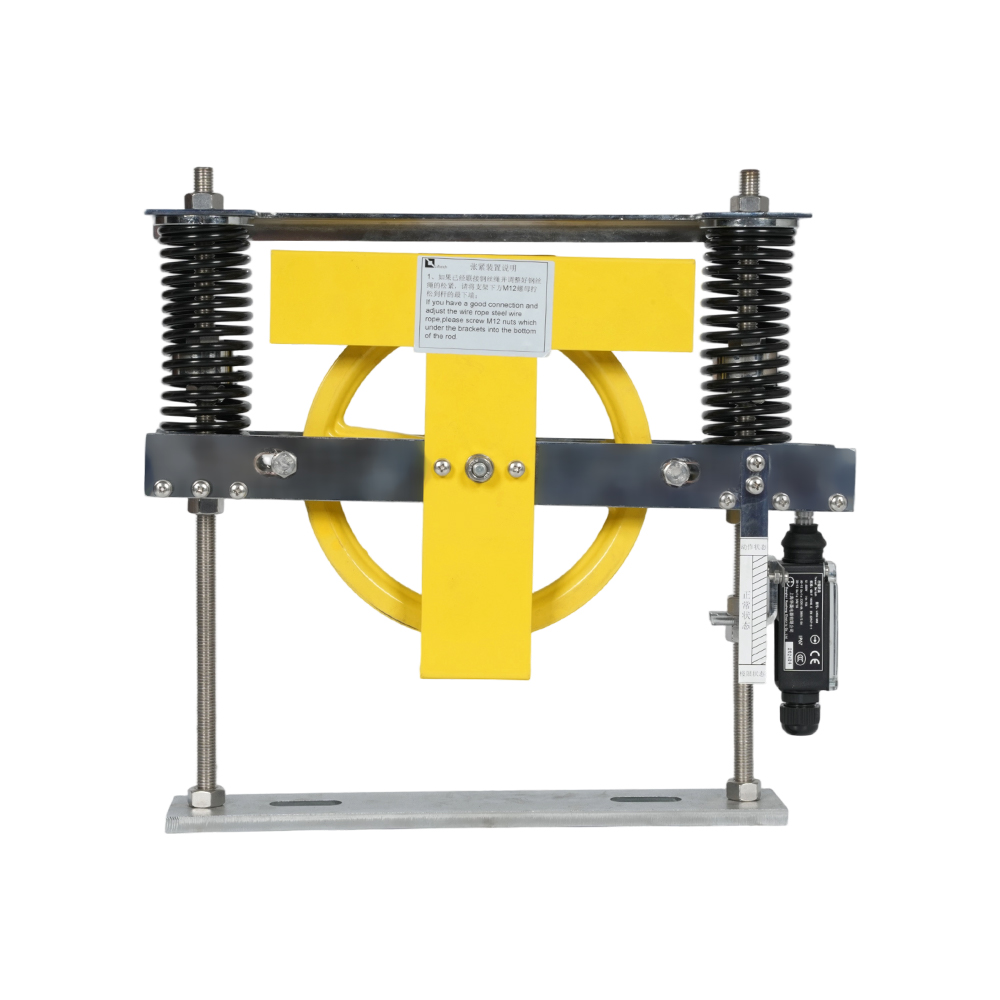
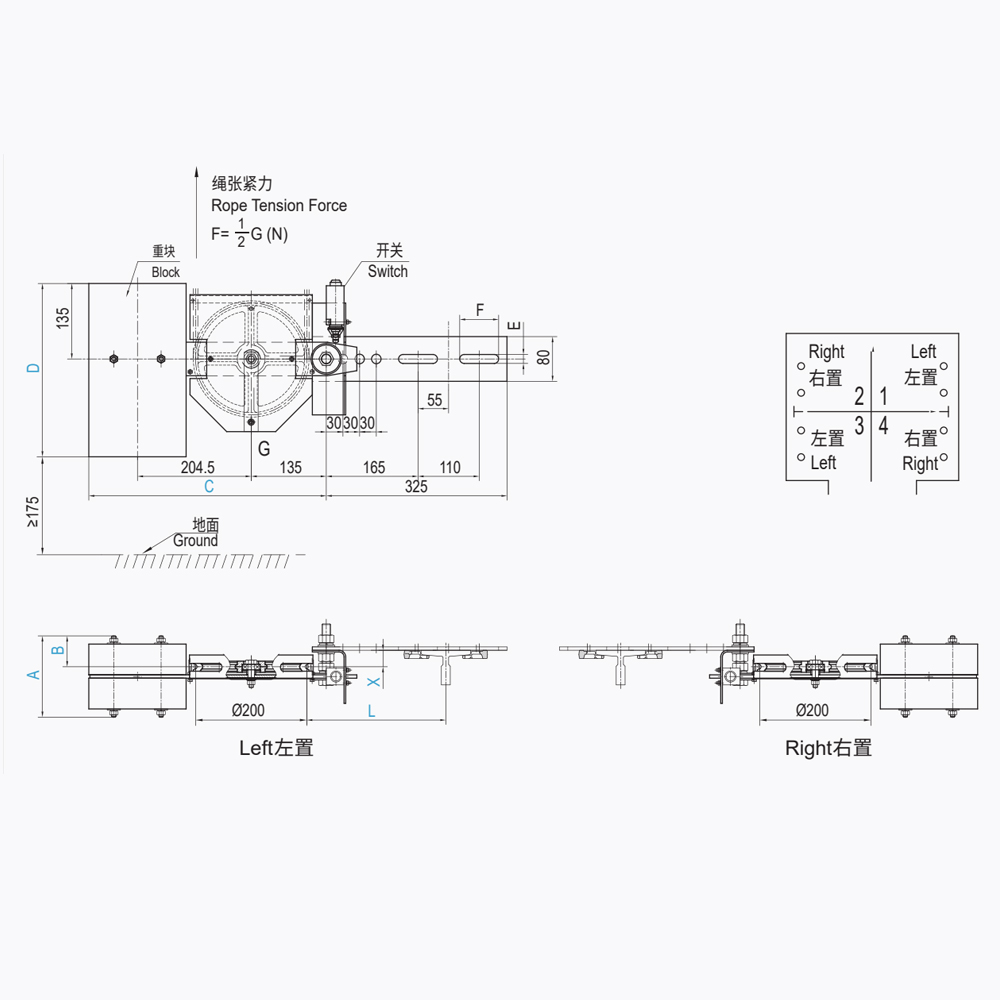
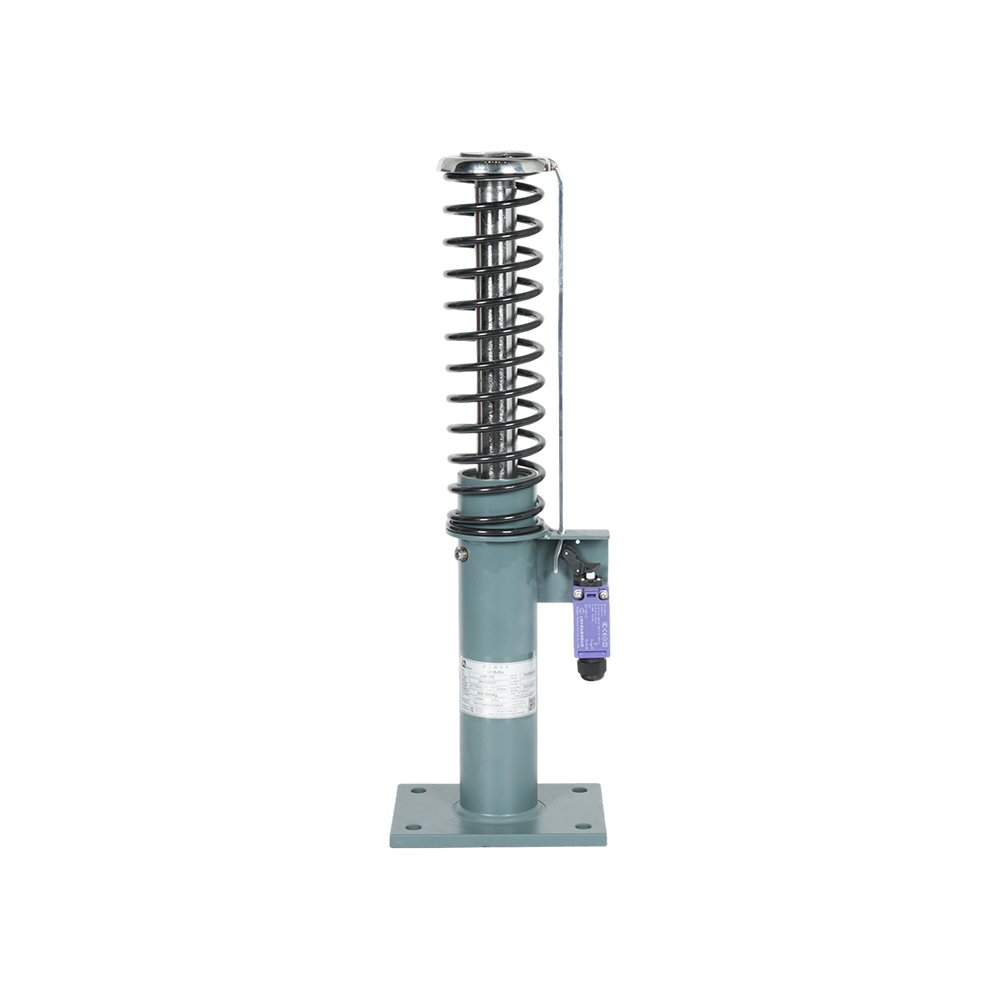
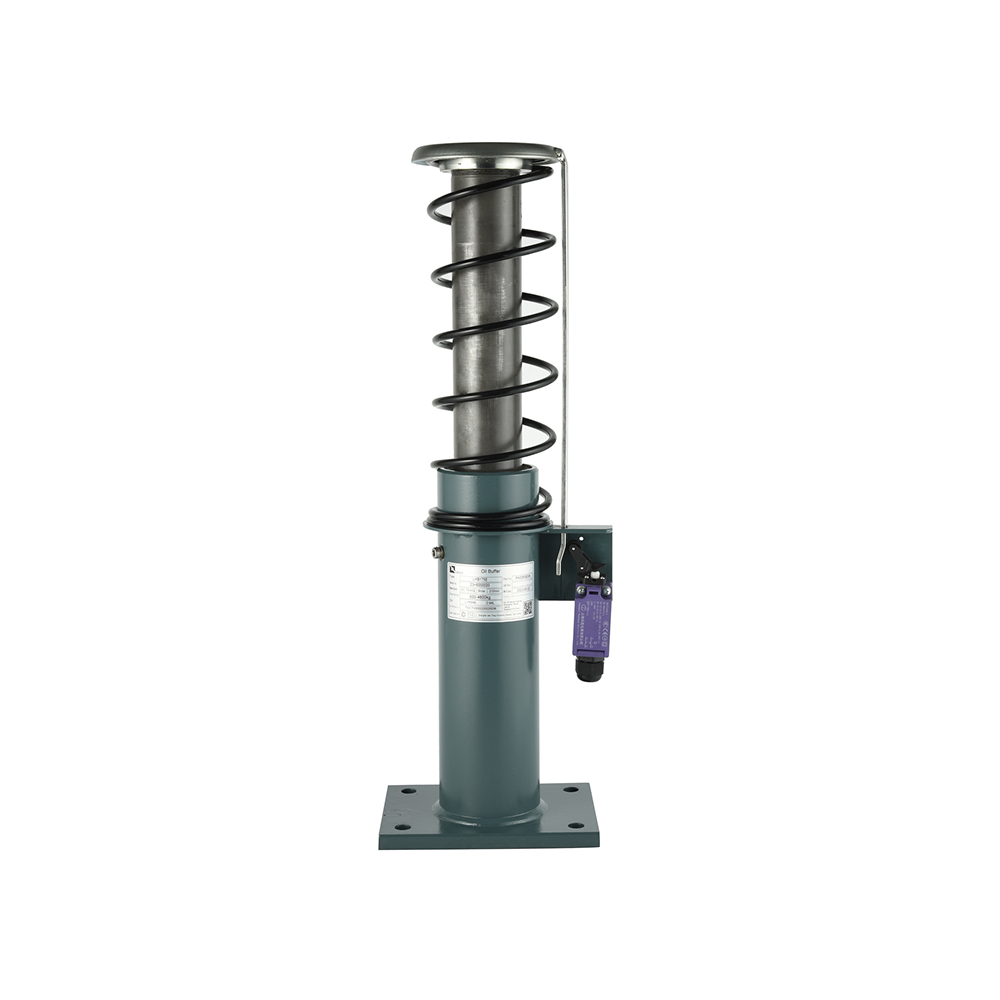
Using standard elevator safety parts on a construction site leads to rapid failure. Dust and moisture ingress can jam精密 mechanisms, exposure to weather causes corrosion, and the rough handling during moves can damage components. Furthermore, the dynamic loads and potential for guide rail misalignment in temporary structures exceed the design assumptions of commercial elevator parts. This creates a high risk of safety system failure on equipment that is already operating in a hazardous environment. Dedicated construction hoist safety components solve this by being "hardened" for the site. They are sealed against dust and water, made from heavy-gauge, corrosion-protected materials, and designed with wider tolerances and more robust engagement mechanisms to ensure they function reliably even when the installation is not as precise as a permanent elevator shaft. This ensures the safety of workers and materials during the critical construction phase.
Construction Hoist and Temporary Lift Safety
-- Steady & Reliable Manufacturer --
Construction hoists (also known as builders' hoists or material hoists) and temporary passenger lifts used on building sites operate under fundamentally different conditions than permanent elevators. They are exposed to the elements, experience extreme dust and debris, handle heavy and unbalanced loads, and are frequently erected, dismantled, and relocated. Safety components for these applications must be exceptionally rugged, weatherproof, and designed for simplicity and reliability under adverse conditions. The safety system typically includes a robust overspeed governor, an instantaneous or progressive safety gear capable of engaging on often less-precise guide rails, and buffers suitable for uneven ground conditions. Furthermore, these components must be part of a modular system that allows for quick assembly and disassembly by construction crews, with clear, foolproof connection points. The design philosophy prioritizes overt strength, corrosion protection, and tolerance to misalignment over the refined aesthetics and compactness required in permanent installations.
Recommended Products
The Key Problem We Solve
Typical Applications
- External rack-and-pinion or rope-guided construction hoists for skyscraper erection.
- Temporary material hoists inside building cores during fit-out phases.
- Temporary passenger elevators for workers in high-rise construction.
- Facade access and maintenance hoists used for long-term projects.
- Event and stage construction where temporary vertical access is needed.
- Shipbuilding and large vessel construction docks.
Product Advantages
| Environmental Protection | IP65/IP66 ratings standard for governors and electrical components; heavy-duty corrosion protection (hot-dip galvanizing, zinc-rich paints). |
| Load & Speed Ratings | Designed for higher dynamic shock loads; speeds typically range from 0.5 m/s to 2.0 m/s for material hoists, sometimes higher for personnel hoists. |
| Guide Rail Compatibility | Designed to engage with heavy-duty "H" or special hoist guide rails, which are larger and less precise than standard T-rails. |
| Safety Gear Type | Often instantaneous or robust progressive types with large wear allowances and easy adjustment for rail variation. |
| Modularity & Serviceability | Components are unitized for easy swap-out on site. Grease fittings and accessible adjustment points are standard. |
| Governing Standards | EN 12158-1/2 (builders hoists), ASME A10.4, CSA Z185, and local national regulations for temporary works. |
Selection & Compliance Considerations
Selection is dictated by the hoist manufacturer's specifications and the applicable temporary works standard. Key factors are the maximum working load, maximum speed, and the type of guide rail system. The safety gear must be specifically approved for use with the hoist's rail profile. Environmental conditions are critical: for marine environments, stainless steel components may be necessary; for very dusty sites, extra sealing is required. Verify that the safety system includes all necessary mounting brackets and interface kits for the specific hoist mast system. Ease of inspection and adjustment in the field is a major operational consideration, as these hoists are inspected frequently (often weekly or daily).
FAQ
- Q: How often should safety components on a construction hoist be inspected? A> Far more frequently than permanent elevators. A pre-use daily visual check by the operator is common. A thorough inspection by a competent person is typically required weekly, as per regulations like OSHA or local temporary works codes. Functional testing of the overspeed safety device is mandated at regular intervals (e.g., every 3 months) and after any major relocation or impact.
- Q: Can safety components from a permanent elevator be adapted for a temporary hoist? A> This is strongly discouraged and likely non-compliant. The design loads, environmental ratings, rail compatibility, and certification standards are completely different. Using non-approved components invalidates the hoist's certification and poses a serious safety risk. Always use components designed and certified for the specific type of construction hoist.
- Q: What happens to the safety gear if the guide rails get bent or misaligned on site? A> Heavy-duty hoist safety gears are designed with a degree of misalignment tolerance. However, significant bending is a serious hazard. The safety system is a last line of defense. Primary safety relies on proper erection, alignment, and regular checking of the mast and rails. If rails are damaged, the hoist must be taken out of service until they are repaired or replaced.
About Us
Shanghai Liftech Elevator Accessories Co., Ltd.
Founded in 2004, Shanghai Liftech Elevator Accessories Co., Ltd. is a specialized enterprise dedicated to the R&D, manufacturing, testing, and sales of elevator safety components. With over two decades of sustained development, Liftech has established itself as a leading manufacturer in China's elevator safety sector, providing high-quality products and solutions to a wide range of major elevator brands and engineering clients across domestic and international markets. We are ,China Wholesale Construction Hoist and Temporary Lift Safety Suppliers and Construction Hoist and Temporary Lift Safety OEM/ODM Manufacturers
For over 20 years, LIFTECH (est. 2004) has been a trusted force in the R&D, manufacturing, and full lifecycle support of premium elevator safety components.
Material Selection Guide
| Component Family | Construction-Grade Material & Construction Features |
| Governor Assembly | Housing: Cast iron or heavy-gauge steel with multiple gasket seals. Internally, components may be coated with dry-film lubricant. Sheave: Large diameter with a deep, wide groove to accommodate possible rope wear and misalignment. Mounting: Robust welded or cast bracket designed for bolt-on attachment to the hoist mast structure. |
| Safety Gear (Instantaneous Type Common) | Jaws/Wedges: Forged steel, heat-treated for extreme hardness and impact resistance. Often replaceable wear pads. Frame: Fabricated from thick steel plate, hot-dip galvanized after manufacturing. Springs: Extra-heavy-duty springs, often protected by a shroud or sleeve to prevent damage from debris. |
| Buffers (Spring Type Predominant) | Spring: Large-diameter, open-coil spring made from corrosion-resistant wire, often with a plastic or rubber impact pad on top. Housing: Short, stout steel cylinder with drainage holes, hot-dip galvanized. |
| Linkage & Ropes | Linkage Rods: Solid steel rod with forged ends and oversized clevis pins secured by linchpins (not cotter pins) for quick assembly/disassembly. Governor Rope: Extra-flexible, galvanized steel wire rope with a larger safety factor. |

